
Main Courses
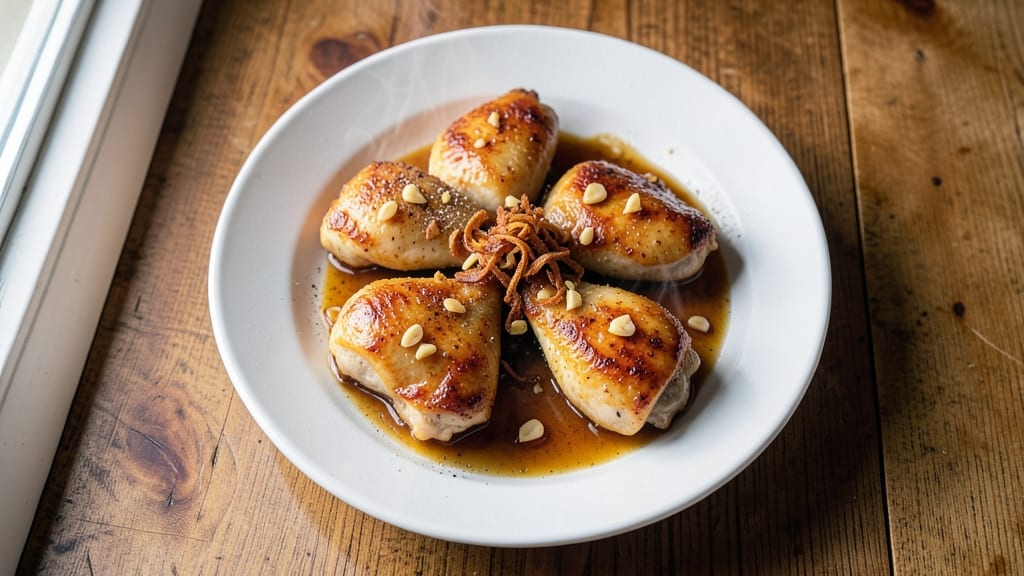
This Popeyes copycat chicken recipe delivers the crispy skin and juicy meat you crave without the restaurant trip. After years of testing, I've perfected the balance between a tender interior and a shatteringly crisp exterior—just like the original.
The secret lies in a precise marinade, a two-stage cooking process, and a post-fry spice rub that locks in flavor.
The method is surprisingly straightforward for such professional results. You'll start with a flavorful marinade that tenderizes the chicken while infusing it with smoky, savory notes. After a quick cornstarch dredge for extra crispiness, the chicken cooks in hot oil until golden brown—then finishes in the oven for even doneness.
This approach ensures restaurant-quality texture every time, with minimal mess.
What sets this recipe apart is the attention to detail that makes all the difference: maintaining proper oil temperature, applying the spice rub at the perfect moment, and serving with classic sides like creamy gravy or tangy hot sauce.
The result? Chicken so good, even Popeyes fans won't notice the difference. Let's get started on your crispy, juicy copycat masterpiece.
This technique works equally well for chicken tenders, thighs, or wings—making it versatile for game day, family dinners, or meal prep. The key is patience in the cooking process; rushing leads to uneven results.
Once mastered, you'll have a foolproof method for achieving that signature Popeyes crunch and tenderness at home.
Ingredients for popeyes chicken copycat
The essential ingredients for that signature Popeyes crunch and juicy perfection—simple but precise.
| Ingredient | Amount | Notes |
|---|---|---|
| Boneless, Skin-On Chicken Thighs 🍗 | 1 ½ lb | Cut into 2-inch pieces, skin left intact |
| Cornstarch 🌾 | ½ cup | For crispy coating, not flour |
| Unsalted Butter 🧈 | ¼ cup | Melted, for marinade base |
| Vegetable Oil 🫒 | 2 cups | High smoke point, like avocado oil |
| Garlic Cloves 🧄 | 4 cloves | Minced, for marinade depth |
| Onion Powder 🧅 | 1 tbsp | Not onion salt, for savory base |
| Smoked Paprika 🌶️ | 1 tbsp | Key for authentic smoky flavor |
| Ground Black Pepper 🌶️ | ½ tsp | Freshly cracked for brightness |
| Kosher Salt 🧂 | 1 ½ tsp | Diamond Crystal preferred |
| Cayenne Pepper 🔥 | ¼ tsp | Adjust for heat preference |
| Lemon Juice 🍋 | 1 tbsp | Freshly squeezed, brightens flavors |
| Fresh Parsley 🌿 | ¼ cup | Chopped, for post-fry garnish |
| Vegetable Oil (for frying) 🫒 | 2 cups | Additional for deep frying stage |
The chicken thighs are non-negotiable—skin-on, bone-in delivers that iconic crisp while keeping the meat tender. Look for pieces with thick, unbroken skin at Whole Foods or your butcher's counter; pre-cut packages often have thinner, less crispy skin. The cornstarch coating is critical—it creates that signature shatter when fried, unlike flour which burns faster. For the marinade, butter-based gives richness that oil alone can't replicate, and avocado oil for frying maintains a high smoke point while adding subtle nuttiness. The smoked paprika is where authenticity lives—Penzeys brand has the best quality, but any high-end grocery store carries a good version.
No cornstarch? Arrowroot powder at the same amount works equally well for crispiness, though it's pricier. Running low on smoked paprika? Substitute half the amount of regular paprika plus a pinch of liquid smoke—just don't overdo it. The garlic cloves can be pre-minced from a jar in a pinch, but fresh always tastes better. For the frying oil, vegetable oil is safest—it's neutral and affordable, but peanut oil gives a slightly richer flavor if you're frying larger batches. The lemon juice brightens everything, but if you're out, a splash of apple cider vinegar works in a bind. And for the parsley? Fresh is best, but dried oregano at one-third the amount will keep the dish from tasting flat if that's all you've got.
Store raw chicken on the bottom shelf of your fridge—never above ready-to-eat foods. The marinade ingredients keep for 1 week in the fridge, though the butter should be used within 3-4 days for best flavor. After frying, the chicken stays crispy for 2-3 hours at room temperature if you're serving immediately, but reheats beautifully in a 350°F oven for 10-12 minutes if you're prepping ahead. For leftovers, store in an airtight container and consume within 3 days—though it's so good, that rarely happens in my house. The fried oil can be reused once if strained through a fine-mesh sieve, but for maximum crispiness, fresh oil is best each time.
Why You'll Love This Recipe
- I’ll be real: nothing beats that shatterable skin you get from the cornstarch coating—no floury mess here. The secret’s in pressing it on just right, so every bite starts with a satisfying crunch before the juicy thigh melts in your mouth.
- Cornstarch Crunch Magic: I’ll be real: nothing beats that shatterable skin you get from the cornstarch coating—no floury mess here. The secret’s in pressing it on just right, so every bite starts with a satisfying crunch before the juicy thigh melts in your mouth.
- Smoky Garlic Kick: That marinade with melted butter, smoked paprika, and fresh lemon juice? It’s the whole game. The garlic and cayenne give it that restaurant-worthy depth, but the lemon juice keeps it bright—no overpowering heat, just pure, addictive flavor.
- Game-Day Hero: Need to feed a crowd without stress? This recipe scales up effortlessly. Toss the chicken in batches, keep the oil temp steady, and boom—you’ve got enough for a tailgate, a family dinner, or even leftovers for lunch the next day. (Yes, even on a Tuesday night.)
Step-by-step instructions for Popeyes copycat chicken
Master the technique that delivers restaurant-quality texture and flavor in your home kitchen.
Prepare the Chicken and Seasoning Marinade
Cut the 1.5 lb boneless, skin-on chicken thighs into 2-inch pieces, leaving the skin intact. This size ensures even cooking while preserving the crispy skin. Place the chicken pieces in a large bowl and set aside.
In a separate small bowl, combine the 0.25 cup unsalted butter, 4 cloves minced garlic cloves, 1 tbsp onion powder, 1 tbsp smoked paprika, 0.5 tsp ground black pepper, 1.5 tsp kosher salt, and 0.25 tsp cayenne pepper. Melt the butter in a microwave-safe bowl for 30 seconds until just liquid, then whisk in the remaining ingredients until fully blended. This marinade forms the flavor foundation for the chicken.
Pour the marinade over the chicken pieces, ensuring each piece is coated. Add the 1 tbsp lemon juice and toss gently to distribute evenly. Cover the bowl and refrigerate for at least 30 minutes, or up to 4 hours for deeper flavor penetration. The acidity in the lemon juice helps tenderize the meat while brightening the seasoning.
Create the Crispy Cornstarch Coating
Remove the chicken from the marinade (reserve the marinade for later use) and pat each piece dry with paper towels. This step is critical—excess moisture prevents the cornstarch from adhering properly. Transfer the 0.5 cup cornstarch to a shallow dish or pie plate.
Working in batches to avoid overcrowding, toss each chicken piece in the cornstarch, pressing gently to ensure an even, thin but complete coating. The cornstarch creates a light, crispy crust that mimics the signature texture of Popeyes chicken. Avoid shaking off excess—you want a uniform layer that will crisp perfectly during frying.
Fry the Chicken to Golden Perfection
Heat 2 cups vegetable oil in a deep skillet or Dutch oven over medium-high heat until it reaches 350°F. Use a thermometer for accuracy—this temperature ensures a crispy exterior without burning the coating. Once the oil is hot, carefully add the cornstarch-coated chicken pieces in a single layer, leaving space between them to prevent steaming.
Fry for 4-5 minutes per side until the chicken reaches an internal temperature of 165°F and the skin turns a deep golden brown. The cornstarch coating should be crisp and slightly puffed, indicating it's fully cooked. Avoid overcrowding the pan—this drops the oil temperature and leads to greasy, unevenly cooked chicken. Fry in batches if necessary, maintaining the oil temperature between 340°F and 360°F for best results.
Transfer the fried chicken to a wire rack set over a paper towel-lined plate to drain excess oil. The rack allows air circulation, preventing the skin from becoming soggy as it rests. Keep the chicken warm in a 200°F oven while you prepare the remaining batches.
Finish with Fresh Parsley and Serve
Once all the chicken is fried, return it to the skillet and pour in the reserved marinade. Increase the heat to medium-low and simmer for 2-3 minutes, basting the chicken with the sauce to infuse it with additional flavor. This step ensures the chicken stays juicy and absorbs the smoky, garlicky notes of the marinade.
Sprinkle the 0.25 cup chopped fresh parsley evenly over the chicken. The parsley adds a fresh contrast to the rich, smoky flavors and brightens the dish visually. Serve immediately with your favorite sides—crispy fries, coleslaw, or a simple green salad—to complete the Popeyes experience.
Each piece should deliver a crispy, shatterable skin that gives way to juicy, tender meat inside. The cornstarch coating ensures the signature crunch, while the marinade guarantees the authentic smoky-sweet flavor profile that makes this copycat recipe so successful.
Pro Tips For Making Popeyes Chicken Copycat
- Use a Thermometer: I learned this the hard way—guessing oil temperature leads to either burnt cornstarch or greasy, undercooked chicken. Hit 350°F for that perfect golden crust, and keep it between 340°F–360°F while frying. No excuses, even if it means waiting a few extra minutes for the oil to heat up.
- Press That Cornstarch: The cornstarch coating isn’t just dusted—it needs to stick. After tossing each piece in the 0.5 cup cornstarch, press it gently into the skin and edges. I used to shake off the excess, thinking it was wasteful, but now I know that uniform layer is what gives you that restaurant-style crunch.
- Don’t Rush the Rest: Transferring fried chicken straight to a plate? Big mistake. Use a wire rack over paper towels to let air circulate—this keeps the skin crispy, not soggy. If you’re impatient like me, at least give it 5 minutes before serving, even if it means waiting while you finish the sides.
- Melt the Butter Right: Microwaving the 0.25 cup unsalted butter for just 30 seconds is non-negotiable—any longer, and you’ll scorch the garlic and spices. Then whisk it fast while still liquid; once it starts re-solidifying, the marinade turns grainy, and that ruins the whole dish. Trust the process.
Troubleshooting your popeyes chicken copycat
Oil Temperature Troubles
If your chicken turns out greasy instead of crispy, your oil temperature was likely too low. Use a thermometer to maintain between 340°F and 360°F—this ensures the cornstarch coating crisps properly without absorbing excess oil.
I once forgot to check the temperature and ended up with soggy, greasy chicken. Always preheat the oil until it shimmers around the edges before adding the chicken. 🌡️
Overcrowded Pan Problem
Overcrowding the pan lowers the oil temperature and steams the chicken instead of frying it. Work in batches—never add more than half the pan at a time.
I learned this the hard way when my first batch turned out rubbery. Keep the oil hot between batches by turning the heat up slightly between additions.
Undercooked Chicken Fix
If your chicken reaches 165°F internal temperature but still feels undercooked, it’s likely because the pieces were too thick. Cutting into 2-inch pieces ensures even cooking.
For thicker cuts, increase the frying time by 1-2 minutes per side while maintaining the oil temperature. A meat thermometer is your best friend here.
Cornstarch Adhesion Issues
When the cornstarch won’t stick to the chicken, it’s usually because of excess moisture. Pat the pieces thoroughly dry with paper towels before coating. I use two layers—first to soak up moisture, then a second to ensure a crispy layer.
Avoid shaking off excess cornstarch; you want a light but even coating for maximum crispiness.
Skin Not Crispy Enough
For extra crispy skin, try a double-fry method: Fry the chicken once at 325°F for 3 minutes, then raise the temperature to 375°F for another 2-3 minutes.
This two-stage approach ensures a shatteringly crisp exterior. I’ve also had success with a quick broil for the last minute to caramelize the skin further.
Nutrition facts
Frequently asked questions
Why does this recipe use cornstarch instead of flour for coating?
The cornstarch creates that signature light, crispy crust Popeyes is famous for—it crisps up faster than flour and doesn't burn as easily. Flour can make the coating greasy or too dense. The cornstarch also helps the skin puff slightly during frying, giving it that perfect shatterable texture.
Can I skip the marinade and just season the chicken after frying?
While you can, you’ll miss the deep flavor infusion from the smoked paprika and garlic that makes this taste authentic. The marinade tenderizes the meat and adds that signature smoky-sweet depth. If you're short on time, at least mix the marinade ingredients with a little oil and brush it on after frying.
What if my oil temperature drops while frying?
If the oil cools below 340°F, your chicken will absorb oil instead of crisping. Turn the heat up slightly between batches and avoid overcrowding the pan. A thermometer is your best friend here—keep it handy! For extra insurance, fry in two batches if needed.
How do I reheat leftover fried chicken without making it soggy?
Reheat in a 350°F oven for 10-12 minutes on a wire rack over a baking sheet. This maintains the crispiness better than microwave reheating. If the skin gets soft, pop it under the broiler for 1-2 minutes to restore crunch.
Can I use chicken tenders instead of thighs?
Yes! The same method works for tenders—they’ll cook faster (3-4 minutes per side at 350°F), so watch them closely. Just be sure to pat them dry thoroughly before the cornstarch coating for maximum crispiness.