
It started with one rub that never stuck
The first time I made a dry rub for chicken thighs, the seasoning just slid off the skin. No matter how hard I patted it on, it wouldn’t stay.
The spices pooled in the bottom of the pan like a rejected science experiment, and the meat came out bland—not because of the flavors, but because they’d never met the surface.
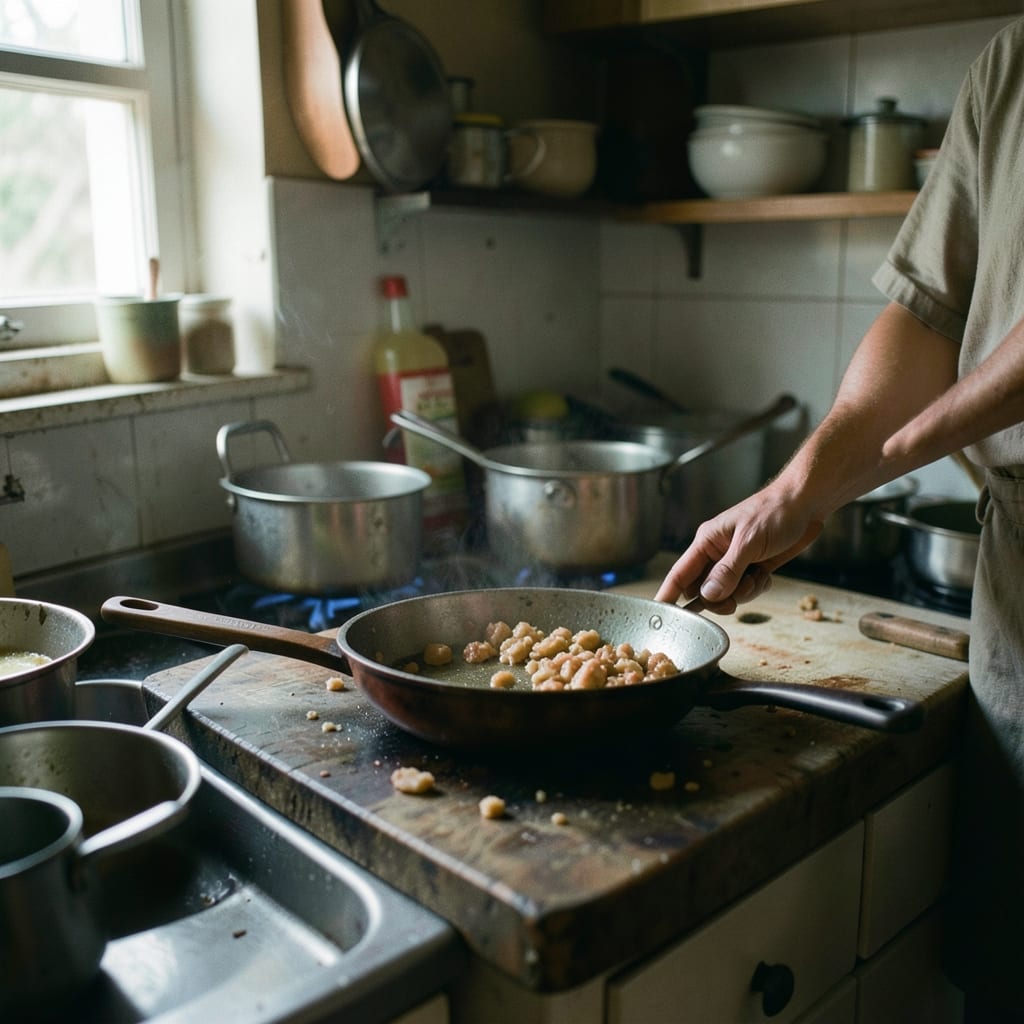
It was a winter afternoon in my grandmother’s kitchen, the kind of cold that seeps into your bones even when you’re standing by the stove. The thighs were thick, the skin pale, and the rub—a mix of smoked paprika, garlic powder, and cayenne—was supposed to cling like a second skin.
Instead, it turned to dust the second I turned the pan.
I tried everything: spraying the meat with oil first, pressing the spices in with my fingers, even mixing a little flour into the rub. Nothing worked. The rub was too fine, the skin too slick, and the heat too impatient.
By the third attempt, I was frustrated enough to throw the pan at the wall—except my grandmother caught it mid-air and handed it back with a sigh.
Nine tries before it stuck
The next batch, I ground half the spices into a coarse powder and mixed them with a tablespoon of brown sugar to help them cling. The thighs came out better—some color, some texture—but the rub still flaked off in sheets.
The sugar caramelized too fast, leaving sticky patches that burned before the meat was done.
Then I tried a wet rub, mixing the spices with a splash of olive oil. That was a disaster: the oil turned the skin greasy, and the flavors dissolved into the pan instead of sticking. The thighs tasted like seasoned fat, not like anything recognizable.
By the fifth attempt, I’d given up on the thighs and moved to drumsticks. The bones made the skin tougher, and the rub finally found purchase—but only because I’d spent twenty minutes pressing it in with a rubber spatula. The result was crisp, but the method was a joke.
No one had time for that in a real kitchen.
The breakthrough came on the ninth try. I split the rub into two parts: a coarse, dry mix for the skin and a finer, oil-based paste for the crevices. The thighs spent an extra ten minutes in the fridge, skin-side down, so the rub could set.
When they hit the smoker at 225°F, the spices stayed put, caramelizing into a crust that held like armor.
The mind behind these pages

I’m Cecilia Alvarado, and I’m the one who kept trying. As the founder and editor of *Chicken Recipes Rub*, my job isn’t just to write recipes—it’s to make sure they work before anyone else does.
That means standing over a pan until the spices behave, scraping burnt rub off the bottom of a skillet, and pretending I don’t care when a dish fails (again).
I’m the kind of person who notices when a recipe skips a step or assumes you already know how to fix a problem. My grandmother used to say I had ‘the patience of a saint and the stubbornness of a mule’—which, in her kitchen, was a compliment.
She taught me that the best meals aren’t just about flavor; they’re about the work it takes to get there.
Outside the kitchen, I’m the one who gets lost in thrift stores, buys plants that die within weeks, and still insists on baking bread at 3 AM. My friends say I’m ‘obsessed with process,’ but I call it paying attention.
That rub? It’s still the first thing I test in every new recipe. Not because it’s perfect, but because it reminds me what happens when you stop trying.
Everything here is written the way that rub was
Every recipe on this site is made at least nine times before it’s published. The first few are messy, the middle ones are experiments, and the last one is the one you’ll find here—stripped of guesswork, tested for real kitchens, not just perfect ones.
I write down what goes wrong as much as what goes right. The notes on the rub’s ninth attempt—*‘split the mix, fridge time, 225°F only’*—are the same kind of details you’ll find in every method. No vague ‘season to taste’ or ‘cook until done.’ Just the things that matter.
A year from now, I’ll pull up an old draft and laugh at how wrong I was. But the next person who reads it? They won’t have to learn the hard way.
What that means for you
You’ll find recipes that work the first time—not because they’re simple, but because they’ve been through the fire. No shortcuts, no excuses. Just dishes that taste like they were made with care, even if you’re in a hurry.
You won’t find ‘foolproof’ promises or ‘easy’ labels. You *will* find the exact temperatures, times, and tricks that turn a good dish into a great one—and why they matter.
Send me your failures. The best recipes here started with someone else’s mistakes—and yours could be next.
The recipes are grouped by category: Appetizers, Beverages, Breakfast & Brunch, Desserts, Main Courses and Salads.