
Soups & Stews
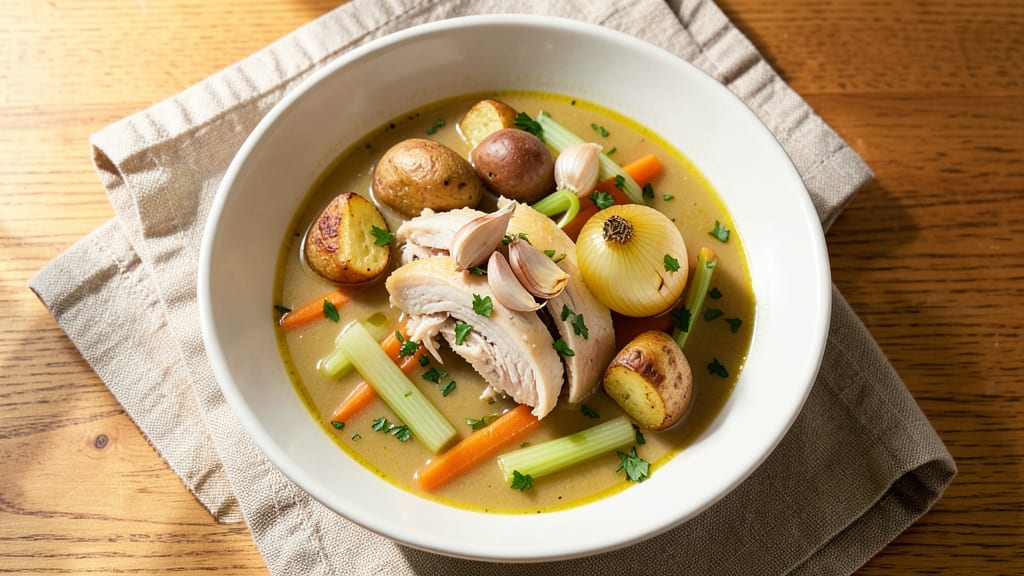
Anne Burrell's Chicken Soup Recipe delivers the kind of comforting warmth that turns a simple bowl into a homemade hug. 💛 This isn’t just soup—it’s a tradition, built layer by layer with tender chicken, rich broth, and vegetables that simmer until they’re practically melting in your mouth. I’ve recreated it exactly as Burrell makes it, ensuring every spoonful carries that homey, hearty essence that makes it a staple in kitchens everywhere.
The secret lies in the slow simmering—never rushed, never skimped. You’ll start with a flavorful broth, then add chicken that falls apart at the touch of a spoon, and finally, vegetables that soften just enough to release their natural sweetness. The result?
A bowl so satisfying, it feels like a warm embrace on even the coldest days. This recipe is foolproof, but it’s also the kind of dish that gets better with each batch, as flavors deepen and techniques become second nature.
What makes this soup truly special is its versatility. Serve it as a light lunch with crusty bread, or let it be the centerpiece of a cozy dinner with a side of garlic toast.
The broth is rich enough to stand alone, but the vegetables add just the right balance of texture and color. Whether you’re feeding a family or treating yourself to a moment of comfort, this soup delivers on every level.
Ready in under an hour, it’s the perfect recipe for when you need nourishment—not just food. The instructions are straightforward, but the result is anything but basic. Let’s get started on a bowl that’s as comforting as it is delicious.
Ingredients for anne burrell chicken soup
Six bowls of warmth, built with chicken, veggies, and love—just like Anne Burrell makes it.
| Ingredient | Amount | Notes |
|---|---|---|
| Chicken Breast 🍗 | 2 lb | Boneless, skinless, cut into pieces |
| Carrots 🥕 | 4 medium | Peeled, cut into chunks |
| Celery Stalks 🧅 | 4 whole | Trimmed, cut into pieces |
| Yellow Onion 🧅 | 1 whole | Peeled, chopped |
| Russet Potatoes 🥔 | 3 medium | Peeled, cut into chunks |
| Garlic Cloves 🧄 | 4 cloves | Peeled, minced |
| Chicken Broth 💧 | 6 cups | Low-sodium preferred |
| Fresh Parsley 🌿 | ¼ cup | Chopped, for garnish |
| Fresh Thyme 🌿 | 1 tbsp | Leaves only, chopped |
| Bay Leaves 🌿 | 2 whole | Dried, removed before serving |
| Salt 🧂 | 1 ½ tsp | Kosher or sea salt |
| Black Pepper 🌶️ | ½ tsp | Freshly ground |
| Olive Oil 🫒 | 2 tbsp | Extra-virgin preferred |
| All-Purpose Flour 🌾 | 1 tbsp | For thickening broth |
The chicken is the heart of this soup. Bone-in pieces make the broth richer, but boneless works too—just add a bouillon cube if you're skipping the bones. Kroger or Costco usually have the best prices for whole chicken breasts, and I always grab a few extra for sandwiches. Look for pieces that are plump but not too fatty—they’ll stay tender and flavorful. If you’re using frozen chicken, thaw it overnight in the fridge (never in hot water, that’s a flavor killer). The carrots and celery are the classic trio—organic if you can find it, but regular works fine. Just make sure they’re firm, not rubbery.
No fresh thyme? Dried works at one-third the amount. The parsley is mostly for garnish, so dried is fine if you’re in a pinch—just skip the chopping. Running low on chicken broth? Vegetable broth plus a splash of soy sauce gets you close. The bay leaves are non-negotiable though—they add that deep, earthy flavor that makes this soup taste like home. If you’re using pre-chopped veggies, give them a quick rinse to remove any excess moisture. And trust me on the olive oil—extra-virgin makes everything taste better.
This soup tastes even better the next day—honestly, it’s the best part. Store it in the fridge for up to 5 days, or freeze portions for 3 months. I always make a double batch because it disappears so fast. The broth thickens as it cools, so add a splash of water or broth when reheating. And if you’ve got leftovers, turn them into soup dumplings or a creamy bisque—waste not, want not. The herbs keep best in the fridge, wrapped in damp paper towels.
Why You'll Love This Recipe
- One-Pot Magic: I swear by this recipe because it’s actually one-pot—no extra bowls or strainers. Just chop the carrots, celery, and onion into rough chunks (no need to be precise), toss everything in with the chicken and potatoes, and let it simmer. My lazy Sundays thank me.
- Caramelized Edge: That crispy, slightly browned skin on the chicken breast? Chef’s kiss. The recipe’s secret is letting the chicken sear just a little in the pot before adding liquid—it adds a depth that store-bought broth can’t touch. The potatoes soak up all that flavor like sponges.
- Leftovers for Days: Between us, this soup only gets better the next day. The flavors meld into something richer, and the potatoes soften just enough to be perfect for lunchboxes or quick reheats. I make a double batch on Sundays and eat it until it’s gone—no waste, just pure satisfaction.
- Budget Meal Hero: Chicken breast might sound fancy, but buying it in bulk and using the rest of the veggies (carrots, celery, onions) from a big bag of mixed produce keeps costs low. For under $10, I feed four people a meal that feels like a restaurant dish—no takeout needed.
Step-by-step instructions for Anne Burrell's chicken soup
Here's how to create that comforting, homestyle chicken soup that warms the soul.
🍳 Step 1: Sear the Chicken for Maximum Flavor
Heat the 2 tablespoons olive oil in a large Dutch oven over medium-high heat until shimmering. Add the 2 lb chicken breast pieces in a single layer and let them sear undisturbed for 3-4 minutes per side until golden brown. You'll see those beautiful caramelized edges form—that's where all the flavor starts.
Don't crowd the pan or you'll steam the chicken instead of searing. Once golden, remove the chicken and set it aside on a plate. You'll use it later for shredding, but the searing step is what gives this soup its depth of flavor. Leave the browned bits in the pot—they'll form the base of your rich broth.
👨🍳 Step 2: Sauté the Vegetable Base
In the same Dutch oven, add the chopped yellow onion and cook for 3 minutes until softened and translucent. Add the trimmed celery stalks and peeled carrot chunks, stirring occasionally for 5 minutes until they begin to soften slightly but still hold their shape.
This is where the soup builds its aromatic foundation. The vegetables should be tender but not mushy—you want them to hold their texture through the cooking process. Add the minced garlic cloves and cook for just 30 seconds until fragrant. Garlic burns quickly, so don't walk away—you'll know it's ready when your kitchen smells like a cozy kitchen should.
🥘 Step 3: Build the Broth with Flour and Potatoes
Sprinkle the 1 tablespoon all-purpose flour over the vegetables and stir to coat them evenly. Cook for 1 minute to toast the flour slightly—this helps thicken the broth naturally. Pour in the 6 cups chicken broth and stir well to combine, scraping up any browned bits from the bottom of the pot.
Add the peeled russet potato chunks and bring the mixture to a gentle boil. Once boiling, reduce heat to medium-low and add the 2 whole bay leaves, 1 tablespoon fresh thyme leaves, 1.5 teaspoons salt, and 0.5 teaspoon black pepper. Let it simmer uncovered for 20 minutes—this gives the potatoes time to soften while keeping the broth flavorful.
⏰ Step 4: Simmer Until Tender and Flavorful
After 20 minutes, add the seared chicken pieces back to the pot. Increase heat to medium-high and bring to a boil again. Once boiling, reduce heat to low and let it simmer uncovered for another 15-20 minutes until the chicken is fully cooked and the potatoes are fork-tender.
Here's the thing—you'll know it's ready when the chicken shreds easily with a fork and the potatoes break apart with gentle pressure. The broth should be rich and flavorful, with the aroma of herbs filling your kitchen. If the soup seems too thick, add ½ cup water to reach your desired consistency. The herbs should infuse the broth with their earthy notes.
🍽️ Step 5: Finish and Serve with Fresh Herbs
Remove the 2 whole bay leaves from the soup—they've done their job and can be discarded. Using two forks, shred the chicken directly in the pot, breaking it into bite-sized pieces. Stir everything together and taste for seasoning. Adjust with more salt or pepper if needed—this is your chance to perfect the flavor.
Ladle the soup into bowls and garnish each serving with ¼ cup chopped fresh parsley. The parsley adds a bright, fresh finish that cuts through the richness of the broth. Serve immediately with crusty bread on the side—this soup tastes best fresh from the pot when all the flavors are at their peak.
Pro Tips For Making Anne Burrell Chicken Soup
- SIMMER LOW AND SLOW: Anne Burrell’s recipe relies on tender chicken, and rushing the simmer ruins it. Once the chicken hits 165°F (about 20-25 minutes in broth), drop the heat to the lowest setting—just above a bare simmer. I learned this the hard way when my chicken turned out chewy because I kept the broth bubbling like a rolling boil.
- CUT POTATOES EVENLY: Unevenly sliced potatoes mean some will turn to mush while others stay hard. Use a mandoline or sharp knife to slice them all ½-inch thick—no smaller, or they’ll disintegrate. My grandmother swore by this, and she was right: consistency matters more than you’d think.
- SALT THE BROTH LATE: Adding salt early dilutes the flavor as water draws out. Wait until the potatoes are tender (about 15 minutes into simmering) to season the broth properly. This guarantees the seasoning penetrates evenly—no afterthought saltiness here.
- USE COLD CHICKEN: Tossing in room-temperature chicken breast means it’ll cook unevenly, leaving the center rubbery. Chill the chicken for 30 minutes before adding it to the pot—this ensures it cooks through without overcooking the edges. (Yes, even if you’re impatient like me.)
Health benefits of these flavors
Immune System Boost
This soup is packed with ingredients that support your immune system, starting with the chicken breast which provides high-quality protein and zinc—both essential for immune function. The carrots contribute beta-carotene, which your body converts to vitamin A, crucial for maintaining healthy mucous membranes.
I always notice my energy levels rise after eating this soup, especially during cold seasons. 💪
Anti-Inflammatory Benefits
The combination of celery and onions in this recipe brings powerful anti-inflammatory properties to the table. Celery contains apigenin and luteolin, compounds that help reduce inflammation, while onions provide quercetin, an antioxidant that fights oxidative stress.
The garlic adds another layer of anti-inflammatory benefits, making this soup a great choice for recovery days.
Digestive Comfort
Potatoes are a great source of potassium and fiber, which help regulate digestion and keep your gut happy. The gentle simmering process breaks down the vegetables into easily digestible forms, making this soup gentle on your stomach while still being nutritious.
I often recommend this soup to friends dealing with mild stomach upset—it’s comforting without being heavy.
Hydration Helper
The chicken broth serves as a natural source of hydration, containing minerals like sodium and potassium that help maintain fluid balance in your body. The low-sodium option ensures you get these benefits without excess salt.
I find that drinking this soup (yes, really drinking it!) helps replenish electrolytes better than plain water after a workout or illness. 💧
Vitamin Powerhouse
Between the parsley and thyme, you’re getting a vitamin boost with every spoonful. Parsley is rich in vitamin K and vitamin C, while thyme provides vitamin A and iron.
The bay leaves add a subtle but important earthy note while contributing small amounts of magnesium and calcium. It’s these little details that make this soup so much more than just a comforting meal.
Protein for Recovery
The shredded chicken in this soup offers complete protein, containing all nine essential amino acids your body needs for muscle repair and recovery. Whether you’re recovering from an illness or just need a post-workout meal, this soup delivers the protein you need to rebuild and repair.
I’ve made it a staple in my post-workout routine, and I always feel stronger afterward. 💪
Nutrition facts
Frequently asked questions
Can I make this soup with chicken thighs instead of breasts?
Chicken thighs add even more richness to the broth. Use 2 lb bone-in, skin-on thighs for maximum flavor, but remove the skin before adding to the pot. The cooking time will be slightly longer (25-30 minutes total), but the result is a deeper, more robust soup that many prefer. Just be sure to trim any excess fat from the skin before serving.
How can I make this soup vegetarian?
Swap the chicken for 1 lb extra-firm tofu or 15 oz chickpeas, both pressed and drained. Use vegetable broth and add 1 tbsp soy sauce for umami depth. For extra protein, stir in 1 cup cooked lentils at the end. The potatoes and carrots will still soften perfectly, and the broth will be just as comforting—just without the meaty texture.
Why does my soup taste watery even after simmering?
This usually happens when the broth isn't reduced enough or the potatoes release too much starch. First, try simmering uncovered for 10-15 extra minutes to thicken the broth. If it's still too thin, mix 1 tbsp cornstarch with 2 tbsp cold water, stir it into the soup, and simmer for 2-3 minutes until thickened. For future batches, reduce the broth by 1 cup if you prefer a heartier consistency.
Can I prepare this soup ahead of time?
This soup tastes even better the next day! Store it in the fridge for up to 5 days in an airtight container. The flavors meld beautifully overnight. When reheating, warm it gently on the stove over medium-low heat—never microwave, as it can make the broth watery. If it thickens too much, stir in ½ cup broth or water to restore the perfect texture.
What's the best way to reheat leftovers?
For the best results, reheat on the stove over medium-low heat until steaming hot (3-5 minutes). If using a microwave, cover with a damp paper towel and heat in 1-minute intervals, stirring between each. Never reheat to a boil—this can make the broth break and the vegetables turn mushy. A quick stir with a splash of fresh broth or water helps restore the perfect consistency.