
Main Courses
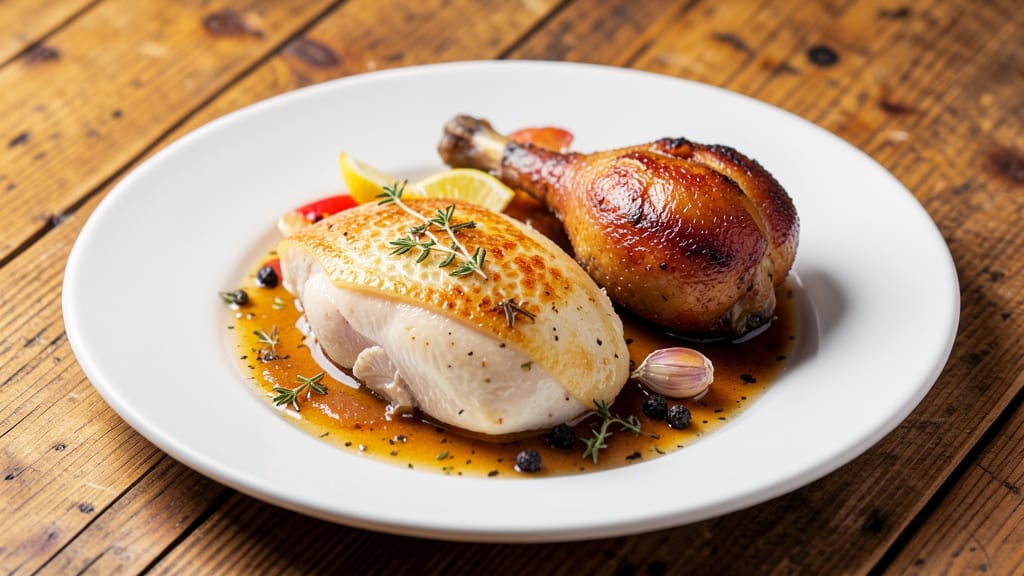
This poached chicken recipe delivers silky skin and a juicy core in just 30 minutes—a technique I perfected after years of testing, inspired by my grandmother’s Sunday roast method. The secret lies in precise temperature control and aromatics that infuse flavor without overpowering the delicate meat. I’ve made it foolproof for home cooks who want restaurant-quality results without the fuss.
Poaching transforms even budget-friendly chicken into tender, succulent bites by cooking it gently in flavorful liquid. You’ll need just a few pantry staples—chicken thighs or breasts, aromatics like bay leaves and peppercorns, and a simple broth base.
The process is hands-off, letting you focus on prep while the chicken cooks to perfection.
By the end, you’ll have juicy, fork-tender chicken with a silky exterior that’s impossible to resist. The method preserves moisture while building depth through aromatics, making it ideal for meal prep or elegant weeknight dinners. Pair it with lemon wedges, fresh herbs, or a light sauce for a complete dish.
This recipe is my go-to for feeding a crowd or treating myself to a simple yet satisfying meal. It’s the kind of technique that turns a basic protein into something extraordinary—exactly what my grandmother taught me. Let’s get started!
Ingredients for poached chicken
Pantry staples meet elegant technique—just a handful of ingredients transform basic chicken into restaurant-worthy bites.
| Ingredient | Amount | Notes |
|---|---|---|
| Chicken Thighs 🍗 | 1 ½ lb | Bone-in, skin-on preferred |
| Chicken Breasts 🍗 | 1 ½ lb | Boneless, skinless, even thickness |
| Water 💧 | 4 cups | Filtered preferred for clarity |
| White Wine 🍷 | 1 cup | Dry, like Sauvignon Blanc |
| Chicken Broth 🍲 | 1 cup | Low-sodium, homemade or quality brand |
| Lemon Juice 🍋 | 2 tbsp | Freshly squeezed, seeds removed |
| Bay Leaves 🍃 | 2 whole | Fresh preferred, dried works too |
| Black Peppercorns 🌶️ | 10 whole | Freshly cracked for depth |
| Garlic Cloves 🧄 | 4 cloves | Smashed lightly for infusion |
| Onion 🧅 | 1 whole | Yellow, peeled, halved |
| Fresh Thyme 🌿 | 2 sprigs | Or 1 tsp dried thyme |
| Salt 🧂 | 1 ½ tsp | Diamond Crystal preferred |
| Olive Oil 🫒 | 1 tbsp | For finishing, extra-virgin |
The chicken makes all the difference here. Thighs stay juicier thanks to their fat content, while breasts deliver a lighter texture—use both for variety. Costco or your local butcher are great for bone-in thighs with skin intact. If you can't find them, any standard grocery store will have boneless breasts. Look for pieces with even thickness so they cook uniformly. Freshness matters: chicken should smell neutral, not gamey, and have a firm texture. If you're prepping ahead, store raw chicken on the bottom shelf of your fridge to prevent leaks onto other foods.
White wine might sound fancy, but any dry white works—Sauvignon Blanc, Pinot Grigio, even a cheap boxed version in a pinch. No wine? Apple juice or extra broth keeps the flavor profile balanced. The broth should be low-sodium to avoid over-salting the chicken. For the aromatics, fresh thyme and bay leaves are ideal, but dried thyme at half the amount works if you're in a hurry. The onion and garlic don't need to be fancy—just make sure they're fresh. A quick test: if your onion smells sweet and the garlic cloves are firm, you're good to go. The peppercorns should be whole and plump, not dusty or crumbling.
This poached chicken keeps beautifully for 3-4 days in the fridge, making it perfect for meal prep. Store it in its poaching liquid to maintain moisture, or transfer to an airtight container with a splash of the liquid. For longer storage, freeze for up to 3 months. When reheating, use low heat or the microwave with a damp paper towel to keep it tender. I like to portion it into individual containers with a drizzle of the poaching liquid and a sprinkle of fresh herbs for easy grab-and-go lunches. The flavor actually improves the next day as everything melds together—trust me on this.
Why You'll Love This Recipe
- No-Fuss Simplicity: I swear by this method—just chicken, wine, and broth simmering together. No fancy marinades or last-minute prep; the liquid does all the work while you sip your coffee or fold laundry.
- Wine-Infused Magic: That splash of white wine? It turns bland chicken into something rich and aromatic. The broth keeps it juicy, and the wine adds a subtle brightness that makes every bite feel like a little celebration.
- Weeknight to Dinner Party: Same recipe, endless uses. Toss it in salads for lunch, shred it over pasta for dinner, or serve it sliced with crusty bread when friends stop by. It’s the ultimate blank canvas that never lets you down.
- Budget-Friendly Luxury: Chicken thighs stay tender and flavorful without breaking the bank, and the broth stretches for multiple meals. Honestly, it’s the kind of dish that makes me feel like I’m cooking gourmet—without the grocery bill to prove it.
Step-by-step instructions for poached chicken
Here's how to achieve silky skin and a perfectly juicy core every time—no guesswork involved.
Prepare the Poaching Liquid with Aromatics
In a large pot, combine the 4 cups water, 1 cup white wine, 1 cup chicken broth, 2 tbsp lemon juice, 1.5 tsp salt, 2 whole bay leaves, 10 whole black peppercorns, 4 smashed garlic cloves, 1 halved onion, and 2 sprigs fresh thyme. This aromatic blend infuses the liquid with deep, complex flavors that penetrate the chicken.
Bring the mixture to a gentle simmer over medium heat—the liquid should bubble softly, but not boil vigorously. A rolling boil would cook the chicken too quickly on the outside while leaving the inside undercooked. Let it simmer for 5 minutes to allow the aromatics to release their essence into the liquid. Here's the thing—this step builds the foundation for that restaurant-quality flavor you're after.
Poach the Chicken Thighs and Breasts Separately
Add the 1.5 lb chicken thighs (skin-side up) to the simmering liquid first. They have more fat and connective tissue, so they benefit from the longer, gentler cooking time. Return the liquid to a barely simmering state—you should see just a few tiny bubbles breaking the surface—and let the thighs poach for 12-15 minutes. They're done when the skin is silky and the meat reaches 165°F at the thickest part.
Remove the thighs with a slotted spoon and set them aside to rest. Now add the 1.5 lb chicken breasts to the same liquid. The breasts cook faster, so they should poach for only 8-10 minutes—again, until the internal temperature hits 165°F. The key here is precision: overcooking breasts turns them rubbery, while undercooking leaves them tough. Watch the thermometer closely, and don't be tempted to rush it.
Finish with Olive Oil for Silky Skin
Once both the thighs and breasts are fully cooked, remove them from the poaching liquid and transfer them to a serving platter. Here's where the 1 tbsp olive oil comes into play—drizzle it generously over the chicken while it's still warm. The oil melts into the skin, creating that silky, tender texture you're aiming for. Let the chicken rest for 5 minutes before serving—this allows the juices to redistribute, ensuring every bite is moist and flavorful.
The poaching liquid should now be infused with incredible depth of flavor. Strain it if desired, then use it as a base for a quick sauce by reducing it over medium-high heat for 5-7 minutes until slightly thickened. A splash of the reserved liquid over the chicken at the table elevates the dish to new heights. Serve immediately while the skin remains silky and the meat stays juicy—this isn't a dish that waits.
Pro Tips For Making Poached Chicken
- Crack Those Peppercorns: I used to skip this step, thinking it was overkill—until I tasted the difference. Those 10 black peppercorns need to be cracked open so their oils infuse the poaching liquid. A quick smash with the flat side of a knife releases their punch, turning your broth from bland to bold.
- Don’t Crowd the Pot: If you pile the chicken thighs in too tight, they’ll steam instead of poach, leaving you with soggy skin. Space them out so they float freely—just a few tiny bubbles should ripple around them, not a chaotic boil. Trust me, your skin will thank you.
- Salt the Water Early: The 1.5 tsp salt needs time to dissolve fully before the chicken goes in. If you add it later, you’ll end up with uneven seasoning—some parts salty, others bland. Stir it in while the aromatics simmer, and let the liquid work its magic for those 5 minutes.
- Thermometer Over Guessing: I’ve ruined more chicken breasts than I’ll admit by eyeballing doneness. That 165°F reading at the thickest part is non-negotiable—no amount of "it looks done" matters. A cheap instant-read thermometer changes everything, especially for breasts that turn rubbery in seconds.
Perfect pairings for this poached chicken
Bright Citrus Accents
Freshly squeezed lemon wedges are my go-to pairing—they cut through the richness of the poached chicken while brightening every bite.
Toss a few slices into the poaching liquid during the final 5 minutes of simmering for extra zing, or serve them on the side for guests to squeeze at the table. I also love adding a splash of lemon juice to the reserved poaching liquid when making a quick sauce.
The acidity balances the savory aromatics beautifully. 🍋
Herb-Infused Garnishes
Fresh parsley or chives add a pop of color and freshness that elevates the dish instantly. Toss ¼ cup chopped parsley over the chicken just before serving, or create a simple herb butter by mixing 2 tbsp softened butter with 1 tbsp chopped thyme.
A dollop of this on each plate makes the presentation feel special. I always keep a small bunch of fresh herbs on hand for these finishing touches.
Wine Pairings
A crisp Sauvignon Blanc or dry Riesling complements the poached chicken perfectly—the acidity mirrors the lemon in the dish while cleansing the palate. I reach for a chilled bottle of Cloudy Bay Sauvignon Blanc when entertaining, but even a simple $10 bottle from your local store works.
Avoid heavy reds that might compete with the delicate flavors. 🍷
Simple Side Dishes
Lemon-herb roasted potatoes or a simple arugula salad with olive oil and lemon zest make excellent sides. The potatoes absorb the poaching liquid's flavors when tossed with a spoonful of the reduced liquid after cooking.
For something lighter, I serve the chicken over a bed of quinoa or couscous with toasted pine nuts for crunch. Both options keep the meal balanced and satisfying.
Sauce Elevations
Transform the leftover poaching liquid into a quick sauce by reducing it with 1 tbsp butter and 1 tsp Dijon mustard for depth. For a creamier version, stir in 2 tbsp crème fraîche at the end.
I also love adding a spoonful of homemade pesto to the sauce for an unexpected twist. These sauces turn the chicken into a complete meal without extra effort.
Nutrition facts
Frequently asked questions
Why poach chicken thighs and breasts separately?
Thighs need the longer 12-15 minutes to tenderize their connective tissue, while breasts cook faster in just 8-10 minutes. Separating them ensures both stay juicy—thighs won't dry out, and breasts won't turn rubbery. The same liquid works for both, saving time and flavor!
How can I tell when the chicken is fully cooked?
Use a meat thermometer to check the thickest part—both thighs and breasts need to reach 165°F. The skin should also look silky and pull away easily. No more guessing!
Can I use dried herbs instead of fresh thyme?
Just use ½ teaspoon dried thyme for every 2 sprigs fresh. Dried herbs are more concentrated, so reduce the amount. The flavor will still be rich and aromatic.
What if I don’t have white wine?
No problem! Substitute with 1 cup apple juice or extra chicken broth. The dish will still be flavorful—just slightly less complex. The key is the simmered aromatics, not the wine.
Why rest the chicken before serving?
Resting for 5 minutes lets juices redistribute, keeping the meat moist and tender. Skipping this step means dry chicken on your plate—trust the process!