
Soups & Stews
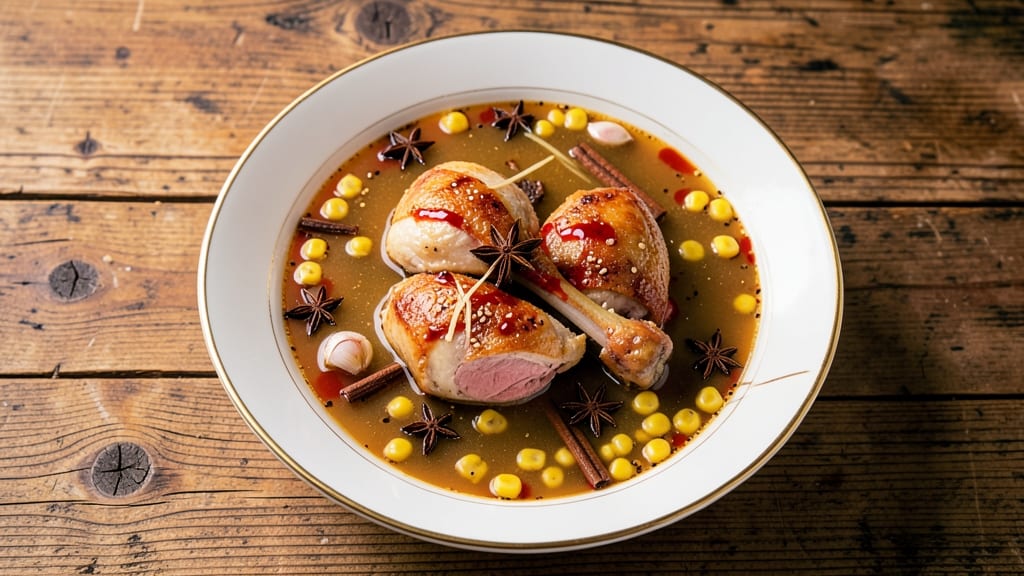
This authentic Chinese chicken and corn soup delivers the comforting warmth of a home-cooked meal with restaurant-quality depth. The secret lies in a slow-simmered broth infused with star anise, ginger, and garlic—layering aromatic complexity that transforms simple ingredients into something extraordinary.
Every spoonful balances umami richness with the natural sweetness of corn and tender chicken, creating a harmony that feels both nostalgic and refined.
The recipe begins with a fragrant broth where whole spices like star anise and cinnamon dissolve into the liquid, releasing their essence gradually. Chicken thighs—richer in flavor than breasts—simmer until fork-tender, while corn kernels transform into delicate ribbons when cooked just right.
This isn’t just a soup; it’s a multi-textured experience where each ingredient plays its part without overpowering the others.
What sets this apart is the attention to traditional techniques, like using a light touch when adding soy sauce to preserve the broth’s natural depth. The result is a soup that’s deeply satisfying yet never heavy, with a silky texture that coats your tongue.
The star anise-infused broth lingers long after the last bite, making it a dish worth savoring.
Perfect for chilly evenings or as a nourishing meal to share, this recipe delivers authenticity without compromise. The method is straightforward, but the flavors are anything but—proving that even simple ingredients can create something truly special when handled with care.
Ingredients for authentic chinese chicken and corn soup
Star anise, ginger, and shiitake mushrooms create the aromatic foundation for this restaurant-quality Chinese soup.
| Ingredient | Amount | Notes |
|---|---|---|
| Chicken Thighs, Bone-In 🍗 | 1 ½ lb | Skin-on for richer flavor |
| Fresh Corn Kernels 🌽 | 4 cups | Cut from cobs or frozen |
| Star Anise Pods 🌿 | 2 whole | Whole pods for infusion |
| Fresh Ginger Root 🧄 | 2 tbsp | Grated, aromatic quality |
| Garlic Cloves 🧄 | 6 cloves | Peeled, minced for depth |
| Cinnamon Sticks 🌿 | 1 whole | For subtle warmth |
| Dried Shiitake Mushrooms 🍄 | 4 whole | Rehydrated for umami |
| Light Soy Sauce 🥢 | 2 tbsp | High-quality, low-sodium |
| Sesame Oil 🫒 | 1 tbsp | Toasted, for aroma |
| Green Onions 🧅 | 4 whole | Sliced, for garnish |
| Chicken Broth 💧 | 6 cups | Homemade or quality store-bought |
| Sea Salt 🧂 | 1 ½ tsp | Diamond Crystal preferred |
| White Peppercorns 🌶️ | ½ tsp | Freshly ground |
The star anise and cinnamon sticks are non-negotiable for authentic flavor—Whole Foods or Asian markets carry the best quality. Look for plump, intact star anise pods with a rich, resinous aroma. Fresh ginger should be firm and fragrant; Penzeys bulk ginger is ideal for frequent use. Chicken thighs with skin and bone provide the deepest flavor—Costco or Trader Joe's often have excellent pre-cut options. For shiitake mushrooms, dried is best for umami depth; soak them in hot water for 20 minutes before using. The chicken broth should be rich but not salty—homemade is ideal, but Swanson Premium works in a pinch.
No star anise? Anise seeds at double the amount provide a similar anise note, though less complex. Substitute 1 tsp ground ginger for the fresh version, but toast it first for better flavor. Running out of shiitake? Cremini mushrooms work well**, though they lack the earthy depth. For soy sauce, Kikkoman Light is reliable, but Lee Kum Kee adds more authentic depth. The corn can be fresh, frozen, or canned—just drain it well. If you're using canned chicken broth, reduce it by half before adding to concentrate the flavor. The sesame oil should be toasted, not flavored—La Choy is a budget-friendly option.
This soup tastes even better the next day as flavors meld. Store in an airtight container in the fridge for up to 4 days. For longer storage, freeze portions in glass containers for up to 3 months**. Reheat gently on the stove, stirring occasionally. The star anise and cinnamon can be removed before serving, but leaving them in adds subtle aroma. Garnish with fresh green onions and a drizzle of sesame oil just before serving—this step elevates the presentation without overpowering the delicate flavors.
Why You'll Love This Recipe
- One-Pot Magic: I swear by this recipe because it’s actually one-pot—no chopping boards full of scraps, no extra pans. Just toss in the bone-in chicken thighs (they stay juicy, no dryness here), corn kernels, and those aromatic spices, then let the broth do its work. Honestly, the cleanup is so minimal I’ll often make it just to avoid dishes.
- Star Anise Secret: Between us, that star anise is the MVP. It gives this soup this deep, slightly sweet, licorice-like warmth that’s addictive—like a hug in a bowl. And the ginger? Crisp slices, not paste, so the bite lingers just right. (Yes, even on a Tuesday night.)
- Leftover Goldmine: This soup tastes better the next day—like, dangerously so. The chicken falls off the bone, the corn sweetens just enough, and the broth thickens into something rich. I’ll make a double batch on Sundays, freeze half, and thank my future self when I’m too tired to cook.
- Budget-Friendly Feast: Bone-in chicken thighs are cheaper than breasts, and you’re using the whole ingredient—no waste. Corn’s seasonal and affordable, and spices like star anise last forever. It’s the kind of meal that fills the house with warmth without emptying your wallet. (My daughter picks out the best corn kernels, but still asks for seconds.)
Step-by-step instructions for authentic Chinese chicken and corn soup
Mastering this soup requires precision in aromatics and technique to achieve the signature star-anise depth and silky corn texture.
Prepare the Chicken and Aromatics
Pat the 1.5 lb chicken thighs, bone-in dry with paper towels to remove excess moisture, then season generously with 1.5 tsp sea salt and 0.5 tsp freshly ground white peppercorns on both sides. This drying step is crucial—it ensures crispy skin and prevents a cloudy broth.
In a large pot, combine the chicken with 6 cups chicken broth, 2 whole star anise pods, 1 whole cinnamon stick, and 4 whole dried shiitake mushrooms. Bring to a gentle simmer over medium-high heat until the broth reaches 180°F—this activates the aromatic compounds. Skim any foam that rises to the surface during the first 5 minutes of cooking, as this ensures a clear, flavorful broth.
Infuse the Broth with Ginger and Garlic
While the chicken simmers, peel and mince the 6 cloves garlic and grate the 2 tbsp fresh ginger root. Once the broth reaches 180°F, reduce heat to low and add the ginger and garlic. Let them infuse for 10 minutes, stirring occasionally. The broth should develop a rich, golden hue and a complex aroma—this is your signal that the aromatics have fully integrated.
Here's where authenticity matters: the star anise and cinnamon should impart a subtle, earthy sweetness, while the ginger adds a bright, zesty note. If the broth smells too sharp, reduce heat slightly—overcooking the ginger can make it bitter.
Cook the Chicken to Perfection
Increase heat to medium-high and bring the broth to a rolling boil. Add the chicken back in and simmer uncovered for 30-35 minutes, turning the thighs occasionally, until the meat is fork-tender and the skin is crispy. The chicken is done when it reaches an internal temperature of 165°F at the thickest part of the thigh.
Remove the chicken from the pot and let it rest on a cutting board for 5 minutes. This resting period allows the juices to redistribute, ensuring moist, flavorful meat. While it rests, strain the broth through a fine-mesh sieve into a clean pot, pressing gently on the solids to extract maximum flavor. Discard the star anise, cinnamon stick, and shiitake mushrooms.
Create Silky Corn Ribbons
Return the strained broth to medium heat and stir in the 4 cups fresh corn kernels and 2 tbsp light soy sauce. Simmer gently for 8-10 minutes, stirring occasionally, until the corn is tender but still holds its shape—you want it to be al dente, with a slight bite. Overcooking will turn the corn mushy, which defeats the purpose of this dish.
Add the 1 tbsp sesame oil and stir for 30 seconds to infuse the broth with its nutty aroma. Taste and adjust seasoning with additional sea salt if needed. The soup should be balanced—sweet from the corn, savory from the soy sauce, and aromatic from the spices.
Finish and Serve
Shred the rested chicken thighs into bite-sized pieces, discarding the skin and bones. Return the chicken to the pot and simmer for 2-3 minutes to heat through. Slice the 4 whole green onions into ¼-inch pieces and stir them into the soup just before serving to preserve their fresh, bright flavor.
Ladle the soup into bowls, ensuring each serving has an even distribution of chicken, corn, and broth. The soup should be rich and fragrant, with the star anise and ginger notes lingering on the palate. Serve immediately with steamed jasmine rice to soak up the flavorful broth.
Pro Tips For Making Authentic Chinese Chicken And Corn Soup
- Brown the Chicken First: Skip the soft-boil shortcut—sear those bone-in thighs in a hot pot for 3-4 minutes per side until deep golden. I learned this the hard way: pale chicken means a soup that tastes like it’s missing half its soul. The Maillard reaction pulls all the rich, savory depth into the broth, especially when paired with the star anise and ginger you’re adding later.
- Peel and Slice Ginger Thin: Use a mandoline or sharp knife to slice the ginger into paper-thin sheets—no need to peel if it’s fresh. Thick chunks just sit there like stubborn guests, while thin slices dissolve into the broth, releasing their warmth gradually. My grandmother swore by this, and she was right: the soup’s aroma builds layer by layer.
- Add Corn Late: Toss the fresh corn kernels in at the very end, just when the chicken’s about to finish. Corn cooks faster than you think, and adding it early turns it into sad, mushy mush—like overcooked rice at a potluck. A 2-minute simmer is all it needs to soften while keeping its texture bright and sweet.
- Smash the Star Anise: Crack the star anise pods with the flat side of a knife before tossing them in—don’t just drop them whole. Sounds weird, but it works: the crushed seeds infuse the broth with a deeper, spicier anise note instead of just floating there like decorative garnish. I was skeptical until I tried it, and now I never go back.
Wine and beer pairings for authentic chinese chicken and corn soup
Light Chinese Whites
This soup’s delicate balance of star anise, ginger, and soy sauce pairs beautifully with crisp, dry whites. I reach for a Fujian Juhua (a fragrant Chinese white) or Pinot Grigio from Italy—both complement the dish’s aromatic spices without overpowering.
The acidity in these wines cuts through the richness of the chicken fat while enhancing the star anise’s subtle sweetness. 🍷
Dry Riesling Options
For a slightly bolder contrast, a dry Riesling (like Dr. Loosen Blue Slate) adds a mineral edge that mirrors the soup’s umami depth. The wine’s citrus notes harmonize with the ginger and corn, while its slight sweetness echoes the natural sugars in the broth.
Chill it to 45-50°F for the best experience—this temperature preserves the wine’s crispness.
Light Beer Pairings
If you prefer beer, a Chinese lager like Tsingtao or Snow Beer works surprisingly well. The light maltiness balances the soup’s savory-sweet profile, while the carbonation cleanses your palate between bites.
For a craft twist, try a Belgian witbier—its coriander and orange peel notes play off the star anise’s aniseed flavor. Serve the beer slightly chilled (40-45°F) to avoid muting its subtle complexity. 🍺
Non-Alcoholic Alternatives
For a refreshing non-alcoholic match, jasmine iced tea (brewed strong and chilled) highlights the soup’s floral and herbal notes. The tea’s natural sweetness complements the corn, while its light bitterness balances the soy sauce’s saltiness.
Alternatively, a ginger beer (like Feather Ginger Beer) adds a fizzy, spicy contrast that echoes the dish’s aromatic spices. 💧
Serving Temperature Tips
Wine and beer should be served at the right temperature to enhance the soup’s flavors. Whites and lagers thrive at 45-50°F, while Riesling and witbiers do best at 40-45°F.
Avoid serving beer too cold—below 38°F, the flavors become muted. For tea, chill it thoroughly but avoid ice—this dilutes the delicate aromas that make the pairing work so well.
Nutrition facts
Frequently asked questions
Can I substitute bone-in chicken thighs with boneless, skinless breasts?
While you can use boneless, skinless chicken breasts, the flavor and texture won't be as authentic. Chicken thighs with skin and bone develop richer, deeper flavor during simmering, while breasts can become dry. If using breasts, poach them separately for 12-15 minutes (until 165°F internal temp) and add them to the finished soup to prevent drying out.
What if I can't find star anise? What's the best substitute?
Use anise seeds at double the amount (4 tsp) as a substitute, but expect slightly less complexity. For a closer match, combine 1 tsp ground fennel seeds with ½ tsp ground coriander—this mimics the earthy-sweet profile. Remove the substitute after simmering to avoid bitterness in the final dish.
How do I prevent the corn from turning mushy?
Simmer the corn for only 8-10 minutes over low heat—never boiling. Use fresh or frozen corn (thawed) rather than canned, as canned corn releases more starch. For extra texture, add the corn only in the last 5 minutes of cooking and stir gently to maintain its shape.
Can I make this soup in an Instant Pot or pressure cooker?
Yes, but with adjustments: Sauté the aromatics (ginger, garlic, star anise, cinnamon) for 2 minutes first. Add chicken, broth, and shiitake mushrooms, then pressure cook for 12 minutes. Quick-release the pressure, then add corn and simmer for 3 minutes on sauté mode. The high heat can overcook the corn quickly, so monitor closely.
Why does my broth taste bitter? How can I fix it?
Bitterness usually comes from overcooking ginger or using too much soy sauce. Reduce heat when simmering ginger and remove it after 10 minutes. For soy sauce, start with 1 tbsp and add more gradually. If the broth is too bitter, strain it again and add ½ cup fresh chicken broth to dilute the flavor.