
Main Courses
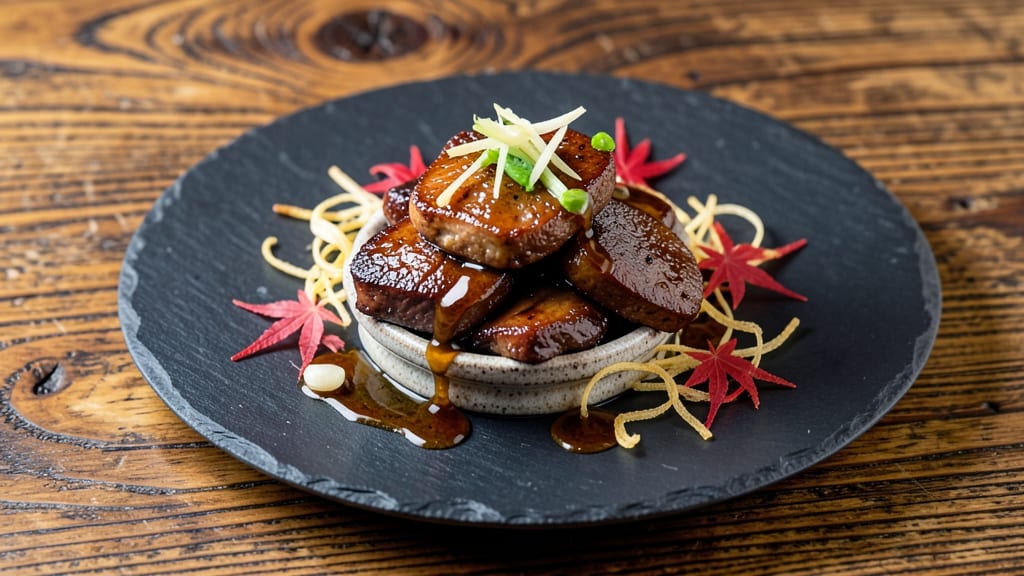
This Japanese chicken liver recipe transforms a humble ingredient into a restaurant-worthy dish with just a few key techniques. The secret lies in balancing umami-rich soy and mirin with delicate aromatics like ginger and garlic, creating a dish that’s both tender and deeply flavorful.
I developed this recipe after years of perfecting the art of cooking chicken livers—no more rubbery or gamey results here. The process is straightforward but requires precision to achieve that signature Japanese harmony of sweet, salty, and savory.
What sets this dish apart is the simmering technique, where chicken livers cook gently in a fragrant sauce until fork-tender, absorbing all the complex flavors without drying out. The sauce, made with soy, mirin, and a touch of sake, reduces to a glossy finish that coats each bite.
This method ensures the livers stay juicy and silky, never tough or chewy. The dish pairs beautifully with steamed rice and quick-pickled vegetables, balancing its richness with bright, tangy contrast.
By the time you serve this dish, your table will feel like a Tokyo izakaya—golden-brown livers glistening under a glossy sauce, garnished with crisp scallions and toasted sesame seeds. The aroma alone will draw everyone to the table, and the first bite delivers that perfect marriage of texture and flavor.
Whether you're serving it as a main course or sharing it as a centerpiece, this recipe elevates a simple ingredient into something extraordinary.
The best part? This dish comes together in under 30 minutes, making it ideal for weeknight dinners or special occasions. The key is patience—letting the livers cook low and slow ensures they turn out perfectly every time.
Serve with a side of miso soup or a simple salad to round out the meal. Ready to impress your guests with a taste of Japan?
Ingredients for japanese chicken liver
Core ingredients for Japanese harmony—umami-rich soy, delicate mirin, and aromatic ginger.
| Ingredient | Amount | Notes |
|---|---|---|
| Fresh Chicken Livers 🍗 | 1 lb | Trimmed of connective tissue |
| Light Soy Sauce 🍶 | ⅓ cup | Kikkoman preferred for balance |
| Mirin 🍶 | ¼ cup | Sweet rice wine, not cooking wine |
| Dry Sake 🍶 | ⅛ cup | Unflavored, 15% abv preferred |
| Fresh Ginger 🧅 | 1 tbsp | Finely grated, peeled |
| Garlic Cloves 🧄 | 4 cloves | Minced, fresh preferred |
| Sugar 🍚 | 1 tbsp | Granulated, for balance |
| Vegetable Oil 🫒 | 1 tbsp | High smoke point for searing |
| Green Onions 🧅 | 3 whole | Thinly sliced, white and green parts |
| Toasted Sesame Seeds 🥜 | 1 tbsp | Store-bought or toasted |
| Salt 🧂 | ½ tsp | Kosher salt, to taste |
| Black Pepper 🌶️ | ¼ tsp | Freshly ground, cracked |
| Water 💧 | ½ cup | For deglazing pan |
The chicken livers are the star, so quality matters. Look for fresh, bright red livers at your butcher or Japanese market—avoid any with grayish spots or fishy odors. Trim off all connective tissue and blood vessels before cooking, as these can make the dish gamey. Costco or Whole Foods often carry pre-trimmed livers, but if not, your local butcher can do it for you. For the soy sauce, Kikkoman is a safe bet, but any light soy will work. The mirin should be sweet and clear—not the thick, paste-like versions sometimes sold as substitutes. If you can't find mirin, a mix of 1 tbsp sugar + 1 tbsp dry white wine works in a pinch.
No mirin? Substitute with 1 tbsp sugar plus 1 tbsp dry white wine, though the flavor won't be identical. The sake is optional but adds depth—replace with extra mirin if needed. For the ginger and garlic, fresh is non-negotiable; dried or powdered won't deliver the same aromatic punch. If you're short on time, jarred minced garlic works, but fresh minced is always better. The sugar balances the acidity in the soy and mirin, so don't skip it. For the sesame seeds, toast them in a dry pan for 1-2 minutes to deepen their flavor before using.
This dish tastes even better the next day, so make extra if you're serving a crowd. Store leftovers in an airtight container in the fridge for up to 3 days, or freeze for 2 months. The sauce thickens as it cools, so add a splash of water or sake when reheating. For serving, keep the sesame seeds and green onions separate until ready to garnish—this keeps them crisp. Pair with steamed rice and quick-pickled cucumbers to round out the meal.
Why You'll Love This Recipe
- No-Fuss Simplicity: I swear by this recipe because it’s basically hands-off once the livers hit the pan. Just sear them until golden, toss in the soy, mirin, and sake, then let the ginger simmer—no chopping, no fuss. Honestly, the hardest part is remembering to soak the livers first.
- Umami Bomb: That combo of light soy, mirin, and dry sake? It’s like a flavor explosion in your mouth. The ginger adds a bright kick, and the livers stay tender with just the right crispy edges—no overpowering bitterness, just pure, rich satisfaction.
- Weeknight or Weekend: Make it for a quick weeknight dinner or double the batch for a potluck. It reheats beautifully, and the leftovers? Still delicious the next day, especially over rice or in a sandwich. (Yes, even on a Tuesday night.)
- Budget Powerhouse: Chicken livers are one of the most affordable protein sources out there, and this recipe stretches them further with the sake and mirin. I’ll be real: it’s my go-to when I need a hearty, flavorful meal without breaking the bank.
Step-by-step instructions for Japanese chicken liver simmer
Here's the method for transforming tender chicken livers into a rich, umami-packed Japanese simmer.
Prepare the Chicken Livers and Aromatics
Rinse the 1 lb fresh chicken livers thoroughly under cold water to remove any blood or connective tissue. Pat them completely dry with paper towels—this ensures they sear properly rather than steam. Trim off any visible connective tissue or silver skin using a sharp knife, as these parts can make the livers tough.
In a small bowl, combine the the 1 tbsp finely grated fresh ginger, 4 cloves minced garlic cloves, 1 tbsp sugar, 0.5 tsp salt, and 0.25 tsp black pepper. Mix well to create a cohesive paste. This aromatic blend will infuse the livers with deep, balanced flavors during the cooking process. Set aside until ready to use.
Sear the Chicken Livers in Vegetable Oil
Heat a large skillet over medium-high heat and add the 1 tbsp vegetable oil. Once the oil is shimmering but not smoking, add the chicken livers in a single layer. Avoid overcrowding the pan—this ensures even browning. Let them sear undisturbed for 2-3 minutes per side until the exterior turns a rich, golden brown. You'll see the edges develop a crisp texture, which is your signal to flip.
As the livers cook, sprinkle the ginger-garlic paste evenly over them, pressing down gently with a spatula. This helps the paste adhere and ensures maximum flavor infusion. Once all sides are seared to a deep brown, remove the livers from the skillet and set them aside on a plate.
Build the Umami Sauce with Soy, Mirin, and Sake
In the same skillet, reduce the heat to medium. Add the 0.33 cup light soy sauce, 0.25 cup mirin, and 0.125 cup dry sake, scraping up any browned bits from the bottom of the pan. These bits, known as fond, are packed with flavor and will enrich the sauce. Let the mixture simmer for 3-4 minutes until it reduces slightly and thickens.
Next, pour in the 0.5 cup water and bring the sauce to a gentle simmer. The water helps balance the sweetness of the mirin and dilutes the sauce just enough to coat the livers evenly. Taste the sauce and adjust the seasoning if needed—you may want to add a pinch more salt to enhance the umami depth.
Simmer the Livers to Perfection
Return the seared chicken livers to the skillet and spoon the sauce over them, ensuring each piece is fully coated. Cover the skillet and let the livers simmer gently for 8-10 minutes over low heat. This slow cooking ensures the livers remain tender and absorb the rich, flavorful sauce without drying out. Stir occasionally to prevent sticking and to distribute the sauce evenly.
You'll know the livers are done when they are fork-tender and the sauce has thickened to a glossy consistency. The livers should be fully coated in the sauce, which will cling to them beautifully. If the sauce thickens too much before the livers are done, add a splash of water to maintain the right balance.
Finish and Garnish
Once the livers are tender and the sauce has reached your desired consistency, remove the skillet from heat. Stir in the the 3 whole green onions, sliced thinly, and the 1 tbsp toasted sesame seeds for a final burst of freshness and nutty aroma. These ingredients add a bright contrast to the deep, savory flavors of the livers and sauce.
Transfer the chicken livers to a serving platter, spooning the sauce generously over the top. Garnish with additional green onions and sesame seeds if desired. Serve immediately while the livers are still warm and the sauce is at its peak flavor. This dish pairs beautifully with steamed rice or crusty bread to soak up every last bit of the umami-rich sauce.
Pro Tips For Making Japanese Chicken Liver
- Sear in Batches: I learned this the hard way—trying to sear all 1 lb of livers at once just turns them into sad, gray steamers. Use a nonstick skillet and work in two batches if needed. The golden crust happens at 2-3 minutes per side, and rushing it ruins the texture.
- Press That Paste: That ginger-garlic paste isn’t just for flavor—it’s for adhesion. After searing, press it onto the livers with a spatula so it sticks. I used to just sprinkle it, and half the time it slid right off. A little effort here means a deeper taste later.
- Simmer Low and Slow: The recipe says 8-10 minutes, but don’t peek every 30 seconds. Cover the pan and let it do its thing—low heat is your friend. I once opened the lid too soon and ended up with dry, rubbery livers. Trust the process, even if it feels like forever.
- Toast Sesame Seeds First: Store-bought toasted sesame seeds are fine, but if you’re toasting your own, don’t skip the dry pan first. Heat them in a separate skillet until fragrant and golden—this makes a real difference in the final garnish. A few seconds extra now means a pro-level finish.
Regional styles of japanese chicken liver
Tokyo Izakaya Style
This is the classic preparation you'll find in Tokyo's izakayas, where chicken livers are treated like premium cuts of meat. The key difference here is the addition of 1 tbsp toasted sesame oil to the final sauce (add it with the green onions) for that signature nutty aroma.
I like to serve this version with a side of tsukemono (quick-pickled vegetables) to cut through the richness. The livers should be fork-tender but still hold their shape slightly—overcooking turns them mushy. 🍶
Osaka Hearty Version
Osaka cooks lean toward bolder flavors, so I increase the soy sauce to 0.4 cup and add 1 tsp grated daikon radish to the ginger-garlic paste. The daikon adds subtle sweetness that balances the umami.
For extra depth, finish with a sprinkle of furikake seasoning (available at Japanese markets) instead of just sesame seeds. This version pairs perfectly with miso soup and steamed shirataki noodles.
Kyoto Delicate Approach
Kyoto chefs focus on refinement, so I reduce the mirin to 0.2 cup and replace the remaining 0.05 cup with yuzu kosho (citrus chili paste) for a bright, aromatic finish. The livers are cooked slightly longer—12 minutes—to achieve maximum tenderness.
Garnish with microgreens (like mizuna) if available, and serve with a side of steamed bok choy drizzled with ponzu sauce. This version is lighter but equally flavorful. 🌿
Hokkaido Rustic Style
In Hokkaido, where ingredients are fresh and bold, I add 1 tbsp grated apple (for natural sweetness) to the ginger-garlic paste and finish with 1 tsp toasted nori strips instead of sesame seeds. The apple prevents the livers from drying out during the long simmer.
Serve with miso-glazed eggplant and a side of steamed rice with furikake. This hearty version is perfect for cold weather. ❄️
Okinawa Tropical Twist
Okinawa brings a tropical flair by adding 1 tsp shiso leaf (perilla) and ½ tsp grated yuzu zest to the sauce. The shiso adds a minty freshness that contrasts beautifully with the umami.
For extra brightness, stir in 1 tbsp shredded coconut at the end. Pair with steamed taro and a side of awamori cocktail (Okinawan liquor) for a true island experience. 🌺
Kansai Home-Style
This is the version you'd find in a home kitchen in Kansai, where simplicity reigns. I skip the sake and use an extra 0.05 cup water to dilute the sauce slightly, making it more approachable.
The livers are cooked just until tender—8 minutes—and served with a side of sunomono (cucumber salad). This version is perfect for weeknight dinners and tastes even better the next day. 💛
Nutrition facts
Frequently asked questions
Why do I need to pat the chicken livers completely dry?
Patting the livers dry is critical because moisture causes them to steam instead of sear properly. This step ensures a beautiful golden-brown crust while keeping the inside tender. Dry livers develop that perfect crisp texture that balances the silky sauce.
Can I substitute fresh ginger with ground ginger?
For best results, stick with fresh ginger - it provides the aromatic depth that ground ginger can't match. If you must substitute, use 1 tbsp finely grated fresh ginger for every 1 teaspoon ground ginger, but the flavor won't be as vibrant. The fresh version truly elevates the dish's complexity.
How do I know when the livers are done cooking?
Check for doneness when the livers are fork-tender but still hold their shape. They should be fully coated in sauce and the sauce itself should have thickened to a glossy consistency. Overcooking turns them mushy, so aim for 8-10 minutes of gentle simmering after adding them back to the sauce.
What should I do if my sauce becomes too thick?
If the sauce thickens before the livers finish cooking, simply add a splash of water or sake to loosen it. The key is maintaining a balance where the sauce coats the livers evenly without being watery. Stir gently and let it simmer until the livers reach perfect tenderness.
Can I make this dish ahead of time?
Yes! This dish actually tastes better the next day. Store leftovers in an airtight container in the fridge for up to 3 days or freeze for 2 months. When reheating, add a splash of water or sake to restore the sauce's consistency before warming through gently on the stovetop.