
Main Courses
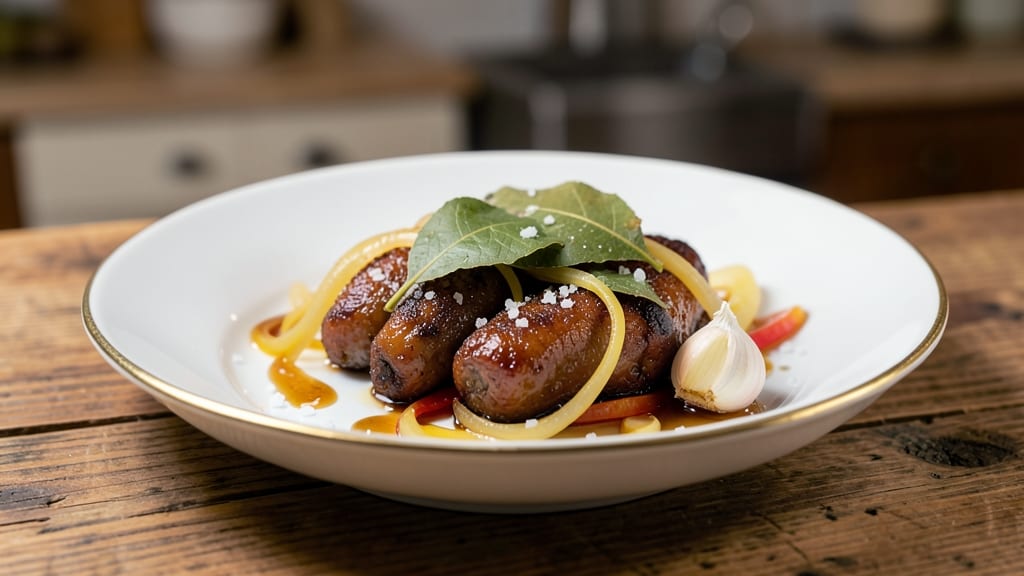
Boiled chicken gizzards might sound intimidating, but this savory simmer transforms tough bits into crispy-tender bites with simple technique. Growing up in small-town Georgia, I learned gizzards were a staple—when prepared right, they’re rich, flavorful, and worth the effort.
The key lies in proper cleaning, precise boiling time, and knowing when they’re perfectly done.
Start with fresh gizzards, cleaned thoroughly to remove any grit or membrane—this step ensures clean bites. Simmer them in well-seasoned broth or water with aromatics like onions, garlic, and bay leaves for 30-40 minutes until fork-tender.
The texture should be firm yet yielding, never rubbery. A little vinegar in the water helps tenderize while keeping the meat moist.
What you’ll end up with are gizzards that crisp beautifully when pan-fried after boiling, offering a satisfying contrast to their tender centers. Serve them with buttermilk biscuits or a sharp slaw to cut through their richness.
This method turns a humble offal into a restaurant-quality dish that’s surprisingly simple to master.
For extra flavor, add smoked paprika or a splash of hot sauce to the simmering liquid—just enough to enhance without overpowering. Leftovers reheat well, making this a great make-ahead option for family meals. Let’s get started on transforming these gizzards into something extraordinary.
Ingredients for boiled chicken gizzard
Fresh gizzards, aromatic vegetables, and careful simmering transform humble offal into crispy-tender bites.
| Ingredient | Amount | Notes |
|---|---|---|
| Fresh Chicken Gizzards 🍗 | 1 ½ lb | Cleaned, trimmed of membranes |
| Yellow Onions 🧅 | 1 whole | Quartered, skin on for flavor |
| Garlic Cloves 🧄 | 4 cloves | Smashed, not minced |
| Bay Leaves 🍃 | 2 whole | Fresh preferred, dried okay |
| White Vinegar 🍋 | ¼ cup | For tenderizing |
| Salt 🧂 | 1 ½ tbsp | Kosher or sea salt |
| Black Peppercorns 🌶️ | 1 tsp | Crushed, not ground |
| Smoked Paprika 🌶️ | 1 tsp | For depth of flavor |
| Water 💧 | 4 cups | Filtered preferred |
| Unsalted Butter 🧈 | 2 tbsp | For pan-frying post-boil |
| All-Purpose Flour 🌾 | ¼ cup | For dredging crispy crust |
| Hot Sauce 🌶️ | 1 tbsp | Optional, for serving |
| Fresh Parsley 🌿 | ¼ cup | Chopped, for garnish |
The gizzards are the foundation—freshness is non-negotiable. Source them from a trusted butcher or poultry counter where they’re cleaned and trimmed properly; any grit or membrane left behind ruins texture. Local farmers markets often have the best quality, but grocery store meat counters work too if you inspect for bright color and firmness. The yellow onion and garlic should be fresh, not dried out—look for crisp whites and vibrant aromas. Bay leaves add subtle earthiness, so fresh is preferred but dried works in a pinch at half the quantity. Store-bought broth isn’t necessary here; the aromatics and vinegar create a flavorful base without it.
No vinegar? Lemon juice at double the amount tenderizes similarly, though vinegar’s acidity cuts through fat better. Substitute smoked paprika with half the amount of regular paprika plus a pinch of cayenne for heat. If you’re avoiding flour for dredging, crushed cornflakes work too—they crisp beautifully. The butter for pan-frying must be unsalted to control seasoning; if you’re using salted, reduce the added salt by half. For extra richness, some cooks add a splash of chicken fat to the pan-fry butter.
Boiled gizzards keep 3-4 days in the fridge submerged in their broth—reheat gently in a skillet with a splash of water to maintain moisture. For longer storage, freeze them uncooked for up to 3 months or cooked for 2 months in airtight containers. When ready to serve, pan-fry from frozen—just add 2-3 extra minutes. The crispy crust is best served immediately, but the tender meat reheats well for sandwiches or salads. Garnish with fresh parsley just before serving to brighten the dish.
Why You'll Love This Recipe
- No Chop, No Stress: Honestly, this is one of those recipes where you do almost nothing. Just rinse the gizzards, trim off the membranes (don’t skip this—trust me), and toss them in a bowl with vinegar, salt, and spices. Then? Let them sit while you prep the rest. The magic happens in the fridge, not in the kitchen.
- Smoky, Savory Perfection: That smoked paprika and crushed peppercorns? They turn simple gizzards into something dangerously addictive. The vinegar tenderizes them just right, and the butter-fried crust gives you that perfect crunch. Serve it with a drizzle of hot sauce, and you’ve got a dish that’s bold enough to impress but easy enough for weeknights.
- Budget Meets Bold: For under $10, you’re getting a protein-packed meal that feels like a restaurant favorite. The gizzards are cheap, the spices are pantry staples, and the onions and garlic add flavor without breaking the bank. It’s the kind of recipe that makes you feel fancy without spending a fortune.
Step-by-step instructions for boiled chicken gizzards
A methodical approach ensures crispy-tender gizzards with rich, savory depth.
Prepare and Tenderize the Gizzards
Rinse the 1.5 lb fresh chicken gizzards thoroughly under cold water and pat completely dry with paper towels. This step removes any residual blood and prevents cloudy cooking water. Trim off any tough membranes or excess fat using a sharp knife—these can make the final texture rubbery.
In a large bowl, combine the gizzards with the 0.25 cup white vinegar, 1.5 tbsp salt, 1 tsp crushed black peppercorns, and 1 tsp smoked paprika. The vinegar acts as a natural tenderizer, breaking down connective tissue over time. Let the mixture marinate in the refrigerator for at least 2 hours (or up to 4 hours for maximum tenderness). This step guarantees a fork-tender bite while developing deep, smoky flavor.
Simmer for Maximum Tenderness
In a large, heavy-bottomed pot, combine the 4 cups water, 1 whole yellow onions (quartered with skin on), 4 smashed garlic cloves, and 2 whole bay leaves. Bring to a gentle boil over medium-high heat, then reduce to a low simmer. The water should barely bubble—vigorous boiling toughens the gizzards.
Add the marinated gizzards and any accumulated marinade to the pot. Partially submerge the lid to allow steam to escape. Simmer uncovered for 45-50 minutes, stirring occasionally, until the gizzards are fork-tender and the meat pulls away from the bone easily. The broth should reduce slightly, concentrating flavors. If the water boils too vigorously, reduce heat immediately—this is critical for texture.
Create the Crispy Crust
Drain the gizzards, reserving 1 cup of the cooking liquid. In a shallow bowl, combine the 0.25 cup all-purpose flour with an additional 1 tsp salt and 1 tsp smoked paprika. Dredge each gizzard thoroughly in the flour mixture, pressing gently to adhere an even coating. This creates the signature crispy exterior.
In a large skillet, melt the 2 tbsp unsalted butter over medium heat until foaming. Working in batches to avoid crowding, add the floured gizzards and cook for 2-3 minutes per side until deep golden brown and crispy. The butter should sizzle gently—if it smokes, reduce heat slightly. Transfer to a paper towel-lined plate to drain excess butter, which prevents sogginess.
Finish and Serve
Return the gizzards to the reserved cooking liquid in the pot and simmer gently for 5 minutes to reheat. This step ensures the crispy crust remains intact while the interior stays juicy. The reduced broth adds depth of flavor—don't skip this final infusion.
Garnish with 0.25 cup chopped fresh parsley and serve immediately with the 1 tbsp hot sauce on the side for those who prefer extra heat. The contrast between the crispy exterior and tender interior makes each bite satisfying. For best results, serve with crusty bread to soak up the flavorful cooking liquid.
Pro Tips For Making Boiled Chicken Gizzard
- Scald First, Then Boil: Don’t just toss the gizzards into simmering water—they’ll shrink like a sad balloon. Fill a pot with boiling water, add a splash of vinegar (just 1-2 tablespoons), then plop in the gizzards. This kills bacteria fast and keeps them from curling into uncooperative little balls.
- Salt the Vinegar: That vinegar isn’t just for flavor—it’s your secret weapon. Add 1 teaspoon of salt to the vinegar before mixing it into the water. The salt helps tenderize the gizzards while the vinegar keeps them from turning rubbery. Trust me, the taste difference is night and day.
- Don’t Crowd the Pot: I learned this the hard way—when I packed the gizzards too tightly, they steamed like a pressure cooker and ended up mushy. Leave space between them so the water circulates freely. If you’re worried about them floating away, use a small plate to weigh them down gently.
- Check at 15 Minutes: Gizzards cook faster than you’d think, but they’re also sneaky about doneness. After 15 minutes, use tongs to pull one out and pierce it with a knife—it should slide in like butter. If not, let them cook another 5-10 minutes. Overcooking turns them into tough, chewy disappointment.
Perfect pairings for this recipe
Crusty Bread Pairings
Nothing complements the rich, savory broth of boiled gizzards like a warm slice of buttermilk biscuits. Their tender crumb soaks up every last drop of the flavorful liquid, creating a perfect balance.
I swear by Pillsbury Golden Layer for this—just brush with melted butter and sprinkle with flaky sea salt before baking. The contrast of soft, flaky bread against the crispy gizzards is pure comfort food. 🍞
Sharp Slaw Contrast
A crunchy cabbage slaw cuts through the richness beautifully. Toss 4 cups shredded green cabbage and 1 carrot with 2 tbsp apple cider vinegar, 2 tbsp olive oil, 1 tbsp Dijon mustard, and 1 tsp honey.
The acidity and crunch refresh your palate between bites. I like adding a pinch of Penzeys spices like Everything But the Kitchen Sink for extra zing.
Fried Potatoes Side
For a Southern-inspired meal, serve with crispy shoestring fries or home fries cooked in 2 tbsp bacon fat until golden. The saltiness of the potatoes balances the gizzards' depth. I use a Lodge cast iron skillet for even crisping—it's one of my 47 prized pieces.
A sprinkle of smoked paprika on top adds a hint of smokiness that ties everything together. 🔥
Spicy Pickled Vegetables
Add a tangy kick with quick-pickled red onions or pickled jalapeños. Thinly slice 1 red onion, cover with 1 cup apple cider vinegar, 1 tbsp sugar, and 1 tsp salt, then let sit for 30 minutes.
The bright acidity cuts through the richness while adding a refreshing contrast. I keep these on hand in my vintage glass canning jars from my grandmother's kitchen.
Buttery Cornbread
For a Southern twist, serve with cornbread made with 1 cup cornmeal and 1 cup buttermilk. The slight sweetness and texture complement the savory gizzards perfectly. I like adding 1 tbsp honey and 1 tsp cinnamon to the batter for a subtle warmth.
The contrast of textures—crispy gizzards, soft cornbread—makes every bite satisfying. 🌽
Nutrition facts
Frequently asked questions
Why do the gizzards need to marinate in vinegar?
The 0.25 cup white vinegar in the marinade acts as a natural tenderizer, breaking down tough connective tissue while keeping the meat moist. This step ensures the gizzards become fork-tender and develop that perfect balance of savory depth. Skipping it can leave your gizzards chewy instead of tender!
How do I know when the gizzards are fully cooked?
They’re done when they’re fork-tender after 45-50 minutes of simmering, and the meat easily pulls away from the bone. Cut one open to check—the center should be opaque, not translucent, and the texture should yield gently under pressure. Overcooking makes them rubbery, so stay close to the timer!
Can I skip the flour dredging for a crispy crust?
Yes! If you’re avoiding flour, try dredging in crushed cornflakes instead—they create a crispy exterior just as well. Just press them on firmly so the coating sticks. The key is even coverage before pan-frying in 2 tbsp unsalted butter for that golden-brown finish.
What’s the best way to reheat leftover gizzards?
Gently warm them in a skillet with a splash of water or their reserved broth over medium-low heat to keep the crust crispy. Avoid microwaving—it turns the exterior soggy. If they’re frozen, pan-fry from cold but add 2-3 extra minutes to ensure even cooking.
Are there any substitutions for the smoked paprika?
For depth without the smokiness, use ½ tsp regular paprika + ¼ tsp cayenne to add heat. If you prefer no spice, just omit it—your gizzards will still be flavorful from the onions, garlic, and bay leaves. The key is balancing flavors, not relying on one ingredient.