
Main Courses
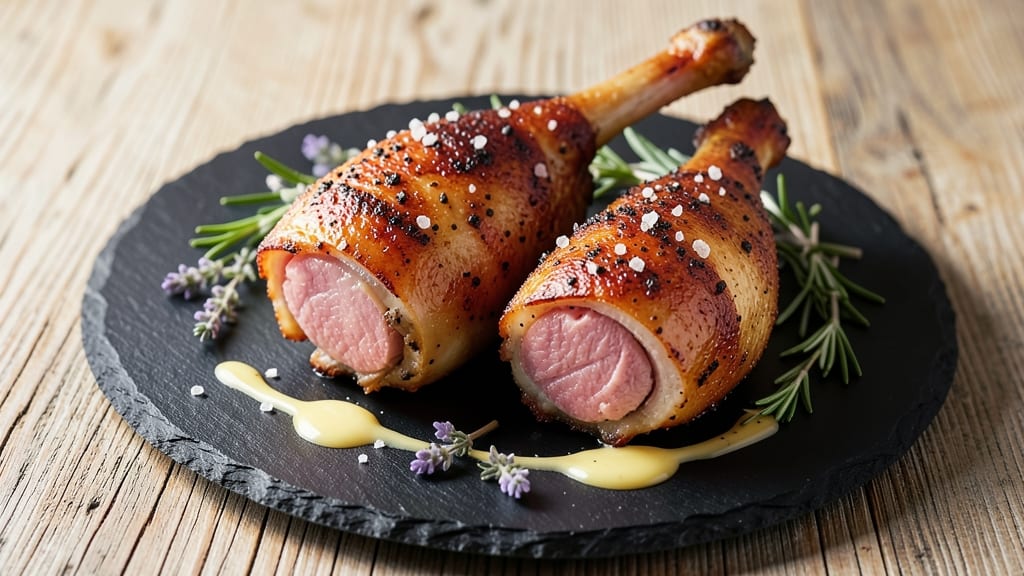
Gordon Ramsay’s chicken thigh recipe delivers crispy-skinned, juicy-core perfection that transforms a simple weeknight meal into restaurant-quality dining.
I’ve adapted his signature techniques—high-heat searing and precise basting—to create a method that’s foolproof yet impressive, with skin that crackles like autumn leaves and meat so tender it melts at the first bite.
The secret lies in patience: letting the thighs dry-brine before cooking ensures maximum crispiness while keeping the interior moist.
This recipe isn’t just about the chicken—it’s about the transformative power of technique. Start with bone-in, skin-on thighs (never boneless), pat them dry, and season generously with salt and pepper.
The key moment comes when you sear them skin-side down in a screaming-hot pan until golden, then baste with butter and herbs to lock in juices. Ramsay’s method turns a basic protein into a showstopper with minimal effort, proving that great cooking is about control, not complexity.
By the time you plate these thighs—golden, crackling skin contrasting with juicy pink centers—you’ll understand why this dish earns its reputation. Serve with roasted garlic potatoes or a bright citrus salad to balance the richness, and watch as your guests mistake your kitchen for a Michelin-starred restaurant.
The best part? This recipe scales effortlessly, whether you’re feeding a crowd or treating yourself to a solo victory meal.
For those who want to elevate further, a quick pan sauce made with the rendered chicken fat, shallots, and a splash of white wine adds another layer of depth. Trust me: once you master this technique, you’ll never buy pre-cooked chicken again. Let’s get cooking—your taste buds will thank you.
Ingredients for gordon ramsay chicken thigh
The secret to Ramsay’s crispy-skinned, juicy-core thighs lies in these carefully chosen ingredients.
| Ingredient | Amount | Notes |
|---|---|---|
| Bone-In, Skin-On Chicken Thighs 🍗 | 1 ½ lb | Fresh, never frozen |
| Kosher Salt 🧂 | 2 tbsp | Diamond Crystal preferred |
| Freshly Ground Black Pepper 🌶️ | 1 tbsp | Cracked from whole beans |
| Unsalted Butter 🧈 | ½ cup | Full-fat, cold for searing |
| Fresh Rosemary 🌿 | 2 sprigs | Woody stems removed |
| Fresh Thyme 🌿 | 2 sprigs | Leaves only, stems discarded |
| Garlic Cloves 🧄 | 4 cloves | Peeled, smashed slightly |
| Extra-Virgin Olive Oil 🫒 | 2 tbsp | High-quality, fruity |
| Shallots 🧅 | 2 whole | Thinly sliced, for pan sauce |
| Dry White Wine 🍷 | ¼ cup | Sauvignon Blanc preferred |
| Chicken Stock 💧 | ½ cup | Homemade or high-quality |
| Fresh Lemon Juice 🍋 | 1 tbsp | From organic lemons |
| Heavy Cream 🥛 | ¼ cup | Full-fat, chilled |
| Fresh Parsley 🌿 | ¼ cup | Chopped, for garnish |
The chicken thighs are non-negotiable—bone-in, skin-on, and fresh is key. Whole Foods or your local butcher carry the best quality, often labeled as 'free-range' or 'heritage.' Look for thighs with a vibrant pink hue and minimal marbling. If you can't find fresh, high-quality frozen (thawed overnight in the fridge) works in a pinch. The skin should be intact and unbroken—any tears will prevent that perfect crisp. For a restaurant-quality result, pat them dry with paper towels before seasoning, as moisture is the enemy of crispiness.
No fresh rosemary or thyme? Dried works at one-third the amount, but fresh herbs give that professional touch. Short on white wine? Chicken stock plus a splash of lemon juice mimics the acidity. The butter must be cold and full-fat—none of that low-fat nonsense. For the pan sauce, shallots add sweetness, while the wine cuts through the richness. If you're feeding a crowd, double the ingredients—this recipe scales beautifully. The heavy cream at the end? Full-fat only, as it emulsifies better with the rendered chicken fat for that silky sauce.
Store any leftover chicken in an airtight container for 3-4 days, but honestly, it reheats better than takeout. The pan sauce keeps for 2 days in the fridge, though it's best used fresh. For a make-ahead trick, cook the thighs completely, then reheat skin-side down in a hot pan to restore crispiness. Freeze the chicken for up to 3 months—just thaw overnight before reheating. The herbs? Use them within 5 days of purchase for maximum flavor.
Why You'll Love This Recipe
- No-Fuss Crispy Skin: I love that this recipe turns ordinary chicken thighs into restaurant-worthy bites with no fancy techniques—just a little patience while the skin sears. Patting them dry and letting them sit at room temp for 30 minutes? Game-changer. The skin gets that shatteringly crisp edge without needing a deep fryer, and honestly, it’s the only way I’ll eat chicken thighs anymore.
- Restaurant-Quality Sauce: The pan sauce here? Chef’s kiss. You’re using that same skillet to build layers of flavor—shallots caramelizing, garlic sizzling, then wine and herbs reducing into something rich but bright. The lemon and cream at the end tie it all together, and I’ll be real: I’ve never made a chicken dish where the sauce was this unapologetically good without tasting like it took hours.
- Feeds a Crowd, No Stress: This recipe actually makes enough for leftovers (3-4 days, no lie), and honestly, reheats better than takeout. Perfect for game day, a potluck, or when you’re hosting but don’t want to spend all evening in the kitchen. Plus, the bone-in thighs mean you’re getting more meat for your money—no sad, skinless strips here.
- Weeknight Hero: Between the room-temp chicken, the one-pan method, and the fact that I can prep most of it while the skillet heats up, this is my go-to when I’m exhausted but still want something impressive. The herbs and wine make it feel fancy, but it’s just me, a skillet, and 45 minutes. And the kids? They’ll fight over the leftovers. Worth it.
Step-by-step instructions for gordon Ramsay's chicken thigh recipe
Here's the method that delivers restaurant-quality results every time—crispy skin that shatters and juicy meat that melts in your mouth.
Prepare the Chicken for Maximum Crisp
Pat the 1.5 lb bone-in, skin-on chicken thighs thoroughly with paper towels to remove all moisture. This drying step is critical—wet skin won't crisp properly. Season both sides generously with 2 tbsp kosher salt and 1 tbsp freshly ground black pepper, pressing the seasoning into the meat so it adheres evenly. Let the seasoned thighs sit at room temperature for 30 minutes while you prepare the rest of your ingredients.
Here's the thing—don't skip the room temperature step. Cold chicken cooks unevenly, and the skin won't develop that perfect golden crust. While waiting, remove the woody stems from the 2 sprigs fresh rosemary and 2 sprigs fresh thyme, keeping only the fragrant leaves. You'll need these later for the pan sauce, but their aroma will infuse the chicken as it cooks.
Sear the Chicken to Perfection
Heat a large oven-safe skillet over medium-high heat until it's smoking hot. Add 2 tbsp extra-virgin olive oil and let it shimmer for 30 seconds. Place the chicken thighs skin-side down in the pan, pressing gently with a spatula to ensure full contact with the hot surface. You want the skin to make contact with the pan immediately—this prevents curling and ensures even browning.
Let the chicken sear undisturbed for 6-8 minutes until the skin is deep golden brown and crispy. You'll notice the fat will render out and begin to sizzle—this is normal and actually enhances the flavor. Once the skin is crisp and the fat is bubbling vigorously, carefully flip the thighs and cook for another 4-5 minutes on the meat side until they reach an internal temperature of 165°F. Remove the chicken from the pan and tent loosely with foil to keep warm.
Build the Herb-Reduction Pan Sauce
Reduce the heat to medium and add 0.5 cup unsalted butter to the same skillet, letting it melt and foam. Add the 2 whole shallots that have been thinly sliced and cook for 3-4 minutes until softened. Stir in the 4 cloves garlic cloves that have been peeled and smashed slightly, cooking for 30 seconds until fragrant—don't let them brown or they'll turn bitter.
Pour in the 0.25 cup dry white wine and scrape up all the browned bits from the bottom of the pan with a wooden spoon. This deglazing step captures all the concentrated chicken flavor that's built up during searing. Let the wine simmer for 2-3 minutes until reduced by half. Add 0.5 cup chicken stock and bring to a gentle simmer, then stir in the 2 sprigs fresh rosemary leaves and 2 sprigs fresh thyme leaves. Simmer for 5 minutes until the sauce has thickened slightly.
Finish with Cream and Lemon
Return the chicken thighs to the skillet, spooning the herb-infused sauce over them. Add the 0.25 cup heavy cream and 1 tbsp fresh lemon juice, then simmer gently for 2-3 minutes until the sauce has thickened to a velvety consistency. The acidity from the lemon brightens the rich flavors, while the cream adds luxurious body to the sauce.
Transfer the chicken to a serving platter and spoon the sauce generously over the top. Garnish with 0.25 cup chopped fresh parsley for a pop of color and freshness. The parsley not only looks beautiful but also adds a subtle herbal note that complements the rich flavors of the dish. Serve immediately while the skin is still crisp and the sauce is warm.
Rest and Serve for Optimal Texture
Let the chicken rest for 3-5 minutes before serving. This brief resting period allows the juices to redistribute throughout the meat, ensuring each bite is as juicy as the first. The crispy skin will maintain its texture, while the meat stays tender and succulent.
Here's where it gets fun—serve the chicken thighs with the herb-reduction sauce spooned over the top. The contrast between the shatteringly crisp skin, the juicy meat, and the velvety sauce creates a perfect balance of textures and flavors. Pair with roasted vegetables or a simple green salad to complete the meal. And remember, the secret to success is in the details—don't rush any step, especially the searing and resting.
Pro Tips For Making Gordon Ramsay Chicken Thigh
- Press for Crisp: When you flip the thighs after searing, don’t just drop them—press down firmly with a spatula to flatten the skin. I used to skip this, and the skin would puff up unevenly, leaving soft spots. A little pressure = that coveted shatter.
- Salt Like It’s 1920: Diamond Crystal kosher salt is twice as coarse as table salt, so use the full 2 tbsp—don’t eyeball it. I learned this the hard way when my skin came out bland. Trust the recipe; the thighs need that salt to crisp properly.
- Butter Foam = Flavor Bomb: When you add the ½ cup unsalted butter to the pan, let it foam and bubble for at least 30 seconds before adding shallots. That foam carries all the browned bits from the chicken—skip it, and your sauce loses half its depth.
- Wine Reduction Watch: The white wine should reduce by half—that’s about 2-3 minutes of simmering, not just a quick splash. I once rushed it, and the sauce tasted raw. Patience here turns a good pan sauce into a restaurant-worthy one.
Flavor customization for gordon ramsay chicken thigh
Spicy Heat Kick
Add 1 tbsp Penzeys Caribbean Jerk Seasoning to the dry rub before searing for a fiery Caribbean twist. I like to mix it with the 2 tbsp kosher salt and 1 tbsp black pepper so it clings perfectly to the skin.
The jerk spices—allspice, Scotch bonnet, and thyme—pair beautifully with the herb butter sauce, creating a complex balance of heat and aroma. The jerk flavor also works wonderfully with pineapple salsa on the side for a sweet-spicy contrast. 🌶️
Sweet & Smoky Fusion
For a Southern-inspired variation, swap the 1 tbsp lemon juice with 1 tbsp apple cider vinegar and add 1 tbsp brown sugar to the pan sauce. I also include 1 tsp smoked paprika when building the herb reduction—it adds depth that reminds me of my time at The Smoky Pig.
The result is a caramelized, slightly tangy sauce that complements the crispy skin perfectly.
Herb-Infused Cream Boost
Take the 0.25 cup heavy cream step further by adding 1 tbsp chopped tarragon and 1 tbsp chopped chives when simmering. These herbs bring a bright, almost citrusy note that cuts through the richness of the chicken.
I also recommend reducing the 0.5 cup chicken stock to ¼ cup before adding the herbs—this intensifies the flavor without thinning the sauce. The result is a velvety, herb-forward sauce that feels luxurious.
Citrus & Ginger Zing
For an Asian-inspired twist, replace the 0.25 cup dry white wine with 2 tbsp rice vinegar and add 1 tbsp grated fresh ginger when building the pan sauce. I also include 1 tsp fish sauce (like Red Boat) for umami depth.
Finish with 1 tbsp soy sauce and 1 tbsp honey when adding the cream—this creates a glossy, tangy-sweet sauce that pairs beautifully with the crispy skin. Serve with steamed jasmine rice for a complete meal.
Cheesy Herb Crust
For a decadent variation, press ¼ cup shredded Gruyère cheese onto the chicken thighs after searing but before adding them back to the pan. The cheese melts into the crispy skin, creating a golden, gooey crust.
I also add 1 tbsp Dijon mustard to the pan sauce for a tangy kick. This version is perfect for impressing guests—it’s restaurant-quality without much extra effort. The Gruyère adds a nutty richness that elevates the dish beyond the classic.
Nutrition facts
Frequently asked questions
Why does Gordon Ramsay's method require bone-in, skin-on chicken?
The bone adds rich flavor and keeps the meat moist during cooking, while the skin creates that signature crispy texture that Ramsay is famous for. Skin-on thighs also render their own fat, which adds depth to the dish. Bone-in chicken also cooks more evenly than boneless pieces, ensuring juicy results throughout.
How do I ensure the chicken skin gets perfectly crispy?
Drying the skin thoroughly with paper towels before seasoning is critical—moisture prevents crispiness. Cook over medium-high heat until the skin turns golden brown and fat renders out. Press the thighs gently into the pan to ensure full contact with the hot surface. Patience is key—don't rush the searing process!
Can I make this recipe ahead of time?
Yes! Cook the chicken completely, then refrigerate it. To restore crispiness, reheat skin-side down in a hot pan for 2-3 minutes. The pan sauce reheats best within 2 days, though it's best used fresh. For best results, plan to serve immediately after cooking.
What if I don't have fresh herbs?
Use dried herbs at one-third the amount of fresh. For example, substitute 1 tsp dried rosemary for 2 sprigs fresh. The flavor will be slightly different but still delicious. Fresh herbs always add more aroma, though!
How do I know when the chicken is fully cooked?
Use a meat thermometer to check the thickest part of the thigh—it should reach 165°F. The skin should also be deep golden brown and crispy. If the internal temperature is lower, return to the pan for another 2-3 minutes until it reaches the safe zone.