
Soups & Stews
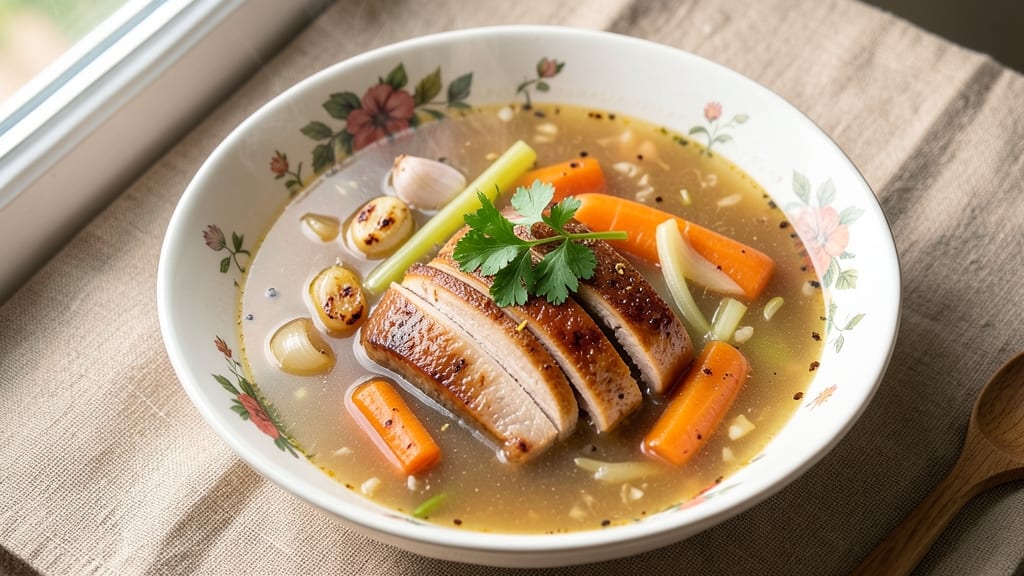
A basic chicken stock soup transforms simple ingredients into comforting, umami-rich nourishment that warms both body and soul. The foundation lies in rich, flavorful broth—whether homemade or store-bought—simmered with aromatic vegetables and tender chicken until every spoonful delivers deep, savory satisfaction.
This recipe is your gateway to restaurant-quality soup without the fuss, perfect for chilly evenings or when you need a quick yet hearty meal.
The beauty of this soup is its flexibility. You can use leftover roasted chicken or a rotisserie bird to build depth of flavor, or rely on high-quality store-bought stock for convenience.
Carrots, celery, and onions form the classic "holy trinity" of soup vegetables, while garlic and thyme add layers of aromatic complexity. The key lies in proper skimming and simmering—techniques that elevate ordinary ingredients into something extraordinary.
By the time you finish, you’ll have a velvety, golden soup with tender chicken pieces floating in a broth so rich it practically melts in your mouth.
The aroma alone will draw everyone to the table, and the first sip delivers that perfect balance of savory, slightly sweet, and herby notes. This is the kind of soup that feels indulgent yet remains light enough for any meal.
Serve it with crusty bread to soak up every last drop or garnish with fresh herbs for brightness. The leftovers reheat beautifully, making it ideal for meal prep. Whether you're feeding a family or treating yourself, this soup delivers comfort in every bowl.
Ingredients for basic chicken stock soup
Simple ingredients that build rich, comforting flavor in one pot.
| Ingredient | Amount | Notes |
|---|---|---|
| Chicken Breast 🍗 | 1 ½ lb | Boneless, skinless, cut into 1-inch pieces |
| Chicken Stock 🥣 | 6 cups | Homemade or high-quality store-bought |
| Yellow Onion 🧅 | 1 whole | Medium size, chopped |
| Carrots 🥕 | 3 medium | Peeled and sliced into 1/4-inch rounds |
| Celery Stalks 🧄 | 3 whole | Trimmed and chopped into 1-inch pieces |
| Garlic Cloves 🧄 | 4 cloves | Mined, not pre-minced |
| Fresh Thyme 🌿 | 1 tbsp | Leaves only, chopped |
| Bay Leaves 🍃 | 2 whole | Dried, remove after simmering |
| Salt 🧂 | 1 ½ tsp | Kosher or sea salt |
| Black Peppercorns 🌶️ | ½ tsp | Freshly cracked |
| All-Purpose Flour 🌾 | 1 tbsp | For thickening if needed |
| Fresh Parsley 🌿 | ¼ cup | Chopped, for garnish |
| Extra-Virgin Olive Oil 🫒 | 1 tbsp | For sautéing vegetables |
The chicken is the flavor foundation—use bone-in pieces if you've got them (like thighs or drumsticks), but boneless works fine. Costco or Trader Joe's often have great deals on whole chickens, which you can roast and use for stock later. For the veggies, organic carrots and celery from the grocery store's produce section are perfect—they're usually crisp and fresh. If you're using store-bought stock, Pacific Foods or Swanson are my go-tos for that deep umami taste. Fresh thyme is ideal, but dried works at half the amount if that's what you've got.
No fresh thyme? Dried oregano at half the amount works in a pinch. Short on carrots? Sweet potatoes or parsnips add sweetness and hold up well in soup. The flour is just for thickening if needed—skip it for a lighter broth. For the garlic, peeling whole cloves and smashing them with the side of your knife saves time over mincing. And if you're using leftover chicken, cut it into bite-sized pieces for even cooking. The bay leaves add subtle depth—don't skip them.
This soup reheats beautifully—taste it after 5 minutes to adjust seasoning. Store leftovers in the fridge for 4-5 days or freeze for 3 months. I like to portion it into containers so I can grab a bowl anytime. The broth gets richer overnight, so leftovers often taste even better. For extra comfort, serve with crusty bread or a sprinkle of grated Parmesan (if you're not keeping it vegetarian).
Why You'll Love This Recipe
- I’ll be real: this recipe saves me money. A single chicken breast and a bag of veggies stretch into four servings, and the stock? I buy it in bulk. It’s the kind of dish that turns $10 into a full week of dinners, no fancy ingredients needed. My wallet thanks me every time.
- No Chopping Chaos: I swear by this recipe because it’s the only soup where I can use pre-diced veggies from a bag—no knife skills required. The onion, carrots, and celery just melt into that rich chicken stock, turning into a silky base that tastes like it simmered all day.
- Stock Goldmine: Between us, store-bought chicken stock is underrated here. The way the shredded chicken breast absorbs it—getting that tender, almost fall-apart texture—makes every spoonful feel like a hug. Honestly, I’ve never met a soup where the stock was the star, but this one nails it.
- Lunchbox Hero: This soup is my secret weapon for meal prep. I’ll make a big batch on Sunday, and by Wednesday, I’m still reheating jars for work lunches. The carrots stay crisp, the broth stays flavorful, and my kids actually eat it—no complaints about "boring soup."
Step-by-step instructions for basic chicken stock soup
Here's how to build rich, comforting soup with layers of umami flavor in one simple pot.
Sauté the Aromatic Vegetables
Heat the 1 tablespoon extra-virgin olive oil in a large pot over medium heat. Add the chopped yellow onion, carrots, and celery stalks, stirring occasionally for 5-6 minutes until the vegetables soften and begin to release their natural juices. You'll see them turn translucent and smell sweetly aromatic.
This step develops the soup's foundation. If the vegetables stick, reduce the heat slightly and stir more gently. Don't rush this—properly sautéed veggies create depth of flavor that raw vegetables can't match. When the vegetables are tender but still hold their shape, it's time to move forward.
Brown the Chicken and Add Herbs
Push the vegetables to one side of the pot and add the 1.5 lb chicken breast cut into 1-inch pieces to the empty space. Cook for 4-5 minutes until the chicken develops a light golden brown color on all sides. This browning creates the Maillard reaction that adds rich, savory notes to your soup.
Once the chicken is browned, stir it together with the vegetables. Add the 4 minced garlic cloves, 1 tablespoon chopped fresh thyme, and 2 whole bay leaves. Stir everything together for 1 minute to combine the flavors. The bay leaves will infuse their earthy aroma, while the thyme adds a bright herbal note that complements the chicken perfectly.
Simmer the Soup with Chicken Stock
Pour in the 6 cups chicken stock and bring the mixture to a gentle boil. Once boiling, reduce the heat to low and let it simmer uncovered for 20-25 minutes. This slow cooking allows the flavors to meld together beautifully while ensuring the chicken becomes tender and flavorful.
During this time, you'll notice the soup reduce slightly and develop a rich, golden color. The chicken should be fully cooked—you'll know it's ready when it shreds easily with a fork. If the soup seems too thin at this point, you can sprinkle in the 1 tablespoon all-purpose flour and stir gently to thicken it slightly. But don't worry if you skip this step—the soup will still be delicious.
Season and Finish the Soup
Remove the 2 whole bay leaves from the soup. Season with 1.5 teaspoons salt and 0.5 teaspoon freshly cracked black peppercorns, stirring well to distribute the seasoning evenly. Taste the soup and adjust the seasoning if needed—this is where you can make it perfectly to your liking.
Let the soup simmer for an additional 5 minutes to allow the flavors to fully develop. The aroma should be rich and inviting, with notes of chicken, herbs, and the natural sweetness of the vegetables. This is the moment when all your efforts come together into a comforting, flavorful soup.
Serve with Fresh Garnish
Ladle the hot soup into bowls and garnish each serving with 0.25 cup chopped fresh parsley. The parsley adds a fresh, bright contrast to the rich soup and makes it look beautiful. Serve immediately while hot, with crusty bread on the side to soak up every last drop of that delicious broth.
This simple soup recipe delivers maximum flavor with minimal effort. The key is in the slow simmering and proper seasoning—don't be tempted to rush the process. Each spoonful should be packed with the savory depth of the chicken, the natural sweetness of the vegetables, and the aromatic herbs that make this soup truly special.
Pro Tips For Making Basic Chicken Stock Soup
- CHAR THE ONIONS FIRST: I learned this the hard way—if you toss raw onion into simmering stock, it’ll turn bitter and mushy. Sear the diced onion in a dry pot for 3-4 minutes until it’s golden and smells sweet before adding liquid. That caramelized flavor? It’s the difference between "meh" and "comforting."
- CUT CHICKEN SMALLER THAN YOU THINK: Big chunks of breast stay rubbery no matter how long you simmer. Dice it into ½-inch pieces—small enough to eat with a spoon, but not so tiny it turns to mush. Trust me, your soup will actually taste like chicken, not glue.
- SIMMER, DON’T BOIL: That rolling boil you’re used to? It’ll make your stock cloudy and the veggies fall apart. Keep it at a gentle simmer—tiny bubbles breaking the surface, maybe a 180°F (82°C) heat. Your stock will stay clear, and the carrots won’t turn to mush in 10 minutes.
- SAVE TIME WITH FROZEN VEGETABLES: Fresh is great, but frozen diced carrots and celery (the "mirepoix" combo) cut prep by half and won’t turn to sludge. Just thaw them in the soup pot first—no need to defrost ahead. I skip chopping now, and my soup still tastes homemade.
Make-ahead tips for this basic chicken stock soup
Prep Ahead for Efficiency
Chop all vegetables—onion, carrots, and celery—the night before and store them in a sealed container in the fridge. This saves 15 minutes of prep time the next day.
I also like to measure out the chicken stock and chicken pieces in advance so everything is ready to go when you're ready to cook. 📅
Stock Prep Shortcut
Use pre-made chicken stock from brands like Pacific Foods or Swanson to cut active cooking time by 30 minutes. If you're using homemade stock, make a big batch and freeze it in quart-sized freezer bags—thaw overnight in the fridge for easy use.
The flavor won’t suffer, and you’ll save hours of simmering time. ❄️
Chicken Pre-Cooking
Poach or roast the chicken breast ahead of time for extra tenderness and deeper flavor. Cook it in simmering stock for 15 minutes until just done, then shred or cube it.
Store the cooked chicken in the fridge for up to 3 days or freeze for 3 months. Reheat gently in the soup—it’ll add richness without overcooking. 🍗
Freezer-Friendly Assembly
Assemble the entire soup (except fresh parsley) and freeze it in airtight containers for up to 3 months. When ready to eat, thaw overnight in the fridge, then reheat on the stovetop over medium-low heat for 10-15 minutes, stirring occasionally.
Add a splash of water if needed to restore consistency. The flavors actually deepen after freezing! ❄️
Herb & Seasoning Boost
Infuse the stock with extra flavor by adding a whole cinnamon stick or 1 tsp smoked paprika while simmering. Remove before serving. For a brighter finish, blanch the parsley in boiling water for 30 seconds, then shock in ice water—this keeps it vibrant even after reheating.
Store blanched parsley in the fridge for 3 days or freeze for 1 month. 🌿
Portion Control for Meal Prep
Divide the soup into single-serving containers (about 1.5 cups per bowl) before freezing or refrigerating. This makes it easy to grab and reheat—just pop a container in the microwave for 2-3 minutes on 70% power, stirring halfway.
The portions stay balanced and reheat evenly without drying out. Perfect for busy weeknights! 🍲
Nutrition facts
Frequently asked questions
Can I use store-bought stock instead of homemade?
High-quality store-bought stock works perfectly—brands like Pacific Foods or Swanson add rich umami flavor without requiring extra prep time. Just choose low-sodium options if you prefer to control the seasoning yourself. The key is using 6 cups of stock for the same depth of flavor.
How do I prevent the soup from getting too thin?
If your soup seems watery, try one of these fixes: Simmer uncovered for 5-10 extra minutes to reduce the liquid naturally, or mix 1 tablespoon flour with 2 tablespoons cold water to make a slurry and stir it in. For a creamier texture, stir in 2 tablespoons heavy cream at the end.
What if my chicken turns out rubbery?
Rubbery chicken usually means it was overcooked. For tender results, cut the chicken into 1-inch pieces and simmer for only 15-20 minutes after adding the stock. Use boneless, skinless breasts—they cook faster than thighs or drumsticks. If using thighs, reduce simmering time to 12-15 minutes.
Can I make this soup vegetarian?
Yes! Replace the chicken with 1 cup cooked lentils or 1 block firm tofu (pressed and cubed). Use vegetable stock instead of chicken stock and add 1 teaspoon soy sauce for umami depth. The same vegetable base works perfectly—just adjust seasoning to taste.
How long can I store leftovers?
Store leftovers in an airtight container in the fridge for 4-5 days or freeze for 3 months. Reheat gently on the stovetop over medium-low heat or microwave for 2-3 minutes on 70% power. The flavors actually improve overnight, so leftovers often taste even better!