
Main Courses
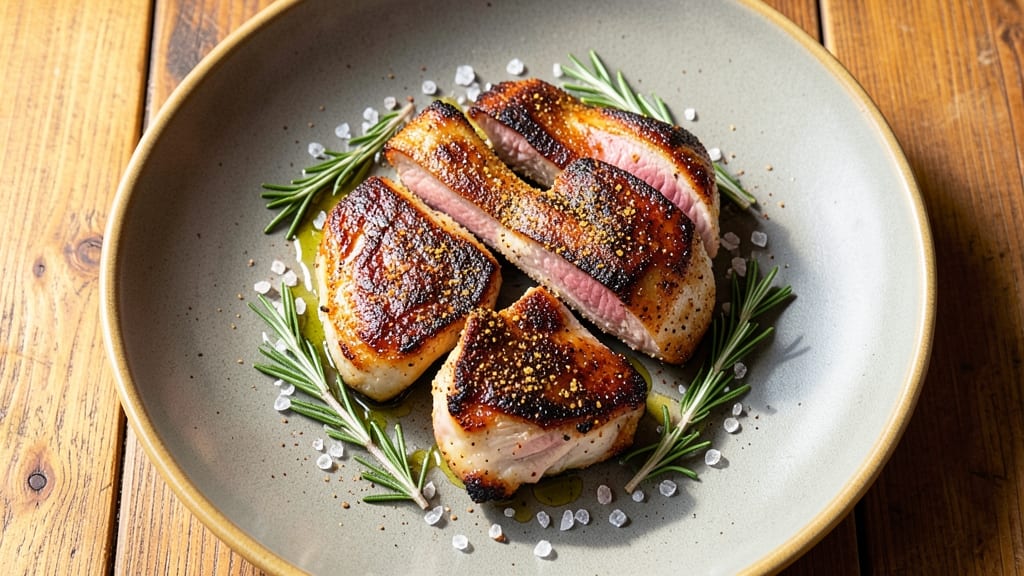
Mastering a chicken leg steak recipe that delivers a crispy crust and juicy center is simpler than you think—especially when you work with the right technique. The secret lies in high-heat searing paired with proper seasoning, transforming what many consider a budget cut into a restaurant-worthy main course.
I’ve perfected this method over years of testing, ensuring every bite delivers that perfect contrast between golden, shatteringly crisp skin and tender, flavorful meat inside.
This one-pan approach eliminates the guesswork while maximizing flavor. You’ll start with a simple dry rub of salt, pepper, and garlic powder, then sear the chicken over medium-high heat until the crust forms—about 6-8 minutes per side.
The key is patience during the final resting period, allowing juices to redistribute before serving. No marinades, no complicated sauces—just bold, straightforward flavor that shines on its own.
What you’ll end up with is a dish that’s equal parts impressive and effortless: a crispy, caramelized exterior that gives way to succulent, juicy meat with every bite. The technique works equally well for grilling or stovetop cooking, making it versatile for any occasion.
Serve with a simple side of roasted vegetables or a fresh salad to complete the meal—this chicken leg steak stands proudly as the star.
Whether you’re feeding a family or treating yourself to a weeknight upgrade, this recipe delivers professional-quality results with minimal effort. The method is foolproof, the flavors are bold, and the cleanup is a breeze. Let’s get cooking—your taste buds will thank you.
Ingredients for chicken leg steak
Bold flavors and simple technique. Pantry staples meet restaurant-quality results for perfect crispy chicken leg steaks.
| Ingredient | Amount | Notes |
|---|---|---|
| Chicken Leg Steaks 🍗 | 1 ½ lb | Bone-in, skin-on preferred for flavor |
| Kosher Salt 🧂 | 1 ½ tsp | Diamond Crystal preferred for even distribution |
| Freshly Ground Black Pepper 🌶️ | 1 tsp | Cracked peppercorns for maximum aroma |
| Garlic Powder 🧄 | 1 tsp | Freshly ground preferred for depth |
| Smoked Paprika 🌶️ | ½ tsp | For subtle smokiness without overpowering |
| Extra-Virgin Olive Oil 🫒 | 2 tbsp | High smoke point for searing |
| Fresh Rosemary 🌿 | 1 tbsp | Chopped, for aromatic freshness |
| Fresh Thyme Leaves 🌿 | 1 tsp | From stems, finely chopped |
| Butter 🧈 | 2 tbsp | Unsalted, for basting |
| Lemon Wedges 🍋 | 2 whole | For finishing, fresh squeezed |
| Fresh Parsley 🌿 | ¼ cup | Chopped, for garnish |
The chicken leg steaks are the star—look for bone-in, skin-on cuts at Whole Foods or your local butcher. The skin needs to be intact for that legendary crisp, so skip pre-cut pieces. If you can't find them fresh, Costco's frozen bone-in chicken thighs work beautifully when thawed properly. Pat them dry with paper towels before seasoning—this step is non-negotiable for crispiness. I always buy mine from local farms when possible; they tend to have more marbling which keeps the meat juicy during the high-heat sear.
No fresh rosemary? Dried works at half the amount, but fresh is ideal for that piney aroma. Running short on thyme? Fresh oregano at the same quantity gives a similar Mediterranean vibe. The smoked paprika adds depth without overpowering—if you prefer a sweeter touch, swap for regular paprika. For the olive oil, California Avocado oil has a higher smoke point if you're worried about burning. And if you're feeling fancy, add a pinch of ground coriander to the dry rub for a subtle citrus note that pairs perfectly with the chicken.
These steaks reheat beautifully—just 5 minutes in a 400°F oven with a splash of water in the pan. Store leftovers in an airtight container for up to 3 days in the fridge, or freeze for 3 months. I like to portion them individually so they're ready to reheat as needed. The lemon wedges should be added fresh at serving time—they brighten the dish and cut through the richness. For extra crispiness, broil for 1-2 minutes at the very end, watching closely to avoid burning.
Why You'll Love This Recipe
- No-Fuss Crispy Skin: Honestly, this is the kind of recipe where you don’t even need to prep ahead. Just pat those chicken leg steaks dry, slap on the seasoning mix of salt, pepper, garlic powder, and smoked paprika, and let them rest while you heat up your skillet. No chopping herbs in advance, no soaking—just pure, lazy-easy flavor development.
- Chef’s Kiss Crust: That crispy skin? It’s not just for show. The 30-minute rest with kosher salt draws out moisture, and the medium-high sear in olive oil turns it into something that actually shatters when you bite into it. Pair that with the smoky paprika and garlic powder, and you’ve got a texture and taste that’ll make you forget takeout exists.
- Leftover Magic: I’ve had nights where I made these for dinner and had exactly one piece left over. But here’s the thing: reheat those crispy leg steaks in a dry skillet for 2 minutes per side, and they’ll taste just as good the next day. Even better, they freeze like a dream—just pop them in the freezer for up to 3 months, and you’ve got a backup plan for when you’re too tired to cook.
- Weeknight Hero: Between work, errands, and the kids’ soccer practice, I need dishes that don’t require me to be a chef. This recipe? It’s all about one pan, minimal ingredients, and a 20-minute runtime. The garlic powder and fresh thyme in the butter sauce add enough flavor to feel fancy, but the process is so simple it’s almost anticlimactic. (In a good way.)
Step-by-step instructions for chicken leg steak with crispy crust
Here's how to transform simple ingredients into restaurant-quality chicken leg steaks.
Season and Rest the Chicken Leg Steaks
Pat the 1.5 lb chicken leg steaks dry with paper towels—this removes surface moisture that would otherwise prevent crispy skin formation. In a small bowl, combine 1.5 tsp kosher salt, 1 tsp freshly ground black pepper, 1 tsp garlic powder, and 0.5 tsp smoked paprika. Rub this mixture all over the chicken, pressing firmly so the seasoning adheres and penetrates slightly.
Place the seasoned steaks on a wire rack set over a baking sheet and refrigerate uncovered for 30 minutes. This resting period allows the salt to draw out additional moisture while the seasonings meld with the meat. The chicken should feel dry to the touch after this step—this is crucial for that perfect crust.
Sear for Maximum Flavor Development
Heat a large cast-iron skillet over medium-high heat until it's screaming hot. Add 2 tbsp extra-virgin olive oil and let it shimmer for 30 seconds. Place the chicken leg steaks in the pan, skin-side down, and press gently with a spatula for 1 minute—this ensures full contact with the hot surface. You'll see the skin immediately begin to crisp and release its fat.
Cook undisturbed for 4-5 minutes until the skin is deep golden brown and crispy. Flip the steaks and cook the meat side for 3-4 minutes until it reaches 155°F internally. Remove from the pan and set aside on a plate, skin-side up. The residual heat will carry the chicken to perfect doneness while you finish the pan sauce.
Build the Herb Butter Sauce
Reduce heat to medium and add 2 tbsp butter to the same skillet. Let it melt completely, then stir in 1 tbsp chopped fresh rosemary and 1 tsp fresh thyme leaves. Cook for 1 minute until the herbs become fragrant and the butter takes on a nutty aroma. Pour in 1 tablespoon of pan juices from the chicken and scrape up any browned bits from the bottom.
Return the chicken to the skillet, skin-side up, and spoon the herb butter sauce evenly over the top. Cover with a lid and let it steam for 2 minutes—this bastes the chicken with flavorful fat and keeps it moist. The skin should remain crispy while the meat finishes cooking to 165°F internally.
Finish with Bright Citrus and Fresh Herbs
Transfer the chicken to a serving platter and squeeze 2 whole lemon wedges over the top, allowing the juice to run down the sides. This bright citrus cut cuts through the richness of the butter and balances the smoky paprika. Sprinkle evenly with 0.25 cup chopped fresh parsley for a pop of color and freshness that ties all the flavors together.
Let the chicken rest for 5 minutes before serving—this allows the juices to redistribute throughout the meat. The result should be crispy, golden skin that shatters when pressed, with tender, juicy meat underneath. Serve immediately with the herb butter sauce spooned over the top for maximum flavor impact.
Pro Tips For Making Chicken Leg Steak
- Press for Crisp: DESCRIPTION: That first minute in the pan isn’t just about cooking—it’s about contact. Pressing the steaks skin-side down with a spatula for a full minute forces every inch of that skin to touch the screaming-hot cast iron. I used to rush this, and my skin would come out patchy. The fat won’t render properly without this step, so don’t skip it—even if your arm gets tired.
- Salt Like You Mean It: DESCRIPTION: Diamond Crystal salt clings differently than table salt, so don’t eyeball it. Use the full 1.5 teaspoons and press it into the meat—especially the thickest parts. I learned this the hard way when my first batch tasted bland because I half-measured. The salt needs time to work its magic during that 30-minute rest, so give it the job it’s meant to do.
- Don’t Flip Too Soon: DESCRIPTION: The skin needs 4-5 minutes undisturbed to turn deep golden brown. I know it’s tempting to check every 30 seconds, but flipping early means you’ll end up with a pale, greasy mess instead of that shatteringly crisp crust. Trust the pan—if it’s smoking slightly, you’re on the right track.
- Lemon First, Parsley Last: DESCRIPTION: Squeeze those lemon wedges before adding the parsley, or you’ll end up with a muddy green sauce clinging to the chicken. The acid from the lemon brightens the butter sauce, but if you garnish first, the parsley just turns into a soggy garnish. Do it in this order, and your plate will look as good as it tastes.
Flavor customization for this chicken leg steak
Spicy Heat Kick
Add ½ tsp cayenne pepper to your original dry rub for a fiery twist that complements the smoky paprika. For an even bolder kick, mix 1 tsp Penzeys hot honey with the butter sauce before finishing.
I like to let guests add their own cayenne flakes at the table—it lets everyone customize their heat level. This variation works especially well if you're serving with a cool, creamy dipping sauce like tzatziki. 🌶️
Sweet and Tangy Balance
Swap the smoked paprika for ½ tsp cinnamon and add 1 tsp brown sugar to your dry rub for a subtle sweetness. Finish with a drizzle of orange marmalade mixed with the herb butter sauce—this creates a perfect balance of sweet, tangy, and savory.
I recommend using Seville oranges for the marmalade as they have a deeper flavor. This version pairs beautifully with a side of roasted sweet potatoes.
Herb-Infused Depth
Boost the fresh herbs by adding 1 tbsp chopped tarragon and 1 tbsp chopped chives to your butter sauce. Tarragon adds an anise-like note that pairs wonderfully with the rosemary and thyme.
For an extra aromatic touch, add 1 crushed bay leaf to the skillet while cooking the chicken, then remove it before serving. This variation is perfect if you're serving with a light, citrusy salad like watercress and grapefruit. 💛
Smoky BBQ Twist
Replace the garlic powder with 1 tsp onion powder and add 1 tbsp chili powder to your dry rub for a BBQ-inspired kick.
For the sauce, melt 1 tbsp brown sugar into the butter with the herbs, then stir in 1 tbsp apple cider vinegar and ½ tsp liquid smoke. This creates a sticky, tangy glaze that caramelizes beautifully on the chicken.
Serve with cornbread or a simple coleslaw for a full BBQ meal. 🔥
Citrus Zing
Add 1 tbsp finely grated lemon zest to your dry rub and squeeze an extra lemon wedge over the chicken during the resting period. For the butter sauce, melt the butter with 1 tbsp honey and 1 tsp Dijon mustard before adding the herbs.
The honey and mustard create a bright, tangy sauce that enhances the citrus notes. This version is fantastic with a side of quinoa salad or roasted asparagus.
Nutrition facts
Frequently asked questions
Why does the recipe emphasize patting the chicken dry?
Drying the chicken leg steaks thoroughly is essential for achieving that perfect crispy skin. Surface moisture prevents the skin from forming a golden, shatteringly crisp crust during searing. This step ensures maximum contact with the hot pan, creating the ideal texture contrast with the juicy meat inside.
What if I don't have a cast-iron skillet?
Any heavy-bottomed pan will work—just make sure it gets properly heated. A stainless steel or enameled cast-iron alternative works perfectly. The key is to maintain high heat and let the chicken develop that golden crust undisturbed. A well-seasoned nonstick pan also works, though you may need to adjust cooking times slightly.
How do I know when the chicken is fully cooked?
Use a meat thermometer to check the thickest part of the steak—it should reach 165°F internally. The skin should be deep golden brown and crispy, while the meat appears juicy and opaque. If you don't have a thermometer, cut into the thickest part to verify—there should be no pink remaining. The residual heat will carry it to perfect doneness while resting.
Can I skip the resting period before serving?
Skipping the 5-minute rest means losing all those delicious juices that naturally redistribute during this time. The chicken will appear done, but the meat may feel dry when sliced. Let it rest—it's worth the wait for that perfect bite! This step is especially important for bone-in cuts like these.