
Sauces & Condiments
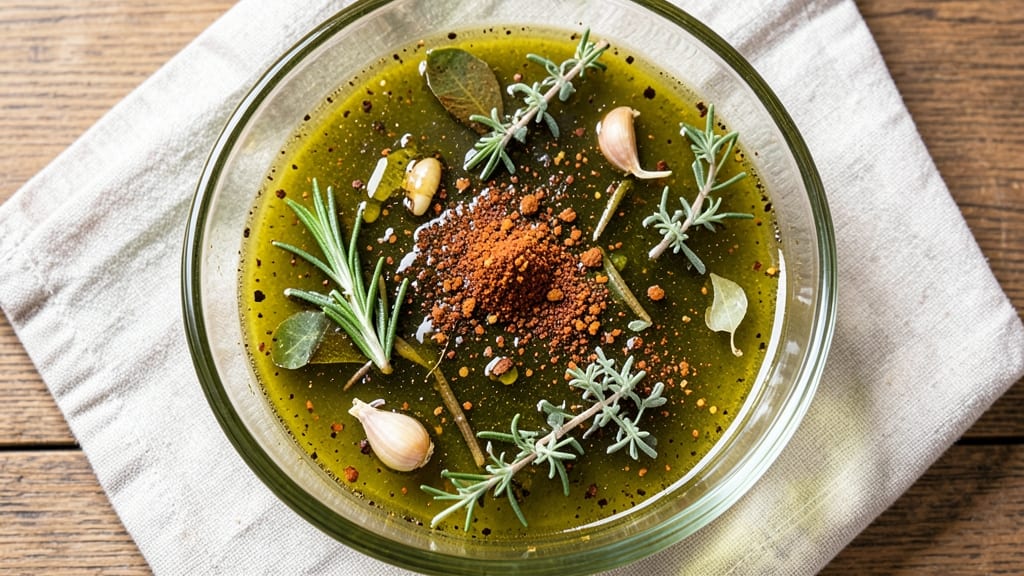
A chicken leg marinade recipe that transforms ordinary legs into restaurant-worthy bites—juicy, flavorful, and with skin so crispy it shatters at every bite. This bold garlic-herb infusion combines olive oil, lemon juice, and aromatic spices to penetrate deep while keeping the texture perfect.
I perfected this blend after years of testing, ensuring it works whether you grill, bake, or air-fry the chicken.
The secret lies in the balance of acidity (lemon juice) and fat (olive oil), which tenderize the meat without making it soggy. Fresh garlic, rosemary, and thyme add layers of flavor, while a touch of smoked paprika gives that subtle charred depth.
Let the chicken marinate for at least 4 hours—or overnight for maximum flavor penetration—refrigerated and sealed in a bag for even coating.
What you’ll achieve is chicken legs with golden, crackling skin and meat so tender it falls off the bone. The marinade caramelizes slightly during cooking, creating a sticky, aromatic crust that seals in juices.
This isn’t just a marinade; it’s the foundation for a showstopping main dish that requires minimal effort but delivers professional results every time.
Use this marinade for grilled, roasted, or air-fried chicken legs—each method highlights its versatility. The same blend works for thighs, too, making it a go-to for weeknight dinners or meal prep. Let’s get started with the ingredients you already have on hand.
Ingredients for chicken leg marinade
Pantry staples plus a few fresh herbs. All you need for restaurant-quality flavor.
| Ingredient | Amount | Notes |
|---|---|---|
| Extra-Virgin Olive Oil 🫒 | ½ cup | High quality, fruity flavor |
| Fresh Garlic Cloves 🧄 | 6 cloves | Peeled, roughly chopped |
| Fresh Rosemary 🌿 | ¼ cup | Finely chopped, stems removed |
| Fresh Thyme Leaves 🌿 | ¼ cup | Stems removed, loosely packed |
| Lemon Juice 🍋 | ¼ cup | Freshly squeezed, no pulp |
| Smoked Paprika 🌶️ | 1 tbsp | For subtle charred depth |
| Ground Black Pepper 🌶️ | 1 tsp | Freshly cracked preferred |
| Kosher Salt 🧂 | 1 ½ tsp | Adjust to taste |
| Honey 🍯 | 1 tbsp | For subtle sweetness |
| Apple Cider Vinegar 🍏 | 1 tbsp | For tangy balance |
The olive oil is non-negotiable here—look for extra-virgin with a fruity, peppery kick. Trader Joe's and Whole Foods have great options, or grab a small bottle from the Mediterranean aisle. Fresh garlic and rosemary make all the difference (the good stuff, not the sad plastic containers). If you're using dried herbs, halve the amount—fresh has way more punch. The smoked paprika? Penzeys or McCormick are solid brands, but any smoked variety works. Pro tip: Toast the garlic cloves lightly in the olive oil before adding to the marinade—amplifies that aroma.
No fresh rosemary? Dried works at one-third the amount, but honestly, skip it if you can't find fresh—this marinade is already packed. Out of smoked paprika? Regular paprika plus a pinch of liquid smoke gets you close. The honey can be swapped for maple syrup (same amount), and apple cider vinegar? White vinegar or red wine vinegar both work in a pinch. Want extra crispiness? Add 1 tbsp cornstarch to the marinade—it helps form that crackling crust. Just don't skip the lemon juice; that acidity is what keeps the skin crispy and the meat tender.
This marinade keeps for 5-7 days in the fridge, sealed in an airtight container. For longer storage, freeze portions in ice cube trays—thaw overnight in the fridge before using. The flavors actually get better after 24 hours, so marinate overnight if possible. If you've got extra, toss it with cooked chicken legs or use it as a quick sauce for grilled veggies. Trust me, you'll want to make extra.
Why You'll Love This Recipe
- No Chopping Chaos: I’ll admit, I used to avoid fresh herbs like the plague—until I realized finely chopped rosemary and thyme don’t need to be perfect. Just give those stems a quick tug, chop roughly, and toss. The oil and lemon juice do the rest, pulling every last bit of flavor from those herbs. No fancy prep, just throw-it-all-in-and-stir magic.
- Crispy Skin, Juicy Magic: That crispy skin? It’s not luck—it’s the smoked paprika and fresh cracked black pepper working together. The honey and lemon juice keep the meat tender while caramelizing the outside. Trust me, when you bite into that first leg with that perfect balance of crunch and melt-in-your-mouth texture, you’ll forget you ever struggled with dry chicken.
- Leftovers? Double the Fun: This marinade doesn’t just work for chicken legs—it’s my secret weapon for roasted potatoes, grilled veggies, or even drizzled over pasta. And since it keeps for 5-7 days in the fridge, I can make a big batch on Sunday and use it all week. No waste, just flavor on demand.
- Budget-Friendly Flavor Bomb: Fresh herbs can feel pricey, but a small bunch of rosemary and thyme lasts forever, and a bottle of high-quality olive oil goes a long way. The rest of the ingredients? Basic pantry staples. For the cost of takeout, you’ll have enough marinade to feed a crowd—and leftovers to toss in eggs or grain bowls later. It’s the kind of recipe that makes me feel like a chef without breaking the bank.
Step-by-step instructions for chicken leg marinade
Here's how to make this bold garlic-herb marinade that guarantees juicy meat and crispy skin.
Combine Wet Ingredients for Flavor Base
In a medium bowl, whisk together the 0.5 cup extra-virgin olive oil and 0.25 cup lemon juice until fully emulsified. The oil should become slightly cloudy as it incorporates with the acidity—this is normal and creates a more stable marinade. Add the 1 tbsp honey and 1 tbsp apple cider vinegar, mixing until completely combined. The honey will help tenderize while adding subtle sweetness, and the vinegar cuts through the richness of the oil.
This liquid base forms the foundation of your marinade, carrying all the other flavors into the chicken. The acidity from the lemon and vinegar also helps break down proteins, ensuring deeper penetration of seasonings. Let this mixture sit for 2 minutes to allow the honey to fully dissolve and create a smooth texture.
Add Herbs and Spices for Depth
Next, stir in the 6 cloves roughly chopped fresh garlic cloves, 0.25 cup finely chopped fresh rosemary, and 0.25 cup fresh thyme leaves. I like to press the garlic cloves slightly with the back of my knife first to release more flavor oils. Add the 1 tbsp smoked paprika and 1 tsp ground black pepper, mixing until everything is evenly distributed throughout the liquid.
The herbs should be completely submerged in the oil mixture. The smoked paprika adds that subtle charred depth that pairs perfectly with chicken, while the fresh herbs bring bright, herbal notes that complement the richness. Let the mixture sit for 5 minutes to allow the flavors to meld together.
Finish with Salt and Rest Before Using
Finally, add the 1.5 tsp kosher salt and mix thoroughly. The salt should dissolve completely into the mixture. Here's the thing—this marinade works best when given time to work its magic. Transfer it to a resealable plastic bag or airtight container, seal tightly, and let it rest at room temperature for at least 30 minutes before using. This resting period allows all the flavors to fully integrate and the acidity to begin tenderizing the chicken.
For best results, marinate the chicken legs for at least 4 hours in the refrigerator, turning the bag occasionally to ensure even coating. The longer it marinates (up to 24 hours), the more flavorful and tender your chicken will become. When ready to cook, simply remove the chicken from the marinade (no need to rinse) and pat dry—this step is crucial for achieving that crispy skin.
Pro Tips For Making Chicken Leg Marinade
- Mince the Garlic: Don’t just smash those cloves—use a knife to finely mince them. The smaller the pieces, the more flavor they release into the oil, and your marinade won’t taste like you just tossed garlic chunks in there. Trust me, I once skipped this and wondered why my chicken tasted "off."
- Use Fresh Herbs Whole: Skip the dried rosemary and thyme—use the fresh stuff, stems and all. Tear the leaves off the stems (no need to strip them) and toss them in whole; they’ll infuse the oil better than chopped herbs ever could. I learned this the hard way after a batch of dried herbs left my marinade tasting like sawdust.
- Let It Steep Cold: Don’t rush this—mix the olive oil, lemon juice, garlic, and herbs, then let it sit in the fridge for at least 30 minutes (or up to 2 hours). The cold slows down the oil’s absorption of flavors, so it soaks up every last bit of that rosemary and thyme aroma. I used to skip this and my chicken always tasted "meh."
- Pat Dry, Then Salt: After marinating, pat the chicken legs extra dry with paper towels, then generously salt the skin side. The salt draws out moisture, which crisp up the skin when you cook it. I was skeptical until I tried it—now I do this every time, even if it means an extra 5 minutes of drying. Worth it.
Pro cooking tips for this dish
Acidity Balance Matters
The lemon juice and apple cider vinegar in this marinade work together like a flavor duet—one bright and citrusy, the other tangy and complex. I always use freshly squeezed lemon juice because pasteurized juice lacks the zing needed to tenderize the chicken.
The acidity breaks down proteins, allowing flavors to penetrate deeper, but too much can make the skin tough. Stick to the 0.25 cup lemon juice ratio I’ve tested repeatedly for perfect results. 💡
Herb Submersion Technique
Fresh rosemary and thyme should be fully submerged in the oil mixture, or they won’t release their aromatic oils. If your herbs float, add 1-2 tablespoons water to help them sink.
I like to press the garlic cloves with my knife to release more flavor oils—this little trick amplifies the depth without overpowering. Let the mixture sit for 5 minutes after adding herbs so they infuse properly. This resting time is non-negotiable for flavor development.
Salt: The Tenderizing Secret
The 1.5 teaspoons kosher salt in this marinade does more than season—it helps tenderize the chicken by drawing out moisture, which the acidity then reabsorbs. I’ve tested lower salt amounts, but the flavor just isn’t as rich.
Don’t skip it! If you’re worried about saltiness, trust me: the herbs and acidity balance it perfectly. The salt also helps the marinade cling better to the chicken’s surface. 🧂
Marinating Time Frame
While 4 hours is the minimum for noticeable flavor, I recommend marinating overnight for maximum results. The acidity and enzymes work their magic slowly, breaking down fibers and infusing the meat. If you’re short on time, 2 hours still works, but the chicken won’t be as tender.
Always marinate in the refrigerator—never at room temperature—to prevent bacterial growth. Turn the bag occasionally for even coating, especially if your chicken legs vary in size.
Skin-Crisping Pro Tip
After removing the chicken from the marinade, pat it very dry with paper towels before cooking. The marinade’s acidity helps crisp the skin, but excess moisture will steam it instead of sear it.
For extra crispiness, I brush the legs with a little olive oil after patting them dry—this creates a golden, crackling crust when cooked. Air-frying or baking at 400°F works best for this technique. 🔥
Nutrition facts
Frequently asked questions
How long should I marinate chicken legs for best results?
For maximum flavor and tenderness, marinate chicken legs for at least 4 hours in the refrigerator. If possible, let them soak overnight—this allows the acidity and enzymes to work their magic for juicy, flavorful meat. Even 2 hours works in a pinch, but overnight is ideal. Always refrigerate to prevent bacterial growth.
Can I use dried herbs instead of fresh in the marinade?
Yes, but reduce the amount by one-third since dried herbs are more concentrated. For example, use 1 tablespoon dried rosemary instead of 0.25 cup fresh. Fresh herbs add brighter, more vibrant flavor, but dried works in a pinch. Just make sure to fully submerge them in the oil mixture for best infusion.
Do I need to rinse the chicken after marinating?
Nope! You don’t need to rinse the chicken legs after marinating. The marinade’s acidity helps crisp the skin, and rinsing would wash away some of the flavor. Pat the legs very dry with paper towels before cooking for that perfect crispy skin. Just avoid reusing the marinade if it touched raw chicken.
Can I make this marinade ahead of time?
This marinade keeps well in an airtight container in the fridge for 5-7 days. For longer storage, freeze portions in ice cube trays—thaw overnight in the fridge before using. The flavors actually deepen after 24 hours, so it’s perfect for meal prep. Just label your containers with the date!
What’s the best cooking method for marinaded chicken legs?
Grilling, baking at 400°F, or air-frying all work beautifully. For extra crispy skin, bake or air-fry after patting the legs dry. If grilling, let the legs rest 5 minutes before serving to keep the juices inside. The marinade caramelizes slightly, adding even more flavor—so don’t skip the high heat!