
Main Courses
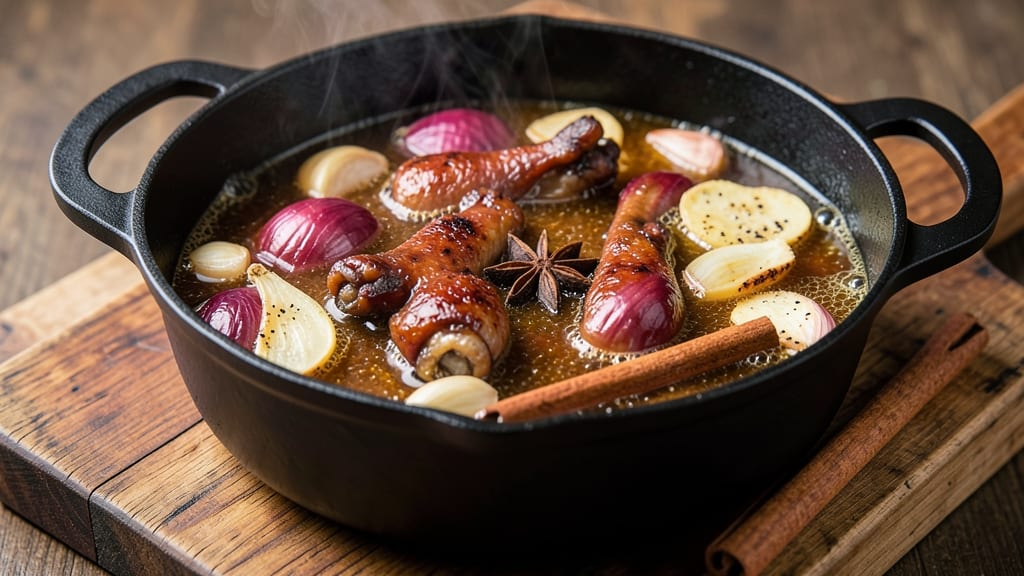
Creating a chicken feet stock recipe unlocks a world of deep, umami-rich flavor that transforms ordinary soups and braises into extraordinary dishes. This traditional technique, rooted in East Asian cuisine, delivers a gelatinous, nutrient-packed base that elevates any recipe it touches—whether you're making pho, braised pork, or hearty stews.
The process requires patience and precision, but the results are unmatched in complexity and depth.
The key to success lies in thorough preparation: cleaning the chicken feet to remove impurities, then simmering them for hours with aromatics like ginger, garlic, and star ankye.
This slow cooking process extracts collagen and gelatin, creating a stock so rich it can stand alone or serve as the foundation for elaborate dishes. Unlike traditional chicken stocks, this version delivers a distinct, savory intensity that's hard to replicate with other cuts.
What sets this stock apart is its versatility—use it as a base for soups, braises, or even marinades to infuse dishes with an unmistakable depth. The collagen-rich broth also adds body and richness, making lighter recipes feel more substantial.
Once mastered, you'll find yourself reaching for this stock whenever you want to add professional-level flavor to home cooking.
This method respects tradition while adapting to modern kitchens, making it accessible for both seasoned cooks and beginners willing to invest time. The result is a stock that's not just functional, but transformative—turning simple ingredients into something extraordinary. Ready to elevate your cooking? Let's begin.
Ingredients for chicken feet stock
The foundation of East Asian depth lies in these carefully selected ingredients.
| Ingredient | Amount | Notes |
|---|---|---|
| Chicken Feet 🦶 | 2 lb | Cleaned and trimmed thoroughly |
| Yellow Onions 🧅 | 1 whole | Peeled and halved lengthwise |
| Garlic Cloves 🧄 | 8 cloves | Peeled and smashed |
| Fresh Ginger 🌿 | ½ cup | Finely sliced, skin removed |
| Star Anise 🌟 | 4 whole | Lightly crushed |
| Cinnamon Sticks 🌿 | 2 whole | Standard grocery store size |
| Bay Leaves 🌿 | 4 whole | Dried, standard size |
| Black Peppercorns 🌶️ | 1 tbsp | Crushed lightly |
| Salt 🧂 | 1 ½ tbsp | Diamond Crystal kosher |
| Apple Cider Vinegar 🍎 | ¼ cup | For initial cleaning |
| Cold Water 💧 | 8 cups | Filtered preferred |
| Dried Shiitake Mushrooms 🍄 | 4 whole | Rehydrated before use |
| Dried Dried Oyster Mushrooms 🍄 | 4 whole | Asian market preferred |
| Dried Coriander Seeds 🌿 | 1 tbsp | Toasted for aroma |
The chicken feet are the heart of this stock, and quality matters most. Look for feet that are clean, free of any slimy residue, and with a natural, slightly sweet aroma. Asian markets typically carry the freshest options, though well-stocked grocery stores like Whole Foods or Trader Joe's often stock them too. The key is thorough cleaning—soak them in cold water with apple cider vinegar for 30 minutes to remove impurities before rinsing. For the aromatics, fresh ginger and garlic deliver unmatched depth, while star anise and cinnamon add complexity that dried spices alone can't replicate. The mushrooms, both shiitake and oyster, contribute umami richness that elevates the stock beyond ordinary chicken broth.
No fresh ginger? Dried ginger powder at half the amount works in a pinch, though it lacks the same depth. Short on star anise? One bay leaf plus a pinch of ground cloves approximates the flavor profile. The dried mushrooms can be omitted, but dried porcini mushrooms make an excellent substitute if you're aiming for a similar earthy note. For the vinegar, white vinegar or lemon juice will work, though apple cider adds subtle sweetness. The water should be cold—hot water would start cooking the ingredients immediately rather than extracting their flavors gradually. If you're making a larger batch, consider doubling the mushrooms and star anise for even deeper flavor.
This stock develops its signature richness over time, so patience is key. The gelatinous texture comes from the collagen rendering, which takes 8-12 hours of simmering. Strain through a fine-mesh sieve, then store in airtight containers. It keeps for 5 days in the fridge or 6 months in the freezer. For best results, portion into ice cube trays before freezing—perfect for adding umami to soups or braises as needed. The stock will thicken as it cools, so reheat gently to restore its silky consistency. Once mastered, you'll find yourself reaching for this stock whenever you want to add that restaurant-quality depth to home cooking.
Why You'll Love This Recipe
- No Prep, Just Simmer: Honestly, this is the kind of stock where you can toss everything in a pot and walk away. Chicken feet don’t need peeling—just a quick rinse—and the star anise and ginger add warmth without fuss. My pot sits on low heat while I do laundry, and boom: golden liquid.
- Umami Bomb: That first sip? The chicken feet break down into a silky, rich broth that’s not your average chicken stock. The garlic and ginger caramelize just enough to give it depth, while the star anise leaves a subtle, aromatic whisper. It’s the kind of flavor that makes you forget you’re even cooking.
- Stockpile Magic: I freeze half in ice cube trays for soups, and the rest? Goes straight into my stir-fries or rice dishes. It’s the secret weapon for turning a simple meal into something special—no extra effort, just pure flavor boost. My roommates still ask for seconds, even when they don’t know what’s in it.
- Chef’s Budget Hack: Between us, chicken feet are a steal. They’re cheaper than chicken thighs, yet they render into a stock so rich it’s like liquid gold. I’ve got gallons in the freezer, and honestly? I don’t remember the last time I bought store-bought broth. My wallet—and my taste buds—thank me.
Step-by-step instructions for chicken feet stock
This method extracts maximum gelatin and umami from chicken feet while building complex aromatic layers.
Prepare and Blanch the Chicken Feet
Rinse the 2 lb chicken feet under cold water to remove any debris, then place them in a large stockpot. Add the 0.25 cup apple cider vinegar and cover with cold water by about 2 inches. Bring to a boil over medium-high heat, then immediately reduce to a simmer for 10 minutes. This initial blanching removes impurities and prepares the collagen for extraction.
After simmering, drain the vinegar water completely and rinse the chicken feet again under cold water. This step is critical—it prevents bitterness from developing during the long cook. The blanched feet should look clean and free of surface debris before proceeding to the main simmer.
Build the Aromatic Base
Return the blanched chicken feet to the clean stockpot and add the 8 cups cold water. Place the pot over medium heat and bring to a gentle simmer. Add the 1 whole yellow onions (halved), 8 cloves garlic (smashed), 0.5 cup fresh ginger (sliced), 4 whole star anise (lightly crushed), 2 whole cinnamon sticks, 4 whole bay leaves, 1 tbsp black peppercorns (lightly crushed), and 1 tbsp dried coriander seeds (toasted).
The coriander seeds should be toasted in a dry pan over low heat for 1-2 minutes until fragrant before adding to the pot. This releases their essential oils and deepens the stock's complexity. Stir gently to combine all ingredients, ensuring the spices are fully submerged. The mixture should smell intensely aromatic—this is your flavor foundation.
Simmer for Maximum Gelatin Extraction
Once the stock reaches a gentle simmer, reduce heat to low and maintain a temperature between 180-200°F. The stock should barely bubble—any vigorous boiling will cloud the stock and break down collagen prematurely. Skim any foam or impurities that rise to the surface during the first 30 minutes of simmering using a fine-mesh skimmer.
Simmer uncovered for 4-5 hours, stirring occasionally to prevent the chicken feet from sticking to the bottom. The longer simmer time is essential—it transforms the collagen in the chicken feet into gelatin, creating a rich, velvety texture. The stock should reduce by about one-third, and the chicken feet should become tender enough to pierce with a fork.
Incorporate Mushrooms and Finalize
After 4 hours, remove the chicken feet from the stock using tongs and set aside to cool. Add the 4 whole dried shiitake mushrooms and 4 whole dried oyster mushrooms to the stockpot. These mushrooms contribute additional umami depth and body. Simmer the stock for an additional 30-45 minutes to fully infuse their flavors.
Strain the stock through a fine-mesh sieve or cheesecloth-lined colander into a clean container. Press gently on the solids to extract every last drop of liquid. Discard the solids. The resulting stock should be deep golden in color, with a rich, gelatinous consistency when chilled. Add the 1.5 tbsp salt to taste, adjusting to your preference.
Cool and Store for Maximum Freshness
Allow the stock to cool to room temperature, then refrigerate in airtight containers. The stock will thicken as it cools—this is normal and indicates proper gelatin extraction. For best results, use within 5-7 days or freeze in ice cube trays for up to 3 months. Each cube makes an easy addition to soups, braises, or sauces, delivering intense umami flavor without altering texture.
The finished stock should have a robust, slightly sweet aroma with notes of ginger, garlic, and toasted spices. When used in recipes, it will add a luxurious mouthfeel and deep savory complexity that elevates even simple dishes. This stock is the backbone of rich soups, braising liquids, and risottos—its versatility makes it a pantry essential.
Pro Tips For Making Chicken Feet Stock
- Don’t Skip the Vinegar Rinse: That 0.25 cup apple cider vinegar isn’t just for flavor—it’s your first line of defense against bitterness. I learned this the hard way when I rushed the blanching and ended up with a stock that tasted like old gym socks. The vinegar loosens grime and preps the collagen, so take the 10 minutes—your future self will notice the difference.
- Toast Those Coriander Seeds: Dry-toasting the 1 tbsp dried coriander seeds for 1-2 minutes in a pan isn’t optional—it’s where the magic happens. I was skeptical until I tried it; the nutty aroma jumps out of the stock like a flavor grenade. Skip this, and you’re just simmering bland filler.
- Watch the Heat Like a Hawk: That 180-200°F simmer isn’t a suggestion—it’s the non-negotiable sweet spot for gelatin extraction. I’ve boiled this stock hard twice, and both times it turned cloudy and weak. Use a thermometer if your stove lies to you, and resist the urge to crank the heat when you’re impatient.
- Press Hard on the Solids: When straining, don’t just dump the stock—press the solids firmly with a spoon or ladle. I used to rush this, and the stock always felt thin. The extra 30 seconds of effort gives you that velvety, restaurant-quality body that makes all the difference in soups and braises.
Dietary considerations for this recipe
Gluten-Free Friendly
This chicken feet stock recipe is naturally gluten-free, making it perfect for those with gluten sensitivities or celiac disease. Since it relies on chicken feet, aromatics, and spices—none of which contain gluten—you can enjoy its rich umami depth without worry.
Just ensure your apple cider vinegar and salt are certified gluten-free, as some brands may contain additives. 💛
Vegetarian/Vegan Alternatives
If you're avoiding animal products, you can't replicate this stock exactly, but you can create a similar umami base using dried shiitake mushrooms, kombu (seaweed), and chicken-free broth.
Soak 4 dried shiitake mushrooms in hot water for 30 minutes, then simmer with 1 sheet kombu and 1 tbsp miso paste for 2-3 hours. Strain and use as a substitute—it won’t have the same collagen richness, but it delivers depth.
Low-Sodium Adaptation
Since this stock is salted at the end, you can easily reduce sodium by omitting the 1.5 tbsp salt during cooking and adding it later to your dishes. For extra flavor without salt, boost with 1 tbsp soy sauce or coconut aminos when straining the stock.
This keeps the umami intensity while cutting back on sodium. 💡
Allergen Considerations
Check your dried mushrooms and spices for cross-contamination warnings, as some Asian markets may process products in facilities with peanuts or shellfish. If you have a seafood allergy, ensure your dried mushrooms are certified allergen-free. The ginger and garlic are generally safe, but always verify packaging for processing details.
Dairy-Free and Egg-Free
This stock is inherently dairy-free and egg-free, making it a versatile option for those avoiding these ingredients. Its gelatinous texture comes from the collagen in chicken feet, not dairy or eggs.
Pair it with plant-based dishes like tofu stir-fries or vegetable soups for a rich, creamy alternative that doesn’t rely on animal proteins. ✨
Nutrition facts
Frequently asked questions
Why do I need to blanch chicken feet with vinegar first?
The vinegar blanching step is essential—it removes surface impurities and prevents bitterness that can develop during long simmering. The acid helps break down any lingering debris while preparing the collagen for optimal extraction. Skipping this step risks a cloudy, off-flavored stock.
How do I know if my stock is done?
Your stock is ready when it simmers for 4-5 hours, reduces by about one-third, and the chicken feet are tender enough to pierce with a fork. The liquid should also have a deep golden color and gelatinous consistency when chilled. Taste for umami depth—it should be rich and complex, not just salty.
Can I use frozen chicken feet for this recipe?
Yes, but thaw them completely first in cold water for 12-24 hours. Frozen feet work fine, but ensure they're fully defrosted before blanching to avoid uneven cooking. The texture and flavor will be identical to fresh, as long as they're properly thawed.
What if I don’t have dried oyster mushrooms?
No problem! Replace them with 4 dried shiitake mushrooms or 2 tbsp dried porcini mushrooms. Both add umami depth, though oyster mushrooms contribute a slightly meatier texture. If you're short on time, you can also omit them entirely—the stock will still be flavorful, just slightly lighter.
Why does my stock thicken when it cools?
This is completely normal! The collagen from the chicken feet converts into gelatin as it cools, creating that luxurious, silky texture. To restore its liquid consistency when reheating, simply warm it gently on the stove until fully melted—no need to add extra water. This thickening indicates your stock is rich and properly made.