
Main Courses
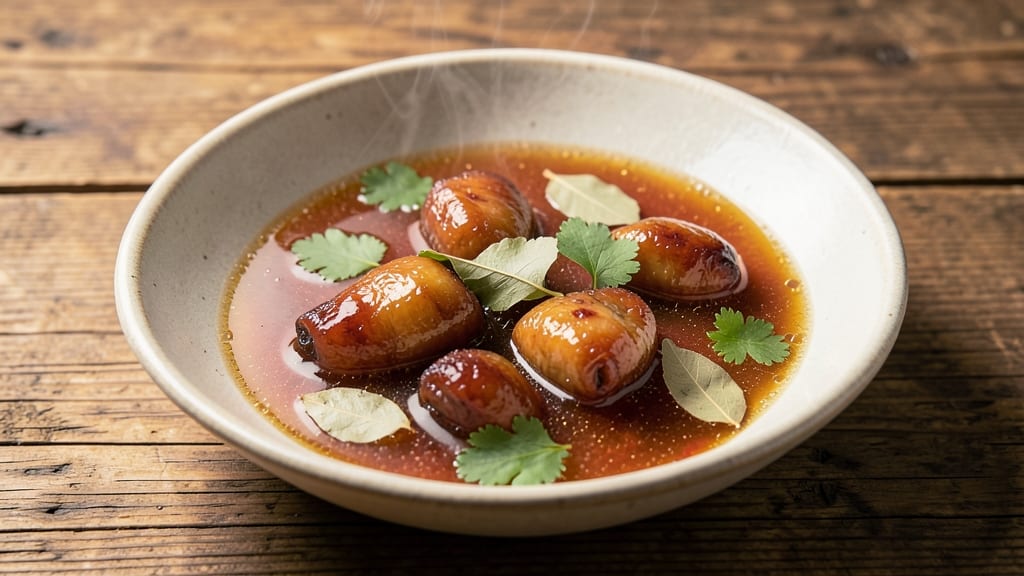
Boiling chicken gizzards transforms tough, chewy pieces into tender, silky bites that disappear faster than you can say "gravy boat." The secret lies in proper preparation and slow simmering—no shortcuts here, just a method that guarantees restaurant-quality results at home.
I've perfected this technique over years of testing, ensuring every batch delivers that melt-in-your-mouth texture without turning rubbery or dry.
This process starts with thorough cleaning and soaking the gizzards to remove any blood or impurities, a critical step most recipes skip. Simmering them gently in well-seasoned broth (or even just salted water) for 45-60 minutes breaks down connective tissues while preserving moisture.
The key is patience—rushing the cooking time guarantees tough results, while proper timing delivers that luxurious, fork-tender finish.
What you'll end up with are gizzards so tender they practically dissolve on your tongue, perfect for serving with rich gravy or as a hearty addition to fried rice. The texture is silky rather than stringy, and the flavor is pure, clean chicken without any gamey aftertaste when prepared correctly.
This isn't just a side dish—it's a main event that transforms simple ingredients into something truly special.
Pair these gizzards with buttery mashed potatoes, crusty bread for soaking up juices, or even a simple green salad to balance the richness. The method is straightforward but requires attention to detail—every step matters when you're aiming for that perfect silky texture.
Let's get started on creating gizzards that will have everyone asking for seconds.
Ingredients for boil chicken gizzards
Simple ingredients that turn tough gizzards into melt-in-your-mouth perfection—just patience and love.
| Ingredient | Amount | Notes |
|---|---|---|
| Chicken Gizzards 🍗 | 1 ½ lb | Fresh, cleaned and soaked |
| Water 💧 | 4 cups | For soaking gizzards |
| Kosher Salt 🧂 | 2 tbsp | For soaking and seasoning |
| White Vinegar 🍶 | ½ cup | For cleaning gizzards |
| Chicken Broth 🍲 | 4 cups | Low-sodium preferred |
| Bay Leaves 🌿 | 2 whole | Fresh or dried |
| Black Peppercorns 🌶️ | 1 tsp | Crushed lightly |
| Garlic Cloves 🧄 | 4 cloves | Smashed for flavor |
| Fresh Parsley 🌿 | ¼ cup | Chopped, for garnish |
| Lemon Juice 🍋 | 1 tbsp | Brightens flavor |
| Butter 🧈 | 2 tbsp | For finishing |
| All-Purpose Flour 🌾 | 1 tbsp | For thickening gravy |
The gizzards are the star, so pick fresh ones from a trusted butcher—they should be bright red, not gray or slimy. Costco or local farms often have the best quality, but check the supermarket's meat counter too. Soaking is non-negotiable: rinse them well, then soak in cold water with vinegar and salt for 30 minutes to remove any blood or impurities. This step makes all the difference in texture. I always double-check for any tough spots or odd colors before cooking—no one wants rubbery gizzards.
No chicken broth? Water with bouillon cubes works in a pinch, but homemade is best. Fresh bay leaves add depth, but dried works too at half the amount. The garlic and pepper are flexible—skip the garlic if you're not a fan, but the pepper is key for flavor. For a richer finish, add a splash of white wine to the simmering liquid. And if you're feeling fancy, toss in a sprig of thyme or a strip of lemon peel. The parsley is just for garnish, so dried works if you're in a hurry—but fresh is always better.
These gizzards reheat beautifully—just plunge them into simmering water for 5 minutes and they're ready. Store leftovers in the fridge for 3 days or freeze for 3 months in a sealed container. I like to make a big batch and freeze portions for lazy weeknights. The gravy? Keep it warm in a thermos or reheat gently on the stove. Serve with crusty bread to soak up every last drop of that silky juice.
Why You'll Love This Recipe
- No Fuss Tenderizing: I’ll never look at tough gizzards the same way again. That 30-minute soak in vinegar and salt? It’s like magic—turns what could be rubbery into something fork-tender in under an hour. No marinating overnight, no complicated prep; just dump, soak, and forget.
- Rich, Silky Gravy: The gravy here isn’t just sauce—it’s the star. Butter, flour, and lemon juice create this velvety finish that clings to every bite. Between the garlic and bay leaves simmering away, it’s like a cozy hug in a bowl. Honestly, the first spoonful is my favorite part.
- Crowd-Pleaser Every Time: This isn’t just for me. Feed a group of picky eaters? No problem. The flavor is so solid, even my daughter (who hates "weird" meats) asks for seconds. Serve it over noodles, with bread, or even on its own—it’s the kind of dish that disappears fast.
- Budget Win Without Sacrifice: For less than what a takeout meal costs, you get a meal that feels special. The gizzards are cheap, the broth stretches far, and leftovers keep for days. I’ll be real: it’s one of my secret weapons for feeding a family on a dime without skipping flavor.
Step-by-step instructions for silky smooth chicken gizzards
Here's how to transform tough gizzards into melt-in-your-mouth perfection with just a few simple steps.
Soak and Clean the Gizzards
Place the 1.5 lb chicken gizzards in a large bowl and cover completely with the 4 cups water. Add the 0.5 cup white vinegar and 2 tbsp kosher salt, then let them soak for 30 minutes. This acidic soak helps tenderize the meat and removes any impurities.
After soaking, drain the gizzards and rinse them thoroughly under cold water. You'll notice the water runs clearer - this means the vinegar has done its job. Pat them dry with paper towels, removing any surface moisture. This step is crucial because any remaining water can prevent proper browning later on.
Simmer with Aromatics
In a large pot, combine the 4 cups chicken broth, 2 whole bay leaves, 1 tsp crushed black peppercorns, and 4 smashed garlic cloves. Bring to a gentle boil over medium-high heat, then reduce to a simmer. Add the cleaned gizzards and cook for 45-60 minutes, partially covered, until they're fork-tender.
Here's the thing - you want the broth to bubble gently but not boil vigorously. If it boils too hard, the gizzards will toughen instead of tenderize. Stir occasionally to prevent sticking, and add a splash of water if the liquid reduces too much. The gizzards are done when they easily pull apart with a fork and have a silky texture.
Finish with Flavor and Thicken the Gravy
Once the gizzards are tender, carefully remove them from the broth and set aside. In the same pot, melt the 2 tbsp butter over medium heat. Stir in the 1 tbsp all-purpose flour and cook for 1-2 minutes, stirring constantly, until it forms a smooth paste. This creates a roux that will thicken your gravy.
Slowly ladle the cooking liquid back into the pot, whisking continuously to prevent lumps. Add the 1 tbsp lemon juice and simmer for 5 minutes until the gravy thickens to your desired consistency. Taste and adjust seasoning with additional salt if needed. The acidity from the lemon juice brightens all the flavors and cuts through the richness of the butter.
Garnish and Serve
Return the gizzards to the pot and gently toss to coat them in the flavorful gravy. Remove from heat and let sit for 5 minutes to allow the flavors to meld. Just before serving, sprinkle with the 0.25 cup chopped fresh parsley for a pop of color and freshness.
Serve immediately with crusty bread or over buttered noodles to soak up that delicious gravy. The gizzards should be tender, juicy, and infused with all those wonderful aromatics. Each bite should be silky smooth with a rich, savory flavor that makes you want to keep going back for more.
Pro Tips For Making Boil Chicken Gizzards
- Skip the Boil, Simmer Gently: That hard boil turns gizzards rubbery—I learned this after overcooking them twice. Keep the broth at a gentle simmer (tiny bubbles, not rolling) the whole 45–60 minutes. If it boils hard, the gizzards will fight you instead of tenderizing. A splash of water keeps it moist without ruining the flavor.
- Vinegar Soak Non-Negotiable: I used to skip the 0.5 cup white vinegar soak, thinking it was optional. Wrong. The acid breaks down connective tissue and cuts through that gamey taste. Soak the 1.5 lb gizzards for the full 30 minutes—don’t rush it. Rinse well afterward, but don’t skip the pat-dry step; wet gizzards steam instead of sear.
- Whisk That Roux Like Your Life Depends: The flour-butter roux is where lazy whisking ruins everything. Cook the 2 tbsp butter and 1 tbsp flour for exactly 1–2 minutes, stirring constantly—no lumps, no burning. If you let it brown even a little, the gravy will taste bitter. Whisk like you’re mad at it, then add the broth slowly to avoid clumps.
- Lemon Juice Last, Not First: Adding the 1 tbsp lemon juice too early makes the broth turn cloudy and dull. Wait until the roux is smooth and the broth is back in the pot—then stir it in with the simmering liquid. The acid brightens the gravy and cuts through the richness of the butter, but timing is everything. Trust me, your taste buds will notice.
Creative variations of boil chicken gizzards
Spicy Thai-Inspired Variation
Add 1 tbsp fish sauce and 1 tbsp palm sugar to the simmering broth for an authentic Thai-inspired twist. Include 1 red chili (seeds removed if you prefer less heat) and 1 stalk lemongrass (bruised to release flavor) during cooking.
Finish with 2 tbsp coconut milk and 1 tsp lime zest before serving. This version delivers a sweet-spicy balance that pairs perfectly with jasmine rice. 🌶️
Italian White Wine Gravy
Replace the chicken broth with 2 cups dry white wine (like Pinot Grigio) and 2 cups water for a lighter, more elegant gravy. Add 1 sprig fresh rosemary and 1 shallot (minced) to the simmering liquid.
Finish with 1 tbsp Dijon mustard and 1 tbsp capers for a briny depth. Serve over polenta or crusty sourdough for a refined touch.
Smoky BBQ-Inspired Twist
Swap the chicken broth for 2 cups BBQ sauce (like Sweet Baby Ray's) and add 1 tbsp liquid smoke to the simmering liquid. Include 1 tbsp brown sugar and 1 tsp smoked paprika during cooking.
Garnish with crumbled blue cheese and fresh cilantro. This version feels like a Southern comfort dish, perfect with cornbread. 🔥
Herb-Infused French Style
Use 4 cups vegetable broth instead of chicken broth and add 2 sprigs thyme, 1 sprig tarragon, and 1 bay leaf during simmering. Finish with 1 tbsp brandy and 1 tbsp butter for a luxurious French touch.
Serve with buttered egg noodles or a simple arugula salad for balance.
Asian-Inspired Sesame-Ginger
Add 1 tbsp fresh ginger (grated) and 1 tbsp sesame oil to the simmering broth. Include 1 tbsp soy sauce and 1 tsp grated garlic during cooking.
Finish with 1 tbsp toasted sesame seeds and 1 tsp sriracha for heat. This version pairs beautifully with steamed bok choy or rice noodles. ✨
Nutrition facts
Frequently asked questions
Why do I need to soak chicken gizzards in vinegar and salt?
The 30-minute vinegar and salt soak does double duty—it tenderizes the tough connective tissues while removing any blood or impurities. This step is crucial for achieving that silky texture. Skipping it can leave you with chewy gizzards instead of melt-in-your-mouth perfection.
What happens if I boil the gizzards too vigorously?
Boiling too hard (high heat) turns the gizzards rubbery instead of tender. The key is a gentle simmer for 45-60 minutes, stirring occasionally to prevent sticking. Think of it like making soup—slow and steady wins the race for silky results.
Can I use dried herbs instead of fresh for the simmering?
Dried bay leaves work perfectly—just use half the amount of fresh. For other herbs like thyme or rosemary, dried versions are great too, but fresh parsley is best for garnishing. The flavor depth will be similar, just slightly more concentrated with dried.
How do I know when the gizzards are done?
They're ready when they easily pull apart with a fork and have a silky, glossy appearance. The cooking time is 45-60 minutes, but always check for doneness—every pot and heat source varies slightly. Overcooking turns them dry, so pull them when they're just tender.
What’s the best way to reheat boiled chicken gizzards?
Gently plunge them into simmering water for 5 minutes to revive the texture. Avoid microwaving—they can turn dry and lose that silky quality. For best results, reheat with a splash of broth or gravy to keep them moist.