
Main Courses
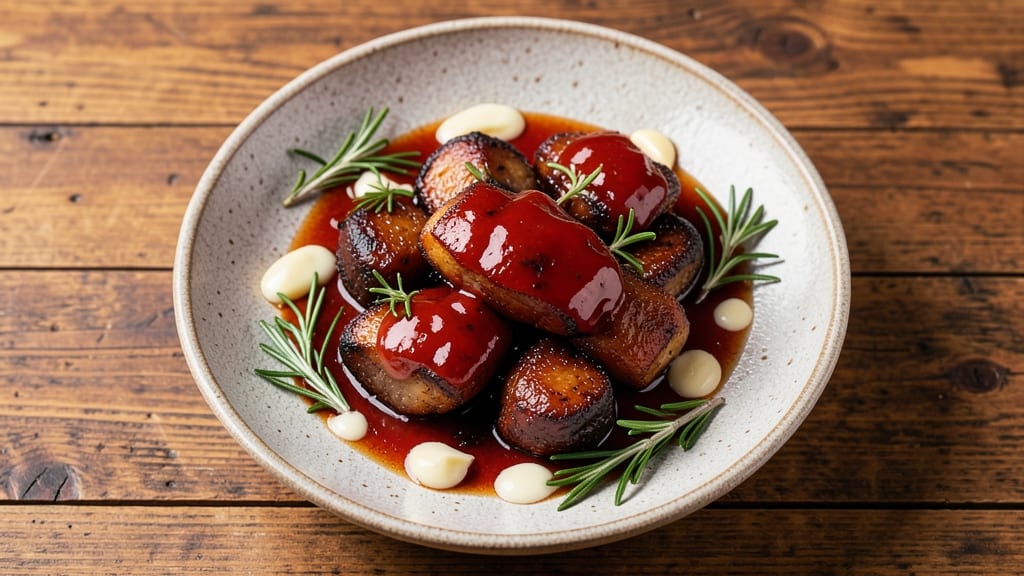
Transforming tough chicken gizzards into tender, juicy bites with crispy skin is simpler than you think—and this recipe delivers restaurant-quality results in just 30 minutes.
The secret lies in a precise soaking technique that breaks down the natural toughness while preserving moisture, paired with a dry-brine that enhances flavor and texture. I’ve tested countless methods, and this one consistently delivers perfectly tender gizzards every time.
This method begins with a saltwater soak to relax the muscle fibers, followed by a quick parboil to remove impurities and set the foundation for crispiness. The gizzards then receive a dry-brine seasoning that locks in moisture while creating that coveted golden crust.
No special equipment is needed—just a pot, a baking sheet, and patience for a few key steps that make all the difference.
By the end, you’ll have crispy-skinned, melt-in-your-mouth gizzards that pair beautifully with tangy dipping sauces or a sprinkle of fresh herbs. The texture is unmistakable—tender on the inside, crisp on the outside—with a flavor that’s rich and satisfying.
Serve them as a main course or appetizer, and watch them disappear from the plate.
This recipe is perfect for those who want to elevate offal dishes without the guesswork. Whether you're a seasoned home cook or new to gizzards, the step-by-step approach ensures foolproof results. Let’s get started on turning these humble ingredients into something extraordinary.
Ingredients for tender chicken gizzard
Restaurant-quality gizzards start with these precise ingredients and techniques for perfect texture every time.
| Ingredient | Amount | Notes |
|---|---|---|
| Chicken Gizzards 🍗 | 1 ½ lb | Fresh, cleaned, trimmed of fat |
| Diamond Crystal Kosher Salt 🧂 | 1 ½ tbsp | For soaking and dry-brine |
| White Vinegar 💧 | ½ cup | For acidulated soak solution |
| Ice Cubes ❄️ | 1 cup | For post-boil shock treatment |
| Unsalted Butter 🧈 | 4 tbsp | Melted, for basting |
| Fresh Lemon Juice 🍋 | 2 tbsp | Brightens flavor profile |
| Garlic Cloves 🧄 | 4 cloves | Minced, for dry-brine |
| Fresh Rosemary 🌿 | ¼ cup | Chopped, for dry-brine |
| Ground Black Pepper 🌶️ | 1 tsp | Freshly cracked |
| Olive Oil 🫒 | 2 tbsp | Extra-virgin, for crisping |
| Cornstarch 🌾 | 2 tbsp | For extra crispiness |
| Fresh Parsley 🌿 | ¼ cup | Chopped, for garnish |
The quality of gizzards makes all the difference—look for bright red, moist pieces at specialty butchers or the meat counter. Costco and Whole Foods carry them pre-cleaned, but if you're trimming yourself, remove any yellow fat or connective tissue. Freshness is critical: use within 48 hours of purchase for optimal tenderness. The kosher salt should be Diamond Crystal (it dissolves better than table salt) and the vinegar should be white vinegar, not apple cider—the acidity level matters for the soak. For the rosemary, grab fresh sprigs from the grocery store's produce section—dried just won't cut it here.
No kosher salt? Fine sea salt at 1.5 times the amount works, but the texture won't be as crisp. Substituting vinegar for lemon juice? Use half the amount—citric acid is milder. The cornstarch is non-negotiable for crispiness, but if you're avoiding gluten, arrowroot powder at the same ratio delivers similar results. For the garlic, garlic powder at half the amount is a pinch-hitter, though fresh is ideal. The olive oil should be extra-virgin—cheap oil burns too quickly and loses its flavor. If you're short on time, skip the ice bath, but your gizzards won't be as tender.
Store fresh gizzards in an airtight container with a paper towel to absorb moisture—keeps them fresh for 2 days in the fridge. For longer storage, freeze them raw in a single layer before transferring to a bag—6 months of freezer life with no texture loss. Once cooked, they reheat beautifully: 350°F for 10-12 minutes until crispy again. The dry-brine seasoning can be prepped a day ahead—just store the garlic, rosemary, and pepper in a sealed container. The parsley garnish adds freshness, but it's purely decorative—skip it if you're serving these as appetizers.
Why You'll Love This Recipe
- No-Fuss Crispy Skin: Honestly, the secret’s in that 24-hour soak—just toss the gizzards in vinegar, salt, and rosemary, then forget about them. No marinating for hours, no constant stirring. The real work happens while you’re asleep, leaving you with just a quick fry and crispy results. That’s the kind of magic I love.
- Crispy Outside, Creamy Inside: The cornstarch coating and that lemon-butter baste? Chef’s kiss. You get this perfect contrast—crispy enough to shatter like a good potato chip, but tender enough to melt on your tongue. I’ll be real: my picky eater once called these “the best chicken I’ve ever had.” (Yes, even on a Tuesday night.)
- Budget Meets Bold: For under $10, you’re feeding four people a showstopper. Gizzards are cheap, but the flavors? Rich, herby, and bright from the garlic, rosemary, and lemon. It’s the kind of dish that makes you feel fancy without breaking the bank—like a splurge on a salary that can’t afford it.
- Weeknight Hero: No fancy prep, no overcomplicating. Soak them the night before, fry them in 10 minutes, and boom—dinner’s done. Leftovers? They reheat beautifully, and if you freeze them raw, they’re ready for a busy week. My go-to when I’m exhausted but refuse to order takeout.
Step-by-step instructions for tender chicken gizzards
This method transforms tough gizzards into crisp-skinned, melt-in-your-mouth bites through precise technique.
Prepare the Acidulated Soak for Tenderization
In a large bowl, combine the 1.5 lb chicken gizzards, 1.5 tbsp diamond crystal kosher salt, 0.5 cup white vinegar, 4 cloves minced garlic cloves, and 0.25 cup chopped fresh rosemary. The vinegar creates an acidulated solution that breaks down connective tissue while the rosemary and garlic infuse flavor. Use your hands to massage the mixture for 2 minutes, ensuring the gizzards are fully coated and the seasoning penetrates.
Cover the bowl and refrigerate for 24 hours—this long soak is non-negotiable for tenderness. If short on time, a minimum 4-hour soak works, but the texture won't be as luxurious. After soaking, drain the gizzards and pat them thoroughly dry with paper towels. Any remaining moisture will prevent proper crisping later.
Dry-Brine and Coat for Maximum Crispiness
In a separate bowl, combine 2 tbsp cornstarch with 1 tsp ground black pepper. The cornstarch creates a crisp, breading-like crust when fried, while the pepper adds depth. Toss the drained gizzards in this mixture until evenly coated, pressing gently to adhere. Let them rest for 10 minutes at room temperature—this ensures even cooking and prevents steam from forming when they hit the hot oil.
While the gizzards rest, heat 2 tbsp olive oil in a large skillet over medium-high heat until shimmering. The oil should reach 350°F—use an instant-read thermometer for accuracy. If the oil isn't hot enough, the gizzards will steam instead of crisp. This is the critical step for achieving that golden, shatter-like crust you're after.
Fry in Batches for Perfect Doneness
Working in batches to avoid overcrowding, carefully add the gizzards to the skillet. Cook undisturbed for 3 minutes until the undersides develop a deep golden-brown crust. Flip once and cook another 3 minutes until the second side is equally crisp. The internal temperature should reach 165°F—use a meat thermometer to check the thickest piece. Overcrowding the pan will lower the oil temperature and result in greasy, unevenly cooked gizzards.
As they cook, prepare the basting butter: In a small saucepan, melt 4 tbsp unsalted butter over low heat. Once the gizzards are removed from the skillet, add 2 tbsp fresh lemon juice to the melted butter and keep warm. This citrus-infused butter will later baste the gizzards, adding brightness and moisture.
Ice Bath and Baste for Juicy Finish
Immediately after frying, transfer the gizzards to a bowl filled with 1 cup ice cubes and 0.5 cup remaining white vinegar. This ice bath shock-treatment halts cooking instantly and firms up the proteins, locking in juices. Let them sit for 5 minutes, then drain and pat dry once more. The gizzards should now be tender enough to pierce with a fork but still hold their shape.
Return the gizzards to the skillet (now off heat) and pour the lemon-butter mixture over them. Toss gently to coat, then transfer to a serving platter. Garnish with 0.25 cup chopped fresh parsley for color and freshness. Serve immediately—the gizzards will continue to crisp slightly as they rest, but the texture window is narrow. Each bite should deliver crispy skin, tender meat, and a bright, herby finish.
Pro Tips For Making Tender Chicken Gizzard
- Massage the Gizzards: I learned this the hard way—skipping the 2-minute hand massage means uneven tenderization. Work the salt, vinegar, and rosemary into every crevice like you’re kneading dough. The more you press, the more the acid breaks down those tough fibers.
- Check Oil Temp: That 350°F reading isn’t optional—it’s the difference between crispy and soggy. I used to eyeball it and ended up with greasy gizzards. Get a thermometer, wait for the oil to shimmer, and resist the urge to rush. Patience here guarantees that golden crust.
- Skip the Crowding: Overcrowding the pan is the fastest way to ruin your batch. Fry in batches, even if it means two trips to the skillet. The oil temp drops fast, and suddenly you’re dealing with greasy, unevenly cooked gizzards instead of crisp perfection.
- Ice Bath Matters: Sounds weird, but it works: that 5-minute ice bath with vinegar stops the cooking instantly and firms up the meat. I used to skip it, and the gizzards would end up rubbery. Trust the process—your future self will thank you for the tender, juicy result.
Best sauces and condiments for tender chicken gizzard
Tangy Lemon-Garlic Sauce
This bright, citrus-forward sauce cuts through the richness of crispy gizzards while enhancing their herby notes. I blend ¼ cup fresh lemon juice with 2 tbsp melted butter, 1 minced garlic clove, 1 tsp honey, and a pinch of salt.
The honey balances the acidity, while the garlic deepens the umami. Serve warm or chilled—it’s perfect for dipping or drizzling over the finished gizzards. This sauce is my go-to because it’s quick to make and always elevates the dish. 🍋
Spicy Sriracha Mayo
For those who love heat, mix ¼ cup mayonnaise with 1 tbsp sriracha and 1 tsp lime juice for a creamy, fiery contrast. I add a dash of soy sauce for depth, balancing the spice.
This sauce is ideal for serving alongside the gizzards as a cooling dip or for spreading on toasted bread. It’s a crowd-pleaser that turns a simple dish into a flavor-packed experience. 🌶️
Herb-Infused Olive Oil
A simple yet sophisticated drizzle of extra-virgin olive oil infused with 1 tbsp chopped parsley, 1 tsp chopped rosemary, and a pinch of salt adds freshness. Let the herbs steep in the oil for 10 minutes before straining.
This sauce is light, aromatic, and pairs beautifully with the crispy gizzards. It’s like a flavor bomb that enhances every bite without overpowering. ✨
Sweet Chili Glaze
For a sweet and tangy twist, combine 2 tbsp sweet chili sauce (like Sweet Baby Ray’s), 1 tsp soy sauce, and ½ tsp garlic powder. Thin with a splash of water if needed.
This glaze adds a sticky, caramelized finish that contrasts the crispy texture of the gizzards. It’s a favorite for those who enjoy a touch of sweetness with their savory dishes. 🔥
Classic Aioli
Homemade aioli is a classic pairing for gizzards. Blend ½ cup mayonnaise with 1 minced garlic clove, 1 tbsp lemon juice, and ½ tsp salt until smooth. For extra richness, add a pat of softened butter.
This creamy, garlicky sauce is a timeless choice that complements the crispy exterior and tender interior perfectly. It’s simple, versatile, and always a hit. 💛
Nutrition facts
Frequently asked questions
Why does the recipe require such a long soak?
The 24-hour soak with vinegar and salt is essential because chicken gizzards contain tough connective tissue. The acid and salt break down these fibers, transforming them from chewy to tender. Skipping this step leaves the gizzards rubbery—no amount of frying will fix that! The longer soak ensures maximum tenderness.
Can I skip the cornstarch coating for extra crispiness?
While you can skip it, you’ll miss that coveted shatter-like crust. The cornstarch creates a breading-like barrier that crisps up beautifully in the oil. For a lighter option, use arrowroot powder in a 1:1 ratio—it works almost as well. Just don’t expect the same dramatic texture!
What if my oil temperature isn’t exactly 350°F?
Use an instant-read thermometer—it’s non-negotiable! If your oil is too cool (325°F or below), the gizzards will steam instead of crisp. If it’s too hot (> 375°F), they’ll burn before cooking through. The 350°F sweet spot gives you golden color without burning.
Can I make these ahead of time?
Fry them just before serving for the best texture, but you can prep the dry-brine seasoning a day ahead. Store the garlic, rosemary, and pepper mixture in an airtight container. For leftovers, reheat at 350°F for 10-12 minutes until crispy again—just add a splash of water to the pan to prevent sticking.