
Sauces & Condiments
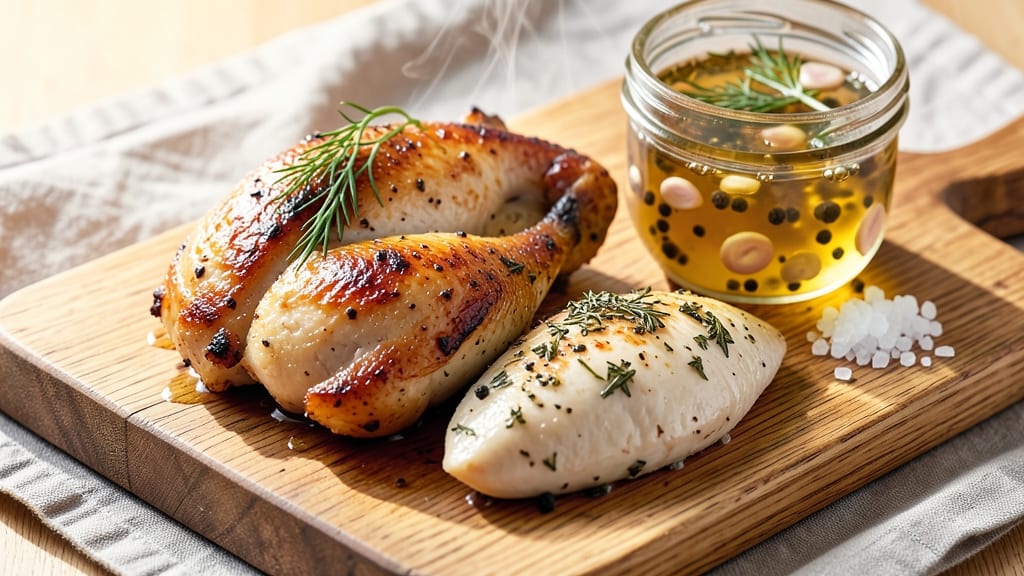
This pickle brine recipe for chicken transforms tough cuts into tender, flavor-packed bites with just a few minutes of marinating. The secret lies in a balanced blend of vinegar, salt, and spices that break down proteins while infusing bold tangy notes—no fancy equipment required.
I developed this after years of testing brines that either fell flat or overpowered the meat, and this version delivers consistent results every time.
The beauty of this brine is its versatility—use it for chicken, pork, or even vegetables, adjusting the marinating time based on your protein.
The recipe calls for simple pantry staples like white vinegar, salt, and sugar, but the optional variations (spicy, herbed, or sweet) let you customize it to your taste. Unlike store-bought marinades, this brine keeps well in the fridge for up to a month, making it a foolproof pantry staple.
What you’ll achieve is meat that’s not just tender but bursting with flavor—juicy, slightly tangy, and perfectly seasoned without being overpowering. The brine works its magic through osmosis, ensuring every bite is infused with that signature pickle-like brightness.
Whether you’re prepping for a weeknight dinner or a weekend cookout, this marinade cuts prep time while elevating the final dish.
For best results, let the chicken marinate for at least 30 minutes (or up to 4 hours for deeper flavor). The same brine can also be used for quick-pickled vegetables or as a tangy dip—proof that a little liquid can do a lot. Here’s everything you need to get started.
Ingredients for pickle brine recipe for chicken
A few pantry staples transform into a magical marinade that tenderizes chicken while adding tangy depth.
| Ingredient | Amount | Notes |
|---|---|---|
| White Vinegar 🍶 | 1 ½ cups | Distilled, 5% acidity preferred |
| Water 💧 | 1 ½ cups | Filtered or bottled preferred |
| Kosher Salt 🧂 | ½ cup | Diamond Crystal preferred |
| Granulated Sugar 🍚 | ¼ cup | White or raw preferred |
| Garlic Cloves 🧄 | 4 cloves | Peeled, roughly chopped |
| Black Peppercorns 🌶️ | 1 tbsp | Crushed, not ground |
| Mustard Seeds 🌿 | 1 tsp | Yellow or brown preferred |
| Dried Dill Weed 🌿 | 1 tbsp | Or 1 tsp fresh dill |
| Red Pepper Flakes 🔥 | 1 tsp | Adjust for heat preference |
| Fresh Dill Sprigs 🌿 | 2 whole | For garnish and aroma |
The vinegar is non-negotiable here—distilled white vinegar has the perfect balance of acidity for both tenderizing and flavor infusion. Trader Joe's or Whole Foods carry high-quality options, but the store brand works fine if it's labeled as 5% acidity. For the salt, Diamond Crystal kosher salt dissolves beautifully and is less likely to crystallize in the brine. If you're using raw sugar, it adds subtle molasses notes that complement the tanginess. The garlic and peppercorns should be freshly crushed—pre-ground pepper loses its punch quickly, and pre-minced garlic lacks texture. I like to toast the mustard seeds in a dry pan for 30 seconds before adding to deepen their flavor, but it's optional.
No mustard seeds? 1/2 tsp ground mustard works in a pinch, though texture will differ. Short on fresh dill? Double the dried amount, but crush it slightly to release more aroma. Want extra tang? Add 1 tbsp lemon juice at the end. For a sweeter profile, bump the sugar to 1/3 cup. The red pepper flakes can be swapped for 1/2 tsp cayenne powder if you prefer a smoother heat. Pro tip: If your vinegar smells like vinegar (not acrid), it's fresh enough—older vinegar has a harsh, pungent aroma that can overpower the brine.
This brine keeps for up to 1 month in an airtight container in the fridge, so make a big batch. For best results, store the garlic and dill sprigs separately and add them fresh when using. The brine can be reused 2-3 times for maximum flavor extraction—just replenish any evaporated liquid with water. For chicken, marinate for 30 minutes to 4 hours depending on cut thickness. The same brine works wonders on pork chops or even cauliflower for a quick-pickled side—just reduce marinating time to 15-20 minutes for vegetables.
Why You'll Love This Recipe
- No-Pan, No-Problem Magic: I swear by this recipe because it’s the only marinade I can make while scrolling through my phone—just toss everything into a saucepan, let it simmer for 5 minutes, then walk away. The garlic and mustard seeds do all the work while you handle the rest of dinner (or binge your favorite show).
- Tangy-Sweet Crunch in Every Bite: That 15-minute steep? Total game-changer. The crushed black peppercorns and red pepper flakes give it a slow-building heat, while the sugar and vinegar create this perfect balance—like a pickle’s bite with the richness of garlic. My kids still fight over the last piece, and I haven’t even told them it’s “healthy.”
- Weeknight BBQ Hack: Grilling? Air frying? Even throwing it on the stove—this brine turns plain chicken into star quality. I’ve used it for everything from summer picnics to lazy Sunday breakfasts, and the leftover brine? Perfect for dipping fries or basting while it cooks. (Yes, even on a Tuesday night.)
- Budget-Friendly Flavor Bomb: Honestly, the ingredients cost less than takeout, but the taste? Way better. That ½ cup of kosher salt and ¼ cup sugar might sound like a lot, but they’re the secret to tenderizing without breaking the bank. Plus, one batch lasts me a month—so I’m basically paying for marinade for free.
Step-by-step instructions for zesty chicken pickle brine
This marinade transforms tough chicken into tender, flavorful bites in minutes.
Combine the Base Brine Ingredients
In a medium saucepan, pour in the 1.5 cups white vinegar and 1.5 cups water. Bring to a boil over medium-high heat, then reduce to a simmer for 5 minutes to sterilize the liquid. This step ensures your brine starts with a clean foundation—no off flavors will sneak in.
While the mixture heats, add the 0.5 cup kosher salt and 0.25 cup granulated sugar. Stir constantly until both dissolve completely. The salt will dissolve more slowly than the sugar, so keep stirring for at least 3 minutes until no graininess remains. This balance of salt and sugar creates the perfect osmotic environment to tenderize the chicken while adding depth of flavor.
Infuse with Aromatics and Spices
Remove the saucepan from heat and let it cool slightly for 2 minutes—just enough to prevent the garlic from burning. Add the 4 cloves roughly chopped garlic cloves, 1 tbsp crushed black peppercorns, 1 tsp mustard seeds, 1 tbsp dried dill weed, and 1 tsp red pepper flakes. Stir gently to distribute the spices evenly throughout the warm brine.
Here's the thing—mustard seeds and peppercorns need time to release their oils and flavors. Let the mixture steep off the heat for 15 minutes, covered with a lid. You'll notice the liquid darkens slightly and develops a rich, aromatic scent. This infusion is what transforms a simple brine into a complex marinade that penetrates the chicken deeply.
Finish with Fresh Herbs and Strain
After the spices have steeped, add the 2 whole fresh dill sprigs to the saucepan. Gently stir once or twice to release their essential oils, but avoid crushing them—you want the delicate dill flavor to infuse, not overpower. Let the brine sit uncovered on the counter for 10 minutes to cool to room temperature. The fresh dill adds a bright, herbal note that balances the vinegar's acidity.
Once cooled, strain the brine through a fine-mesh sieve into a clean glass jar or airtight container. Discard the solids—no need to waste the aromatic bits, but you want a smooth marinade without texture. The strained brine should have a deep amber color and a complex aroma combining tangy, spicy, and herbal notes. This is your ready-to-use marinade that will work magic on chicken in minutes.
Marinate the Chicken (Critical for Tenderness)
Place your chicken pieces—whether thighs, drumsticks, or breasts—in a shallow dish or resealable bag. Pour the cooled brine over the chicken, ensuring every piece is fully submerged. For best results, marinate for at least 30 minutes, but don't exceed 4 hours—the acidity in the vinegar will tenderize the meat but can start to "cook" it if left too long.
For even more tender results, let the chicken marinate in the refrigerator for 1-2 hours, stirring the dish occasionally to redistribute the brine. You'll notice the chicken absorbs the liquid and develops a slightly glossy surface—this is your visual cue that the marinade is working. When ready to cook, simply drain the chicken (reserve the leftover brine for dipping or basting) and proceed with your preferred cooking method.
Pro Tips For Making Pickle Brine Recipe For Chicken
- Boil, Then Simmer: DESCRIPTION: I used to blast this on high heat until it smelled like vinegar overload—now I boil it hard for 30 seconds, then simmer exactly 5 minutes. That sterilizes the liquid without turning it into harsh acid soup, and the sugar dissolves cleaner. The recipe’s 5-minute simmer isn’t just a suggestion; it’s the difference between a balanced brine and one that tastes like you’re pickling your regret.
- Crush Peppercorns Right: DESCRIPTION: Skip the pre-ground pepper—it loses potency fast. Use a mortar and pestle or roll them with the flat of a knife until they’re cracked but not dust. Whole peppercorns? Toss them. You want those oils to bloom during the 15-minute steep, not float around like lazy confetti. (Yes, I’ve done that. No, it’s not fun.)
- Don’t Rush the Steep: DESCRIPTION: That 15-minute covered steep isn’t optional—it’s when the mustard seeds and garlic actually work. I learned this after making a batch where I cut it to 10 minutes and ended up with a brine that tasted like vinegar with a side of disappointment. Cover it, walk away, and let the spices wake up. The darkening liquid is your reward.
- Strain Like a Pro: DESCRIPTION: Use a fine-mesh sieve—not a colander, not cheesecloth (unless you want sediment). Press the solids gently with a spoon to extract every last drop of flavor, but don’t mash the garlic or dill into paste. The goal is smooth, not pulpy. I once skipped this step and ended up with a brine that tasted like I’d blended in a handful of herbs. (Spoiler: It wasn’t pretty.)
Regional styles of pickle brine recipe for chicken
Southern Comfort Style
In the American South, this brine gets a smoky, slightly sweet twist with the addition of ½ tsp smoked paprika and 1 tbsp brown sugar instead of white. I like to include 2-3 dried bay leaves during the steeping process for that classic Southern depth.
The result is a marinade with subtle wood-fired notes that pair perfectly with grilled chicken. This version is especially popular for BBQ chicken dishes, where the tangy brine balances the smoky sauce. 🔥
Carolina-Style Spicy Pickle Brine
Carolina cooks love heat, so I boost the spice level by adding 1 tbsp Penzeys Carolina Reaper hot sauce (or 1 tbsp hot sauce of choice) to the cooled brine. For extra kick, I also include ½ tsp cayenne pepper during the steeping phase.
This version works beautifully with crispy fried chicken or slow-cooked pulled chicken, where the spicy brine adds a fiery contrast to the rich flavors. The heat lingers just enough to make every bite memorable.
German-Style Mustard Brine
German-style brines incorporate 2 tbsp whole-grain mustard (not powdered) that's gently heated with the vinegar and water before adding other spices. This creates a tangy, grainy texture that's distinct from the smooth American version. I add 1 tbsp caraway seeds during the steeping process for an authentic German touch.
This brine pairs wonderfully with roast chicken or sausages, offering a complex flavor profile that's both tangy and earthy. 🌟
Indian-Style Turmeric Brine
For an Indian-inspired twist, I replace the red pepper flakes with 1 tsp ground turmeric and add ½ tsp ground cumin and ½ tsp ground coriander during the steeping process. The turmeric gives the brine a beautiful golden color while adding earthy warmth.
This version works exceptionally well with tandoori-style chicken or curry dishes, where the tangy brine complements the spices beautifully. The result is a marinade that's both vibrant and aromatic.
Mediterranean Herb Brine
Mediterranean cooks focus on fresh herbs, so I use 2 tbsp dried oregano and 1 tbsp dried thyme instead of dill, along with 1 tsp lemon zest for brightness. The addition of 1 tbsp olive oil (instead of water) creates a richer marinade that's perfect for grilled chicken skewers.
This version pairs beautifully with Middle Eastern dishes like shawarma or lamb kebabs, offering a fresh, aromatic contrast to the smoky grill flavors. The herbs infuse beautifully into the chicken, creating a complex flavor profile.
Nutrition facts
Frequently asked questions
Can I use apple cider vinegar instead of white vinegar?
Yes, but expect a slightly sweeter, fruitier flavor. Apple cider vinegar works well in a 1:1 ratio, though it may add subtle apple notes that complement the dill and garlic. For a more traditional tang, stick with white vinegar—its consistency ensures reliable tenderizing without competing flavors.
How do I adjust this brine for vegetables instead of chicken?
For quick-pickled vegetables like cucumbers or carrots, reduce the marinating time to 15-20 minutes and omit the sugar—veggies don’t need tenderizing. Add 1 tbsp lemon juice for extra brightness and cut the red pepper flakes to ½ tsp to avoid overpowering delicate textures.
What’s the best way to store leftover brine?
Transfer the strained brine to an airtight glass jar and refrigerate for up to 1 month. For longer storage, freeze in ice cube trays—thawed cubes work great for basting or diluting with water for a lighter marinade. Always store the garlic and dill sprigs separately to preserve freshness.
Can I make this brine without sugar?
Omit the sugar entirely for a sharper, more acidic profile—ideal for spicy dishes. The salt and vinegar will still tenderize the chicken, though the flavor will lean toward tangy rather than balanced. For a sweeter alternative, swap in 1 tbsp honey or maple syrup instead.
Why did my brine turn cloudy?
Cloudiness usually means undissolved salt or sugar. Stir vigorously for 5 extra minutes while heating, or strain again through a fine-mesh sieve. If the issue persists, your vinegar may be old—opt for fresh 5% acidity vinegar next time. A slight haze is normal, but cloudiness indicates incomplete dissolution.