
Sauces & Condiments
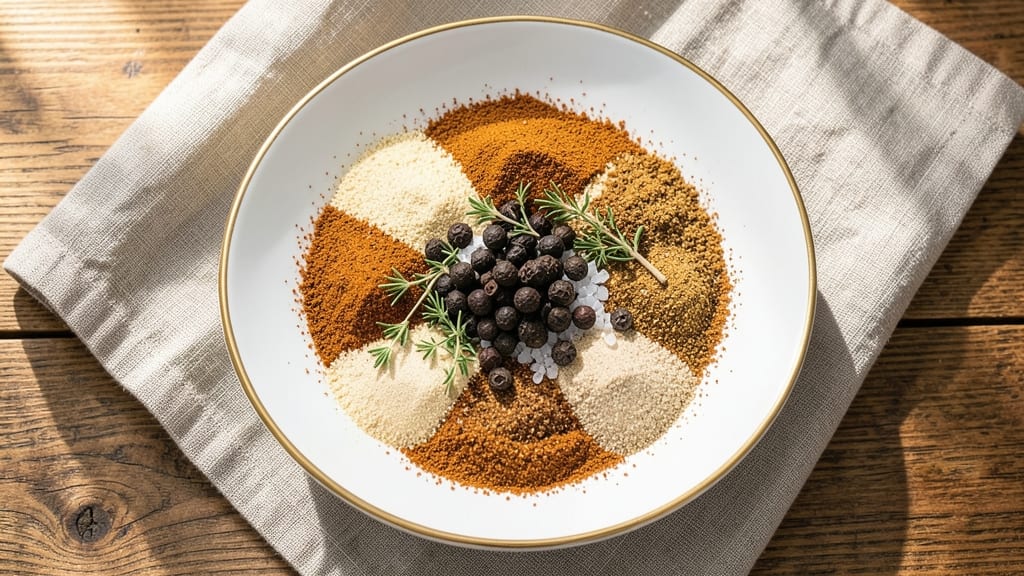
Creating a McCormick-style chicken seasoning at home delivers restaurant-quality flavor with just a handful of simple ingredients. This dry herb blend transforms ordinary chicken into juicy, aromatic perfection—whether grilled, roasted, or baked.
I’ve perfected this recipe over years of testing, ensuring every batch delivers bold, balanced flavor without the need for store-bought shortcuts.
The secret lies in the precise ratio of herbs and spices: paprika for warmth, garlic powder for depth, and dried thyme for earthiness. A pinch of black pepper and onion powder adds complexity, while salt ties everything together.
This blend stays fresh for months in an airtight container, ready to elevate any chicken dish with minimal effort.
What you’ll get is a versatile seasoning that works equally well on whole chickens, breasts, or thighs. The herbs infuse the meat with layers of flavor, keeping it moist and irresistible. Whether you’re hosting a barbecue or prepping weeknight dinners, this blend cuts prep time while delivering professional results.
For extra depth, try adding a dash of cayenne for heat or smoked paprika for a BBQ-inspired twist. Store in a labeled jar to keep your pantry stocked for juicy, flavorful chicken anytime. Let’s make this blend—your taste buds will thank you.
Ingredients for mccormick chicken seasoning
A few simple spices. One jar. Better than any store-bought packet for juicy chicken.
| Ingredient | Amount | Notes |
|---|---|---|
| Paprika 🌶️ | 2 tbsp | Smoked or sweet variety preferred |
| Garlic Powder 🧄 | 1 tbsp | Freshly ground preferred |
| Dried Thyme 🌿 | 1 tbsp | Not thyme-flavored seasoning |
| Onion Powder 🧅 | 1 tbsp | Freshly ground for best flavor |
| Black Pepper 🌶️ | 1 tsp | Freshly cracked preferred |
| Salt 🧂 | 1 tsp | Kosher or sea salt |
| Ground Ginger 🌿 | ½ tsp | Adds subtle warmth |
| Dried Parsley Flakes 🌿 | ½ tsp | Brightens the blend |
| Cayenne Pepper 🔥 | ¼ tsp | Adjust for heat preference |
The paprika is the backbone here—smoked gives a BBQ vibe, while sweet keeps it classic. Penzeys or McCormick brands are reliable for consistent quality, but bulk bins at natural markets often have fresher spices. Thyme and parsley flakes are non-negotiable for that fresh-herb brightness. If you're buying dried thyme, grab the loose kind (the brown stems are more potent than green). For the garlic powder, freshly ground makes a world of difference—if you've got whole cloves, toast and grind them quickly in a spice grinder.
No smoked paprika? Regular paprika plus a pinch of liquid smoke works in a pinch. Short on parsley? Dried basil at half the amount gets you close. Want more heat? Double the cayenne or add a pinch of crushed red pepper. The ginger adds warmth without overpowering—skip it if you're sensitive to spice. For extra depth, toast all your spices in a dry pan for 30 seconds before blending (that's what gives store-bought mixes their depth). And if you're making a big batch, Costco or Sam's Club sell spices in bulk containers that save money.
Glass jar with a tight seal keeps this blend fresh for 6-12 months—way longer than store-bought packets. I portion mine into small jars so I always have it ready for quick chicken seasoning. Store in a cool, dark place (like your spice cabinet) away from heat. This makes enough for about 10-12 seasonings, so you'll have leftovers for other proteins too. Label it clearly—trust me, you'll forget what it is after a few months!
Why You'll Love This Recipe
- No Fuss, No Clumps: I love that this blend takes less than 10 minutes to toss together—just measure, whisk, and you’re done. The sifting step might feel fussy, but honestly, it’s worth it to avoid those pesky clumps ruining your seasoning distribution. My whisk gets a workout, but the result? Perfectly even flavor every single time.
- Smoky-Spicy Magic: The smoked paprika and cayenne pepper give this blend that je ne sais quoi—deep, smoky warmth with just a hint of kick. I’ll be real: that tiny 0.25 teaspoon of cayenne makes all the difference, but you can dial it back if you’re not a heat lover. The garlic powder and thyme? They’re the unsung heroes, turning plain chicken into something restaurant-worthy.
- Weeknight Meal Maker: This isn’t just for grilled chicken—it’s my secret weapon for roasted thighs, crispy chicken nuggets (yes, really), or even spicing up a simple stir-fry. I use it on chicken breasts before breading, and the flavor stays even after frying. It’s the kind of seasoning that makes meal prep feel exciting instead of tedious.
- Budget-Friendly Treasure: For less than the cost of a single pre-made packet, you get a blend that lasts months in the pantry. I’ve got jars from last year still going strong—no waste, no guilt. Plus, buying spices in bulk means I can experiment with other dishes too. It’s the kind of investment that pays off in flavor and savings.
Step-by-step instructions for juicy grilled chicken seasoning
Here's how to blend these spices into a powerful mix that transforms ordinary chicken into restaurant-quality.
Measure All Ingredients Precisely
Start by gathering all your ingredients in individual bowls or ramekins. I like to use small measuring spoons for accuracy—especially with the tiny amounts like the 0.25 teaspoon cayenne pepper and 0.5 teaspoon ground ginger. The paprika should be the first one you measure out since it's the most abundant at 2 tablespoons. This is where the magic begins, so don't rush this step.
Real talk: Using too much cayenne pepper can overpower the dish, while too little won't deliver that subtle kick that makes this blend special. The 1 tablespoon dried thyme and 1 tablespoon onion powder should be measured next—they form the aromatic backbone of the seasoning. I always sift these through a fine-mesh strainer to eliminate any clumps that could create uneven seasoning distribution later.
Combine Dry Ingredients Thoroughly
In a medium bowl, add the 2 tablespoons paprika, 1 tablespoon garlic powder, 1 tablespoon dried thyme, 1 tablespoon onion powder, 1 teaspoon black pepper, 1 teaspoon salt, 0.5 teaspoon ground ginger, 0.5 teaspoon dried parsley flakes, and 0.25 teaspoon cayenne pepper. Here's the thing—this is where you want to be gentle but thorough. Use a whisk to combine everything until you see no more streaks of individual spices.
This ensures every pinch of chicken gets that perfect balance of smoky, garlicky, and slightly spicy flavor. I like to press the spices through my fingers lightly as I whisk to break up any remaining clumps. The mixture should look uniform with a deep reddish-brown hue from the paprika. This is your visual cue that everything is properly blended.
Store Properly for Maximum Flavor
Transfer the finished seasoning blend to an airtight container. I prefer glass jars with tight-fitting lids for this purpose—they keep the spices fresh longer and prevent moisture from seeping in. The blend will keep well in a cool, dark place for up to 3 months, or you can refrigerate it for even longer shelf life if you're not using it frequently.
Here's what I do next: I label the jar with the date and contents so I don't accidentally use an old batch. This seasoning works wonders on grilled chicken, roasted chicken thighs, or even as a dry rub for chicken breasts. The key to juicy results is applying it generously—about 1 tablespoon per pound of chicken—and letting it sit for at least 15 minutes before cooking to allow the flavors to penetrate.
Pro Tips For Making Mccormick Chicken Seasoning
- Sift the Clumps Out: I learned this the hard way—skipping the sift for the 1 tbsp dried thyme and 1 tbsp onion powder leaves gritty bits that ruin the texture. Use a fine-mesh strainer before measuring, especially if your spices are old or lumpy. A few seconds now saves frustration later when your seasoning doesn’t stick evenly to the chicken.
- Toast the Spices First: Sounds weird, but it works: dry-toast the 2 tbsp paprika, 1 tbsp garlic powder, and 1 tbsp onion powder in a pan for 30 seconds before blending. This deepens their flavors—like the difference between store-bought and homemade. Just don’t walk away; burned spices taste bitter, and you’ll regret it.
- Don’t Skip the Cayenne Check: That 0.25 tsp cayenne pepper is tiny for a reason. Taste it before adding to the mix—if you’re sensitive to heat, halve it or swap for a pinch of smoked paprika. Overdoing it turns your perfect blend into a mouth-on-fire disaster, and no one’s saving you from that.
- Whisk Like You Mean It: Gentle isn’t the word here. Use that whisk aggressively—press the spices through your fingers as you go—to break up every last clump. The 2 tbsp paprika should dominate the color, and the mix should look uniform, not speckled. Lazy whisking = uneven flavor, and that’s a crime when you’re this close to restaurant-quality chicken.
Common mistakes when making this recipe
Weighing Too Much Cayenne
One of the biggest mistakes I see is overdoing the 0.25 tsp cayenne pepper. Too much heat can completely overpower the delicate flavors of chicken, leaving you with a dish that’s spicy rather than aromatic.
I’ve learned the hard way that even a ¼ tsp extra can make a tender breast taste harsh instead of savory. Stick to the exact measurement—it’s the subtle kick that enhances, not dominates.
Skipping the Resting Time
After applying the seasoning, I always let the chicken sit for 15 minutes before cooking. Skipping this step means the spices don’t penetrate the meat properly, resulting in flavor on the surface only.
I once rushed a batch and ended up with chicken that tasted like it was just seasoned—no depth at all. Patience here makes all the difference for juicy, flavorful results.
Using Clumpy Spices
If your blend has clumps, it won’t distribute evenly on your chicken. I always sift the dried thyme and onion powder through a fine-mesh strainer to break up any lumps before mixing.
Without this step, you risk uneven seasoning—some parts of the chicken will taste bland, while others get overpowered. A whisk and a gentle finger press help too!
Ignoring Storage Rules
Storing this blend in a non-airtight container is a mistake that ruins freshness. I use glass jars with tight seals to keep the spices vibrant for months. If you leave it exposed to air or moisture, the flavors fade quickly, and you’ll end up with a bland seasoning.
Trust me, the difference is night and day.
Forgetting to Toast Spices
For that extra depth, I toast all the spices in a dry pan for 30 seconds before blending. Skipping this step means missing out on the nutty, aromatic richness that makes store-bought blends so appealing. It’s a quick step that elevates the whole seasoning—don’t skip it!
Overseasoning the Chicken
Using more than 1 tbsp per pound of chicken can make the meat taste salty or spicy. I’ve learned to measure carefully and trust the recipe—too much salt or cayenne can ruin the dish. A little goes a long way, and the flavors will shine without overpowering the meat.
Nutrition facts
Frequently asked questions
How do I adjust the heat level in this seasoning blend?
The 0.25 teaspoon cayenne pepper gives this blend its subtle kick. For milder flavor, reduce it to 0.125 teaspoon or omit it entirely. Want more heat? Increase to ½ teaspoon or add a pinch of crushed red pepper flakes. Always taste as you go—small adjustments make the biggest difference!
Can I use this seasoning on other proteins besides chicken?
This blend works beautifully on turkey, pork chops, or even veggie burgers. It's especially great for grilled or roasted meats. Just reduce the amount slightly for delicate fish—½ teaspoon per pound will prevent overpowering the mild flavors.
Why does my seasoning have clumps after mixing?
Clumps happen when spices aren't properly broken up. Always sift the dried thyme and onion powder through a fine-mesh strainer first. After whisking, gently press the mixture through your fingers to eliminate any remaining lumps. This ensures even distribution on your chicken!
How much seasoning should I use for different chicken cuts?
For breasts or tenders, use 1 teaspoon per pound to avoid dryness. For thighs or drumsticks, go with 1 tablespoon per pound—they can handle more flavor. Always let the seasoning sit for 15 minutes before cooking for maximum flavor penetration.
Can I make this blend without smoked paprika?
Yes! If you don't have smoked paprika, use regular paprika and add ¼ teaspoon liquid smoke for that smoky depth. The flavor will be slightly different but still delicious. For extra smokiness, toast the paprika in a dry pan for 30 seconds before mixing!