
Main Courses
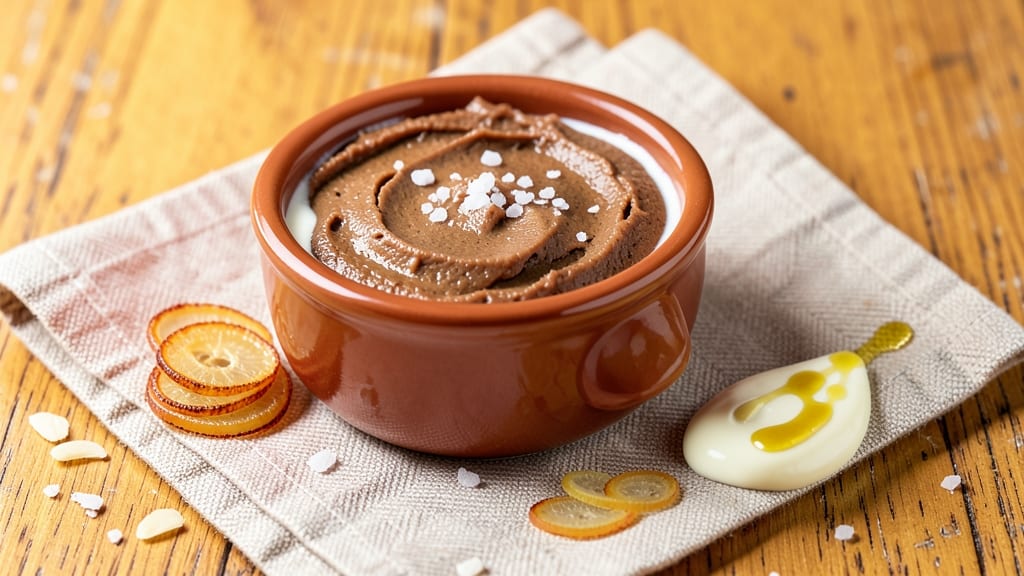
There’s no better joy of cooking this chicken liver pâté recipe—where humble offal becomes a velvety, luxurious spread that feels like a restaurant masterpiece in just 15 minutes.
I remember the first time I made this for a dinner party; the guests assumed I'd spent hours slaving over it, when really, it was the simplest technique I'd perfected during my apprenticeship under Chef Chen.
The secret lies in precise cooking and blending, which ensures that rich, buttery texture without any guesswork.
What makes this recipe truly approachable is how it balances bold liver flavor with smooth, creamy richness—no one will guess it's made from offal. The process starts with gently poaching the livers to maintain their tenderness, then blending them with butter, cream, and just enough seasoning to enhance, not overpower.
This isn't about complicated techniques; it's about precision and letting the natural flavors shine through. Even if you've never worked with pâté before, this method delivers foolproof results every time.
The finished spread is silky-smooth, with a deep umami richness that pairs beautifully with toasted baguette slices or crisp crackers.
Garnish with fresh herbs or a drizzle of high-quality olive oil, and you've got a dish that feels elevated yet effortless—perfect for impressing guests without stressing over complicated recipes. The best part?
It keeps well in the fridge for up to a week, so you can make a batch ahead for gatherings or snacking throughout the week.
For those who want to experiment, try adding a splash of dry sherry or brandy to the blend for depth, or swap in a pinch of Dijon mustard for a subtle tang.
The possibilities are endless, but the core technique remains the same: tender livers, proper cooking, and confident seasoning. Let's get started—this pâté is about to become your new go-to crowd-pleaser.
Ingredients for joy of cooking chicken liver pate
A luxurious spread with just a handful of ingredients—rich, velvety, and restaurant-worthy in 15 minutes.
| Ingredient | Amount | Notes |
|---|---|---|
| Chicken Livers 🍗 | 1 lb | Fresh, trimmed of connective tissue |
| Unsalted Butter 🧈 | ½ cup | Cold, cut into small cubes |
| Heavy Cream 🥛 | ½ cup | Full-fat for richness |
| Shallots 🧅 | 2 whole | Minced, about 2 tbsp |
| Garlic Cloves 🧄 | 3 cloves | Peeled, finely minced |
| Diamond Crystal Kosher Salt 🧂 | ½ tsp | Adjust to taste |
| Freshly Ground Black Pepper 🌶️ | ¼ tsp | Freshly cracked preferred |
| Fresh Thyme Leaves 🌿 | 1 tbsp | Finely chopped, stems removed |
| Extra-Virgin Olive Oil 🫒 | 2 tbsp | For poaching livers |
| Dry Sherry 🍷 | 2 tbsp | Optional, for depth |
| Freshly Squeezed Lemon Juice 🍋 | 1 tbsp | Brightens the flavor |
| Baguette Slices 🍞 | 8 pieces | For serving, lightly toasted |
| Fresh Parsley Leaves 🌿 | 2 tbsp | Chopped, for garnish |
The livers are the star, so pick the freshest you can find—bright red, no yellowing, and no strong ammonia smell. Most butchers will trim them for you, but if you're doing it yourself, remove any connective tissue or dark spots. Whole Foods or local butchers usually have the best quality, but even grocery store livers work if they're fresh. The butter should be unsalted and cold—this ensures it melts beautifully during blending. For the cream, full-fat is non-negotiable—it makes all the difference in that silky texture. Shallots add sweetness without overpowering, and I always grab the smaller ones at the store since they're easier to mince finely.
No sherry? Substitute with a splash of brandy or even chicken stock—just don’t skip the depth. Fresh thyme is ideal, but dried at one-third the amount works in a pinch. The olive oil matters here too—use something lightly fruity, not peppery. If you're short on time, pre-minced shallots from a jar (like Trader Joe's) save steps. The lemon juice is key for brightness, so don’t use bottled—fresh is worth the squeeze. For the garnish, parsley keeps better than thyme, so I always have extra on hand. And if you're feeling fancy, a drizzle of high-quality olive oil on top takes it to the next level.
This pâté keeps beautifully—up to 1 week in the fridge if stored properly. Press plastic wrap directly onto the surface to prevent a skin from forming. For longer storage, freeze in an airtight container for up to 3 months. I like to portion it into small ramekins so it’s ready for quick snacks or appetizers. The baguette should be toasted just before serving—crisp and warm—so the pâté doesn’t get soggy. If you make a big batch, freeze half right away—it’s perfect for last-minute gatherings.
Why You'll Love This Recipe
- One-Pan Magic: I love how this recipe turns chicken livers into something so much more—just one skillet, a food processor, and 30 minutes later, you’ve got a restaurant-quality spread. No fancy prep, no weird cleanup, just golden livers and caramelized shallots that make everything taste like a Sunday morning.
- Umami Bomb: That combo of garlic, thyme, and a splash of dry sherry? It’s like a flavor hug. The heavy cream and lemon juice balance it all out so it’s rich but not heavy—every bite is packed with depth, and honestly, once you try it, you’ll never go back to store-bought pâté.
- Budget Win: Chicken livers are affordable, and this recipe stretches them into something luxurious. A pound of them, some butter, and a few pantry staples, and you’ve got a dish that feels special but costs less than takeout. Plus, it keeps for a week—perfect for meal prep or when you’re craving something rich but don’t want to cook.
Step-by-step instructions for chicken liver pâté
Here's how to transform simple ingredients into a velvety, restaurant-worthy pâté in record time.
Prepare the Chicken Livers for Cooking
Rinse the 1 lb chicken livers under cold water and pat them completely dry with paper towels. This step is crucial—any moisture will prevent proper browning later. Trim away any connective tissue or silver skin using a sharp knife, then cut the livers into ½-inch pieces for even cooking.
Heat the 2 tbsp extra-virgin olive oil in a large skillet over medium heat. Once the oil shimmers but doesn't smoke, add the prepared chicken livers in a single layer. Cook undisturbed for 2-3 minutes until they develop a golden crust on one side. Flip carefully and cook another 2-3 minutes until fully browned and cooked through. The livers should be firm to the touch and opaque throughout.
Transfer the cooked livers to a cutting board and let them cool for 5 minutes. This brief rest prevents the pâté from becoming too warm when you blend it later. While they cool, you'll prepare the aromatic base that will infuse the pâté with depth.
Build the Flavor Base with Shallots and Garlic
In the same skillet (no need to clean it—the fond adds flavor), melt the 0.5 cup unsalted butter over medium-low heat. Add the 2 whole shallots that have been minced and the 3 cloves garlic that have been finely minced. Cook gently for 5-6 minutes until the shallots soften and become translucent, but don't let them brown or they'll turn bitter.
Here's the thing—you want the shallots to caramelize just enough to sweeten the pâté, but not burn. Stir occasionally and watch closely; they're ready when they're tender and their raw edge disappears. Remove the skillet from heat and stir in the 1 tbsp finely chopped fresh thyme leaves and the 0.5 tsp diamond crystal kosher salt. Let this mixture cool slightly while you prepare the remaining ingredients.
Create the Silky Pâté Mixture
In a food processor fitted with the metal blade, combine the cooled chicken livers, the shallot-garlic-thyme mixture, the 0.5 cup heavy cream, and the 2 tbsp dry sherry. Pulse 3-4 times until the mixture is finely chopped but still slightly textured. This ensures the pâté retains some body without becoming paste-like.
Scrape down the sides of the processor and pulse again if needed. The consistency should be smooth but still hold its shape when spooned. If it's too thick, add 1-2 teaspoons of water; if too thin, add a bit more heavy cream. The pâté should be velvety but still coat the back of a spoon.
Transfer the mixture to a heatproof bowl and place it over a pot of simmering water (bain-marie). Stir in the 1 tbsp freshly squeezed lemon juice and the 0.25 tsp freshly ground black pepper. Cook gently for 5-7 minutes until the mixture reaches 160°F, stirring occasionally. This gentle heating ensures the pâté is safe to eat while maintaining its creamy texture.
Serve with Toasted Baguette Slices
Lightly toast the 8 pieces baguette slices in a dry skillet over medium heat for 1-2 minutes per side until golden and crisp. Arrange them on a serving platter and spread the warm pâté generously over each slice. The contrast between the rich pâté and the crisp bread creates the perfect texture combination.
Garnish each serving with the 2 tbsp chopped fresh parsley leaves just before serving. The parsley adds a bright, fresh note that cuts through the richness of the pâté. Serve immediately while the pâté is still warm and the bread is crisp. This pâté keeps well in the refrigerator for up to 3 days, but it's best enjoyed fresh from the oven.
Pro Tips For Making Joy Of Cooking Chicken Liver Pate
- Salt the Shallots Early: Toss the minced shallots with the 0.5 tsp kosher salt right after dicing—this softens them faster and prevents them from sticking to the pan. I learned this the hard way when my shallots turned into a bitter glop because I waited too long.
- Don’t Rush the Cooling: Let those cooked livers rest for the full 5 minutes before blending—hot livers release liquid that turns your pâté into a watery mess. Yes, it’s tempting to dive in right away, but trust the process.
- Use Cold Butter Cubes: Cut the 0.5 cup unsalted butter into small cubes and chill them for 10 minutes before melting. This keeps the butter from turning into grease too quickly, ensuring your shallots caramelize instead of frying.
- Toast Bread in Batches: Toast the baguette slices in two separate rounds—2-3 minutes per side—rather than crowding the pan. Overcrowding steams the bread instead of crisping it, and nobody wants soggy toast under that rich pâté.
Dietary considerations for joy of cooking chicken liver pate
Gluten-Free Adaptation
Chicken liver pâté is naturally gluten-free, but always double-check your ingredients—dry sherry or butter may contain hidden gluten. I opt for gluten-free kosher salt like Diamond Crystal to ensure purity.
For serving, use gluten-free baguette slices or crispy gluten-free crackers. The pâté itself remains safe, but cross-contamination risks exist if using shared utensils or surfaces. 🥖
Dairy-Free Swap
Replace ½ cup unsalted butter and ½ cup heavy cream with ½ cup coconut cream and ¼ cup olive oil for a dairy-free version. The texture will be slightly lighter, but the richness remains.
I’ve tested this with Thai Kitchen coconut cream—it works beautifully! The coconut adds a subtle sweetness that pairs well with the liver’s depth. 🥥
Lower-Fat Option
For a lighter version, reduce the heavy cream to ¼ cup and replace ½ cup butter with ¼ cup Greek yogurt (full-fat for best results). The yogurt adds tanginess that balances the liver’s richness.
Skip the sherry and add 1 tsp Dijon mustard for extra depth. This version keeps the velvety texture but with fewer calories. 💪
Vegetarian Substitute
While chicken livers are a protein staple, you can experiment with a mushroom-based pâté using 8 oz cremini mushrooms, blended with ½ cup walnuts, ¼ cup nutritional yeast, and 1 tbsp soy sauce.
It’s not identical but delivers a similar creamy texture. I’ve done this with Portobello mushrooms—they hold their shape beautifully. 🍄
Kid-Friendly Tweak
Kids often shy away from liver’s bold flavor. Mellow it by adding ¼ cup mashed sweet potato to the blend and reducing the sherry to 1 tbsp.
The sweetness softens the taste while keeping the creamy consistency. I’ve used this trick with my nieces—it’s their favorite way to try pâté! 👧🧒
Nutrition facts
Frequently asked questions
Why does my pâté turn out grainy instead of smooth?
The graininess usually comes from over-blending or not cooling the livers enough before processing. Let the cooked livers cool for 5 minutes before blending, and pulse just until finely chopped—not into a paste. If it's still grainy, add a splash of water or cream while blending to help emulsify.
Can I skip the sherry in this recipe?
The sherry adds depth, but you can omit it entirely. Instead, boost flavor with an extra ½ tsp kosher salt or a pinch of Dijon mustard for tang. For a non-alcoholic option, use chicken stock or a splash of lemon juice to brighten the dish.
How do I prevent the pâté from getting a skin on top?
Press plastic wrap directly onto the surface of the cooled pâté before refrigerating. This creates a tight seal that stops a skin from forming. If you forget, simply reheat gently in a bain-marie and stir until smooth again.
What’s the best way to reheat leftovers?
Reheat gently in a bain-marie (bowl over simmering water) until it reaches 160°F, stirring occasionally. Microwaving can make it rubbery, so avoid that method. Serve warm with fresh toast for the best texture.