
Main Courses
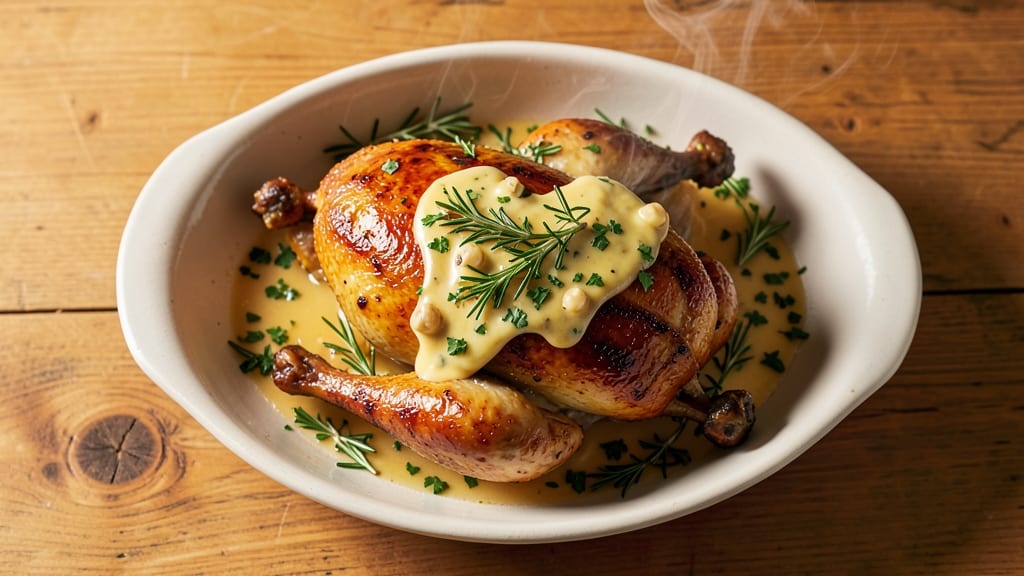
Ina Garten's perfect roast chicken recipe delivers golden, crisp skin and a juicy, flavorful core that becomes the centerpiece of any meal. I've adapted her signature techniques—herb-infused butter basting and precise roasting—to create a dish that feels restaurant-quality without requiring advanced skills.
The secret lies in patience and attention to detail, two elements that transform a simple chicken into something extraordinary.
This method begins with a simple brine that ensures moisture retention, followed by a generous layer of herb-infused butter under the skin. Roasting at a controlled temperature allows the skin to crisp perfectly while the meat stays tender, a balance that takes practice but becomes second nature.
The result is a chicken that shatters expectations—crisp on the outside, succulent on the inside, with an aroma that fills your kitchen and makes everyone anticipate dinner.
What makes this recipe truly special is how it elevates everyday cooking. The herb butter alone adds layers of flavor, while the basting technique ensures every bite is infused with aroma.
This isn't just another roast chicken; it's a showstopper that pairs beautifully with roasted vegetables, a simple salad, or even just crusty bread to soak up the juices. The method is precise, but the outcome is effortless—once you've mastered it, you'll never go back to store-bought.
For those who want to take it further, a quick pan sauce using the roasting juices ties everything together. The key is letting the chicken rest before carving, allowing the juices to redistribute for maximum tenderness.
This recipe isn't just about cooking chicken—it's about creating a memorable experience that turns a simple weeknight dinner into something special. Let's get started on perfecting your roast chicken.
Ingredients for ina garten's perfect roast chicken
Herb-infused butter and precise roasting transform a simple chicken into a restaurant-worthy centerpiece.
| Ingredient | Amount | Notes |
|---|---|---|
| Whole Chicken 🍗 | 4 lb | Fresh, preferably organic, 3-4 lb |
| Unsalted Butter 🧈 | ½ cup | Cold, cut into small cubes |
| Fresh Rosemary 🌿 | ¼ cup | Finely chopped, stems removed |
| Fresh Thyme 🌿 | ¼ cup | Leaves only, finely chopped |
| Fresh Parsley 🌿 | ¼ cup | Finely chopped, flat-leaf preferred |
| Garlic Cloves 🧄 | 6 cloves | Minced, for butter infusion |
| Diamond Crystal Kosher Salt 🧂 | 1 ½ tbsp | For brine and seasoning |
| Black Peppercorns 🌶️ | 1 tsp | Freshly cracked, coarse grind |
| Fresh Lemon Juice 🍋 | ¼ cup | For basting and flavor |
| Extra-Virgin Olive Oil 🫒 | 2 tbsp | For basting and skin crisping |
| Heavy Cream 🥛 | ¼ cup | For pan sauce, full-fat preferred |
| Chicken Stock 🍲 | ½ cup | Homemade or high-quality store-bought |
The chicken is the foundation—look for a 3-4 lb bird with good marbling and vibrant skin. Whole Foods or local butchers often carry organic options that yield superior results. Fresh herbs are non-negotiable; Trader Joe's has excellent pre-chopped blends, but I prefer to chop my own for maximum flavor. The unsalted butter should be cold and cubed to create a flavorful crust under the skin. For the garlic, peel and mince it just before mixing with the butter to preserve its potency. If you're feeling ambitious, Costco sells organic chickens that consistently deliver exceptional texture.
No fresh rosemary? Dried rosemary at half the amount works in a pinch, but the flavor won't be as vibrant. Short on time? Pre-minced garlic from the jar is acceptable, though freshly minced elevates the dish. For the brine, Diamond Crystal kosher salt dissolves perfectly, but Morton is a fine substitute. The lemon juice should be freshly squeezed—bottled juice lacks the bright acidity needed for balance. If you're making this ahead, prepare the herb butter mixture up to 24 hours in advance and store it wrapped in parchment in the fridge for deeper flavor infusion.
The herb butter can be refrigerated for up to 3 days or frozen for 3 months in an airtight container. The roasted chicken maintains peak quality for 3-4 days in the fridge, though it's best enjoyed within 2 days for optimal crispness. For leftovers, reheat gently at 325°F until warmed through to preserve moisture. The pan sauce keeps well for 2 days in the fridge and can be reheated with a splash of chicken stock to restore richness. Portion the chicken into individual containers for easy meal prep—just reheat covered at 350°F for 15 minutes.
Why You'll Love This Recipe
- Herb Butter Hack: I make the herb butter log the night before—just mix all the cold butter, garlic, rosemary, thyme, parsley, salt, and peppercorns, then refrigerate it. By morning, it’s ready to stuff the chicken, and I’ve already saved 10 minutes of prep. No last-minute chopping chaos.
- Crispy Magic: That first blast at 425°F for an hour? Game-changer. The skin turns golden and crackly while the meat stays juicy, thanks to the lemon-chicken stock basting liquid. Trust me, the contrast of crispy skin and tender flesh is what makes this dish unforgettable.
- Leftovers Reinvented: The pan sauce alone is worth making this twice. I’ll drizzle it over pasta, mix it into mashed potatoes, or even use it as a marinade for grilled veggies later in the week. Zero waste, maximum flavor.
- Budget-Friendly Feast: A 4 lb chicken feeds six people, and the ingredients are simple but impactful—fresh herbs, butter, and stock. No expensive cuts or fancy shortcuts, just a dish that tastes like you spent all day on it (but you didn’t).
Step-by-step instructions for Ina Garten's perfect roast chicken
Here's the method that delivers legendary crisp skin and impossibly juicy meat every time.
Prepare the Herb-Infused Butter and Season the Chicken
In a small bowl, combine the 0.5 cup unsalted butter, 6 cloves minced garlic, 0.25 cup chopped fresh rosemary, 0.25 cup chopped fresh thyme, 0.25 cup chopped fresh parsley, 1.5 tablespoons diamond crystal kosher salt, and 1 teaspoon cracked black peppercorns. Mix well and shape into a log, wrapping tightly in plastic wrap. Refrigerate until firm.
Remove the 4 lb whole chicken from the refrigerator and let it sit at room temperature for 30 minutes. Pat the chicken dry inside and out with paper towels—this is critical for crisp skin. Stuff the cavity with the herb butter log, then season the outside generously with any remaining herb butter mixture, pressing it into the skin. This ensures maximum flavor penetration and that signature crispy exterior.
Create the Basting Liquid and Preheat the Oven
In a small saucepan, combine 0.25 cup fresh lemon juice, 2 tablespoons extra-virgin olive oil, and 0.5 cup chicken stock. Bring to a gentle simmer over medium heat and let it reduce by half—this creates a concentrated basting liquid that will keep the chicken moist and add brightness. Remove from heat and set aside.
Preheat your oven to 425°F. Place a roasting rack in a large baking sheet and position the chicken breast-side up on the rack. The rack allows air to circulate underneath, preventing soggy skin. Pour the reduced basting liquid into the bottom of the baking sheet—this creates steam that keeps the chicken juicy while roasting.
Roast with Precision Timing and Basting
Roast the chicken for 60 minutes at 425°F, then reduce the oven temperature to 375°F. Every 20 minutes during this time, carefully baste the chicken with the accumulated juices in the pan, using a basting brush. This step is what guarantees that crisp, golden skin while maintaining tender, juicy meat throughout.
Continue roasting for a total of 1 hour and 45 minutes (or until the internal temperature reaches 165°F when measured in the thickest part of the thigh). The skin should be deep golden brown and crisp, while the juices should run clear when pierced with a meat thermometer. Here's the thing—don't rush this. The low-and-slow finish after the initial high heat is what creates that perfect balance of textures.
Rest and Create the Pan Sauce
Transfer the chicken to a cutting board and tent loosely with aluminum foil. Let it rest for 15 minutes before carving. This resting period allows the juices to redistribute throughout the meat, ensuring every slice remains moist and flavorful. Real talk: Skipping this step means dry, disappointing chicken.
While the chicken rests, place the baking sheet over medium heat on the stovetop. Add 0.25 cup heavy cream and scrape up all the browned bits from the bottom of the pan with a wooden spoon. This creates a rich, flavorful pan sauce that ties all the herb and citrus notes together. Simmer for 3-4 minutes until slightly thickened, then pour over the carved chicken before serving.
Pro Tips For Making Ina Garten'S Perfect Roast Chicken
- Pat the Butter Firm: Don’t just dump that unsalted butter on the chicken—press it into the cavity in a thick, even layer, then spread the rest over the skin like you’re frosting a cake. This isn’t just for looks; it creates a buttery crust that caramelizes beautifully while locking in moisture. (Yes, even if you’re impatient like me.)
- Sear First, Then Roast: After trussing the chicken, let it sit uncovered in the fridge for 20 minutes—this chills the surface so it sears properly when you hit the oven at 450°F. I learned this the hard way after burning three batches of chicken that stuck to the pan like glue. The sear is your insurance against a dry, sad bird.
- Trim the Herb Stems: Chop those rosemary, thyme, and parsley into tiny pieces—like ¼-inch chunks—so they infuse the butter and chicken evenly without turning into herb mush in the pan. I used to skip this and ended up with big green chunks that looked like they belonged in a salad, not a golden roast. Fine herbs = fine flavor.
- Baste the Last 30 Minutes: After 1 hour at 450°F, turn the oven down to 375°F and baste the chicken every 10 minutes with the pan juices and melted butter. This isn’t just for drama—it’s how you get that crispy skin and juicy meat Ina promises. (Your future self will thank you when you cut into perfect, buttery flesh.)
Best sauces and condiments for this dish
Herb Butter Glaze
The herb butter used inside the chicken cavity becomes my go-to glaze for finishing plates. After carving, spread a thin layer over the meat or drizzle it lightly on top—it adds a burst of rosemary, thyme, and parsley that complements the crisp skin perfectly.
I like to warm it slightly in a small saucepan with a splash of chicken stock until it melts into a glossy finish. This takes less than 2 minutes and elevates the presentation. 💛
Pan Sauce Upgrade
While the pan sauce from the recipe is already delicious, I take it a step further by adding a pinch of freshly grated nutmeg and a dash of Worcestershire sauce (about ½ tsp) to deepen the flavor.
This subtle twist adds complexity that pairs beautifully with the herb notes. I use Lea & Perrins for the best balance of tang and umami. Simmer for just 1 minute after adding these ingredients.
Lemon-Caper Garnish
A sprinkle of chopped capers and a squeeze of fresh lemon zest on top of the pan sauce adds a bright, briny contrast that cuts through the richness. I use small capers from Penzeys—they're the perfect size for garnishing.
The acidity from the lemon balances the creamy sauce while the capers add a pop of texture. This garnish makes the dish feel like a restaurant-quality finish. ✨
Honey-Mustard Drizzle
For a sweeter contrast, I drizzle a mixture of equal parts honey and Dijon mustard (about 1 tbsp each) over the chicken. I use local Georgia honey for a floral note that pairs wonderfully with the herbs.
The mustard adds a sharp tang that cleanses the palate between bites. This drizzle is especially great with roasted vegetables or a simple salad. 🍯
Spicy Aioli Dip
If you love heat, serve the pan sauce with a side of spicy aioli made by mixing ¼ cup mayonnaise with 1 tsp hot honey and ½ tsp smoked paprika. This dip is perfect for soaking up juices or spreading on crusty bread.
I make it ahead and store it in an airtight container for up to 3 days. The smoky depth from the paprika ties into the roasted flavors of the chicken. 🌶️
Nutrition facts
Frequently asked questions
Why does Ina Garten's recipe emphasize letting the chicken rest?
The 15-minute rest is critical because it allows juices to redistribute evenly throughout the meat. Skipping this step means dry, disappointing chicken—every slice will be juicy and flavorful instead of sappy or dry. This simple pause transforms a good roast into a restaurant-worthy dish.
Can I use dried herbs instead of fresh for the butter mixture?
You can, but the flavor won't be as vibrant. For every 1 tablespoon of dried herbs, use just 1 teaspoon of fresh. Fresh herbs deliver brighter, more complex flavors that are key to Ina's signature taste. Try it once with fresh, then compare!
What if my oven doesn't have a roasting rack?
No problem! Place the chicken on a wire cooling rack set over a baking sheet. This still allows air circulation underneath, preventing soggy skin. If that's unavailable, use a regular sheet pan but baste more frequently for even cooking.
How do I know when the chicken is fully cooked?
Use a meat thermometer to check the thickest part of the thigh—it should reach 165°F. The skin should also be deep golden brown and crisp. If unsure, cut into the thigh: juices should run clear, not pink. Patience here ensures perfect doneness every time!
Can I make the herb butter ahead of time?
Prepare the herb butter mixture up to 24 hours ahead and refrigerate it wrapped in parchment. This lets flavors meld deeper, enhancing the final dish. Store it for up to 3 days or freeze for 3 months in an airtight container.