
Soups & Stews
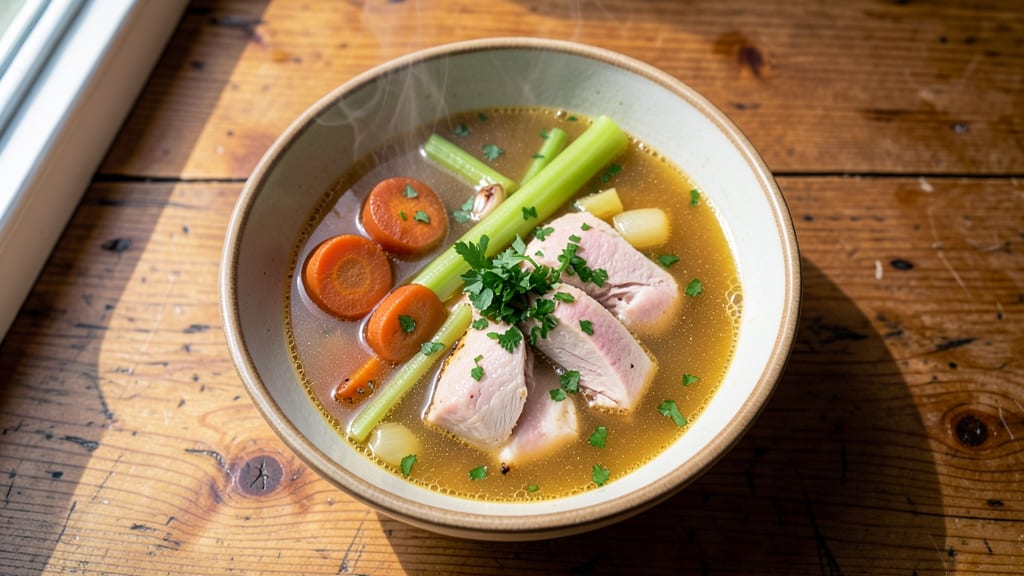
Grandma's chicken soup recipe is the kind of dish that turns a simple weeknight into a moment of pure comfort, where every spoonful feels like a hug.
I remember the first time I tasted my grandmother's version—steaming bowls of golden broth, tender chicken pieces, and a medley of vegetables that seemed to sing with flavor. The secret lies in slow-simmered broth and fresh herbs that transform ordinary ingredients into something extraordinary.
This recipe delivers restaurant-quality results with a method that's surprisingly straightforward. Start with a homemade chicken stock that forms the heart of the soup, infused with aromatic vegetables and herbs. The key is patience—letting the broth develop deep, rich flavors over time while the chicken cooks to perfect tenderness.
It's the kind of dish that rewards attention, but the steps are simple enough for any home cook.
By the time you're done, you'll have a steaming bowl of soup with tender chicken, vibrant vegetables, and a broth so flavorful it feels like a warm embrace.
The aroma alone will fill your kitchen with nostalgia, while the first taste delivers that comforting balance of savory, herbal, and slightly sweet notes. This is the kind of recipe that gets passed down through generations, and now it's yours to make.
Perfect for chilly evenings or when you need a little extra care, this soup is also endlessly adaptable. Use whatever vegetables you have on hand, or add a splash of lemon juice for brightness. Here's how to create this timeless classic in your own kitchen.
Ingredients for grandma's chicken soup
Fresh herbs and tender chicken transform simple ingredients into grandma's legendary chicken soup.
| Ingredient | Amount | Notes |
|---|---|---|
| Chicken Breast 🍗 | 2 lb | Boneless, skinless, cut into pieces |
| Yellow Onion 🧅 | 1 whole | Medium size, chopped |
| Carrots 🥕 | 4 medium | Peeled, chopped into chunks |
| Celery Stalks 🧅 | 3 whole | Trimmed, chopped |
| Garlic Cloves 🧄 | 4 cloves | Peeled, minced |
| Fresh Parsley 🌿 | ¼ cup | Chopped, stems removed |
| Fresh Thyme 🌿 | ½ oz | Leaves only, chopped |
| Bay Leaves 🌿 | 2 whole | Dried, kept whole |
| Potatoes 🥔 | 2 medium | Russet, peeled, cubed |
| Chicken Broth 💧 | 6 cups | Low-sodium, homemade preferred |
| Salt 🧂 | 1 ½ tsp | Kosher or sea salt |
| Black Pepper 🌶️ | ½ tsp | Freshly ground |
| Olive Oil 🫒 | 2 tbsp | Extra-virgin, for sautéing |
| Lemon Juice 🍋 | 1 tbsp | Freshly squeezed |
The chicken is the heart of this soup—bone-in, skin-on pieces make the broth richer, but boneless works too. Trader Joe's or Costco often have pre-cut chicken at great prices. For the broth, homemade is best—simmer chicken bones with veggies for 2 hours—but store-bought low-sodium works in a pinch. The potatoes should be firm and starchy, like Russets or Yukon Golds. I always double-check the freshness of my herbs—wilted parsley or thyme means the soup won't have that bright, herbal punch we're after.
No fresh thyme? Dried works at one-third the amount, but fresh is ideal. Short on parsley? Fresh cilantro or basil adds a nice twist. The carrots can be swapped for parsnips or turnips if you're feeling adventurous. For extra depth, add a splash of white wine when sautéing the veggies—it cooks off quickly but adds complexity. The lemon juice at the end? Don't skip it—it brightens everything up. And if you're using store-bought broth, add an extra bay leaf to boost the flavor.
This soup tastes even better the next day—plan ahead if you're making it for a crowd. Keeps for 4-5 days in the fridge, or 3 months frozen. I like to reheat portions in a pot with a splash of broth to keep it from drying out. For serving, garnish with extra herbs and a drizzle of olive oil—it makes the whole dish look (and taste) restaurant-worthy. Leftovers? Perfect for lunches or freeze individual portions for quick meals.
Why You'll Love This Recipe
- One-Pot Magic: I love that it’s all in one pot—no extra dishes, no fuss. Just chop the veggies, brown the chicken, and let it simmer while I do laundry or answer emails. The potatoes cook right in the broth, and by the time I’m ready to eat, everything’s ready.
- Golden Crisp, Creamy Center: That browning step on the chicken? Chef’s kiss. It gives the soup a depth of flavor you just don’t get with simmering alone. The garlic and thyme mingle with the tender chicken, and the lemon at the end? Pure magic—brightens up the whole bowl.
- Feeds a Crowd (or Your Cravings): This makes enough for leftovers, but honestly, I’ll eat it all myself. It’s the kind of soup you can double the recipe for a potluck or freeze half for those days when you’re too tired to cook. Plus, it’s budget-friendly—chicken breasts and seasonal veggies stretch far.
- Leftovers? Even Better: The flavors deepen overnight, and reheating is a breeze. I’ll toss in a handful of fresh parsley or a squeeze of lemon when I warm it up, but honestly, it’s still delicious just as is. Four days in the fridge? No problem. Three months in the freezer? Even better.
Step-by-step instructions for Grandma's chicken soup recipe
Here's how to create that comforting bowl of herbal chicken soup Grandma used to make.
Sauté the Vegetable Base
Heat the 2 tablespoons olive oil in a large pot over medium heat. Add the chopped 1 whole yellow onion, 4 medium carrots, and 3 whole celery stalks. Cook for 5-7 minutes, stirring occasionally, until the vegetables begin to soften and release their natural juices. This step builds the flavor foundation.
Add the 4 cloves garlic cloves and cook for another 1 minute until fragrant. Be careful not to let the garlic burn—it should smell sweet and inviting, not bitter. This aromatic base will infuse the entire soup with rich flavor. Keep the heat at medium to prevent burning while allowing the vegetables to develop color.
Brown the Chicken and Add Herbs
Push the sautéed vegetables to one side of the pot and add the 2 lb chicken breast pieces in a single layer. Cook for 3-4 minutes per side until the chicken develops a golden-brown crust. This browning creates depth of flavor that simmering alone can't achieve.
Once the chicken is browned, return the vegetables to the pot and stir to combine. Add the 2 whole bay leaves, 0.5 oz fresh thyme, and 1.5 teaspoons salt. Pour in the 6 cups chicken broth and bring the mixture to a gentle boil. Reduce heat to low and let it simmer for 20 minutes, partially covered, to allow the flavors to meld together.
Add Potatoes and Simmer
After the initial 20 minutes of simmering, add the 2 medium potatoes cut into cubes. Stir gently to submerge them in the broth. The potatoes should cook until tender but still hold their shape—about 15-20 minutes. You'll know they're done when a fork slides in easily with just a little resistance.
Here's the thing—don't skip checking the potatoes early. If they cook too long, they'll turn mushy. The broth should be flavorful but not reduced to a thin consistency. If it looks too thick, add a splash of water to maintain the right texture for that perfect Grandma-style soup.
Finish with Fresh Herbs and Lemon
Once the potatoes are tender, remove the 2 whole bay leaves and stir in the 0.25 cup fresh parsley and 0.5 teaspoon black pepper. Add the 1 tablespoon lemon juice and simmer for another 5 minutes. The lemon juice brightens the flavors and cuts through the richness of the chicken and herbs.
The lemon juice is what makes this soup feel fresh and vibrant. It's the little detail that separates homemade soup from store-bought. Taste and adjust seasoning if needed—sometimes the broth needs a touch more salt or a splash of lemon to balance everything just right.
Shred the Chicken and Serve
Use two forks to shred the chicken directly in the pot. Discard any bones or large pieces that don't shred easily. Stir the chicken back into the soup and let it warm through for 2-3 minutes. This step ensures every spoonful is packed with tender, flavorful chicken.
Ladle the soup into bowls and serve immediately while hot. The aroma of fresh herbs and the sight of tender chicken and vegetables will remind you of home. This is the moment that matters—when you share a bowl of soup that tastes like love and tradition.
Pro Tips For Making Grandma'S Chicken Soup
- Brown the Chicken First: Don’t skip this step—even if you’re in a rush. After seasoning the chicken breast with salt and pepper, sear it in a hot pan for 4-5 minutes per side until golden. This locks in flavor and prevents the soup from tasting like plain broth. I used to skip this and wonder why my soup lacked depth—now it’s the first thing I do.
- Chop the Veggies Evenly: Grandma’s soup isn’t about pretty layers; it’s about even cooking. Dice the carrots, celery, and onion into small, uniform pieces (about ¼-inch cubes) so they soften at the same time. Larger chunks mean some veggies will be mushy while others are still crunchy—no one wants that texture battle.
- Simmer Gently After Boiling: Once the chicken and veggies hit the pot, bring it to a boil, then immediately reduce the heat to a low simmer. A rolling boil breaks down the chicken too quickly, making it stringy, while a gentle simmer keeps it tender. I learned this the hard way after burning two batches of soup—now I watch the bubbles like a hawk.
- Add Garlic Late: Sounds counterintuitive, but raw garlic can make your soup bitter. Toss in the minced cloves in the last 10 minutes of cooking so they infuse flavor without overpowering. I was skeptical until I tried it—I now add it with the herbs, and the soup tastes brighter and more balanced. Trust the process.
Pro cooking tips for perfect results
Master the Aromatic Base
Building flavor starts with the vegetables—don’t rush this step! Cook the onion, carrots, and celery until they’re deeply softened and caramelized, about 7 minutes. This is where the magic happens—the natural sugars develop a rich, deep flavor.
I like to stir occasionally so nothing sticks to the bottom of the pot. A little browning on the veggies adds complexity that’s impossible to skip. 🌟
Browning for Depth
When you push the veggies aside to brown the chicken, make sure each piece gets a golden crust on all sides. This 3-4 minute sear creates the Maillard reaction—the same process that makes grilled meat taste so good.
I use a wide pot so the chicken pieces aren’t crowded, and I flip them gently with tongs to avoid breaking them. The result is a soup with layers of flavor that store-bought chicken won’t match.
Simmering Secrets
After adding the broth, let it come to a gentle boil, then reduce to the lowest heat possible—this is crucial. You want a barely simmering broth that’s just hot enough to maintain a gentle bubble. I cover it partially with a lid to retain moisture but allow some evaporation.
This slow simmer for 20 minutes lets all the flavors meld together without reducing too quickly. If your stove runs hot, check it frequently to avoid overcooking.
Potato Timing
When adding the potatoes, let them cook until they’re just tender—15-20 minutes—not mushy. I test them by poking with a fork; they should offer slight resistance. If the broth looks too thick, add a splash of water to maintain that perfect Grandma-style consistency.
Overcooked potatoes turn the soup into a paste, so keep an eye on them. I’ve learned this the hard way—once I ruined an entire batch by letting them sit too long! 💡
Finishing Touches
Don’t skip the fresh herbs and lemon juice—they’re what make this soup sing! Stir in the parsley and black pepper just before serving, and add the lemon juice in the final 5 minutes of cooking. This brightens the flavors and balances the richness.
I also like to taste and adjust seasoning at this point—sometimes the broth needs a pinch more salt or another squeeze of lemon. It’s the little details that turn good soup into great soup.
Nutrition facts
Frequently asked questions
Why does browning the chicken add so much flavor?
Browning the chicken creates the Maillard reaction, which develops deep, rich flavors that simmering alone can't achieve. This golden crust adds complexity that makes your soup taste like it was simmered for hours—even though it's just 3-4 minutes on the stove!
Can I use dried herbs instead of fresh?
Yes! Just use one-third the amount of dried thyme compared to fresh. For example, 1 teaspoon dried thyme instead of 0.5 oz fresh. The flavor will be more subtle but still delicious. Fresh herbs always win, though—they brighten the soup like a burst of sunshine!
What if my potatoes turn mushy?
Check them every 5 minutes after adding to avoid overcooking. If they get too soft, remove them with a slotted spoon, mash slightly, and return to the pot. For next time, try Yukon Gold potatoes—they hold their shape better than Russets. A little resistance on a fork means perfect texture!
How do I make this soup taste even more like Grandma's?
Add a splash of white wine when sautéing veggies (it cooks off quickly but adds depth). Simmer uncovered for the last 10 minutes to concentrate flavors, and finish with extra fresh herbs. The secret? Love and patience—just like Grandma did!