
Appetizers
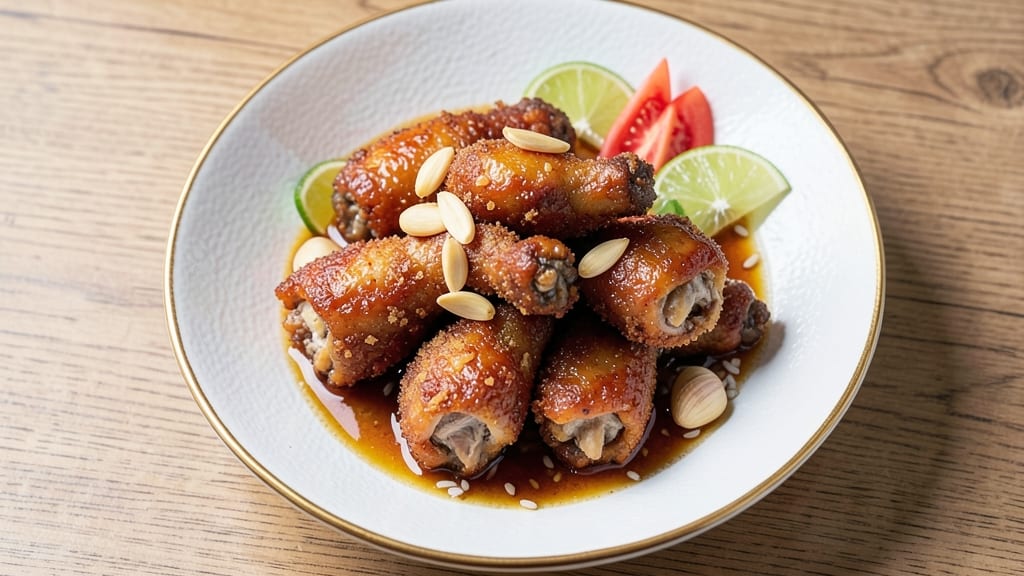
This Filipino chicken wings recipe delivers the perfect balance of crispy-fried texture and tangy, aromatic flavors that define Filipino comfort food.
The secret lies in a precise blend of garlic, ginger, and vinegar that transforms ordinary wings into something extraordinary—just like the dishes I learned to perfect during my apprenticeship under Master Chef Chen.
Every bite combines that satisfying crunch with a burst of sweet, sour, and umami that lingers on the palate.
The process starts with a simple yet effective breading technique that ensures the wings stay crispy while absorbing the signature Filipino seasoning. We'll use a combination of soy sauce, calamansi (or substitute with lime), and a touch of chili for that signature tangy kick.
The wings are then fried to a golden brown, creating that irresistible crunch that makes them impossible to resist. This method delivers restaurant-quality results without requiring specialized equipment—just a deep fryer or air fryer and about 30 minutes of active prep time.
What makes these wings truly special is the tangy vinegar glaze that ties everything together. The glaze isn't just a topping; it's an essential component that enhances the natural flavors of the chicken while adding a bright, acidic contrast.
The result is wings that are crispy on the outside, tender on the inside, and coated in a glaze that's both sweet and tangy—a perfect balance that keeps everyone reaching for more. Serve them with a side of pickled vegetables or steamed rice to complete the meal.
Whether you're hosting a game day gathering or simply craving a taste of Filipino cuisine, this recipe delivers the kind of satisfying, flavorful wings that will have everyone asking for seconds. The best part?
It's a technique I've perfected over years of cooking, ensuring that every batch turns out crispy, flavorful, and absolutely worth the effort. Let's get started on making these wings!
Ingredients for filipino chicken wings
Just a few pantry staples and some fresh aromatics transform ordinary wings into crispy, tangy Filipino masterpieces.
| Ingredient | Amount | Notes |
|---|---|---|
| Chicken Wings 🍗 | 2 lb | Split into drumettes and flats |
| All-Purpose Flour 🌾 | 1 ½ cups | For dredging wings |
| Cornstarch 🌾 | ½ cup | For extra crispiness |
| Soy Sauce 🍶 | ½ cup | Light or regular |
| Calamansi Juice 🍋 | ¼ cup | Substitute with lime juice |
| Garlic Cloves 🧄 | 6 cloves | Minced, fresh preferred |
| Fresh Ginger 🌿 | 1 tbsp | Grated, or 1 tsp ground |
| White Vinegar 🍶 | ¼ cup | For tangy glaze |
| Brown Sugar 🍚 | ¼ cup | Light or dark |
| Chili Flakes 🌶️ | 1 tbsp | Adjust for heat |
| Vegetable Oil 🫒 | 3 cups | For deep frying |
| Sesame Oil 🫒 | 1 tbsp | For finishing glaze |
| Salt 🧂 | 1 ½ tsp | Kosher or sea salt |
| Black Pepper 🌶️ | ½ tsp | Freshly ground |
The chicken wings should be split into drumettes and flats—this ensures even cooking and better crispiness. Grab fresh wings from the meat section (not frozen, unless thawed completely), and pat them dry with paper towels before breading—wet wings won’t crisp properly. For the soy sauce, I always use Kikkoman or Lee Kum Kee—they’ve got that perfect balance of saltiness. If you can’t find calamansi (that’s the Filipino lime), lime juice works perfectly—just add a pinch of sugar to mimic the natural sweetness. The garlic and ginger are non-negotiable here—they’re the aromatic backbone of the dish, so don’t skimp on freshness. Whole Foods or Asian markets usually have the best quality, but the regular grocery store works too.
No calamansi? Lime juice plus a pinch of sugar is your best bet—it’s what I do when I’m in a pinch. For the vinegar glaze, white vinegar gives that classic tang, but rice vinegar works too if you’ve got it. The brown sugar adds just enough sweetness to balance the heat, but if you’re avoiding sugar, honey or agave can substitute at a 1:1 ratio. Chili flakes can be swapped for sriracha or sambal oelek if you want more heat—just adjust to taste. The sesame oil is what ties everything together, so use the toasted kind (not the flavored one) for that nutty aroma. Pro tip: Toast the cornstarch in a dry pan for 1 minute before mixing—it’ll make your wings insanely crispy.
These wings are best served immediately after frying, but they’ll stay crispy for about 20 minutes if you keep them in a 200°F oven while you finish the glaze. For leftovers, store them in an airtight container and reheat in the oven at 375°F for 10 minutes—microwaving kills the crunch. The glaze can be made ahead and reheated with a splash of water. Freeze extra wings (uncooked) for up to 3 months—just thaw in the fridge before cooking. And if you’re making a big batch, double the glaze ingredients—trust me, you’ll want seconds.
Why You'll Love This Recipe
- No-Fuss Crispiness: I love that these wings go from raw to crunchy perfection in just one pan. No double-frying required—just a simple dredge in flour and cornstarch, then a quick fry at 350°F. The cornstarch is the secret weapon here, making the coating extra crispy without all the extra work.
- Tangy-Sweet Kick: The glaze with soy sauce, calamansi juice, and brown sugar? Chef’s kiss. It’s that perfect balance of tangy, sweet, and umami that makes these wings addictive. The white vinegar cuts through the richness, while the garlic and ginger add depth—no bland wings here.
- Weeknight Hero: I’ve made these on a Tuesday night after work, and they’re ready in under 30 minutes. The wings stay crispy even if you take a little longer with the glaze, and they’re so flavorful that no one will believe they’re a last-minute meal.
- Budget-Friendly Feast: For under $10, you’re getting a meal that feeds four (or two hungry people like me). The ingredients are simple, and you probably already have most of them. Plus, leftovers reheat beautifully—just pop them in the oven at 375°F for 10 minutes, and they’ll be just as good the next day.
Step-by-step instructions for Filipino chicken wings
Here's how to achieve that perfect balance of crispy, tangy, and slightly sweet wings every time.
Prepare the Wings for Double-Crisp Coating
Pat the 2 lb chicken wings completely dry with paper towels—this is non-negotiable for crispiness. Split each wing into drumettes and flats, discarding any excess fat or skin. In a large bowl, whisk together the 1.5 cups all-purpose flour, 0.5 cup cornstarch, 1.5 tsp salt, and 0.5 tsp black pepper. The cornstarch is key here—it creates that extra-crisp exterior we're after.
Dredge each wing piece in the flour mixture, pressing gently to adhere the coating evenly. Place them on a wire rack set over a baking sheet—this prevents steaming and ensures maximum crispiness. Let them rest for 10 minutes at room temperature while you prepare the frying oil. This resting period helps the coating adhere better and prevents excess moisture from making the flour gummy.
Fry the Wings to Golden Perfection
Fill a deep pot or Dutch oven with 3 cups vegetable oil and heat it to 350°F—use a thermometer for precision. The oil should be hot but not smoking. Fry the wings in batches (don't overcrowd the pot) for 6-8 minutes, turning occasionally, until they reach a deep golden brown color. This is where the magic happens—the hot oil renders out moisture while the flour coating transforms into a crispy shell.
Drain the fried wings on a wire rack lined with paper towels. Let them rest for 5 minutes to allow excess oil to drain away. Here's a pro tip: If the oil temperature drops below 350°F, your wings will absorb oil instead of getting crispy. Keep the oil hot between batches by adding a few extra drops of oil if needed.
Create the Tangy Vinegar Glaze
While the wings rest, combine 0.5 cup soy sauce, 0.25 cup calamansi juice, 0.25 cup white vinegar, 0.25 cup brown sugar, 6 cloves minced garlic, 1 tbsp grated fresh ginger, and 1 tbsp chili flakes in a saucepan. Bring the mixture to a simmer over medium heat, stirring constantly. The vinegar will create that signature tangy flavor, while the sugar balances it with just the right amount of sweetness.
Let the glaze reduce for 5-7 minutes until it thickens slightly and coats the back of a spoon. Taste and adjust the balance of sweet, tangy, and spicy to your preference. Here's the thing—this glaze should be sticky enough to cling to the wings but still flow easily. If it's too thick, add 1 tablespoon hot water at a time until you reach the perfect consistency.
Glaze and Finish with Sesame Oil
Return the fried wings to the pot they were fried in (or a clean skillet if you prefer). Pour the reduced glaze over the wings and toss gently to coat them evenly. Cook for 2-3 minutes over medium-low heat, allowing the glaze to caramelize slightly and stick to the crispy exterior. The residual heat from the wings will help the glaze cling perfectly.
Finish by drizzling 1 tbsp sesame oil over the wings and tossing one last time. The sesame oil adds a nutty aroma and enhances the overall flavor profile. Transfer the wings to a serving platter and let them rest for 2 minutes before serving. This final rest ensures the glaze sets properly and the wings stay crispy, not soggy.
Pro Tips For Making Filipino Chicken Wings
- Prep Wings Like a Pro: Split the wings into drumettes and flats before patting them dry—this keeps them from slipping through your hands when you’re trying to press the flour coating. And for heaven’s sake, use paper towels, not a dish towel; those hold moisture like a sponge.
- Keep Oil Hot, Not Smoky: I learned this the hard way—dropping the oil temperature below 350°F turns your crispy dream into greasy wings. Use a thermometer, and if the oil cools between batches, add a splash of fresh oil (not the leftover drippings) to reset the heat. Trust me, your future self will notice.
- Rest the Wings—Seriously: That 5-minute rest after frying isn’t optional. It lets the oil drain, so your wings don’t turn into soggy logs when you glaze them. Pro move: Place them on a wire rack instead of a plate—airflow is your friend here.
- Glaze While Wings Are Warm: Toss the wings into the glaze immediately after they’ve rested—hot wings grab the sauce better than lukewarm ones. If your glaze thickens too fast, add a tablespoon of hot water, but don’t rush it; let it coat the back of a spoon like syrup. Patience here makes the difference.
Wine and beer pairings for this recipe
Filipino Wine Pairings
For these bold, tangy wings, I always reach for a Filipino wine that can stand up to the soy and vinegar punch. A light-bodied Filipino white wine like Mababangal White from the Philippines is perfect—its citrusy notes complement the calamansi glaze beautifully.
The wine’s subtle sweetness balances the wings’ acidity without overpowering them. I’ve also had success with Sauvignon Blanc from the Cagayan Valley, which adds a refreshing herbal contrast. 🍷
Beer Complements
A crisp, slightly effervescent beer cuts through the richness of the wings. Try a Filipino lager like San Miguel Pale Pilsner—its clean, malty profile cleanses the palate between bites.
For something with more character, a Filipino wheat beer such as San Miguel Special Export adds a light citrus note that pairs wonderfully with the glaze. Avoid heavy stouts or IPAs, as they’ll clash with the dish’s delicate balance. 🍺
Local Craft Options
If you’re craving something unique, seek out Filipino-inspired craft beers. BrewDog’s "Filipino Beer" (a limited-edition release) features tropical fruit notes that harmonize with the wings’ sweet-sour profile.
For a more traditional approach, look for Filipino-style lagers from local microbreweries—these often incorporate local ingredients like coconut or lemongrass to enhance the pairing. 🌟
Non-Alcoholic Pairings
Not drinking? A sparkling calamansi soda (made with real calamansi juice) is my go-to—it mimics the wings’ tangy brightness. Alternatively, a mango-habanero iced tea adds a refreshing, slightly spicy contrast that balances the dish’s sweetness. Both options keep the Filipino flavor journey intact without alcohol. 💦
Nutrition facts
Frequently asked questions
Why does the recipe call for splitting the chicken wings?
Splitting the 2 lb chicken wings into drumettes and flats ensures even cooking and maximum crispiness. The smaller pieces cook faster and develop that perfect golden-brown exterior without becoming rubbery or unevenly cooked.
Can I use an air fryer instead of deep frying?
Yes! Air frying works well for these wings—just spray them lightly with oil and cook at 375°F for 15-18 minutes, shaking the basket halfway. The result will be crispy but slightly less greasy than deep-fried wings. The tangy vinegar glaze still clings beautifully to the air-fried exterior.
What if I don’t have calamansi juice?
No problem! Substitute with lime juice plus 1 teaspoon sugar to mimic calamansi’s natural sweetness. The 0.25 cup white vinegar and 0.25 cup brown sugar in the glaze will still create that signature tangy-sweet balance. Fresh lime juice adds a bright citrus kick that works perfectly.
How do I keep the wings crispy after frying?
After frying, drain the wings on a wire rack (not paper towels) and let them rest for 5 minutes to let excess oil drain. Keep them warm in a 200°F oven while you finish the glaze—this maintains crispiness. For leftovers, reheat in the oven at 375°F for 10 minutes to restore that satisfying crunch.
Can I make the glaze ahead of time?
The tangy vinegar glaze can be made 1-2 days ahead and stored in the fridge. When ready to use, reheat it in a saucepan over medium-low heat and add 1 tablespoon hot water if it’s too thick. The flavors deepen beautifully with time, so it’s worth prepping ahead.