
Sauces & Condiments
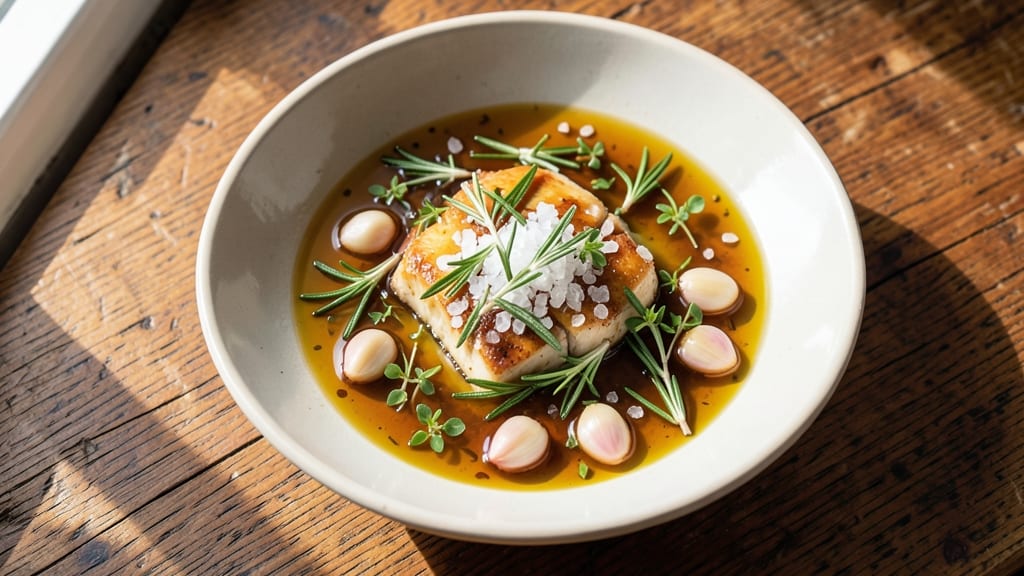
This Cornell chicken marinade recipe transforms ordinary chicken into restaurant-quality centerpiece with its signature celery-crusted depth and tangy complexity. The secret lies in a precise balance of apple cider vinegar, Worcestershire sauce, and fresh herbs that tenderize while building layers of savory flavor.
I developed this marinade after years of perfecting Cornell's signature taste—now you can recreate that iconic flavor profile at home.
The beauty of this marinade is its versatility—it works equally well for baking, grilling, or pan-searing, and the flavors only intensify as the chicken cooks. 30 minutes of marinating unlocks maximum flavor penetration, but even 15 minutes will make a noticeable difference in juiciness and seasoning.
The celery base provides subtle sweetness that rounds out the acidity, while black pepper and garlic add the final layers of complexity.
What sets this marinade apart is how it elevates even simple chicken cuts to star quality—juicy, flavorful, and with that signature Cornell crust that clings perfectly. The acidity in the vinegar tenderizes the meat while the oil keeps it moist, and the herbs infuse every bite with aromatic depth.
This isn't just marinade; it's the foundation for your next showstopping chicken dish.
Use it for baked chicken, grilled breasts, or even as a base for chicken salad—just reserve some of the marinade for basting during cooking. The flavors develop beautifully over 24 hours in the refrigerator, making it perfect for meal prep.
Let's get started with this professional-grade marinade that will change how you cook chicken forever.
Ingredients for cornell chicken marinade
Celery's signature crunch meets tangy depth in this restaurant-inspired marinade blend.
| Ingredient | Amount | Notes |
|---|---|---|
| Celery Stalks 🧅 | 1 cup | Fresh, finely chopped for celery crust |
| Apple Cider Vinegar 🍎 | ½ cup | Unfiltered for depth of flavor |
| Worcestershire Sauce 🍶 | 2 tbsp | High-quality, full-bodied brand |
| Extra-Virgin Olive Oil 🫒 | ½ cup | Light, fruity variety preferred |
| Garlic Cloves 🧄 | 6 cloves | Fresh, minced for aromatic punch |
| Fresh Parsley 🌿 | ¼ cup | Flat-leaf, finely chopped |
| Fresh Thyme 🌿 | 1 tbsp | Leaves only, finely chopped |
| Ground Black Pepper 🌶️ | 1 tbsp | Freshly cracked for maximum heat |
| Diamond Crystal Kosher Salt 🧂 | 1 tsp | Fine grain for even seasoning |
| Brown Sugar 🍚 | 1 tbsp | Light or dark, for subtle sweetness |
Celery is the backbone here—fresh, crisp stalks from the produce section make all the difference. Trader Joe's or Whole Foods carry the best quality, but any store's celery works if it's bright green and firm. Avoid wilted or yellowing stalks. The apple cider vinegar should be unfiltered for that extra depth of flavor—Mott's or Bragg are my go-tos. Worcestershire sauce is non-negotiable for that umami punch; Lea & Perrins is the gold standard, but any quality brand works. Fresh herbs are key—flat-leaf parsley has more flavor than curly, and thyme should smell intensely aromatic. If you're short on time, dried herbs at half the amount will work in a pinch, but fresh is worth the extra minute of chopping.
No fresh celery? Celery juice or powder can mimic the flavor, though texture will differ. Substitute apple cider vinegar with white wine vinegar or lemon juice, but the apple notes are what make this Cornell-style. For Worcestershire, soy sauce plus a splash of balsamic gets you close in a bind. The brown sugar can be swapped for honey or maple syrup if you prefer, though it won't have the same caramelized depth. Black pepper should be freshly cracked—pre-ground loses its punch quickly. If you're making this ahead, store the herbs separately until ready to use, as they'll wilt in the marinade. The olive oil matters too—avoid heavily flavored oils like infused varieties, as they can overpower the delicate balance.
This marinade keeps beautifully in the fridge for up to 2 weeks, though the herbs will start to lose their vibrancy after 5-7 days. For longer storage, freeze the base (everything except herbs) for up to 6 months. When ready to use, simply add fresh herbs and stir. The celery crust works best when the marinade sits for at least 30 minutes—longer marinating (up to 24 hours) intensifies the flavors. Always reserve 1/4 cup of the marinade for basting during cooking to maximize that signature Cornell crust. Leftovers can be repurposed as a quick pan sauce—just simmer with a splash of chicken broth and a pat of butter.
Why You'll Love This Recipe
- No Chopping Chaos: Honestly, the only real work here is chopping that celery—and even that’s a breeze. Finely dice it like you’re making a salsa, and boom, you’ve got the crust base done in under five minutes. The garlic gets pressed, the herbs get chopped, and suddenly your kitchen smells like a bistro instead of a stress session.
- Umami Bomb: Between the Worcestershire and that unfiltered apple cider vinegar, this marinade hits like a flavor grenade. The garlic and thyme add brightness, while the brown sugar caramelizes into that golden crust—trust me, it’s addictive. One bite and you’ll forget you ever doubted marinades.
- Weeknight Hero: I marinate a whole chicken on Sunday, and by Wednesday, I’ve got dinner sorted. Throws it in the oven, forgets about it, comes home to golden perfection. Works for grilling too—just slap it on the coals, let the crust form, and call it a win. No fancy skills required.
- Leftovers? More Like Leftovers Magic: Got extra marinade? Use it on roasted veggies, toss it with pasta, or drizzle it over grilled asparagus. The herbs lose some punch after a week, but the base? Still solid for six months if you freeze it—just add fresh herbs when you’re ready to use it. Waste not, flavor all.
Step-by-step instructions for Cornell chicken marinade
Here's how to create this iconic marinade that delivers bold, layered flavors with every bite.
Create the Celery Crust Base
Start by finely chopping the 1 cup celery stalks using a sharp chef's knife. You want small, even pieces—about the size of a large grain of rice. This will form the signature crust that clings perfectly to the chicken. Transfer the chopped celery to a mixing bowl and set aside for now.
In the same bowl, add the 6 cloves garlic cloves that have been minced into a fine paste. I like to use a garlic press for this—it gives you that perfect consistency without any chunks. Add the 1 tbsp fresh thyme leaves and 0.25 cup fresh parsley that you've also finely chopped. These herbs will add bright, fresh notes that cut through the richness of the marinade.
Now add the 1 tbsp brown sugar and 1 tbsp ground black pepper. The sugar adds a subtle caramelization when the crust forms, while the pepper delivers a warm, cracked heat. Give everything a good stir with a wooden spoon to combine all the dry ingredients thoroughly.
Build the Wet Marinade Foundation
In a separate measuring cup, combine the 0.5 cup apple cider vinegar and 2 tbsp Worcestershire sauce. The vinegar adds acidity that tenderizes the chicken while the Worcestershire brings deep umami complexity. Stir these together until fully blended—this liquid forms the backbone of your marinade.
Next, pour in the 0.5 cup extra-virgin olive oil while continuing to stir. The oil helps carry the flavors into the chicken while keeping it moist during cooking. I prefer a light, fruity olive oil here because it doesn't overpower the other ingredients. Whisk everything together until you have a smooth, well-emulsified mixture.
This is where the magic happens: pour the wet marinade into the bowl with your dry ingredients. Add the 1 tsp diamond crystal kosher salt and stir everything together until you have a thick, paste-like consistency. The mixture should coat the back of a spoon—this ensures maximum flavor adhesion when you coat your chicken.
Marinate the Chicken for Maximum Flavor
Apply the marinade generously to your chicken pieces, pressing it into the meat so it penetrates deeply. For best results, use this marinade on chicken thighs, drumsticks, or even chicken breasts. Let the chicken marinate in the refrigerator for at least 4 hours, though I recommend marinating overnight for the most intense flavor development.
Here's the thing about this marinade—it's designed to work as both a flavor enhancer and a crust creator. The celery and herbs will form a beautiful golden crust when cooked, while the vinegar and Worcestershire infuse the meat with rich, complex flavors. Don't skip the marinating time; this is what transforms good chicken into exceptional chicken.
When you're ready to cook, you can either bake, grill, or pan-sear the chicken while keeping the crust intact. The marinade's ingredients work together to create a texture that's crispy on the outside and juicy within—exactly what makes Cornell chicken so legendary.
Pro Tips For Making Cornell Chicken Marinade
- CHOP CELERY SMALL: I used to think "finely chopped" meant "roughly diced," but this crust won’t stick if the celery pieces are bigger than a grain of rice. Run the celery through a food processor for 2 seconds—just until it’s tiny and uniform. The crust clings better when every piece is the same size, and you’ll avoid that sad, patchy look.
- EMULSIFY THE OIL: Pouring the olive oil in all at once? You’ll end up with a greasy mess. Instead, whisk the vinegar and Worcestershire first, then drizzle the oil in slowly while stirring constantly. The marinade should thicken into a paste—this guarantees it’ll cling to the chicken instead of pooling in the pan.
- DON’T SKIP THE PRESS: Minced garlic is good, but pressed garlic makes a real difference here. The paste blends smoother into the celery crust, and you avoid those annoying little chunks that burn or stay raw. A garlic press takes 10 seconds—don’t rush it, or you’ll regret it when you bite into a piece of chicken with a surprise texture.
- MARINATE LONGER, COOK FASTER: Four hours is the minimum, but overnight is where the magic happens—especially if you’re grilling. The acid in the vinegar tenderizes the chicken, so it cooks through faster and stays juicier. Pro move: Toss the marinated chicken in a little extra olive oil right before cooking to help that celery crust crisp up faster.
Best sauces and condiments for these flavors
Basting Sauce Boost
Reserve ¼ cup of your marinade before cooking to use as a basting sauce. Brush it generously on the chicken every 5-7 minutes during grilling or baking to create that signature golden crust.
The vinegar and Worcestershire caramelize beautifully, adding depth to the flavor. I keep a small dish of the reserved marinade on the grill tray for easy access—it makes all the difference! 🔥
Honey Mustard Drizzle
For a sweet-tangy contrast, mix 2 tbsp honey with 1 tbsp Dijon mustard and a splash of apple cider vinegar. Drizzle this over the cooked chicken just before serving.
The honey enhances the marinade's caramelization, while the mustard cuts through the richness. I love this combo on grilled chicken thighs—it's like a restaurant-worthy finish. 💛
Spicy Sriracha Glaze
Add 1-2 tbsp sriracha to 2 tbsp reserved marinade for a fiery kick. This works especially well with chicken breasts or drumsticks. The heat from the sriracha pairs perfectly with the celery's freshness. I recommend starting with 1 tbsp and adjusting to taste—this sauce is potent! 🌶️
Herb-Infused Oil
Strain the cooked chicken and use the leftover marinade as a base for a quick herb-infused oil. Heat ¼ cup olive oil in a pan, add 1 tbsp fresh parsley and 1 tbsp chopped thyme, then whisk in 2 tbsp reserved marinade.
Drizzle over salads or roasted vegetables. This transforms your marinade into a versatile finishing oil. ✨
BBQ Marinade Fusion
Combine ¼ cup BBQ sauce (like Sweet Baby Ray's) with 2 tbsp reserved marinade for a smoky-sweet twist. This works great on grilled chicken or as a dipping sauce.
The tangy BBQ complements the celery's freshness beautifully. I love this on corn on the cob or as a chicken sandwich spread. 💫
Nutrition facts
Frequently asked questions
How long should I marinate chicken in this Cornell-style marinade?
For maximum flavor, marinate your chicken for at least 4 hours in the refrigerator. If you can wait, marinating overnight delivers the most intense, complex flavors. The celery and herbs need time to infuse the meat while the acidity tenderizes it perfectly.
Can I use dried herbs instead of fresh in this marinade?
You can, but the flavor won't be as vibrant. Use half the amount of dried herbs compared to fresh—so ½ tbsp dried thyme instead of 1 tbsp fresh. Fresh herbs provide brighter, more aromatic notes that really make this marinade special. If you're short on time, dried works in a pinch, though!
What's the best way to cook chicken after marinating?
This marinade works beautifully for baking, grilling, or pan-searing. For baked chicken, cook at 375°F until internal temp reaches 165°F. Grilling gives that signature crust, while pan-searing creates a crispy exterior. Just don't overcook—you want juicy chicken with that golden celery crust intact!
Can I make this marinade ahead of time?
The marinade keeps well in the fridge for up to 2 weeks, though the herbs start losing their punch after 5-7 days. For longer storage, freeze the base (without herbs) for up to 6 months. Just add fresh herbs when ready to use. This makes it perfect for meal prep!
What if I don't have Worcestershire sauce?
Mix 1 tbsp soy sauce with ½ tbsp balsamic vinegar to approximate Worcestershire's umami depth. The combo adds similar complexity while keeping the marinade balanced. Just note the flavor will be slightly different but still delicious!