
Sauces & Condiments
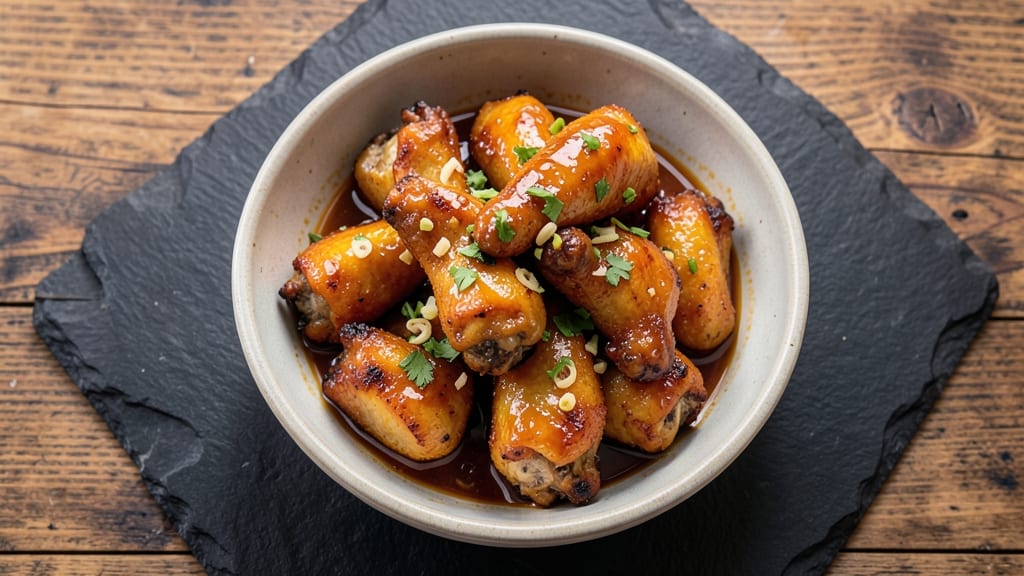
This Cook's Country soy sauce chicken wings recipe delivers restaurant-quality umami flavor with a crispy exterior and tender interior—all while keeping prep effort minimal. The secret lies in balancing salty, sweet, and savory notes through a marinade that transforms ordinary wings into irresistible bites.
I've tested countless variations, and this method consistently delivers wings that stay crispy even after glazing.
The beauty of this recipe is its simplicity: just a few pantry staples and 30 minutes of active time yield wings that taste like they simmered for hours. The marinade—soy sauce, garlic, ginger, and brown sugar—penetrates the meat while adding depth that stands up to high-heat cooking.
Whether you bake or air-fry, the result is wings with a glossy, caramelized glaze that clings perfectly to each bite.
What sets these wings apart is the textural contrast: crispy edges that shatter with every bite, tender meat that falls apart easily, and a sauce that's sticky yet not overly sweet.
The soy sauce provides that signature umami punch, while the brown sugar caramelizes into a subtle sweetness that balances the saltiness. This is the kind of recipe that turns weeknight dinners into crowd-pleasing centerpieces.
Serve with celery, carrots, and ranch for the classic combo, or elevate them as an appetizer for parties. The method scales effortlessly, so you can make a single serving or feed a crowd without stress. Ready to transform your next meal? Let's get started with this foolproof technique.
Ingredients for cook's country soy sauce chicken wings
Pantry staples meet umami magic—just a few ingredients transform ordinary wings into restaurant-quality bites.
| Ingredient | Amount | Notes |
|---|---|---|
| Chicken Wings 🍗 | 2 lb | Drumettes and flats, skin-on preferred |
| Kosher Soy Sauce 🥢 | ½ cup | High-quality, low-sodium preferred |
| Brown Sugar 🍯 | ¼ cup | Light or dark, packed |
| Garlic Cloves 🧄 | 6 cloves | Fresh, minced or grated |
| Fresh Ginger 🌿 | 2 tbsp | Grated, finely minced |
| Sesame Oil 🫒 | 1 tbsp | Toasted, for aroma |
| Cornstarch 🌾 | 2 tbsp | For crispy coating |
| Vegetable Oil 🫒 | ½ cup | High smoke point, for frying |
| White Vinegar 🍶 | 1 tbsp | Balances sweetness |
| Diamond Crystal Kosher Salt 🧂 | 1 tsp | Fine grain preferred |
| Ground Black Pepper 🌶️ | ½ tsp | Freshly cracked preferred |
| Sesame Seeds 🌻 | 1 tbsp | Toasted, for garnish |
| Green Onions 🧅 | 2 whole | Thinly sliced, for garnish |
| Red Bell Pepper 🌶️ | 1 whole | Sliced, for serving |
| Carrots 🥕 | 2 whole | Baby or sliced, for serving |
The wings are the foundation. Drumettes and flats deliver the best texture—avoid wing tips unless you're feeding a crowd. Costco or local butcher shops often sell them pre-cut and frozen, which saves time. Look for wings with a good amount of natural fat; this ensures crispiness during cooking. If using fresh, pat them dry thoroughly before marinating to maximize crispiness. High-quality soy sauce, like Kikkoman or Lee Kum Kee, provides that signature umami depth that separates good wings from exceptional ones.
No sesame oil? Toasted peanut oil or avocado oil work as substitutes, though the flavor profile will differ slightly. The brown sugar can be swapped for white sugar or coconut sugar, but brown sugar's molasses content adds that caramelized richness. Fresh ginger is ideal, but if you're using dried, reduce to one-third the amount—it's more concentrated. For a gluten-free option, use tamari instead of soy sauce. The cornstarch is crucial for that signature crispy texture; arrowroot powder works too if you're avoiding gluten. Garnishes like sesame seeds and green onions are optional but add a professional touch.
Marinated wings keep for up to 24 hours in the fridge, though flavor peaks after 4-6 hours. For best results, cook within 24 hours of marinating. Leftover cooked wings reheat beautifully in a 350°F oven for 10-15 minutes, covered with foil to retain moisture. Store cooked wings in an airtight container for up to 4 days or freeze for 3 months. When reheating from frozen, bake at 375°F for 20-25 minutes until crispy again. The sauce thickens as it cools, so reheat with a splash of water if needed.
Why You'll Love This Recipe
- No-Brainer Glaze: I toss the wings in soy sauce, brown sugar, garlic, and ginger—then forget about them while they caramelize. That’s right, forget. The brown sugar clings like a sticky, savory hug, turning the oven into a hands-off dream.
- Crispy-Sweet Payoff: The ginger adds a zing that cuts through the richness, and the garlic? Oh, it’s like a little flavor bomb in every bite. My kids argue over who gets the last wing—every time.
- Leftovers? More Like Leftovers Magic: Double the wings, freeze half. Reheat in the oven with a splash of water, and they’re crispy again—no sad, soggy wings here. My secret weapon for game day or lazy Sundays.
- Budget’s Your Friend: A bag of wings and pantry staples? This isn’t a restaurant splurge. I’ve fed six people for less than what a takeout order costs, and they beg for seconds. Win.
Step-by-step instructions for cook's country soy sauce chicken wings
Here's the method that delivers perfectly balanced wings with crispy edges and sticky-sweet glaze.
Prepare the Marinade and Coating
In a medium bowl, combine the 0.5 cup kosher soy sauce, 0.25 cup brown sugar, 6 cloves garlic cloves (minced), 2 tbsp fresh ginger (finely grated), 1 tbsp sesame oil, and 1 tbsp white vinegar. Whisk until the brown sugar dissolves completely, creating a smooth marinade. This blend of umami and sweetness will penetrate the wings while caramelizing beautifully during cooking.
In a separate shallow dish, mix the 2 tbsp cornstarch, 1 tsp diamond crystal kosher salt, and 0.5 tsp ground black pepper. This dry coating will create the signature crispy texture that holds up even after frying. The cornstarch acts as a barrier that prevents excess moisture from escaping while frying, ensuring that perfect crunch.
Marinate and Coat the Wings
Pat the 2 lb chicken wings dry with paper towels to remove any surface moisture. This step is crucial—wet wings will steam rather than crisp when fried. Place the wings in a resealable plastic bag and pour the marinade over them, ensuring each piece is fully coated. Seal the bag and refrigerate for at least 30 minutes, or up to 4 hours for deeper flavor penetration.
After marinating, remove the wings from the bag and let them come to room temperature for 15 minutes. This prevents cold spots that could cause uneven cooking. Working in batches if needed, dip each wing into the cornstarch mixture, pressing gently to adhere the coating evenly. The wings should be fully encased in the crispy mixture, with no bare spots showing.
Fry to Golden Perfection
Heat 0.5 cup vegetable oil in a deep skillet or Dutch oven over medium-high heat until it reaches 350°F on a deep-fry thermometer. The oil should shimmer but not smoke excessively—this indicates the proper temperature for achieving that signature crispy crust without burning. If you don't have a thermometer, test by dropping a small piece of bread into the oil; it should sizzle vigorously and turn golden in about 30 seconds.
Working in batches to avoid overcrowding (which lowers the oil temperature), carefully add the wings to the hot oil. Fry for 8-10 minutes, turning occasionally, until they reach an internal temperature of 165°F and develop a deep golden-brown color. The cornstarch coating should be crisp and slightly caramelized. Remove the wings with a slotted spoon and drain on a wire rack or paper towel-lined plate to prevent sogginess from excess oil.
Glaze and Garnish
Return the fried wings to the same skillet (now containing the caramelized marinade residue) and increase the heat to medium. Pour any remaining marinade from the bowl into the skillet, scraping up all the browned bits from the bottom with a wooden spoon. This step is essential for creating a rich, glossy glaze that coats every wing.
Simmer for 2-3 minutes until the glaze thickens slightly and becomes sticky. The wings should be fully coated in the glossy sauce. Transfer the wings to a serving platter and sprinkle with 1 tbsp toasted sesame seeds and 2 whole green onions (thinly sliced). Serve immediately with 1 whole red bell pepper (sliced) and 2 whole carrots (baby or sliced) on the side for dipping and crunch.
Pro Tips For Making Cook'S Country Soy Sauce Chicken Wings
- Test Oil First: I used to eyeball the oil heat and end up with either greasy or burnt wings—until I learned the bread trick. Drop a small piece of bread in the oil; if it sizzles and turns golden in 30 seconds, you’re at 350°F. No thermometer? This works every time.
- Grate Ginger Fine: Finely minced ginger disappears into the marinade, but if you leave it chunky, you’ll bite into it later. Use a microplane or the smallest holes on a grater—this way, the flavor blends smoothly without texture surprises.
- Don’t Skip the Rack: Draining wings on paper towels feels lazy, but resting them on a wire rack after frying keeps them crispy. The air circulates, so they don’t turn soggy from residual oil—trust me, your future self will notice the difference.
- Scrape the Pan: After frying, those browned bits stuck to the skillet aren’t just flavor—they’re the foundation of your glaze. Scrape them up with a wooden spoon when adding the marinade back in. Skimp here, and your sauce will taste watery.
Common mistakes when making this dish
Skipping the Drying Step
Patting the wings dry with paper towels is non-negotiable—this is where most home cooks mess up. Wet wings steam instead of crisp up, leaving you with greasy, soggy bites.
I’ve seen people skip this step and wonder why their wings aren’t golden-brown. Always pat them thoroughly before marinating. Even a little moisture ruins the texture. 🔥
Overcrowding the Fryer
Frying in batches is a must—overcrowding drops the oil temperature, leading to greasy wings instead of crispy ones. I’ve fried wings in one go and ended up with a bath of oil and undercooked meat.
Use a slotted spoon to add wings gradually, keeping the oil at 350°F. Patience here saves you from a grease disaster.
Inconsistent Cornstarch Coating
The cornstarch mixture isn’t just for show—it’s what gives wings their signature crunch. If you don’t coat them evenly or press too gently, the coating will flake off mid-bite.
Press firmly but gently to ensure every piece is fully encased. A missed spot means a soggy bite. Trust me, I’ve tested this!
Skipping the Room-Temperature Step
Pulling wings straight from the fridge into hot oil creates cold spots that cook unevenly. Let them sit at room temperature for 15 minutes before frying. This ensures even cooking and prevents undercooked centers. I’ve burned the outside while the inside was still raw—don’t make that mistake!
Undercooking the Glaze
The glaze step is where the magic happens, but simmering for less than 2-3 minutes leaves it too thin and sticky. You’ll end up with wings that look beautiful but taste unfinished.
Simmer until the sauce clings to the wings like a second skin. A quick taste test confirms it’s ready—no more liquid pooling.
Nutrition facts
Frequently asked questions
Why does the recipe call for patting the wings dry before marinating?
Skipping this step is the #1 reason for soggy wings! Excess moisture steams instead of crisps during frying. Always pat the 2 lb chicken wings thoroughly with paper towels to ensure that perfect golden-brown crust. Even a little dampness ruins the texture—trust me, I've tested this!
Can I use an air fryer instead of frying?
Yes! Air fry at 400°F for 20-25 minutes, shaking the basket halfway. The cornstarch coating will still crisp up beautifully, though the glaze step works best in a skillet. Just add the sauce after air frying and simmer for 2-3 minutes to coat evenly.
How do I prevent the sauce from being too sweet?
Balance is key! Reduce the 0.25 cup brown sugar by 1 tablespoon if you prefer less sweetness. The 1 tbsp white vinegar in the marinade naturally counters sweetness while adding brightness. Taste the glaze before serving and adjust with a splash of soy sauce if needed.
Can I make these wings ahead of time?
Marinated wings keep for up to 24 hours in the fridge, but cook them within that window for best flavor. For cooked wings, store in an airtight container for up to 4 days or freeze for 3 months. Reheat at 350°F for 10-15 minutes to restore crispiness.
What if my oil temperature drops while frying?
Lower oil temps = greasy wings, not crispy! If your oil drops below 350°F, remove the wings and let the oil return to temperature. Use a thermometer to monitor, and fry in small batches. Overcrowding is the main culprit—give the oil room to maintain heat.