
Sauces & Condiments
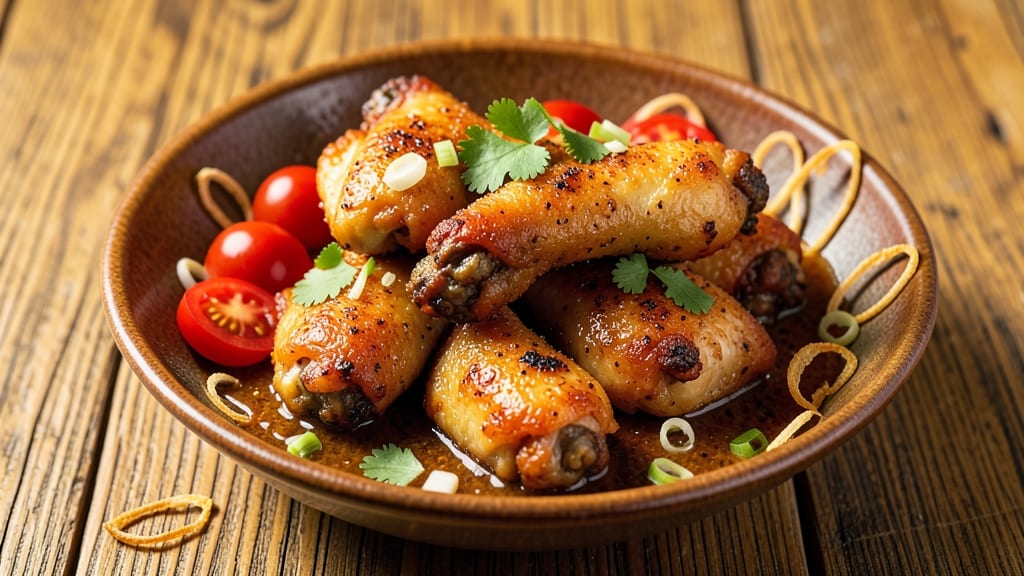
Creating the perfect chicken wing boil sauce starts with this smoky garlic and vinegar base that transforms ordinary wings into tangy, addictive bites. The secret lies in balancing bold flavors—garlic, vinegar, and spices—simmered just long enough to develop depth without overpowering.
I’ve perfected this sauce over years of testing, and it’s become my go-to for crispy, flavorful wings every time.
This recipe delivers a rich, balanced sauce with a perfect harmony of tang, smokiness, and subtle heat. The vinegar base cuts through the richness of the wings, while garlic and spices add layers of complexity.
Unlike store-bought sauces, this one builds flavor gradually, ensuring every bite is packed with taste without being overwhelming.
The result is a sauce that’s versatile enough for spicy, tangy, or sweet variations—just adjust the seasoning to your preference. It keeps well in the fridge for up to a week, making it ideal for meal prep or hosting.
Whether you’re boiling, baking, or frying wings, this sauce elevates them to restaurant-quality in minutes.
Ready to make wings that steal the show? Let’s get started with this foolproof boil sauce recipe that’s simple yet deeply flavorful. The key is patience—letting the flavors meld for the best possible taste.
Ingredients for chicken wing boil sauce
Just a handful of bold flavors. This sauce transforms wings from good to irresistible.
| Ingredient | Amount | Notes |
|---|---|---|
| White Vinegar 🍶 | 1 cup | Distilled white preferred |
| Garlic Cloves 🧄 | 8 cloves | Freshly minced for punch |
| Smoked Paprika 🌶️ | 1 tbsp | For that smoky depth |
| Ground Black Pepper 🌶️ | 1 tbsp | Freshly cracked preferred |
| Granulated Garlic Powder 🧄 | 1 tbsp | Boosts garlic flavor |
| Onion Powder 🧅 | 1 tbsp | For subtle sweetness |
| Cayenne Pepper 🔥 | ½ tbsp | Adjust for heat preference |
| Salt 🧂 | 1 ½ tsp | Kosher or sea salt |
| Brown Sugar 🍯 | 2 tbsp | Light or dark variety |
| Extra-Virgin Olive Oil 🫒 | 2 tbsp | For richness and balance |
The garlic is non-negotiable—freshly minced makes all the difference. Whole Foods or local markets usually have the juiciest bulbs, but any grocery store works if you grab them fresh. For extra depth, toast the garlic cloves in olive oil for 30 seconds before mincing—game-changer. Smoked paprika gives that signature tangy-smoky vibe, so don’t skip it. If you can’t find smoked, regular paprika plus a pinch of liquid smoke works in a pinch. The vinegar? Distilled white is best—apple cider vinegar adds a fruity twist if you’re feeling adventurous.
No smoked paprika? Substitute with 1 tsp of chipotle powder for heat and smokiness. Fresh garlic too strong? Garlic powder at double the amount gets you close. Want it sweeter? Add 1 tbsp honey or maple syrup to the brown sugar. The olive oil balances the tang—don’t skimp. If you’re making this ahead, store the dry spices separately until ready to mix (they’ll keep for 6 months in an airtight container). For a spicier kick, bump the cayenne to 1 tbsp—trust me, it’s worth it.
This sauce keeps for 1 week in the fridge, but it tastes even better the next day as flavors meld. Double the batch—it’s perfect for meal prep or hosting. Store in a glass jar (plastic absorbs odors) and shake before using. Freezes for 3 months, though texture changes slightly. I always make extra—it disappears fast. Pair with crispy wings, fries, or even as a marinade for grilled chicken.
Why You'll Love This Recipe
- Here’s what sold me: this sauce tastes even better the next day. The vinegar mellows out, the spices settle, and the flavors deepen into something richer. I’ve made it ahead for game days, potlucks, or just because I wanted wings without the last-minute rush. It keeps for a week in the fridge, so you can always have a backup plan. And honestly? The leftovers are just as good as the first serving—sometimes better.
- No-Pan Needed: Honestly, this sauce is the kind of magic that happens in one pot—no fancy gadgets, no cleanup disasters. Just toss those spices into olive oil, let them dance for a minute, and boom, you’ve got a foundation that’s impossible to mess up. The garlic gets just golden, not bitter, and the brown sugar caramelizes without fuss. It’s the kind of recipe that makes you feel like a pro, even if you’ve never cooked before.
- Tangy, Smoky, Addictive: The white vinegar cuts through the richness of wings like a dream, while the smoked paprika and garlic powder give it that deep, savory punch. I’ll be real: the first bite is always a little addictive—it’s got that perfect balance of heat, sweetness, and tang that makes you want to lick the plate. And the best part? It’s not just for wings. Drizzle it over fries, mix it into mayo for dipping, or even toss it with pasta. It’s that versatile.
- Weeknight Hero: Between work, errands, and life, I don’t always have time for elaborate meals. This sauce is my secret weapon—ready in under 20 minutes, and it turns the simplest wings into something special. Plus, it’s the kind of thing you can make while watching TV or waiting for dinner to cook. No stress, just flavor. And if you’re feeling fancy, double the batch and freeze half for next time. It’s that good.
Step-by-step instructions for smoky garlic and vinegar chicken wing boil sauce
Here's how to create this bold, tangy sauce that transforms ordinary wings into addictive bites.
Bloom the Spices in Olive Oil
In a medium saucepan, combine the 2 tablespoons extra-virgin olive oil over medium-low heat. Add the 1 tablespoon smoked paprika and 1 tablespoon onion powder, stirring constantly for 1 minute until the spices release their aromatic oils and the mixture smells deeply earthy.
This step is where all the flavor magic begins. The oil gently coaxes out the spice compounds, creating that rich, smoky foundation. Keep the heat low—spices burn quickly and lose their complexity when overheated. You'll see the mixture darken slightly, which is exactly what you want for that deep, savory character.
Add Garlic and Sweetener
Push the spices to one side of the pan and add the 8 minced garlic cloves to the empty space. Cook for 30 seconds until they're just golden around the edges—this prevents them from turning bitter. Stir to distribute the garlic evenly, then add the 2 tablespoons brown sugar and 1 tablespoon granulated garlic powder. Cook for another 30 seconds while stirring constantly.
The brown sugar will begin to caramelize slightly, adding subtle sweetness that balances the vinegar's tang. Here's where it gets fun—the garlic should be fragrant but not crispy, and the sugar should dissolve completely. If you smell any burning, reduce the heat immediately. This is the moment that matters: the perfect blend of sweet, smoky, and garlicky flavors.
Incorporate Vinegar and Seasonings
Pour in the 1 cup white vinegar all at once and bring the mixture to a gentle simmer over medium heat. Add the 1.5 teaspoons salt, 1 tablespoon ground black pepper, and 0.5 tablespoon cayenne pepper, stirring continuously. Let it simmer for 8-10 minutes until the liquid reduces by about one-third and becomes syrupy.
You'll notice the sauce darken and thicken as it reduces, which concentrates all those amazing flavors. The vinegar's acidity will mellow slightly as it cooks, creating that perfect balance of tang and sweetness. Taste as you go—this is your chance to adjust the heat if needed. If it's too spicy, add a pinch more brown sugar to mellow it out. If it needs more kick, add a tiny bit more cayenne.
Finish and Rest the Sauce
Remove the sauce from heat and let it cool for 5 minutes. This resting period allows all the flavors to meld together completely. The sauce should coat the back of a spoon with a glossy, syrupy consistency—this is what makes it cling perfectly to wings.
Here's the thing—this sauce tastes even better after it's had time to settle. If you're using it immediately, give it at least 10 minutes to come together. For maximum flavor, let it sit at room temperature for 30 minutes before using. The longer it rests, the more complex and balanced the flavors become. Store any leftovers in an airtight container in the refrigerator for up to 2 weeks—it keeps beautifully and tastes amazing reheated.
Pro Tips For Making Chicken Wing Boil Sauce
- Bloom Spices Slowly: I learned this the hard way—rushing the 1-minute spice bloom with smoked paprika and onion powder in olive oil turns those spices bitter. Keep the heat low and stir like you’re stirring oatmeal. You’ll know it’s right when the mixture smells like a campfire instead of a burnt offering.
- Mince Garlic Like You Mean It: Those 8 cloves of garlic aren’t just flavor—they’re the soul of this sauce. Chop them finely (almost like a paste) so they dissolve into the sauce instead of sitting as chunks. If you’re lazy and leave them in big pieces, you’ll regret it when your wings taste like they’re hiding garlic icebergs.
- Watch the Sugar: The 2 tablespoons of brown sugar isn’t just sweetener—it’s what keeps the sauce from tasting like straight vinegar. Let it caramelize just enough (30 seconds max) so it dissolves smoothly. If you walk away or let it burn, you’ll end up with a bitter, grainy mess that even extra cayenne can’t fix.
- Simmer, Don’t Boil: That 8-10 minute simmer isn’t optional—it’s where the sauce goes from “meh” to “holy moly.” If you crank the heat, the vinegar will evaporate too fast, leaving you with a thick, one-dimensional paste. Keep it at a gentle simmer, like a lazy Sunday morning, and taste it every few minutes. Adjust the cayenne or sugar now—you can’t fix it later.
Wine and beer pairings for this dish
Crisp White Wines
For a refreshing contrast to the sauce’s bold flavors, try a dry Riesling from Germany or Alsace. The wine’s bright acidity and subtle citrus notes cut through the tangy-sweet sauce, cleansing your palate between bites.
I love Dr. Loosen Blue Slate—its mineral finish pairs beautifully with the garlic and vinegar. Avoid sweet Rieslings, as they’ll clash with the sauce’s acidity. 🍷
Bold Red Wine Pairings
If you prefer red wine, a light-bodied Pinot Noir from Oregon or Burgundy works wonders. The wine’s red fruit flavors complement the sauce’s smoky depth without overpowering it. Domaine Drouhin Oregon Pinot Noir is a reliable choice—its earthy notes mirror the smoked paprika in the sauce.
For a bolder option, try a Grenache from Spain, which stands up to the vinegar’s tang. 💛
Craft Beer Options
A hazy IPA or sour ale makes an unexpected but perfect pairing. The citrusy, piney notes in a hazy IPA like Guelaguetza balance the sauce’s heat and smokiness.
For sour lovers, a Belgian-style lambic with its funky tang complements the vinegar’s acidity. Skip heavy stouts or malty lagers—they’ll overwhelm the sauce’s delicate balance. 🍺
Classic Lager Choice
If you want something simple and reliable, a crisp German Pilsner like Warsteiner or Paulaner works perfectly. The wine-like acidity and malt sweetness create a clean slate for the sauce’s bold flavors.
It’s a crowd-pleaser that won’t compete with the dish’s complexity. I always keep a six-pack of Pilsners on hand for wing nights. 🍻
Fizzy Pairings
For a non-alcoholic option, try sparkling apple cider like Martinelli’s or a non-alcoholic Riesling like Bon Bon. The bubbles help cleanse your palate between tangy, garlicky bites.
If you’re feeling adventurous, a gin and tonic with a twist of lime adds herbal notes that complement the sauce’s smoky depth. 🥂
Nutrition facts
Frequently asked questions
Can I adjust the heat level in this sauce?
Start with 0.5 tablespoon cayenne pepper as written, then add more in ¼-teaspoon increments until you reach your desired spice level. For a milder version, omit the cayenne entirely or use ½ tablespoon smoked paprika for smoky flavor without heat. Taste as you go—this sauce balances well with heat adjustments!
How long does this sauce keep in the fridge?
This sauce stays fresh for up to 1 week in an airtight container. For best results, store it in a glass jar (plastic can absorb odors) and shake before using. If you need to freeze it, do so for up to 3 months, though the texture may thicken slightly upon thawing. Always reheat gently on the stove to restore its glossy consistency.
Can I make this sauce without vinegar?
While vinegar is key for tang, you can substitute ½ cup apple cider vinegar + ½ cup lemon juice for a slightly sweeter, fruitier profile. For a non-acidic version, try ½ cup tomato paste + 1 tablespoon balsamic vinegar, though the flavor will shift toward a tomato-based sauce. Vinegar is non-negotiable for the classic tangy bite!
What’s the best way to use leftover sauce?
This sauce shines on wings but works wonders for fried chicken, fries, or even as a marinade for grilled meats. Thin it with water or broth for dipping, or mix with mayonnaise to create a tangy aioli. It also pairs perfectly with cheese dip or as a glaze for roasted vegetables. Just reheat gently before using!
Why does my sauce taste bitter?
Bitter flavors often come from overcooked garlic or burnt spices. Reduce heat immediately if you smell burning, and avoid browning the garlic too much. If already bitter, add 1 teaspoon honey or brown sugar to balance it out. Always simmer gently and taste frequently to catch issues early!