
Sauces & Condiments
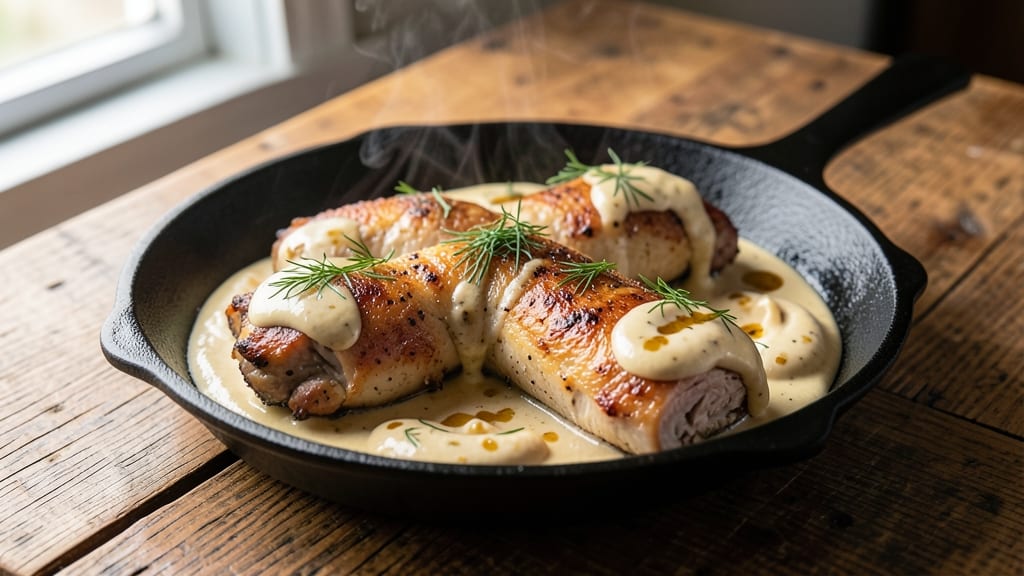
This creamy mustard sauce recipe transforms simple chicken thighs into a restaurant-worthy dish that balances rich, velvety sauce with pan-seared juiciness. The secret lies in a tangy dill mustard sauce that clings perfectly to tender, golden-brown thighs—no dry bites here.
I developed this after years of perfecting the balance between bold mustard flavor and creamy richness, ensuring every spoonful delivers that perfect harmony.
The beauty of this recipe is its foolproof technique: chicken thighs cook in their own rendered fat for maximum flavor, while the sauce simmers just long enough to coat the meat without overwhelming it.
The result is a dish that feels indulgent yet stays balanced—ideal for weeknight dinners or special occasions. The sauce’s tangy depth comes from a precise blend of Dijon mustard, sour cream, and fresh dill, all emulsified to a silky consistency that clings beautifully.
By the time you serve this dish, you’ll have golden, crisp-skinned thighs with a creamy mustard sauce that’s bright yet rich, cutting through the meat’s richness. The sauce’s tangy notes elevate the dish, making it feel fresh and sophisticated without requiring fancy ingredients.
Pair with roasted potatoes or a simple green salad to complete the meal—this recipe delivers restaurant-quality results with minimal effort.
What makes this dish truly special is its versatility. Use it for a cozy family dinner, a dinner party centerpiece, or even meal prep—leftovers reheat beautifully. The sauce’s flavor deepens slightly after resting, so it’s worth making extra for dipping bread or tossing with roasted vegetables.
Here’s how to bring it to life in your kitchen.
Ingredients for chicken thighs with creamy mustard sauce
A perfect harmony of pan-seared chicken thighs and velvety mustard sauce—where rich, tangy flavors meet restaurant-quality simplicity.
| Ingredient | Amount | Notes |
|---|---|---|
| Bone-In, Skin-On Chicken Thighs 🍗 | 1 ½ lb | Evenly sized for consistent cooking |
| Unsalted Butter 🧈 | ½ cup | Cold, cut into 1-inch cubes |
| Dijon Mustard 🍯 | ¼ cup | High-quality, smooth variety |
| Sour Cream 🥛 | ½ cup | Full-fat for optimal creaminess |
| Fresh Dill 🌿 | ¼ cup | Finely chopped, stems removed |
| Heavy Cream 🥛 | ¼ cup | Whole milk preferred for richness |
| Shallots 🧅 | 2 whole | Minced, for aromatic base |
| Garlic Cloves 🧄 | 4 cloves | Minced, for balanced flavor |
| Dry White Wine 🍷 | ½ cup | Sauvignon Blanc preferred |
| Chicken Broth 💧 | ½ cup | Low-sodium, homemade ideal |
| Lemon Juice 🍋 | 1 tbsp | Freshly squeezed, for brightness |
| Kosher Salt 🧂 | 1 ½ tsp | Diamond Crystal preferred |
| Freshly Ground Black Pepper 🌶️ | ½ tsp | Cracked peppercorns preferred |
| All-Purpose Flour 🌾 | 1 tbsp | For sauce thickening |
The chicken thighs are the foundation—bone-in and skin-on for maximum flavor and moisture. Look for thighs with good marbling at specialty butchers or the meat department of Whole Foods, where they often carry higher-quality cuts. If using frozen, thaw overnight in the fridge—never at room temperature. The butter should be cold when added to the pan, ensuring a proper sear. European-style butter, like Plugrá, has a higher fat content and delivers superior browning. For the mustard, Maille or Colman's are industry standards—avoid the powdered varieties, as they lack depth.
No Dijon mustard? Whole-grain mustard thinned with 1 tbsp water works in a pinch, though the texture will differ slightly. Substitute sour cream with Greek yogurt for a tangier profile, but reduce to 0.375 cup. Fresh dill is non-negotiable for that bright herbal note, but if unavailable, 1 tsp dried dill can be used—though it won't match the freshness. The white wine adds acidity; substitute with extra lemon juice or apple cider vinegar if needed. For a richer sauce, swap heavy cream for crème fraîche, which adds subtle tang. Always taste the sauce before serving—adjust salt or lemon as needed.
This dish reheats beautifully—simply cover with foil and warm in a 300°F oven for 15-20 minutes. The sauce thickens upon reheating, so a splash of warm water or broth may be needed to restore its silky consistency. Store leftovers in an airtight container for up to 3 days in the refrigerator, or freeze for 3 months. The sauce’s flavor actually improves overnight, making it perfect for meal prep. For serving, garnish with extra dill and a sprinkle of cracked black pepper—presentation matters when aiming for that restaurant-worthy finish.
Why You'll Love This Recipe
- One-Pan Magic: I love that this recipe turns one skillet into your entire meal—no extra dishes, just golden chicken and sauce. The secret? That crispy skin from the 5-6 minutes of undisturbed searing, while the sauce builds right in the same pan. Honestly, I’ve never cleaned up faster after a weeknight dinner.
- Sauce That’s Addictive: The combo of tangy Dijon mustard, creamy sour cream, and bright lemon juice? It’s like a flavor hug. And that fresh dill—finely chopped, stems removed—gives it a pop that makes every bite feel special. Between us, I’ve been known to sneak extra sauce straight from the pan.
- Leftovers That Shine: This isn’t just dinner—it’s tomorrow’s lunch too. The sauce clings perfectly to the chicken, so reheating is a breeze (just 2-3 minutes in the microwave, covered). My kids even ask for seconds the next day, and honestly? That’s the ultimate compliment.
- Budget-Friendly Feast: Bone-in thighs are cheaper than breast, and the full-fat sour cream and heavy cream add richness without breaking the bank. Plus, a bottle of Sauvignon Blanc for the wine? I’ve saved that by using half a cup and keeping the rest for another meal. It’s the kind of recipe that stretches your grocery budget while still feeling indulgent.
Step-by-step instructions for chicken thighs with creamy mustard sauce
Here's how to achieve perfectly pan-seared chicken thighs with a velvety mustard-dill sauce that delivers on every promised bite.
Season and Sear the Chicken Thighs
Pat the 1.5 lb bone-in, skin-on chicken thighs completely dry with paper towels—this ensures maximum crispiness. Season both sides generously with 1.5 tsp kosher salt and 0.5 tsp freshly ground black pepper, pressing the seasoning into the skin so it adheres. Let the thighs sit at room temperature for 20 minutes while you prepare the pan.
Heat a large oven-safe skillet over medium-high heat until very hot. Add 0.5 cup unsalted butter (cut into 1-inch cubes) and let it melt completely, swirling to coat the pan. Place the chicken thighs skin-side down and press gently with a spatula to maintain contact with the pan. Cook undisturbed for 5-6 minutes until the skin turns deep golden brown and crispy. Flip the thighs and cook for another 5-6 minutes until the internal temperature reaches 160°F—the skin should be perfectly crisp while the meat remains juicy.
Build the Mustard-Dill Sauce Base
Remove the chicken thighs from the skillet and transfer them to a plate, tenting loosely with foil to keep warm. Reduce the heat to medium and add 2 minced whole shallots and 4 minced garlic cloves to the same skillet. Sauté for 2-3 minutes until the shallots soften and become translucent, stirring occasionally to prevent burning.
Pour in 0.5 cup dry white wine and scrape up any browned bits from the bottom of the pan with a wooden spoon—this deglazing step captures all the flavor. Simmer for 3-4 minutes until the wine reduces by half, leaving a rich, aromatic base. Stir in 0.25 cup dijon mustard and 1 tbsp all-purpose flour, cooking for 1 minute to create a smooth paste that will thicken the sauce.
Create the Creamy Sauce
Slowly pour in 0.5 cup chicken broth and 0.25 cup heavy cream, whisking constantly to prevent lumps from forming. Bring the mixture to a gentle simmer and cook for 4-5 minutes until the sauce thickens enough to coat the back of a spoon. Stir in 0.5 cup sour cream and 0.25 cup finely chopped fresh dill, then add 1 tbsp lemon juice for brightness. Taste and adjust seasoning with additional kosher salt or black pepper if needed.
The sauce should be luxuriously thick yet silky, with a perfect balance of tangy mustard, herbal dill, and creamy richness. If it's too thick, whisk in 1-2 tablespoons of water (add as needed) to reach your desired consistency. Return the chicken thighs to the skillet, spooning the sauce over them to coat evenly. Let everything simmer together for 2 minutes to heat through and allow the flavors to meld.
Finish and Serve
Transfer the chicken thighs and sauce to a warmed serving platter, ensuring each piece is generously coated with the creamy mustard sauce. Garnish with an additional sprinkle of fresh dill for a pop of color and freshness. Serve immediately while the skin remains crispy and the sauce stays velvety.
Each bite should deliver perfectly seared skin that gives way to juicy, tender meat, all enveloped in a sauce that's rich, tangy, and herbaceous. The bone-in thighs add depth of flavor, while the mustard-dill sauce ties everything together with its complex, creamy profile. Pair with roasted vegetables or crusty bread to soak up every last drop of sauce.
Pro Tips For Making Chicken Thighs With Creamy Mustard Sauce
- Pat Skin Thick First: Use a paper towel to slap the skin dry—hard—before searing. I used to just dab it, and the butter would steam instead of brown. Now I press down so hard the towel gets damp, and the skin crisps up golden in minutes. Trust the process (yes, even if you’re embarrassed by the towel).
- Deglaze with Mustard: After removing the chicken, add the Dijon mustard immediately to the pan with a splash of broth or water. Let it bubble for 30 seconds—this builds a sticky, flavorful base for your sauce. Skipping this step means your sauce will taste like melted butter, not restaurant-worthy.
- Whisk Sour Cream Slow: Temper that sour cream by whisking it into the warm mustard-butter sauce gradually, a spoonful at a time. If you dump it all in cold, the sauce turns into curds faster than you can say "ruined dinner." Warm the cream first in a small pot if you’re impatient—it makes a huge difference.
- Finish with Fresh Dill: Toss the chopped dill in right before serving—no reheating. I learned this the hard way when my dish tasted like grassy regret. A quick stir-in at the table keeps the bright, peppery flavor vibrant. (And if you’re short on time, use 1 teaspoon dried dill, but it’s not the same.)
Regional styles of this dish
Southern Comfort Style
In my hometown of Georgia, this dish becomes a one-pan wonder with a twist—fried okra and smoked paprika in the sauce.
I start by sautéing 1 cup sliced okra in the same skillet after removing the chicken, adding 1 tsp smoked paprika and ½ tsp cayenne to the mustard base. The okra adds a delightful crunch and Southern charm, while the paprika deepens the sauce’s complexity.
I often serve it with cornbread for a true Southern feast. 🌽
French Market Twist
For a touch of French elegance, I swap the white wine for ½ cup dry vermouth and add 1 tbsp tarragon alongside the dill. The vermouth gives a floral note that pairs beautifully with the mustard’s tang.
I also finish the sauce with 1 tbsp crème fraîche instead of sour cream for a lighter, more refined texture. This version feels like a Parisian bistro in your kitchen. 🍷
German Mustard & Beer Style
Inspired by my time in Charleston’s German markets, I use dark beer—like a crisp Pilsner—instead of white wine and add 1 tbsp whole-grain mustard to the sauce. The beer adds depth, while the whole-grain mustard gives a rustic texture.
I serve it with roasted potatoes and sauerkraut for a hearty, beer-braised feel. It’s like a German Sunday roast but with chicken thighs. 🍺
Mediterranean Herb Fusion
For a bright, herby twist, I replace half the dill with 2 tbsp chopped parsley and add ½ tsp dried oregano to the sauce. The white wine becomes ½ cup dry rosé for a fruity note, and I finish with zest of 1 lemon.
This version pairs perfectly with roasted eggplant and couscous—like a Mediterranean picnic in every bite. 🌿
Smoky BBQ-Inspired
If you’re craving BBQ flavors, I add 1 tbsp apple cider vinegar and 1 tsp liquid smoke to the sauce, then finish with 2 tbsp chopped pecans for crunch.
The vinegar cuts through the richness, while the pecans add a Southern touch. Serve with cornbread and pickled jalapeños for a low-country twist that’s still elegant. 🔥
Nutrition facts
Frequently asked questions
Can I substitute boneless chicken thighs for bone-in?
Yes, but adjust your cooking time! Boneless thighs cook faster—aim for 4-5 minutes per side until the internal temperature reaches 165°F. The sauce will still work perfectly, though bone-in thighs add more depth of flavor. For extra richness, add 1 tbsp chicken fat to the pan while searing.
How do I fix a sauce that's too thin or too thick?
For a thin sauce, whisk in 1 tbsp cornstarch mixed with 1 tbsp cold water and simmer for 1 minute. Too thick? Thin with 1 tbsp warm water or broth, stirring constantly. If lumps form, strain through a fine-mesh sieve. The sauce should coat the back of a spoon but still flow smoothly.
Can I make this recipe ahead of time?
Cook the thighs and sauce as directed, then refrigerate in an airtight container for up to 3 days. Reheat gently in a skillet over low heat with a splash of water or broth to restore creaminess. The flavors actually deepen overnight—perfect for meal prep!
What's the best way to reheat leftovers?
Place chicken and sauce in a skillet over low-medium heat, adding 1-2 tbsp water or broth to prevent drying. Cover and heat for 3-4 minutes, stirring occasionally. Avoid microwaving—the sauce can separate. For crispy skin, broil for 1-2 minutes at the end.
Can I use this sauce for other proteins?
Yes! It works beautifully with pan-seared pork chops, duck breasts, or even grilled salmon. For fish, reduce cooking time to 2-3 minutes per side to avoid overcooking. The mustard-dill balance complements rich, fatty proteins perfectly.