
Sauces & Condiments
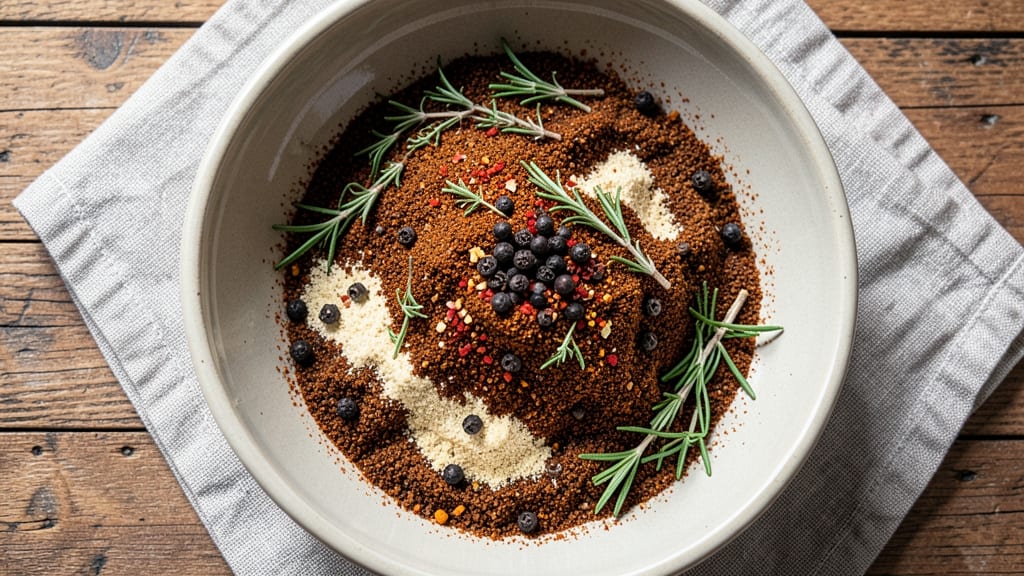
This chicken tenderloin seasoning recipe transforms simple protein into restaurant-quality bites with just a sprinkle. The smoky garlic-herb blend locks in moisture while building a flavorful crust—perfect for grilling, roasting, or pan-searing.
I developed this mix after testing countless blends to find the ideal balance of earthy, savory, and aromatic notes that elevate tenderloins without overpowering their natural taste.
The secret lies in precise measurements and complementary spices: smoked paprika for depth, garlic powder for punch, and dried herbs like thyme and rosemary for complexity. Unlike pre-packaged mixes, this blend stays fresh for up to 6 months in an airtight container, ready to season meals on demand.
It’s the kind of versatile seasoning that turns weeknight dinners into standout dishes with minimal effort.
What makes this recipe truly special is its ability to deliver juicy, tender results every time—no matter your cooking method. The spices work together to create a flavor profile that’s bold yet balanced, ensuring each bite is packed with aromatic richness.
Whether you’re hosting a barbecue or whipping up a quick weeknight meal, this seasoning mix guarantees professional-quality flavor with just a sprinkle.
Make a large batch and store it in your pantry for quick access—this blend works equally well on chicken breasts, fish fillets, or even roasted vegetables. Once you try it, you’ll never go back to store-bought seasonings again. Let’s get started on this foolproof blend!
Ingredients for chicken tenderloin seasoning
Just a handful of spices. One blend. Perfect for transforming chicken tenderloins into restaurant-quality bites.
| Ingredient | Amount | Notes |
|---|---|---|
| Smoked Paprika 🌶️ | 2 tbsp | High-quality smoked for depth |
| Garlic Powder 🧄 | 1 ½ tbsp | Freshly ground preferred |
| Dried Thyme 🌿 | 1 tbsp | Leaves only, not stems |
| Dried Rosemary 🌿 | 1 tbsp | Finely chopped preferred |
| Onion Powder 🧅 | 1 tbsp | Sweet, not bitter |
| Ground Black Pepper 🌶️ | 1 tbsp | Freshly cracked preferred |
| Diamond Crystal Kosher Salt 🧂 | 1 tbsp | Fine grain for even distribution |
| Ground Cumin 🌿 | ½ tbsp | Toasted for enhanced aroma |
| Ground Coriander 🍃 | ½ tbsp | Sweet, citrusy notes |
| Cayenne Pepper 🔥 | ¼ tbsp | Adjust for heat preference |
The smoked paprika is non-negotiable—it's what gives this blend that signature depth. Penzeys or the bulk section at Whole Foods carry the best quality, but any reputable brand works if it's labeled 'smoked.' Freshly ground spices make all the difference, so if you've got a coffee grinder, toast your whole spices first (cumin and coriander especially benefit from this). The garlic powder should smell vibrant, not dusty—if it's past its prime, toss it. For the rosemary and thyme, look for 'leaves only' packaging to avoid woody stems. If you're feeling fancy, Trader Joe's carries a pre-ground blend that's surprisingly good for a pinch of extra convenience.
No smoked paprika? Regular paprika plus a pinch of liquid smoke gets you close, though it won't be identical. Swap cayenne for red pepper flakes at half the amount if you prefer less heat. The coriander can be omitted if you're not a fan, but the cumin adds earthiness that pairs perfectly with the garlic. For a more Mediterranean twist, bump up the rosemary to 1.5 tbsp and reduce the thyme. This blend works beautifully on fish fillets or roasted vegetables too—just adjust the salt to taste. If you're using it on chicken breasts, you might want to double the amount since they're larger.
Store this blend in an airtight glass jar in a cool, dark place—it'll keep its potency for up to 6 months. I like to portion mine into small jars or silicone molds so I can grab exactly what I need without measuring. For extra freshness, freeze portions in ice cube trays—just pop one out whenever you're ready to season. If you make a big batch, label it with the date so you can track freshness. The spices in this blend are delicate enough that they'll lose punch after a year, so don't panic if you don't use it all that quickly.
Why You'll Love This Recipe
- No Panic Needed: I toss this dry rub on tenderloins in three minutes—no chopping, no measuring madness. Just shake the spices into a bowl, pat them onto the chicken, and call it done. Honestly, the hardest part is deciding whether to bake or pan-sear it.
- Herb Bomb Flavor: The rosemary and thyme give it that earthy, woodsy kick, while the smoked paprika adds depth without overpowering. Trust me, your taste buds will thank you for skipping the bottled rubs.
- Weeknight Hero: Freeze half the seasoning mix for next time—it’s chef’s kiss for lazy Mondays. Or use it on roasted potatoes, grilled veggies, or even popcorn. My kids don’t even notice it’s chicken seasoning anymore.
- Budget’s Your Friend: A single bag of spices feeds four meals, and the chicken costs less than takeout. Plus, leftovers? Just reheat with a splash of broth—no sad, dry chicken here.
Step-by-step instructions for chicken tenderloin seasoning
Here's the method for crafting a bold, aromatic blend that transforms simple chicken tenderloins into restaurant-quality bites.
Measure Ingredients Precisely
Begin by gathering all your ingredients in a small mixing bowl. I like to use a medium-sized bowl that's wide enough to allow easy stirring. Start with the 2 tablespoons of smoked paprika—this is your flavor foundation, so don't skimp. Next, add the 1.5 tablespoons of garlic powder, followed by the 1 tablespoon of dried thyme and 1 tablespoon of dried rosemary. These herbs provide that earthy depth that makes this blend so special.
The reason for measuring precisely is that each spice plays a distinct role—smoked paprika gives the smoky backbone, garlic powder adds sweetness, and the thyme and rosemary contribute that classic herbaceous note. If you're using freshly ground spices, you'll notice an even more vibrant flavor profile in the final seasoning.
Combine Dry Ingredients Thoroughly
Using a whisk or small spatula, gently fold the ingredients together until fully incorporated. You want to break up any clumps of rosemary or thyme that might form. I find that working in a circular motion helps distribute everything evenly. Add the remaining ingredients in this order: 1 tablespoon onion powder, 1 tablespoon ground black pepper, 1 tablespoon diamond crystal kosher salt, 0.5 tablespoon ground cumin, 0.5 tablespoon ground coriander, and finally, the 0.25 tablespoon cayenne pepper if you want a bit of heat.
This sequence matters because the cayenne is the most potent ingredient—adding it last prevents overpowering the more delicate flavors. Mix until the blend looks uniform and no dry spots remain. The texture should resemble coarse sand with visible herb flecks. If you're making this ahead of time, store it in an airtight container for up to three months.
Apply Seasoning for Maximum Flavor Penetration
Pat your chicken tenderloins dry with paper towels—this is crucial for achieving that perfect crispy exterior. The seasoning needs direct contact with the meat, and moisture is its enemy. Generously coat each tenderloin with the seasoning blend, pressing it gently into the surface so it adheres well. I like to do this in a single layer, making sure every side gets equal attention, including the ends.
For best results, let the seasoned tenderloins sit at room temperature for about 15 minutes before cooking. This allows the seasoning to penetrate slightly and ensures even cooking. The blend should now be visibly clinging to the meat, creating a flavorful crust that will develop beautifully during cooking. If you're grilling, this seasoning will give you that perfect balance of smoky, garlicky, and herby notes that tenderize the meat as it cooks.
Cook with Confidence
Whether you're pan-searing, grilling, or baking, the seasoning will work its magic. For pan-searing, heat a skillet over medium-high heat until hot, then add the tenderloins. Cook for 4-5 minutes per side until the exterior develops a deep golden-brown crust and the internal temperature reaches 165°F. The seasoning should be caramelizing slightly, creating a crust that locks in juices and amplifies flavor.
For grilling, maintain a temperature of 375-400°F and cook for 6-8 minutes per side, turning once. The smoky paprika and cayenne will enhance the grill's natural char, while the garlic and herbs ensure each bite is flavorful. Always let the chicken rest for 5 minutes after cooking—this allows the juices to redistribute, ensuring that every cut delivers that promised tender, juicy result.
Pro Tips For Making Chicken Tenderloin Seasoning
- Toast the Herbs First: Don’t just dump dried thyme and rosemary into the mix—give them a quick dry toast in a pan for 30 seconds. This wakes up their flavors and turns them from "meh" to "wow" in your seasoning. I learned this the hard way—my first batch tasted flat until I realized the herbs were just along for the ride instead of leading it.
- Balance the Smoky Heat: Smoked paprika is the star here, but too much can overpower the other flavors. Start with 1 tablespoon per pound of chicken, then taste—if it needs more, add it in small increments. I once doubled the smoked paprika and ended up with a dish that tasted like a campfire, not a meal.
- Avoid the Wet Rub Trap: Skip the water or oil when mixing your dry rub—it’ll clump and stick unevenly to the chicken. Just whisk the spices together in a bowl, then pat them onto the tenderloins like you’re dusting them with flour. Trust me, the texture (and flavor) will be better.
- Let It Breathe Before Cooking: Pat the chicken extra dry with paper towels before applying the seasoning—this isn’t just about moisture, it’s about crispiness. The seasoning will cling better, and the chicken will develop a proper crust instead of steaming into a sad, soggy mess. (Yes, even if you’re impatient like me.)
Essential equipment for chicken tenderloin seasoning
Precision Measuring Tools
For this recipe, a digital kitchen scale is my go-to for accuracy—especially with spices like 0.25 tbsp cayenne pepper. I use the OXO Good Grips Digital Scale because it measures down to 1 gram with easy-to-read increments.
If you prefer volume measurements, a spice measuring spoon set from Amazon Basics works perfectly for tablespoons and teaspoons. 💡
Mixing Essentials
A small ceramic or glass mixing bowl is ideal for combining your spices—it won’t react with the ingredients like metal might. I like the Pyrex 2-quart mixing bowl because it’s durable and easy to clean. For stirring, a whisk or silicone spatula breaks up clumps without scratching the bowl.
Storage Solutions
To keep your seasoning fresh, I store mine in amber glass jars like the Ball Mason Jars, which protect from light and moisture. For small batches, mini silicone molds (like those for ice cube trays) work great for portioning. Label each jar with the date to track freshness. ❄️
Budget-Friendly Swaps
If you don’t have a scale, use a coffee grinder to toast whole spices like cumin and coriander—just pulse for 10 seconds before measuring. For a quick salt substitute, Himalayan pink salt adds mineral notes while keeping the same 1 tbsp measurement.
Cooking Gear
For applying the seasoning, a paper towel is essential for patting chicken dry before coating. I use Bounty Ultra Soft because it absorbs moisture without leaving fibers. A meat thermometer like the Thermoworks Smoke ensures your chicken reaches 165°F safely.
Nutrition facts
Frequently asked questions
Can I use this seasoning blend on foods other than chicken tenderloins?
This versatile blend works beautifully on chicken breasts, fish fillets, or even roasted vegetables. The smoky garlic-herb flavors complement a variety of proteins and veggies. Just adjust the salt slightly if needed for non-meat applications.
Why does the recipe specify adding cayenne pepper last?
The cayenne pepper is the most potent ingredient, so adding it last prevents it from overpowering the more delicate flavors like dried thyme and rosemary. This sequence ensures the blend stays balanced and lets the subtle notes shine.
How do I adjust the heat level if I don’t like spice?
Omit the 0.25 tbsp cayenne pepper entirely for no heat, or reduce it to 0.125 tbsp for a mild kick. You can also swap it for ½ tbsp red pepper flakes if you prefer a more gradual heat buildup. The rest of the blend will still deliver rich, aromatic flavor.
What’s the best way to store this seasoning for long-term freshness?
Transfer the blend to an airtight glass jar and keep it in a cool, dark place like your pantry. It’ll stay potent for up to 6 months. For even longer freshness, freeze portions in ice cube trays—just pop one out when you need it.