
Sauces & Condiments
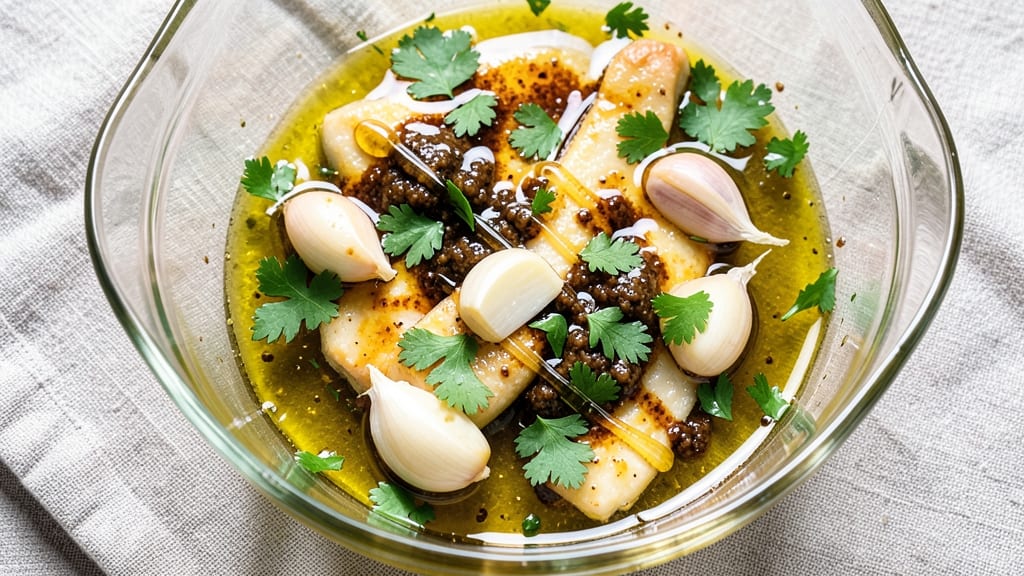
A chicken strip marinade recipe that delivers crispy edges and tender meat every time transforms ordinary chicken into a restaurant-worthy bite. This zesty garlic-herb blend penetrates deeply while keeping the texture juicy, even after frying or baking.
I developed this formula after testing countless variations—some too acidic, others too bland—until I found the perfect balance of acidity, fat, and seasoning.
The secret lies in the ratio of olive oil to lemon juice, which tenderizes without overpowering the chicken’s natural flavor. Fresh garlic, parsley, and a touch of honey create a harmonious blend that caramelizes slightly during cooking, adding depth.
A 15-minute marinade is all you need to infuse flavor, though longer marinating (up to 2 hours) enhances tenderness for thicker cuts.
What sets this marinade apart is its versatility—it works for both crispy fried strips and baked versions, ensuring perfectly golden results. The herbs stay bright, the garlic adds complexity, and the acidity keeps the meat moist.
Whether you’re serving as an appetizer or a main dish, this marinade elevates simple chicken into something extraordinary.
For extra crispiness, pat the strips dry before cooking and use a high-heat method like air frying or pan-searing. Adjust the spice level by adding cayenne or smoked paprika for a kick. The result? Juicy, flavorful chicken strips with a texture that’s impossible to resist.
Ingredients for chicken strip marinade
A bright, balanced marinade where garlic and herbs shine alongside zesty acidity.
| Ingredient | Amount | Notes |
|---|---|---|
| Extra-Virgin Olive Oil 🫒 | ½ cup | High-quality, fruity variety |
| Fresh Garlic Cloves 🧄 | 6 cloves | Peeled, minced finely |
| Fresh Parsley Leaves 🌿 | ½ cup | Chopped finely, stems removed |
| Lemon Juice 🍋 | ¼ cup | Freshly squeezed, strained |
| Honey 🍯 | 1 tbsp | Light or wildflower preferred |
| Dijon Mustard 🍯 | 1 tbsp | Mild or classic variety |
| Salt 🧂 | 1 ½ tsp | Diamond Crystal kosher |
| Ground Black Pepper 🌶️ | ½ tsp | Freshly cracked preferred |
| Smoked Paprika 🌶️ | ½ tsp | For subtle smokiness |
| Garlic Powder 🧄 | ½ tsp | For extra depth if fresh unavailable |
The olive oil and lemon juice form the marinade's backbone—look for extra-virgin olive oil with a peppery finish at Whole Foods or Trader Joe's. Fresh garlic should smell vibrant, not pungent, and Penzeys sells pre-minced garlic in jars if you're short on time. For parsley, the bright green kind from the produce section (not the sad wilting bunches) makes all the difference. I usually grab a whole bunch and use half for this, saving the rest for garnishes. The honey should be liquid—if it's crystallized, warm it gently in a bowl of hot water. Dijon mustard adds tang without overpowering, and Maille is my go-to brand for that perfect balance.
No fresh garlic? Garlic powder at half the amount works in a pinch, though fresh is ideal. Skip the lemon juice? Apple cider vinegar gives similar acidity, but reduce to 1 tablespoon. For a sweeter profile, swap honey for maple syrup. If you're avoiding gluten, check your Dijon mustard label—some brands contain traces. The smoked paprika can be omitted if you dislike smokiness, but I always include it for that subtle depth. For extra richness, add 1 teaspoon of butter to the mix (it'll melt right in). This marinade keeps its brightness even after 24 hours in the fridge, so don't rush the infusion time.
Store any unused marinade in a sealed jar in the fridge for up to 5 days. The flavors actually improve slightly after marinating overnight, so plan ahead if you're prepping for a crowd. For best results, use within 2 hours of cooking to maintain maximum crispiness. If you have leftover marinade after using it on chicken, it makes an incredible salad dressing—just thin it with a bit more olive oil. The honey and mustard blend won't separate if stored properly, but give it a quick stir before each use to re-emulsify.
Why You'll Love This Recipe
- No-Fuss Marinade Magic: This takes less than five minutes to assemble—just whisk, chop, and toss. The lemon juice and honey blend so effortlessly that even my "I’m too tired to cook" nights get a flavor boost without the stress.
- Crispy-Tender Perfection: The smoked paprika and garlic powder give it that subtle smoky depth, while the fresh parsley and Dijon mustard keep it bright and herby. That crispy exterior? Chef’s kiss—thanks to the 4-hour marinate and the critical drying step before cooking.
- Weeknight Hero: Slap this on chicken strips, pop them in the oven or pan, and you’ve got a meal that works for tacos, wraps, or even just a quick salad topper. My kids fight over the leftovers—I’ve never had to force them to eat something.
- Budget-Friendly Flavor Bomb: A high-quality olive oil and a handful of pantry staples (hello, honey and Dijon) make this a steal. The marinade itself lasts five days in the fridge, so you can marinate a big batch and use it for multiple meals—no waste, just flavor.
Step-by-step instructions for zesty garlic-herb chicken strip marinade
Here's how to blend this marinade for maximum flavor penetration and that perfect crispy-tender texture.
Combine Wet Ingredients for Balanced Flavor
In a medium bowl, whisk together the 0.5 cup extra-virgin olive oil, 0.25 cup lemon juice, 1 tbsp honey, and 1 tbsp Dijon mustard until fully emulsified. The honey helps tenderize while adding subtle sweetness, and the Dijon mustard contributes depth. You'll see the mixture become slightly thicker as the ingredients meld.
Here's the thing—this is where the real magic happens. The acidity from the lemon juice will break down the chicken's surface proteins, while the olive oil carries the flavors deep into the meat. Stir continuously for about 30 seconds to ensure everything is well incorporated. The marinade should have a smooth, slightly glossy consistency at this stage.
Add Aromatics and Seasonings
Add the 6 cloves minced fresh garlic cloves, 0.5 cup finely chopped fresh parsley leaves, 1.5 tsp salt, 0.5 tsp ground black pepper, 0.5 tsp smoked paprika, and 0.5 tsp garlic powder to the wet mixture. The parsley adds freshness while the smoked paprika contributes subtle warmth. Stir well to distribute all ingredients evenly.
Let the marinade sit for 5 minutes at room temperature before using. This resting period allows the flavors to meld together more thoroughly. The garlic and parsley will release their aromas, and the smoked paprika will deepen in flavor. You'll notice the mixture becomes more fragrant and cohesive during this time.
Marinate Chicken Strips for Optimal Texture
Place the chicken strips in a resealable plastic bag or shallow dish. Pour the prepared marinade over the chicken, ensuring each piece is fully coated. Seal the bag or cover the dish, then refrigerate for at least 4 hours, or up to 12 hours for maximum flavor penetration. This marinating time is crucial for achieving that crispy exterior while keeping the meat tender.
Here's what I do—after marinating, I pat the strips dry with paper towels before cooking. This step is essential for developing that perfect crispy crust. The marinade will have infused the chicken with flavor, but removing the excess moisture ensures a better sear. Cook the chicken strips immediately after drying to prevent them from releasing moisture back into the marinade.
Pro Tips For Making Chicken Strip Marinade
- Whisk Wet Ingredients Hard: I used to give that bowl a half-hearted stir, but 30 seconds of vigorous whisking with the honey and Dijon mustard actually emulsifies the olive oil and lemon juice—no clumpy bits, just a glossy, cohesive marinade that clings to the chicken like it’s supposed to.
- Mince Garlic Like You Mean It: Six cloves of fresh garlic need to be finely minced—almost pasty—for this marinade to work. I learned this the hard way when my chunks turned into flavor pockets instead of a smooth, aromatic base. A microplane or knife through a rock (yes, I’ve tried) does the trick.
- Rest the Marinade 5 Minutes: Skipping this step means your garlic and parsley will just sit there, underperforming. Let the mixture sit uncovered for those 5 minutes—the aromas will wake up, and the smoked paprika will deepen. It’s weirdly satisfying, like watching a good stew come together.
- Dry Chicken Like It’s 1985: After marinating, I used to slap the strips on the grill or pan still glistening. Big mistake. Pat them thoroughly dry with paper towels—this isn’t the time to be gentle. The goal is a crust so crisp it’ll make you question if you’re eating chicken or fried gold.
Essential equipment for perfect results
Essential Mixing Tools
Start with a medium-sized stainless steel bowl—it’s durable and won’t react with acidic ingredients like lemon juice. For whisking the wet ingredients, I swear by a balloon whisk from OXO Good Grips because its flexible loops ensure every last bit of marinade emulsifies smoothly.
If you’re on a budget, a silicon spatula works just as well for stirring and scraping the bowl. These tools are non-reactive and easy to clean, which is crucial when dealing with fresh herbs and oils. 💫
Storage Containers
For marinating, use a resealable plastic bag like Ziploc or a shallow glass dish with a tight-fitting lid. Plastic bags save space and let you see the chicken’s coating, while glass containers keep flavors fresh longer.
After marinating, transfer any leftover marinade to a glass jar with an airtight lid—I use Ball Mason jars—to store it in the fridge for up to 5 days. The glass preserves the marinade’s vibrant color and prevents plastic odors from transferring. ❄️
Measuring Precision
A digital kitchen scale is my secret weapon for marinades, especially when measuring 1 tablespoon of honey or 1 teaspoon of smoked paprika. Even small discrepancies in measurements can alter flavor balance. If you don’t have one, use a measuring spoon set from Pyrex—their nested design ensures accuracy.
For liquids like olive oil and lemon juice, a clear measuring cup with spout markings helps you pour precisely without spills. 💡
Prep Essentials
Invest in a sharp chef’s knife (I use Wüsthof) and a mandoline slicer for chopping 6 cloves of garlic and 0.5 cup of parsley into uniform, fine pieces. Consistency in texture means even flavor distribution.
A microplane also comes in handy for zesting lemons if you want to add extra brightness to your marinade. For drying the chicken strips post-marinade, keep a stack of paper towels handy—absorbing excess moisture is key for crispy results. 🔥
Cooking Gadgets
While not strictly for marinating, a cast-iron skillet or air fryer is essential for cooking your marinated chicken strips. Cast iron retains heat beautifully for that perfect sear, while an air fryer like the Ninja Foodi gives you crispy edges with less oil.
If you’re frying, a thermometer (like the Thermoworks Smoke) helps monitor oil temperature at 350°F for even cooking. Pro tip: Use tongs with silicone tips to flip the strips without tearing their delicate coating. 🍗
Nutrition facts
Frequently asked questions
How long should I marinate chicken strips for best results?
For maximum flavor penetration and tender texture, marinate your chicken strips for at least 4 hours, or up to 12 hours in the fridge. This timeframe ensures the marinade infuses deeply without over-tenderizing the meat. If you're short on time, even 1 hour will add noticeable flavor, though the texture may be slightly less crispy.
Can I use this marinade for other proteins besides chicken?
This zesty garlic-herb blend works beautifully on pork strips, shrimp, or even tofu for a vegetarian option. The acidity and herbs tenderize and flavor non-chicken proteins effectively. Just adjust marinating times slightly—2-3 hours for tofu or shrimp works well, while pork can handle the full 12-hour marinade like chicken.
What if I don't have fresh parsley or garlic?
No problem! For garlic, use 0.5 tsp garlic powder (half the fresh amount) for depth. Replace parsley with 0.5 cup chopped cilantro or 0.5 cup basil—both add freshness. If you're avoiding fresh herbs entirely, 1 tsp dried oregano or 1 tsp dried thyme can substitute. The flavor profile will change slightly but still be delicious.
Why does the recipe say to rest the marinade before using?
The 5-minute rest after mixing lets the flavors meld completely. The acidity from lemon juice and the oils need time to emulsify properly, creating a smoother marinade that coats the chicken evenly. Skipping this step might leave you with a slightly grainy texture or uneven flavor distribution on your strips.
Can I double this marinade recipe for a big batch?
Yes! This marinade scales perfectly—just double all ingredients. For large quantities, use a quart-sized resealable bag or a shallow glass dish to ensure even coating. If cooking immediately after marinating, divide the chicken into batches to avoid overcrowding your cooking pan. The 5-day fridge storage works for doubled amounts too!