
Sauces & Condiments
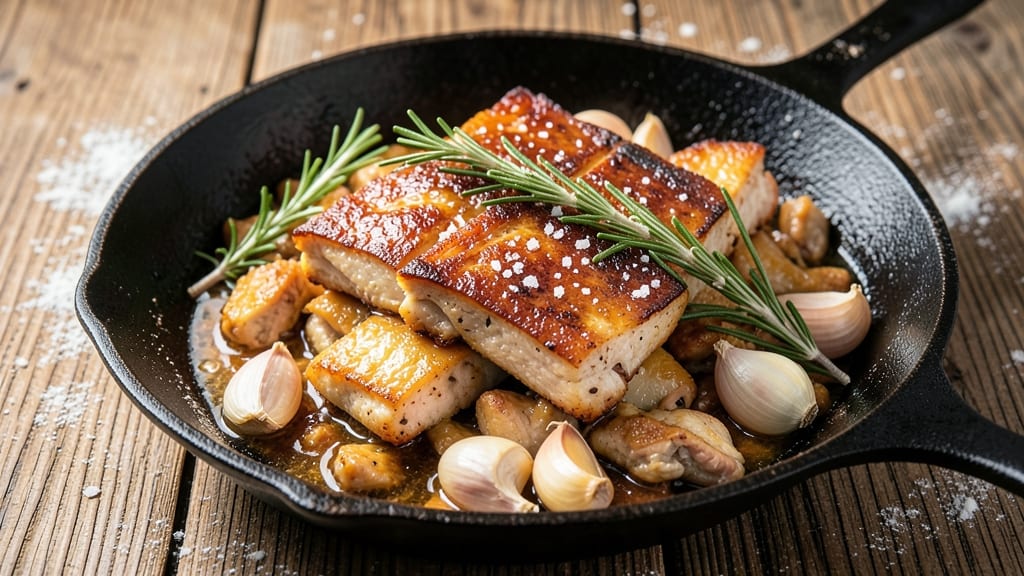
This chicken schmaltz recipe transforms humble chicken fat into a culinary gold standard—versatile, rich, and essential for everything from crispy roasted potatoes to delicate sauces. Unlike store-bought alternatives, homemade schmaltz offers unmatched flavor and clarity, perfect for frying, sautéing, or even finishing dishes with its nutty depth.
The process is simple: render chicken fat slowly to extract pure schmaltz, then store it properly for long-term use. What sets this apart is its precision—every step ensures a clean, flavorful result that elevates traditional dishes while opening doors to modern applications.
Think crispy fried chicken, golden hash browns, or even infused dressings that carry that unmistakable richness.
With proper storage, this rendered fat keeps for months, making it a pantry staple worth mastering. The key lies in patience during rendering and careful filtration to remove impurities, yielding a product that’s both professional-grade and foolproof at home. Once perfected, you’ll never return to vegetable oil again.
Beyond basic schmaltz, we’ll explore variations like garlic-infused or herb-infused versions, expanding its culinary possibilities. Safety and shelf life are critical—this guide ensures you handle and store it correctly for maximum flavor and longevity, making chicken schmaltz a non-negotiable addition to your cooking repertoire.
Ingredients for chicken schmaltz
Just chicken fat and patience—transforming scraps into liquid gold for frying and finishing dishes.
| Ingredient | Amount | Notes |
|---|---|---|
| Chicken Fat (from skin or trimmings) 🍗 | 2 cups | Rendered from fresh chicken |
| Chicken Skin (from whole chickens) 🥔 | 1 ½ lb | Fresh, not frozen, preferred |
| Chicken Trimmings (fat and connective tissue) 🍗 | 1 lb | From butcher or grocery store |
| Kosher Salt 🧂 | 1 tsp | Diamond Crystal preferred |
| Fresh Rosemary 🌿 | 2 sprigs | For optional infused variation |
| Garlic Cloves 🧄 | 4 cloves | For optional infused variation |
| Lemon Zest 🍋 | 1 tsp | For optional citrus infusion |
| Cheesecloth 🧻 | 1 sheet | For filtration (or coffee filter) |
| Fine-Mesh Strainer 🧂 | 1 whole | For additional filtration |
| Air-Tight Glass Jar 🥫 | 1 whole | For storage (16 oz minimum) |
The fat is everything here. Fresh chicken skin from the butcher yields the cleanest, most flavorful schmaltz—avoid frozen scraps, which can harbor off-flavors. If using trimmings, pick through for connective tissue and fat pieces; Costco or local farms often have these at a discount. For best results, render within 24 hours of purchase. The key is low-and-slow—rushing turns schmaltz greasy instead of golden. Diamond Crystal kosher salt enhances flavor without overpowering, but any fine sea salt works. If you're making infused versions, add rosemary or garlic to the warm (not hot) schmaltz after rendering—just steep for 10 minutes before straining.
No fresh chicken skin? Rendered duck fat works in a pinch, though it has a distinct flavor. Short on time? Pre-rendered schmaltz from specialty stores exists, but it lacks the depth of homemade. For filtration, cheesecloth plus a fine-mesh strainer removes every last bit of sediment—skip this, and you'll get cloudy schmaltz. The lemon zest is optional but adds a bright contrast to the rich fat; zest only, no pulp. Store-bought schmaltz blends often contain additives—this recipe is 100% pure fat, no fillers. If you burn the fat during rendering, start over; schmaltz should smell nutty, not acrid.
Schmaltz keeps for 6-12 months in the fridge, sealed under oil to prevent oxidation. For long-term storage, freeze in ice cube trays—perfect for small portions. Reheat gently in a saucepan over low heat, or use straight from the fridge for frying. Never microwave—it breaks down the fat. Label your jar with the date; fresh schmaltz has a golden hue and crystal-clear texture. If it turns cloudy or smells off, discard it—schmaltz goes bad fast once compromised. A little goes a long way: 1 tablespoon coats a whole roasting pan with flavor. Use it up before it expires—once you taste the difference, you'll never go back.
Why You'll Love This Recipe
- No Waste Magic: This isn’t just about throwing scraps in a pot—it’s about turning what would have gone to the compost into something so good, you’ll want to fry everything in it. The chicken skin and trimmings? They become crispy little gold nuggets while the fat turns into liquid perfection. Honestly, this is how I justify keeping my kitchen scraps around.
- Herb-Infused Gold: The rosemary and lemon zest aren’t just fluff—they actually change the game. That subtle herbal brightness and citrus kick make the schmaltz taste like it’s been sitting in a fancy kitchen for weeks, not rendered in your Dutch oven. Trust me, plain schmaltz is great, but this infused version? Chef’s kiss.
- Fries That Win Friends: Nothing beats schmaltz-fried potatoes—crispy outside, buttery inside, with that unmistakable chicken flavor. It’s the secret weapon for game day, lazy Sunday dinners, or when you’re hosting and want everyone to leave asking for the recipe. Even my picky friend, who hates "greasy" food, devours these.
- 6-Month Fridge Life: Store-bought schmaltz is often watered down or full of additives, but this? Pure, unfiltered chicken fat that lasts half a year. I’ve got jars from last winter still holding up—perfect for when you’re too lazy to render a fresh batch or need a backup for your favorite fried chicken recipe. Zero waste, zero stress.
Step-by-step instructions for chicken schmaltz rendering
This method transforms humble chicken scraps into liquid gold for roasting and frying.
Prepare the Chicken Fat and Skin
In a heavy-bottomed Dutch oven, combine the 2 cups chicken fat (from skin or trimmings) with the 1.5 lb chicken skin (from whole chickens). Cut the skin into rough 1-inch squares to expose more surface area for rendering. This maximizes fat extraction and creates a crispy, flavorful byproduct.
Place the Dutch oven over medium-low heat and let it warm gradually. You'll see the fat begin to melt and bubble—this is the first stage of rendering. The key here is patience; rushing will cause the skin to burn before the fat fully separates. Stir occasionally with a wooden spoon to help the fat pool at the bottom while the skin crisps and renders.
Add Trimmings and Seasonings
Once the skin has rendered for about 20 minutes and the fat is shimmering but not smoking, add the 1 lb chicken trimmings (fat and connective tissue). These trimmings will break down further, releasing even more flavorful fat. Stir everything together, ensuring the trimmings are submerged in the hot fat.
Now add the 1 tsp kosher salt, 2 sprigs fresh rosemary, 4 cloves garlic cloves (lightly crushed), and 1 tsp lemon zest for an aromatic infusion. The rosemary and lemon zest are optional but elevate the schmaltz with herbal and citrus notes. Let everything simmer gently for 30-40 minutes, stirring occasionally, until the trimmings are fully broken down and the mixture resembles a thick, golden paste.
Strain and Clarify the Schmaltz
Line the 1 whole fine-mesh strainer with the 1 sheet cheesecloth, then place it over a heatproof bowl. Carefully ladle the rendered mixture into the strainer, pressing gently with a wooden spoon to extract every last drop of golden fat. The cheesecloth will catch all the solids, leaving behind a clear, liquid schmaltz.
For an extra-clear finish, you can strain the schmaltz a second time through the fine-mesh strainer alone, without cheesecloth. This step ensures a smooth, silky texture perfect for frying or basting. Transfer the strained schmaltz to the 1 whole air-tight glass jar and let it cool completely before sealing. The fat will solidify slightly but remain liquid at room temperature, ready to use.
Pro Tips For Making Chicken Schmaltz
- Cut Skin Like a Pro: Those 1-inch squares aren’t just arbitrary—they’re about surface area. The more edges exposed, the faster the fat renders and the crispier the skin gets. Chop it unevenly if you’re impatient, but I’ve learned the hard way that consistent sizing keeps things from burning before the fat pools.
- Simmer, Don’t Boil: That 30-40 minute simmer isn’t a suggestion—it’s where the magic happens. If your fat starts smoking or the trimmings look like they’re frying instead of breaking down, you’re going too hot. Lower the heat until you’re just seeing gentle bubbles, not a frenzy. Trust me, the schmaltz will thank you.
- Press Gently, Not Brutally: When straining, pressing too hard squeezes out bitter juices from the solids. Go slow with that wooden spoon—just enough pressure to coax out the fat without turning the cheesecloth into a sludge. Think of it like wringing a damp towel, not a rag.
- Double-Strain for Clarity: Skipping the second strainer-only pass leaves behind tiny particles that cloud your schmaltz. It takes two minutes but makes a real difference—especially if you’re using this for frying. The first strainer catches the big stuff; the second polishes it to liquid gold.
Storing and reheating this dish
Refrigerator Storage
Once your 2 cups of golden schmaltz cools to room temperature, transfer it immediately to your 16 oz air-tight glass jar. This preserves its clarity and prevents oxidation. Store in the fridge where it will keep for 3 months—longer than most store-bought alternatives.
The fat will solidify, but that’s normal; let it soften for 10-15 minutes before using. 🥫
Freezing for Long-Term
For maximum shelf life, freeze your schmaltz in ice cube trays or small portions. This prevents freezer burn and makes thawing easier. Label your container with the date—it stays fresh for 6 months.
When ready to use, transfer cubes to a bowl and let them melt at room temperature. Never refreeze once thawed.
Reheating Methods
Gently warm schmaltz in a saucepan over low heat until liquid—never microwave. This preserves its crispy texture for frying. For infused schmaltz, reheat with 1-2 sprigs fresh rosemary to maintain flavor. Use within 1 hour of reheating for best results.
Quality Checks
Discard schmaltz if it develops an off smell, cloudiness, or rancid taste. Fresh schmaltz should be golden and crystal clear. A lemon zest rinse (dissolve ½ tsp zest in warm water, then rinse jar) keeps it fresh between uses. Trust your senses—when in doubt, toss it.
Portioning Tips
Use a pipette or small spoon for precise measurements. Store schmaltz in 1 oz portions for quick access—perfect for roasting potatoes or searing meats. Label each jar with the date to track freshness. A little goes far: 1 tablespoon transforms roasted veggies instantly.
Nutrition facts
Frequently asked questions
Why does my schmaltz turn cloudy after straining?
Cloudiness often means residual solids weren't fully filtered out. Double-strain through the fine-mesh strainer alone after cheesecloth filtration for crystal clarity. If reheated improperly, schmaltz can also develop a milky appearance—always warm gently over low heat to avoid breakdown.
Can I use duck fat as a substitute for chicken schmaltz?
Yes, but expect a richer, gamey flavor profile. Duck fat renders similarly but has a higher smoke point—ideal for frying. For best results, use 1:1 ratio and adjust seasonings to complement the deeper taste. The texture remains silky when strained properly.
How do I prevent my schmaltz from burning during rendering?
Maintain medium-low heat consistently and avoid stirring too frequently. The skin should crisp slowly—if it smokes, reduce heat immediately. For extra safety, render in batches if your pot gets too hot. Patience is key; 20-40 minutes is normal for complete rendering.
What’s the best way to reheat schmaltz for frying?
Use a lightweight saucepan over low heat until fully liquid—never microwave. For infused schmaltz, add fresh rosemary sprigs during reheating to preserve flavor. Keep it warm in a slow cooker on "warm" setting for up to 1 hour between uses.
Can I freeze schmaltz for long-term storage?
Yes! Freeze in ice cube trays or small portions for up to 6 months. Thaw at room temperature and reheat gently—never refreeze once thawed. Label containers with dates to track freshness. Frozen schmaltz maintains clarity but may solidify completely.