
Appetizers
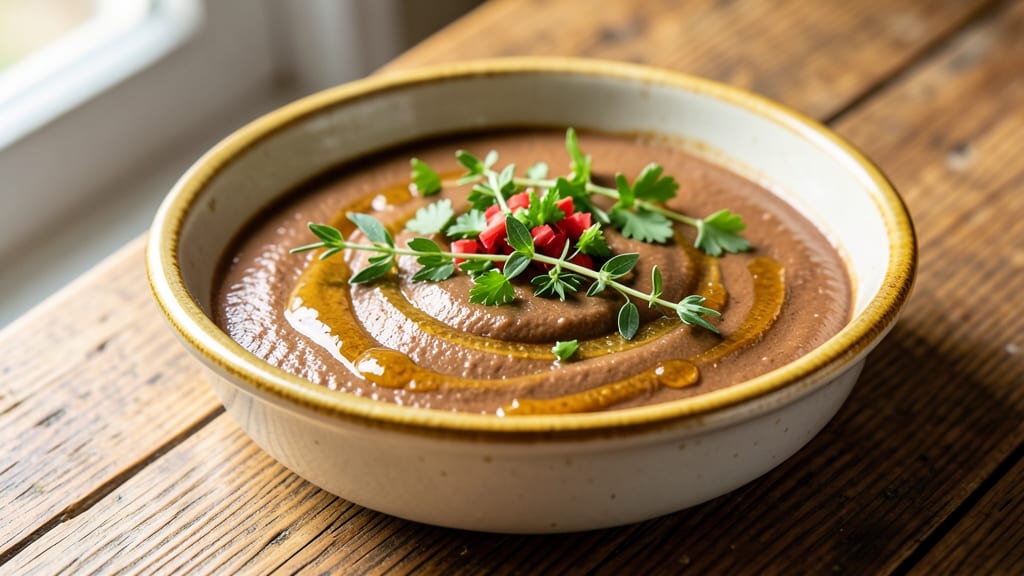
This chicken liver pâté recipe without alcohol delivers the same luxurious, velvety texture you'd expect from classic versions—but without a drop of brandy or wine.
The secret lies in balancing rich chicken liver with high-quality fat (I prefer duck fat for depth) and fresh aromatics, creating a spread that's smooth, spreadable, and packed with umami flavor. My grandmother used to make this for holiday gatherings, and it became the star of every appetizer table.
The key to success is slow cooking the liver until it's fork-tender, then blending it with melted fat and finely minced shallots until completely smooth. Fresh herbs like thyme and parsley add brightness, while a touch of Dijon mustard ties everything together.
This isn't just pâté—it's a restaurant-quality condiment that transforms simple crackers or toast into an elegant bite. The texture should be silky, almost custard-like, with no graininess at all.
What makes this version work so well is the fat content—duck fat or butter creates that signature richness without needing alcohol as a binder. Once chilled, the pâté develops a firm yet creamy consistency, perfect for spreading or piping onto blinis.
It keeps beautifully in the fridge for up to a week, making it ideal for entertaining or meal prep. The flavor profile is bold but balanced: earthy liver, savory fat, and fresh herbs that cut through the richness.
Serve this pâté with toasted baguette slices, water crackers, or even as a filling for crepes. It's equally at home as a breakfast spread or an elegant appetizer for dinner parties.
The beauty of this recipe is its versatility—it's rich enough to stand alone but adaptable enough to complement other flavors. Let's create this luxurious spread that proves you don't need alcohol to make pâté extraordinary.
Ingredients for chicken liver pate recipe without alcohol
Rich liver, velvety fat, and fresh herbs. Everything you need for decadent pâté without alcohol.
| Ingredient | Amount | Notes |
|---|---|---|
| Chicken Livers 🍗 | 1 ½ lb | Fresh, trimmed of connective tissue |
| Duck Fat 🦆 | ½ cup | Cold-pressed, or substitute butter |
| Shallots 🧅 | ½ cup | Finely minced, about 4 medium |
| Fresh Thyme Leaves 🌿 | ¼ cup | Stems removed, loosely packed |
| Fresh Parsley Leaves 🌿 | ¼ cup | Flat-leaf preferred, loosely packed |
| Dijon Mustard 🍯 | 1 tbsp | High-quality, smooth variety |
| Unsalted Butter 🧈 | ¼ cup | Cold, cubed for blending |
| Lemon Juice 🍋 | 1 tbsp | Freshly squeezed, strained |
| Sea Salt 🧂 | ½ tsp | Fine grain, adjust to taste |
| Freshly Ground Black Pepper 🌶️ | ¼ tsp | Cracked peppercorns preferred |
The chicken livers are the star—ask your butcher for the freshest, ideally the day they're delivered. Costco or Whole Foods usually have them pre-trimmed, which saves time. If they're still attached to connective tissue, soak in cold water for 10 minutes to loosen it. Duck fat gives that signature richness, but high-quality unsalted butter works in a pinch. Look for duck fat that's cold-pressed and solid at room temperature—it's worth the splurge for that authentic flavor. The shallots should be pale and firm, not sprouting or soft. I double the amount in the recipe and freeze half for future pâtés.
No duck fat? Butter plus a splash of olive oil gets you close, though the texture won't be quite as luxurious. Fresh herbs are non-negotiable here—dried thyme at one-third the amount works, but nothing beats the fresh stuff. Short on parsley? Fresh chives or tarragon add a nice brightness. The Dijon mustard needs to be smooth, not whole-grain—Maille or whole-grain mustard from the fancy aisle are my go-tos. For the lemon juice, strain out any pulp or you'll end up with a grainy pâté. And trust me on the pepper—freshly cracked peppercorns make all the difference.
This pâté keeps for up to 1 week in the fridge, sealed tightly in an airtight container. For longer storage, portion into ice cube trays, freeze, then transfer to a bag—perfect for single servings. Once chilled, it should hold its shape when spread but still be silky smooth. If it's too firm after refrigerating, let it sit at room temperature for 10-15 minutes before serving. The flavor actually improves over time, so make extra for gifts or holiday entertaining.
Why You'll Love This Recipe
- No-Pan-Wash Needed: I love that this recipe lets me cook the livers in duck fat and then reuse that same pan for the shallots and herbs—no scrubbing required. The fond left behind adds layers of flavor without extra effort.
- Herb-Infused Magic: The thyme and parsley don’t just taste good—they transform the livers into something silky and aromatic. That fresh lemon juice and Dijon mustard? Game-changer for balancing richness.
- Crowd-Pleaser for Any Moment: Whether it’s a fancy dinner party or a lazy Sunday, this pate slides onto crackers, bread, or even roasted veggies. My kids even sneak bites when I serve it with their nachos.
- Budget-Friendly Luxury: Chicken livers are cheap, and duck fat (or butter) stretches far. You’re getting restaurant-quality texture without the restaurant price—plus, it makes two servings, so leftovers are a no-brainer.
Step-by-step instructions for chicken liver pate without alcohol
Here's how to create a velvety, herb-infused spread that shines at any gathering.
Prepare the Chicken Livers and Aromatics
Start by trimming any connective tissue from the 1½ lb chicken livers and pat them completely dry with paper towels. This step is crucial—any moisture will prevent proper browning later. While the livers dry, finely mince the ½ cup shallots and remove stems from the ¼ cup fresh thyme leaves and ¼ cup fresh parsley leaves. The shallots should be so small they nearly disappear when cooked.
In a cold skillet, heat ½ cup duck fat over medium-low heat until it melts completely. Add the chicken livers and cook gently, stirring occasionally, for 8-10 minutes until they're just browned but still tender. Overcooking will make them tough. Transfer the livers to a cutting board and let them cool slightly before chopping.
Build the Flavor Base
In the same skillet (no need to clean it—the fond is flavor gold), add the minced shallots and cook for 3-4 minutes until softened and translucent. Stir in the fresh thyme and parsley leaves, cooking for another 1 minute until the herbs release their aroma. Remove from heat and let cool completely.
While the aromatics cool, combine the 1 tbsp Dijon mustard, ¼ cup unsalted butter (cold and cubed), 1 tbsp lemon juice, ½ tsp sea salt, and ¼ tsp freshly ground black pepper in a food processor. Pulse until the butter is finely chopped but not fully melted—this creates the perfect emulsifying base for your pate.
Blend into Silky Perfection
Add the cooled chicken livers and shallot-herb mixture to the food processor. Pulse 3-4 times until the livers are finely chopped but still retain some texture. Scrape down the sides as needed. With the processor running, slowly drizzle in ½ cup duck fat through the feed tube—this creates a luxurious, velvety texture. Process until completely smooth, about 1-2 minutes total. Taste and adjust seasoning if needed.
For the ultimate finish, transfer the pate to a serving dish and chill for at least 2 hours before serving. This resting time allows flavors to meld and the texture to set beautifully. Serve with crusty bread, crackers, or as a sophisticated appetizer with roasted vegetables.
Pro Tips For Making Chicken Liver Pate Recipe Without Alcohol
- Dry the Livers Thoroughly: I learned this the hard way—wet livers will steam instead of brown, and you’ll end up with a sad, pale mess. Pat them completely dry with paper towels, even if it feels excessive. The duck fat will reward you with a beautiful crust instead of a greasy sludge.
- Cook Shallots Low and Slow: Those minced shallots need time to soften fully, not just caramelize. If you rush them, they’ll turn bitter or stay crunchy. Three to four minutes on medium-low is non-negotiable—this is where the sweetness develops, and it’s the base of your flavor.
- Chill Before Processing: Warm livers in the food processor will turn to mush before you get a smooth texture. Let them cool completely before blending—even a few minutes makes a difference. Trust me, your future self will thank you when the pate isn’t grainy.
- Drizzle Duck Fat Slowly: Pouring that ¼ cup duck fat all at once will overwhelm the processor and break the emulsion. Drizzle it slowly while running the machine—this creates the silky, spreadable texture that makes this pate worth the effort. (Yes, even if you’re impatient like me.)
Serving suggestions for leftovers
Toasted Bread Perfection
This pâté is made for crusty baguette slices or sourdough loaves—the kind with that perfect chewy crust. Toast them lightly until golden, then spread a generous dollop of the pâté.
I love using a small spoon to pipe it onto the bread for an elegant presentation. The contrast between the crispy bread and velvety pâté is what makes it irresistible. 🍞
Water Crackers Elevation
For a lighter option, water crackers like Waterford Miracle or Ritz work beautifully. Their delicate texture lets the rich flavors of the pâté shine. I like to arrange them on a wooden board with small spoons for easy serving. This combination is perfect for a sophisticated appetizer spread. ✨
Blini Bites
If you're feeling fancy, serve this pâté on mini blinis. The soft, pillowy texture of blinis makes each bite feel luxurious. Top with a sprinkle of flaky sea salt or a drizzle of crème fraîche for extra depth. I always make extra blinis—they disappear fast! 💫
Vegetable Pairings
Roasted radishes, carrots, or beet greens add freshness to balance the richness of the pâté. Toss them with a light olive oil and lemon dressing and serve alongside. The cool crunch cuts through the silky texture perfectly. 🥕
Crepe Filling
Spread a thin layer of pâté onto homemade crepes or store-bought ones, then roll them up. This makes a quick, impressive appetizer that’s easy to eat. I like to add a touch of crispy prosciutto for extra flavor. It’s like a fancy breakfast sandwich for dinner! 🥞
Nutrition facts
Frequently asked questions
Why does my pâté need to rest before serving?
Resting for at least 2 hours lets the flavors meld and the fat fully incorporate, creating that perfect silky texture. Think of it like wine—it tastes richer after sitting. The chill also firms it up slightly, making it easier to spread without smudging. This step is non-negotiable for that restaurant-quality finish!
Can I make this pâté ahead of time?
This recipe actually tastes better after 24 hours in the fridge. Just store it in an airtight container and let it come to room temperature for 10-15 minutes before serving. The flavors deepen beautifully over time, making it perfect for meal prep or holiday entertaining.
What if my pâté is too grainy?
If you're left with texture, blend in 1-2 tbsp more duck fat while processing and pulse until completely smooth. Over-blending won't help—stop when it reaches that velvety consistency. For next time, ensure your livers are completely cooled before blending and use a sharp knife for the initial chopping.
Can I use duck fat substitutes?
Yes! While ½ cup duck fat gives that luxurious richness, ¼ cup unsalted butter + ¼ cup olive oil works in a pinch. The texture won't be quite as decadent, but the flavor remains balanced. For best results, stick to high-quality fats—your taste buds will notice the difference!