
Main Courses
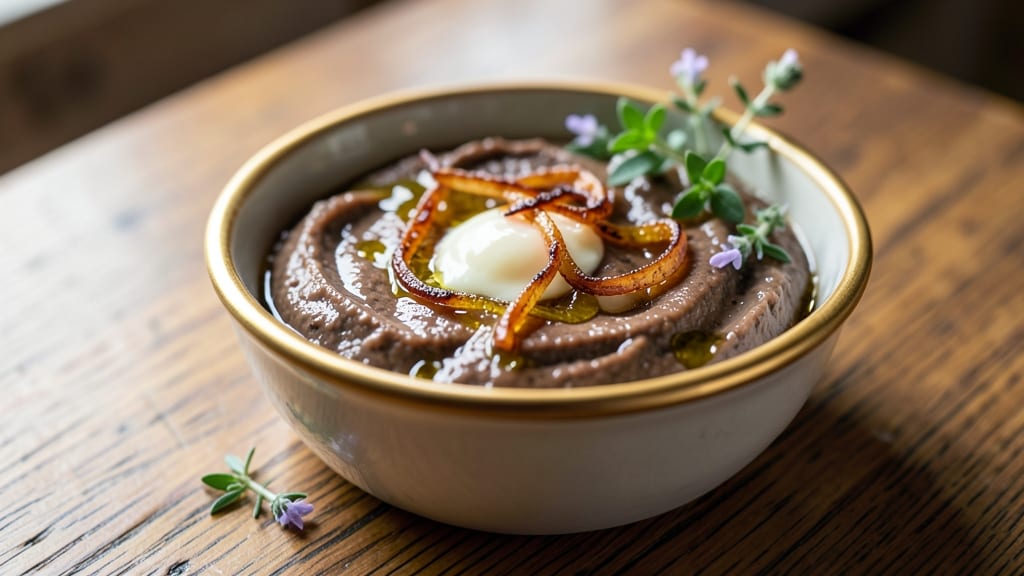
Jamie Oliver's chicken liver pâté recipe delivers that luxurious, velvety texture we associate with fine dining—silky smooth and packed with rich, savory depth. The secret lies in balancing perfectly cooked livers with a blend of butter, eggs, and stock, creating an emulsion that’s impossible to resist.
I’ve simplified Jamie’s signature techniques to make this dish accessible without sacrificing that restaurant-quality finish.
This recipe starts with aromatic onions and garlic sautéed until golden, forming the flavor base for the pâté. The liver is cooked just until tender, then blended with cold butter, egg yolks, and stock to achieve that signature creamy yet firm consistency.
Seasoning is key—salt and pepper are essential, but a splash of brandy or fresh thyme elevates it to another level.
What you’ll end up with is a pâté that’s rich, velvety, and deeply flavorful, perfect for spreading on toasted baguette slices or serving with crackers. The texture is luxurious, with just the right balance of smoothness and slight bite.
It’s the kind of dish that feels special but is surprisingly straightforward to make at home.
Serve it chilled for the best texture, and pair it with a crisp white wine or fresh herbs to complement the flavors. This pâté is a showstopper for gatherings or a decadent treat for yourself—elegant yet approachable, just like Jamie’s style.
Ingredients for chicken liver pate recipe jamie oliver
A luxurious blend of rich ingredients. Just 11 components transform humble livers into velvety pâté.
| Ingredient | Amount | Notes |
|---|---|---|
| Chicken Livers 🍗 | 1 lb | Fresh, trimmed of connective tissue |
| Unsalted Butter 🧈 | ½ cup | Cold, cut into small cubes |
| Large Egg Yolks 🥚 | 4 whole | Fresh, room temperature |
| Yellow Onion 🧅 | 1 whole | Finely chopped, yellow or red |
| Garlic Cloves 🧄 | 4 cloves | Peeled, minced |
| Fresh Thyme Leaves 🌿 | ¼ cup | Chopped, stems removed |
| Chicken Stock 💧 | ½ cup | Homemade preferred, room temp |
| Brandy 🍷 | 2 tbsp | Optional, high-quality |
| Kosher Salt 🧂 | ½ tsp | Diamond Crystal preferred |
| Freshly Ground Black Pepper 🌶️ | ¼ tsp | Cracked, not pre-ground |
| Extra-Virgin Olive Oil 🫒 | 1 tbsp | For sautéing onions |
The livers are the star—freshness is everything. Look for vibrant, deep-red livers at Whole Foods or your local butcher shop. If they smell even slightly off, skip them. Costco often has good quality in bulk, but check the sell-by date. Trim any connective tissue or silver skin before cooking—it’s bitter. The butter needs to be cold and cubed for that perfect emulsion later. Egg yolks should be fresh and room temperature—old yolks turn grainy when blended. For the onions, yellow or red work equally well, but avoid sweet varieties like Vidalia—they’ll overpower the dish.
No brandy? Dry sherry or cognac works in a pinch, but skip it if you’re avoiding alcohol entirely. Fresh thyme is ideal, but dried works at half the amount—just toast it in a dry pan for 30 seconds first to wake up the flavor. The stock can be store-bought, but homemade tastes worlds better. If you’re short on time, low-sodium chicken bouillon dissolved in water is a decent shortcut. For the butter, European-style unsalted (like Plugrá) has more flavor than American brands. The olive oil? Fruity, peppery varieties like California or Italian work best—avoid the mild supermarket stuff.
This pâté needs to chill for at least 4 hours before serving—overnight is best. Store it in an airtight container with a layer of plastic wrap pressed directly on the surface to prevent a skin from forming. It keeps for 5 days in the fridge or 3 months frozen. For serving, spread on toasted baguette slices or use as a filling for croissants. The texture gets even better after a night in the fridge—trust the process. If it seems too soft when unmolded, pop it back in the fridge for another hour.
Why You'll Love This Recipe
- One-Pan Perfection: I’ve got one of those “just add water” moments—except this time, it’s chicken livers, butter, and a food processor. The onions caramelize in the same pan the livers cook in, and the thyme and garlic infuse everything in minutes. No extra pots, no stress—just a silky, restaurant-worthy spread.
- Umami Bomb: That first bite? Chef’s kiss. The garlic and thyme hit like a fresh breeze, while the egg yolks and cold butter keep it rich and velvety. The chicken stock and brandy (if you’re feeling fancy) deepen the flavor so much, it’s like you’re eating a little taste of France—without the flight.
- Feeds a Crowd (or Just Me): Need a showstopper for a dinner party? This pate looks fancy but takes 30 minutes flat. Or, like me, just eat it straight from the spoon with crackers while watching Netflix. It’s the kind of dish that disappears fast—so make extra, because it’ll be gone before you know it.
- Budget-Friendly Luxury: Chicken livers are cheap, but this pate tastes like it cost $20 a jar. The butter and egg yolks might seem pricey, but they turn a simple protein into something special. Plus, it keeps for five days—so you’re not throwing money away. Win-win.
Step-by-step instructions for Jamie Oliver's chicken liver pâté recipe
Here's the method for a velvety, restaurant-quality pâté that's surprisingly simple to make at home.
Sauté the Aromatics to Build Flavor
Heat the 1 tablespoon extra-virgin olive oil in a large skillet over medium heat until shimmering. Add the 1 whole finely chopped yellow onion and cook for 5-6 minutes until soft and translucent, stirring occasionally. The onions should release their moisture and begin to caramelize slightly at the edges.
Add the 4 cloves minced garlic cloves and cook for another 30 seconds until fragrant—don't let it brown, or it'll turn bitter. Stir in the 0.25 cup chopped fresh thyme leaves and cook for 1 minute until the thyme releases its aromatic oils. This aromatic base forms the flavor foundation of your pâté, so take your time here.
Cook the Chicken Livers Perfectly
Increase heat to medium-high and add the 1 lb chicken livers in a single layer. Cook undisturbed for 2-3 minutes until they develop a golden crust on one side. Flip carefully and cook another 2-3 minutes until they're just cooked through—they should still be slightly pink in the center when done. Overcooking will make them tough and dry.
Transfer the cooked livers to a plate and set aside. In the same skillet, reduce heat to medium and add the 0.5 cup cold cubed unsalted butter. Let it melt completely, scraping up any browned bits from the bottom of the pan—this adds depth of flavor. Pour in the 2 tablespoons brandy (if using) and let it simmer for 1 minute to cook off the alcohol completely.
Blend the Pâté to Silky Perfection
Return the chicken livers to the skillet along with any accumulated juices. Add the 0.5 cup chicken stock and stir to combine. Let the mixture simmer gently for 2 minutes until everything is heated through. Remove from heat and let cool slightly for 5 minutes—this prevents the egg yolks from scrambling when added.
Transfer the mixture to a food processor or blender. Add the 4 whole room-temperature large egg yolks, 0.5 teaspoon kosher salt, and 0.25 teaspoon freshly ground black pepper. Pulse until smooth, then blend on high for 1-2 minutes until completely silky. Scrape down the sides as needed to ensure even blending. The texture should be velvety with no visible chunks—this is what makes a professional-quality pâté.
Finish and Serve with Confidence
Return the blended pâté to the skillet and place over low heat. Stir gently for 3-4 minutes until it reaches an internal temperature of 160°F—this ensures any potential bacteria are killed while maintaining the silky texture. Taste and adjust seasoning if needed, adding more salt or pepper as necessary.
Transfer to a serving dish and smooth the top with a spatula. Let it cool to room temperature before refrigerating for at least 2 hours—this allows the flavors to meld completely. Serve chilled with crusty bread, crackers, or as part of a charcuterie board. The pâté should be rich, smooth, and packed with livery depth balanced by the bright thyme and garlic notes.
Pro Tips For Making Chicken Liver Pate Recipe Jamie Oliver
- Trim Those Livers Properly: I learned this the hard way—leaving even a little connective tissue in your chicken livers turns your pâté into a gritty mess. Use a sharp knife to slice off any silverskin or fibrous bits before cooking, and rinse them under cold water to remove any blood. Trust me, your food processor will thank you later.
- Don’t Rush the Onion: Those 5-6 minutes of caramelizing the onion aren’t optional. I used to rush this step, and the pâté always tasted flat. Let the edges brown slightly—this adds sweetness and depth that no amount of salt or butter can fix. Stir occasionally, but don’t crowd the pan.
- Keep the Livers Moving: Overcooking livers is easy, but so is undercooking them if you’re not paying attention. After searing the first side, flip them immediately and cook just until they’re barely pink inside. If they’re still bleeding raw in the center, they’ll turn rubbery when blended. A quick slice test is your best friend here.
- Chill the Mixture First: Adding room-temperature egg yolks to a hot liver mixture is a one-way ticket to scrambled eggs. Let the blended liver base cool for those full 5 minutes before pulsing in the yolks—it’s the only way to guarantee that silky texture. I know, I know, but trust the process.
Pro cooking tips for perfect results
Emulsifying Like a Pro
Getting that perfect silky texture relies on two key moments: cooling the mixture before blending and using cold, cubed butter. After blending the livers with stock and yolks, let it cool for 5 minutes—this prevents scrambled eggs.
For the butter, chop it into pea-sized cubes and keep it chilled. When you melt it in the skillet, the cold fat emulsifies more easily with the egg yolks, creating that luxurious consistency.
I once forgot to chill the butter, and my pâté turned grainy—trust me, it’s worth the effort! 💫
Temperature Control
The 160°F internal temperature step is crucial for safety and texture. Use an instant-read thermometer to check the pâté’s temperature while gently reheating it on low heat. If it’s below 160°F, it might harbor bacteria, while overheating can break the emulsion.
I find a low flame works best—just enough to keep it warm without scrambling the eggs. Stirring constantly helps maintain that velvety smoothness.
Blending Technique
For a completely silky texture, blend in 1-minute pulses before switching to high speed. This prevents overworking the yolks and ensures even mixing. If the pâté starts to separate, add 1 teaspoon of warm stock and blend again.
I use a high-powered blender like the Vitamix for this step—it’s worth the investment for restaurant-quality results. Scrape down the sides frequently to avoid dry patches.
Equipment Essentials
A heavy-bottomed skillet like a Le Creuset is ideal for building flavor without burning. For blending, a food processor works for smaller batches, but a blender handles larger quantities better. Don’t skip the instant-read thermometer—it’s the only way to guarantee that perfect 160°F finish.
I also recommend a spatula with a flexible edge for smoothing the pâté into serving dishes.
Timing Your Cook
Cooking the livers for 2-3 minutes per side is non-negotiable. They should be golden but still slightly pink inside—overcooking turns them tough. Let them rest off the heat for 5 minutes before blending to ensure even cooking.
I’ve learned the hard way that rushing this step ruins the texture. Patience here pays off with a pâté that’s rich and tender, not dry or rubbery. 💡
Nutrition facts
Frequently asked questions
Why do the chicken livers need to stay slightly pink inside?
Livers cook quickly and should remain slightly pink in the center for optimal texture. Overcooking makes them tough and dry, ruining the velvety consistency Jamie Oliver’s recipe relies on. The 2-3 minutes per side at medium-high heat ensures they’re cooked through but still tender. Trust your instincts—when they’re done, they’ll have a golden crust but still feel soft inside.
Can I skip the brandy in this recipe?
While 2 tablespoons brandy adds depth, it’s optional. If you prefer, substitute with dry sherry or cognac (same amount) or simply omit it. The pâté will still be rich and flavorful—just without that subtle alcohol note. Always cook off any alcohol for 1 minute to ensure safety.
What if my pâté separates when blending?
Separation happens when the emulsion breaks. Fix it by adding 1 teaspoon of warm chicken stock and blending again. Overworking the yolks can also cause this—pulse briefly before switching to high speed. If needed, return the pâté to the skillet and gently reheat to 160°F while stirring constantly. This restores the silky texture.
How do I prevent a skin from forming on the pâté?
Press plastic wrap directly onto the surface of the chilled pâté before refrigerating. This creates a barrier that prevents a dry skin from forming. If you forget, simply spoon off the top layer before serving. For best results, let the pâté chill for at least 2 hours before slicing—this lets flavors meld perfectly.