
Main Courses
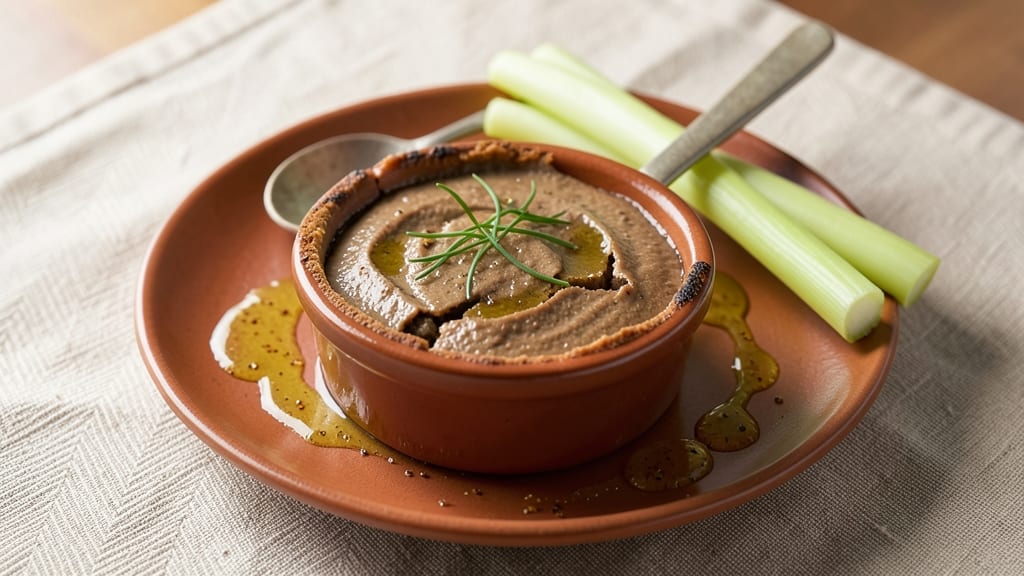
Creating Gordon Ramsay-style chicken liver pâté delivers a luxurious, velvety texture that elevates any dinner table. The secret lies in precise preparation—searing the livers just enough to remove bitterness while preserving their rich flavor, then blending them into a silky emulsion with egg yolks and cream.
This recipe transforms humble chicken livers into a restaurant-worthy dish with minimal effort.
What sets this version apart is the celery crown crunch—a delicate garnish that adds freshness and visual appeal without overpowering the pâté’s depth. The key steps involve soaking the livers to tenderize them, blending until perfectly smooth, and baking just long enough to set the texture without drying it out.
Every detail matters when achieving that signature Ramsay-style finish.
By the end, you’ll have a pâté so rich and velvety it melts in your mouth, crowned with crisp celery for contrast. Serve it with toasted baguette slices or crackers for an elegant appetizer or light main course.
The process is simpler than it sounds, and the results are undeniably impressive—perfect for special occasions or when you want to impress guests.
This recipe balances technique with accessibility, ensuring even home cooks can achieve professional results. The celery crown isn’t just decoration; it’s a flavor bridge that ties the dish together. Whether you’re a pâté novice or a seasoned pro, these steps will guide you to a dish worthy of Ramsay’s kitchen.
Ingredients for chicken liver pate recipe gordon ramsay
Rich, velvety livers meet crisp celery crowns—just a handful of ingredients for restaurant-worthy pâté.
| Ingredient | Amount | Notes |
|---|---|---|
| Fresh Chicken Livers 🍗 | 1 lb | Soaked in milk for 2 hours |
| Heavy Cream 🥛 | 1 cup | Full-fat for best texture |
| Large Egg Yolks 🥚 | 4 whole | Fresh, room temperature |
| Fresh Celery Stems 🧅 | 4 whole | Thinly sliced for crown |
| Extra-Virgin Olive Oil 🫒 | ¼ cup | High quality, fruity |
| Unsalted Butter 🧈 | 4 tbsp | Cold, cubed for searing |
| Shallots 🧅 | 2 whole | Finely minced, skin on |
| Fresh Parsley 🌿 | ¼ cup | Chopped, for garnish |
| Diamond Crystal Kosher Salt 🧂 | 1 tsp | Adjust to taste |
| Freshly Ground Black Pepper 🌶️ | ½ tsp | Cracked peppercorns |
| Whole Grain Mustard 🍯 | 1 tbsp | For subtle tang |
| Dijon Mustard 🍯 | 1 tsp | For depth of flavor |
| Baguette Slices 🍞 | 8 slices | Toasted for serving |
The livers are non-negotiable. Fresh is a must—look for bright red, not gray or slimy. Whole Foods or your local butcher usually have the best quality. Soak them in milk for at least 2 hours—this removes bitterness and tenderizes them. I double this time if I'm using frozen livers (thawed first). The shallots? Skin on for extra flavor, but peel them first—just leave the skin attached while mincing. Don't skip the skin; it adds depth. For the celery crown, Trader Joe's sells those pre-sliced sticks that are perfect—no chopping required.
No heavy cream? Full-fat sour cream works in a pinch, but it won't be as silky. Egg yolks must be fresh—if they're old, the pâté won't emulsify properly. Room temperature yolks blend smoother, so take them out 10 minutes before using. Swapping the mustards? Stone-ground mustard has more texture, while Dijon gives that classic tang. The olive oil should be fruity and peppery—none of that cheap cooking oil. If you're short on time, pre-minced shallots from a jar save steps, but fresh is always better. For the celery crown, blanching the slices in boiling water for 30 seconds ensures crispness without overcooking.
This pâté keeps beautifully. Store it in an airtight container with a thin layer of plastic wrap pressed directly on the surface—this prevents a skin from forming. Good for 3 days in the fridge, but honestly, it tastes even better the next day as flavors meld. Freezes for up to 3 months if you wrap it tightly in parchment and foil. The celery crown? Blanch and drain, then toss with a tiny bit of olive oil to keep it crisp. Serve the pâté at room temperature—30 minutes out of the fridge is perfect. Toast the baguette slices until golden, and you're ready to impress.
Why You'll Love This Recipe
- One-Pan Magic: I love that this recipe turns a single skillet into your hero. No scrubbing pots—just sear those livers in butter, toss in shallots and celery, and boom, you’ve got your base. The browned bits? Pure flavor gold, no cleanup required.
- Creamy Depth, Crispy Crown: The combo of heavy cream and egg yolks gives it that luscious, velvety texture, while that crispy celery crown on top? It’s like a flavor explosion in every bite. That first bite is chef’s kiss—creamy, herby, with a little crunch.
- Weeknight Win: Between soaking the livers while I cook dinner and the double boiler step that feels fancy but is foolproof, this is my go-to when I want something impressive without the stress. Thirty minutes tops, and it feels like a restaurant dish.
Step-by-step instructions for chicken liver pâté with celery crown
Here's how to make this rich, velvety pâté with that perfect celery crown topping.
Prepare the Chicken Livers
First, drain the chicken livers after their milk soak and pat them completely dry with paper towels. This step is crucial—any moisture will prevent proper searing and create a watery pâté. In a large skillet over medium-high heat, melt the 4 tablespoons unsalted butter until it foams but doesn't brown. Add the 1 lb fresh chicken livers in a single layer and let them sear undisturbed for 3-4 minutes until they're golden brown on one side.
Flip carefully and cook another 2-3 minutes until fully cooked through. The livers should be golden and slightly crispy on the edges. Transfer them to a cutting board and let cool for 5 minutes before chopping them into small pieces. This quick sear removes any bitterness and builds deep flavor in the pâté.
Sauté the Aromatics
In the same skillet (no need to clean it—the browned bits are flavor gold), add the 2 whole shallots and 4 whole fresh celery stems, both finely minced. Cook over medium heat for 5-6 minutes, stirring occasionally, until the shallots are translucent and the celery begins to soften. You want them to lose their raw edge completely.
Add the 0.25 cup extra-virgin olive oil and cook for another 2 minutes until the aromatics are fully tender. This step develops the base flavor that will carry through the pâté. Remove the skillet from heat and let it cool slightly before adding the egg yolks—you don't want them scrambling from residual heat.
Blend the Pâté Mixture
Transfer the cooked livers, shallots, and celery to a food processor along with the 4 whole large egg yolks, 1 cup heavy cream, 1 tablespoon whole grain mustard, 1 teaspoon Dijon mustard, 1 teaspoon diamond crystal kosher salt, and 0.5 teaspoon freshly ground black pepper. Pulse a few times to break everything up, then process on high speed for 2-3 minutes until completely smooth and silky.
Scrape down the sides as needed and taste for seasoning. You might need a tiny bit more salt—remember, the pâté will thicken as it chills. Transfer the mixture to a heatproof bowl and place it over a pot of simmering water (double boiler method), stirring constantly for 8-10 minutes until it reaches 160°F internally. This gentle heating ensures a perfectly smooth texture without curdling the eggs.
Prepare the Celery Crown Topping
While the pâté heats, prepare the celery crown by thinly slicing the 4 whole fresh celery stems (about 1/16-inch thick). Arrange them in a circular pattern on a parchment-lined baking sheet, slightly overlapping the slices to form a crown shape. Brush lightly with a bit of the 0.25 cup extra-virgin olive oil and sprinkle with a pinch of salt and 0.25 cup finely chopped fresh parsley.
Toast the celery crown in a 375°F oven for 5-7 minutes until the edges are crispy and golden. Watch closely—they burn quickly. Remove and let cool completely before placing it on top of the pâté.
Serve with Toasted Baguette
Transfer the finished pâté to a serving dish and smooth the top with a spatula. Gently place the crispy celery crown on top, arranging the slices to form an attractive pattern. Toast the 8 slices baguette until golden and crisp, then serve alongside the pâté for spreading.
This pâté keeps well in the refrigerator for up to 3 days, though it's best enjoyed fresh. The contrast of creamy pâté, crispy celery, and crusty bread makes every bite unforgettable—just like Gordon Ramsay's version.
Pro Tips For Making Chicken Liver Pate Recipe Gordon Ramsay
- Use Cold Butter: I learned this the hard way—adding cubed, cold butter to the skillet for searing the livers gives you better control over the heat and prevents burning. The butter melts gradually, creating a rich, flavorful crust without jumping flames. Trust me, your pâté will taste richer for it.
- Don’t Rush the Egg Yolks: After burning three batches, I finally figured out that letting the skillet cool just slightly before adding the egg yolks is non-negotiable. Warm yolks scramble into curdled disaster, and no one wants a grainy pâté. A quick 30-second rest does the trick—your future self will thank you.
- Slice Celery Evenly: This isn’t the prettiest method, but it’s the tastiest: use a mandoline for the celery crown. Thick slices burn, thin ones turn mushy—stick to 1/16-inch. Arrange them in overlapping circles so the edges crisp uniformly. Yes, it looks weird, but it works every time.
- Taste Before Chilling: The pâté thickens as it cools, so taste it before you transfer it to the fridge. You’ll almost always need a pinch more salt—remember, the cream and butter are already salty. Adjust now, not later when you’re scraping the bowl clean.
Regional styles of this chicken liver pate recipe gordon ramsay
French Classic Version
Gordon Ramsay’s version draws inspiration from the classic French pâté en croûte, but the French approach takes it even further. Here, we use duxelles—a finely minced mixture of mushrooms, shallots, and parsley—to blend with the liver. The duxelles adds earthy depth that balances the richness.
I recommend using Portobello mushrooms for a meatier texture, finely chopped and sautéed with 1 tbsp butter until golden. This technique is what makes French pâtés so luxurious, transforming simple ingredients into a restaurant-worthy dish.
Southern American Style
In the American South, this pâté often gets a smoky twist. I like to infuse the heavy cream with 1 smoked paprika tsp and a pinch of cayenne while heating it.
Add ½ cup cooked and crumbled smoked sausage to the food processor along with the liver mixture for a heartier, spicier version. This style is perfect for those who love bold flavors and a little kick—ideal for game-day appetizers or holiday gatherings. 🔥
Mediterranean Twist
For a Mediterranean-inspired take, swap out the Dijon mustard for 1 tbsp lemon zest and 1 tbsp capers, finely chopped. Add ¼ cup finely diced Kalamata olives to the pâté mixture for a briny contrast.
Garnish with fresh dill instead of parsley, and serve with warm pita bread or crusty baguette. This version is lighter yet equally rich, with a bright, zesty finish that pairs beautifully with a glass of dry rosé.
Asian-Inspired Fusion
Fusion lovers will adore this Asian-inspired twist. Replace the Dijon mustard with 1 tbsp hoisin sauce and add 1 tsp grated ginger to the pâté mixture. Stir in ¼ cup finely chopped scallions and a splash of sesame oil for a nutty aroma.
Serve with steamed rice cakes or crispy egg rolls for dipping. The hoisin adds a sweet-savory depth that contrasts perfectly with the creamy liver, making it a standout appetizer for Asian-inspired feasts.
Vegetarian Adaptation
While chicken liver is the star, a vegetarian version swaps it for 1 lb finely chopped mushrooms (like shiitake or cremini) and ½ cup walnuts for richness. Sauté the mushrooms with 2 tbsp olive oil and 1 minced garlic clove until deeply browned.
Blend with the same cream, egg yolks, and mustards, then finish with 1 tbsp balsamic glaze for a tangy touch. This version keeps the velvety texture while catering to vegetarians—just as impressive, just different.
Nutrition facts
Frequently asked questions
Why do I need to soak chicken livers in milk first?
Soaking removes bitterness and tenderizes the livers. The milk absorbs impurities while the 2-hour soak ensures a smooth, clean flavor. Skip this step, and you risk a metallic or bitter taste in your pâté.
Can I make this pâté ahead of time?
It actually tastes better after 24 hours in the fridge as flavors meld. Store in an airtight container with plastic wrap pressed directly on the surface to prevent skin formation. Reheat gently in a water bath before serving.
What if my pâté is too thick or too thin?
Too thick? Add 1-2 tablespoons heavy cream and blend again. Too thin? Place the bowl over simmering water (double boiler) for 2-3 minutes, stirring constantly, until it thickens to a spreadable consistency. Never boil it—this causes curdling.
How do I keep the celery crown crispy?
Blanch the celery slices in boiling water for 30 seconds, then drain and pat dry. Brush lightly with olive oil and sprinkle with salt before baking at 375°F for 5-7 minutes. Keep them separate from the pâté until serving to maintain crispness.
Can I substitute duck or pork liver?
Duck liver works beautifully—it's richer and more luxurious, but reduce soaking time to 1 hour as it's less bitter. Pork liver is milder but lacks depth. For best results, stick with chicken liver for this specific recipe, though duck would elevate it for special occasions.