
Main Courses
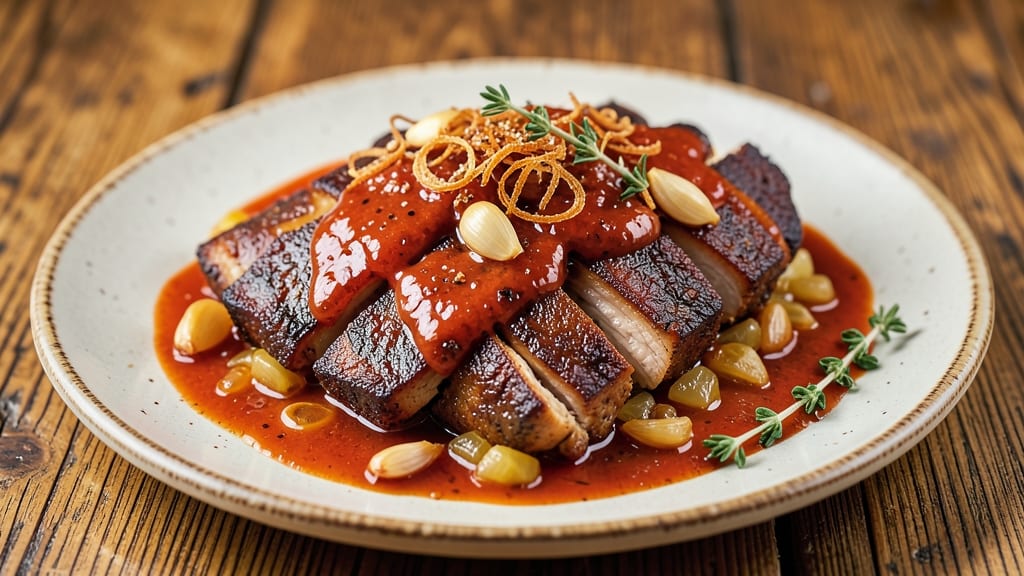
This chicken liver adobo recipe delivers the bold, tangy-sweet flavors of Filipino comfort food with a twist—tender, crispy-edged livers braised in a rich soy-vinegar sauce. The secret lies in balancing traditional adobo aromatics with a precise cooking method that transforms delicate livers into restaurant-worthy bites.
I perfected this version after years of experimenting with offal dishes, ensuring every mouthful delivers that perfect contrast of textures and flavors.
The beauty of this recipe is its simplicity: just a handful of pantry staples—soy sauce, vinegar, garlic, and bay leaves—work together to create a sauce that's both complex and foolproof.
The livers develop crispy edges while staying moist inside, thanks to a two-step cooking process that builds flavor without overpowering the natural richness of the meat. This dish proves that offal can be luxurious when handled with care.
What you'll end up with is a plate of golden-brown livers swimming in a glossy, aromatic sauce that's equally at home with steamed rice or crusty bread. The crispy edges add a satisfying texture contrast to the tender centers, while the sauce—bright with vinegar, deep with soy—ties everything together.
This is the kind of dish that turns a simple weeknight into a special occasion.
Serve with a side of garlic fried rice or steamed vegetables to complete the meal. The leftovers keep beautifully for up to three days, making this a practical yet impressive recipe for any gathering. Let's get cooking!
Ingredients for chicken liver adobo
Pantry staples meet Filipino technique: just 13 ingredients transform delicate livers into restaurant-quality bites.
| Ingredient | Amount | Notes |
|---|---|---|
| Chicken Livers 🍗 | 1 ¼ lb | Fresh, trimmed of connective tissue |
| Coconut Oil 🥥 | 2 tbsp | For high-heat searing |
| Garlic Cloves 🧄 | 6 cloves | Minced, aromatic intensity |
| Yellow Onion 🧅 | 1 whole | Thinly sliced, sweet variety |
| Canned Tomato Sauce 🍅 | ½ cup | San Marzano preferred |
| Dark Soy Sauce 🥢 | ⅓ cup | Kikkoman recommended |
| White Vinegar 💧 | ¼ cup | Distilled, 5% acidity |
| Bay Leaves 🍃 | 2 whole | Fresh, dried acceptable |
| Black Peppercorns 🌶️ | 1 tsp | Coarsely crushed |
| Brown Sugar 🍚 | 1 tbsp | Lightly packed |
| Salt 🧂 | 1 ½ tsp | Diamond Crystal preferred |
| Fresh Thyme 🌿 | ¼ cup | Leaves only, finely chopped |
| Unsalted Butter 🧈 | 1 tbsp | For finishing sauce |
The chicken livers are the star—freshness is non-negotiable. Look for vibrant, deep red livers at your local butcher or specialty market like Whole Foods. Trim all connective tissue and blood vessels meticulously; this ensures tender results. Costco often carries pre-trimmed livers in bulk, which saves significant prep time. If using frozen livers, thaw them overnight in the refrigerator—never at room temperature. The garlic and onion form the aromatic base, so use sweet yellow onions for balanced flavor. For the tomato sauce, San Marzano cans provide superior sweetness and acidity balance, though any high-quality canned tomato sauce will suffice.
No dark soy sauce? Substitute with regular soy sauce plus 1 tsp molasses for depth. Vinegar substitutes include rice vinegar or apple cider vinegar, though distilled white vinegar provides the most authentic tang. Fresh thyme can be replaced with 1 tsp dried thyme, but reduce by half. The brown sugar adds subtle caramelization—white sugar works in a pinch, though it lacks the molasses notes. For crispy edges, coconut oil is critical due to its high smoke point; vegetable oil can substitute but may yield slightly less crisp texture. The butter at the end adds richness; ghee works equally well for a dairy-free option.
This dish reheats beautifully—store in an airtight container for up to 5 days. The sauce thickens upon reheating, so add a splash of water or vinegar to restore consistency. For longer storage, portion into freezer-safe containers for up to 3 months. The livers can be cooked ahead and stored separately, then reheated in the sauce just before serving. Garnish with extra thyme or chopped scallions for freshness. Serve with steamed jasmine rice to soak up the flavorful sauce, or crusty bread for a heartier meal.
Why You'll Love This Recipe
- No-Fuss Crispy Livers: Honestly, the only prep work that feels like work is trimming those livers—everything else is just tossing, searing, and simmering. That 15-minute marinade with salt, sugar, and peppercorns does all the heavy lifting while you caramelize onions and build the sauce. One pan, one spatula, and you’ve got dinner.
- Umami Bomb: The dark soy sauce and white vinegar create that perfect tangy-savory punch, but here’s what really sells it: the crispy edges from the coconut oil sear paired with the creamy finish of that final tablespoon of butter. It’s not just flavor—it’s texture that makes you go back for seconds.
- Leftovers That Shine: I double the recipe for Sunday dinners, and honestly, it gets even better the next day. The sauce thickens just right, and reheating? Just pop it in the pan with a splash of water and stir. My kids don’t even notice it’s chicken livers—just a protein-packed meal they’ll eat without complaint.
- Budget’s Best Kept Secret: Chicken livers are cheaper than chicken thighs, and this recipe stretches them into a dish that feels special—not cheap. The dark soy sauce and fresh thyme add depth without breaking the bank, and if you’ve got a freezer, you can batch-make it for weeks. My secret weapon for feeding a crowd without the cost.
Step-by-step instructions for chicken liver adobo
Master this technique for perfectly balanced adobo where crispy edges meet tender centers.
Prepare the Chicken Livers for Crispy Edges
Pat the 1.25 lb chicken livers completely dry with paper towels—this is critical for achieving crispy edges. Remove any connective tissue or silver skin using a sharp knife. Cut each liver into ½-inch thick slices for even cooking.
In a small bowl, combine 1.5 tsp salt, 1 tbsp brown sugar, and 1 tsp coarsely crushed black peppercorns. Toss the sliced livers in this mixture until evenly coated. Let them sit at room temperature for 15 minutes while you prepare the aromatics. This seasoning blend enhances flavor while promoting crispiness during searing.
Develop the Flavor Base with Aromatics
Heat 2 tbsp coconut oil in a large skillet over medium-high heat until shimmering. Add the 1 whole yellow onion (thinly sliced) and cook for 4-5 minutes until softened and beginning to caramelize. Add the 6 cloves minced garlic cloves and 0.25 cup finely chopped fresh thyme, cooking for 30 seconds until fragrant.
Stir in the 0.5 cup canned tomato sauce, 0.33 cup dark soy sauce, and 0.25 cup white vinegar. Add the 2 whole bay leaves and bring to a gentle simmer. Let the mixture reduce for 5 minutes until slightly thickened and glossy. This aromatic base forms the foundation of your adobo's complex flavor profile.
Sear and Braise for Crispy-Tender Perfection
Increase heat to medium-high and add the seasoned chicken livers in a single layer. Sear undisturbed for 2-3 minutes until the edges develop a deep golden-brown crust. Flip carefully and cook another 1-2 minutes until the undersides are similarly crispy. Remove livers and set aside.
Return the skillet to medium heat and pour in the reserved braising liquid. Add the seared livers back to the pan, spooning sauce over them completely. Cover and simmer for 8-10 minutes until the livers are tender but still moist (they'll continue cooking slightly from residual heat). The sauce should coat the back of a spoon, indicating proper reduction.
Finish with Butter for Richness
Remove the 2 whole bay leaves from the sauce. Stir in the 1 tbsp unsalted butter, allowing it to melt completely and incorporate into the sauce. This final step adds velvety richness that balances the adobo's tangy-savory profile.
Taste and adjust seasoning if needed—you may need to add a pinch more salt to complement the vinegar's acidity. Serve immediately over steamed rice or crusty bread, ensuring every bite delivers that perfect contrast of crispy edges and tender centers.
Pro Tips For Making Chicken Liver Adobo
- Don’t Rush the Vinegar: Let the 0.25 cup white vinegar and 0.33 cup dark soy sauce sit with the tomato sauce for at least 5 minutes before adding the livers. I used to skip this, and the sauce would taste harsh instead of balanced—this step lets the acid mellow out.
- Slice Livers Evenly: Cut each liver to exactly ½-inch thickness—any thicker, and the center stays raw; any thinner, and they burn before cooking through. I learned this after serving a batch where half was perfect and half was gray inside.
- Medium-High Heat Only: When searing the livers, keep the heat at medium-high—too high, and the outside burns before the inside cooks. Too low, and you’ll end up with soggy edges. The pan should shimmer, not smoke.
- Use Sweet Onions: The recipe calls for a sweet yellow onion, and it’s not just for flavor—it caramelizes faster and adds natural sweetness that balances the vinegar’s sharpness. Yellow onions with a hint of sugar are the secret to a well-rounded sauce.
Pro cooking tips for chicken liver adobo
Mastering the Sear
The key to crispy edges starts with medium-high heat in your skillet. I use a 10-inch cast-iron skillet because it retains heat evenly, but any heavy-bottomed pan works. Let the 2 tbsp coconut oil shimmer before adding the onions—they should sizzle gently, not smoke.
Overcrowding the pan will steam the livers instead of searing them. Work in batches if needed, but don’t rush this step. The 2-3 minutes per side is non-negotiable for that perfect golden-brown crust. 🔥
Timing Your Braise
After searing, the livers need 8-10 minutes in the sauce to cook through while staying moist. I’ve learned the hard way—overcooking turns them to mush! Use a meat thermometer to check for 145°F internal temperature.
If your pan is too small, the sauce will reduce too quickly, making the dish too salty. A 12-inch skillet gives you room to maneuver.
Butter Finishing
Stirring in the 1 tbsp unsalted butter at the end is what elevates this dish from good to exceptional. It adds a silky texture that balances the vinegar’s acidity. I like to let it melt slowly over low heat for 1 minute to fully incorporate.
If your sauce looks too thin, simmer uncovered for 2 minutes to reduce slightly—just don’t let it boil.
Sauce Consistency
The sauce should coat the back of a spoon but still be pourable. If it’s too thick after braising, add 1-2 tablespoons water while simmering. I’ve found that using San Marzano tomato sauce gives the best balance—it’s sweeter than regular canned sauce and won’t overpower the soy and vinegar.
Taste as you go, especially if you’re using homemade vinegar or soy sauce.
Equipment Essentials
A digital meat thermometer is my non-negotiable tool for this recipe—it ensures perfect doneness every time. I also recommend a wooden spoon for stirring, as metal can scratch the skillet and release iron into the sauce.
If you don’t have fresh thyme, 1 teaspoon dried thyme works in a pinch, but reduce the cooking time by 30 seconds to avoid bitterness.
Nutrition facts
Frequently asked questions
Why do chicken livers need to be patted completely dry before cooking?
Drying the livers thoroughly is essential for achieving those coveted crispy edges! The moisture evaporates during searing, creating a beautiful golden-brown crust while keeping the inside tender. Skipping this step risks steaming the livers instead of browning them properly.
Can I substitute other types of vinegar for white vinegar in this recipe?
You can use rice vinegar or apple cider vinegar, but they’ll alter the flavor slightly. White vinegar provides the classic tang of traditional adobo. If using a milder vinegar, add an extra ½ teaspoon of sugar to balance the acidity—this helps maintain the dish’s authentic profile.
What should I do if my livers are still rubbery after braising?
Overcooking is the usual culprit! Remove the livers 2-3 minutes early—they’ll finish cooking from residual heat. If they’re still tough, add 2 tablespoons of water to the sauce and simmer gently for another 5 minutes to tenderize them. A meat thermometer ensures perfect 145°F internal temperature.
How can I make the sauce thicker without losing flavor?
Simmer the sauce uncovered for 3-4 minutes to reduce naturally, or stir in 1 tablespoon of cornstarch mixed with 2 tablespoons water at the end. Avoid boiling vigorously—gentle reduction preserves the depth of flavors from the soy, vinegar, and aromatics.
Can I prepare this dish ahead of time?
Cook the livers and sauce separately, then refrigerate. Reheat gently in a skillet over medium-low heat, adding a splash of water if the sauce thickens. The flavors actually improve after resting—just ensure the livers reach 165°F before serving.