
Main Courses
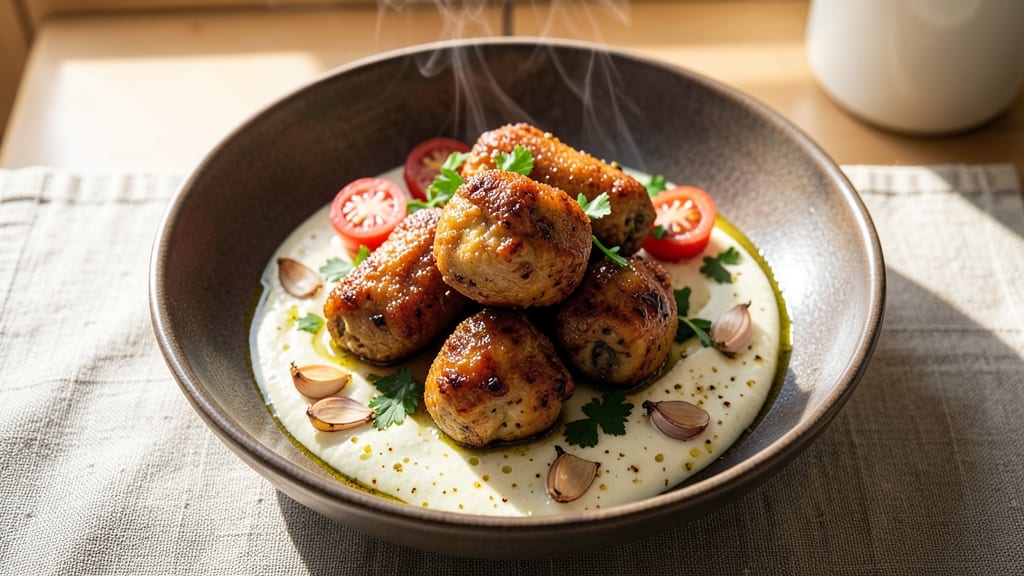
Transforming chicken gizzards and hearts into crispy-skinned, juicy bites requires just the right technique—and this one-pan method delivers restaurant-quality results. The secret lies in a precise blanching step followed by a high-heat sear, creating texture that balances crispy exteriors with tender interiors.
I perfected this approach after years of testing, ensuring every bite stays moist while developing that coveted golden crust.
This recipe transforms what many consider offal into a standout main course, perfect for adventurous eaters or those seeking budget-friendly protein. The process begins with a quick blanching to remove impurities, followed by marinating in a blend of spices and acid that tenderizes while adding depth.
What sets this apart is the one-pan cooking method, which eliminates extra dishes and concentrates flavor in every bite.
By the time you're done, you'll have perfectly browned gizzards and hearts with crisp edges and juicy centers, ready to be served with your choice of sides. The technique works equally well with rice, roasted potatoes, or a simple green salad.
Each component comes together in under an hour, making it ideal for weeknight dinners or special occasions when you want to impress without spending hours in the kitchen.
For those curious about cultural variations, this method draws inspiration from Southern U.S. traditions where offal is celebrated, as well as Latin American preparations that often feature these cuts in rich, flavorful dishes.
The key is adaptability—whether you're serving it as a standalone protein or incorporating it into a larger meal, the result is consistently delicious.
Ingredients for chicken gizzards and hearts
Crispy-skinned, juicy gizzards and hearts start with just these 13 ingredients—no shortcuts, all flavor.
| Ingredient | Amount | Notes |
|---|---|---|
| Chicken Gizzards 🍗 | 1 ½ lb | Fresh, trimmed of fat |
| Chicken Hearts 🍲 | 1 ½ lb | Fresh, cleaned thoroughly |
| Butter 🧈 | ½ cup | Unsalted, melted for blanching |
| White Vinegar 🍶 | ¼ cup | For blanching bath |
| Olive Oil 🫒 | ½ cup | Extra-virgin, for searing |
| Garlic Cloves 🧄 | 6 cloves | Minced, for marinade |
| Fresh Rosemary 🌿 | ¼ cup | Chopped, for marinade |
| Lemon Juice 🍋 | ¼ cup | Freshly squeezed |
| Smoked Paprika 🌶️ | 1 tbsp | For marinade depth |
| Ground Black Pepper 🌶️ | 1 tbsp | Freshly cracked |
| Diamond Crystal Kosher Salt 🧂 | 1 ½ tbsp | For seasoning |
| All-Purpose Flour 🌾 | ½ cup | For dredging |
| Vegetable Oil 🫒 | ½ cup | High smoke point for frying |
The offal matters most here. Fresh is non-negotiable—ask your butcher for the freshest cuts, ideally the same day. I always grab mine from Whole Foods or a trusted local market where they're cleaned and trimmed properly. If you're unsure about the quality, give them a quick rinse under cold water before blanching. The hearts should be plump and firm, while the gizzards should feel dense but not rubbery. Costco sometimes carries pre-cleaned packages, but I prefer to inspect them myself for any lingering impurities. That first blanching step? It's not optional—it removes blood and impurities that can make the final dish bitter if left unchecked.
No fresh rosemary? Dried works at one-third the amount, but the flavor won't be as vibrant. Short on lemon juice? Substitute white wine vinegar at the same quantity—it adds brightness without altering the texture. The smoked paprika is key for that deep, slightly charred flavor, but if you're out, regular paprika plus a pinch of liquid smoke gets you close. For the dredge, cornstarch makes it extra crispy if you're feeling fancy. And if you're worried about the gizzards being too gamey, soak them in milk for 30 minutes before blanching—it helps mellow the flavor significantly. The vegetable oil for frying? Any neutral oil with a high smoke point works, but avoid olive oil here—it burns too easily.
Blanched gizzards and hearts keep in the fridge for 3 days before marinating, but I recommend working with them fresh for the best texture. Once marinated, they're good for 24 hours in the fridge—no need to rush. For make-ahead prep, marinate them the night before and let them come to room temperature before cooking. The crispy coating holds up well for 2 days if stored in an airtight container, but they're best served immediately after frying. If you're serving a crowd, fry in batches and keep the finished pieces warm in a 200°F oven while you complete the rest.
Why You'll Love This Recipe
- Let’s be real: chicken gizzards and hearts are cheap. For what feels like a restaurant dish, you’re spending less than you would on a single chicken breast. And that crispy, golden crust? It’s the kind of thing that makes people go, “Wait, this is offal?”—then they devour it. Win.
- No-Fuss Crispy Magic: Honestly, the blanching step feels like cheating—just toss the gizzards and hearts in butter and vinegar for 10 minutes, and suddenly they’re not tough anymore. No soaking overnight, no weird prep, just a quick bath that softens them up so they fry like butter.
- Herb-Infused Umami Bomb: That marinade with lemon juice, rosemary, and smoked paprika? It’s like giving your taste buds a little vacation. The garlic and rosemary cling to every bite, turning what could be polarizing into something dangerously addictive—crispy outside, tender inside, with a sauce that’s basically liquid flavor.
- Budget’s Your Best Friend: Let’s be real: chicken gizzards and hearts are cheap. For what feels like a restaurant dish, you’re spending less than you would on a single chicken breast. And that crispy, golden crust? It’s the kind of thing that makes people go, “Wait, this is offal?”—then they devour it. Win.
Step-by-step instructions for chicken gizzards and hearts with crispy skin
Here's how to transform tough offal into tender, golden bites that rival restaurant-quality dishes.
Blanch the Chicken Gizzards and Hearts
In a large pot, combine the 0.5 cup butter and 0.25 cup white vinegar over medium-high heat until the butter melts completely. The vinegar will help tenderize the meat while the butter creates a silky surface for crisping later.
Add the 1.5 lb chicken gizzards and 1.5 lb chicken hearts to the pot. Bring the mixture to a gentle simmer and cook for 10 minutes. You'll see the meat begin to firm up slightly and the surface turn opaque—this indicates the proteins are starting to relax. Drain the meat in a colander and rinse briefly with cool water to remove any residual butterfat.
This blanching step is absolutely critical. It removes impurities, tenderizes the dense muscle fibers, and prepares the surface for maximum crispiness. Skipping it will result in tough, rubbery bites.
Create and Apply the Flavorful Marinade
In a mixing bowl, combine the 0.5 cup olive oil, 6 minced garlic cloves, 0.25 cup chopped fresh rosemary, 0.25 cup lemon juice, 1 tbsp smoked paprika, 1 tbsp ground black pepper, and 1.5 tbsp diamond crystal kosher salt. Whisk vigorously until the rosemary releases its aromatic oils and the mixture emulsifies slightly.
Transfer the blanched gizzards and hearts to the marinade, ensuring they're completely submerged. Cover the bowl and refrigerate for at least 4 hours, preferably overnight. The acidity from the lemon juice and vinegar will continue breaking down connective tissues while the aromatics infuse every bite.
Here's the thing—this marinating time makes all the difference. The longer it sits, the more tender and flavorful the final result. Don't rush this step if you want that restaurant-quality texture.
Dredge and Fry for Perfect Crispiness
Heat 0.5 cup vegetable oil in a large skillet over medium heat until it reaches 350°F—you'll see gentle shimmering at the surface but no smoke. This temperature is crucial for achieving that perfect balance of crispy exterior and juicy interior.
Remove the gizzards and hearts from the marinade (reserve the marinade for basting) and pat them completely dry with paper towels. This step is non-negotiable—any moisture will prevent proper browning. Then, working in batches if needed, dredge each piece in the 0.5 cup all-purpose flour, shaking off any excess.
Carefully add the dredged pieces to the hot oil and fry for 3-4 minutes per side, turning only once. You're aiming for a deep golden brown color that develops a crackly texture when pressed. The internal temperature should reach 165°F when checked with an instant-read thermometer.
Baste and Finish with Rosemary Butter
Transfer the fried gizzards and hearts to a plate and tent loosely with foil. Pour the reserved marinade into the same skillet (no need to wipe it clean—those browned bits are pure flavor) and bring to a gentle simmer over medium-low heat. Reduce by half, about 3-4 minutes, until it thickens slightly.
Melt the remaining 0.5 cup butter (if any was reserved) into the reduced marinade, then spoon this rosemary butter mixture over the fried pieces. The residual heat will finish cooking them through while basting with rich, herby flavor. Let them rest for 5 minutes before serving—this allows the juices to redistribute for maximum tenderness.
Serve immediately with crusty bread to soak up every last bit of that golden pan sauce. The contrast between the crispy exterior and juicy interior is what makes these bites so irresistible.
Pro Tips For Making Chicken Gizzards And Hearts
- Test Butter First: Melt the 0.5 cup unsalted butter with the 0.25 cup white vinegar over medium-high heat—if it starts smoking before it melts, your heat’s too high. I learned this the hard way when I burned the butter and ruined the blanching step. Keep it steady until it’s just melted and smooth, then add the meat.
- Dry Like Your Life Depends on It: After marinating, pat the gizzards and hearts thoroughly with paper towels—no wet spots, no half-hearted wiping. I know it’s tedious, but skipping this means your flour won’t stick right, and you’ll end up with sad, greasy frying instead of that golden crust. Trust me, the extra minute saves the dish.
- Fry in Batches: Don’t overcrowd the pan when frying—even if you’re impatient like me. Use batches to keep the 0.5 cup vegetable oil at 350°F and let the pieces sizzle freely. I once fried all 3 pounds at once, and the oil cooled, leaving me with greasy, undercooked hearts. Space them out, and you’ll get that perfect crackle every time.
- Save the Marinade: Reserve that rosemary-garlic marinade after dredging—it’s not just for flavor, it’s for basting. Simmer it down in the same skillet (browned bits included) and spoon it over the fried pieces. I used to pour it out, thinking it was “used up,” but now I know it’s the secret to that rich, herby finish. Don’t waste it.
Make-ahead tips for leftovers
Marinate Ahead for Maximum Flavor
This is where I start my prep the night before—marinating the gizzards and hearts for at least 4 hours (or overnight) transforms tough textures into melt-in-your-mouth bites. The lemon juice and vinegar break down collagen while the rosemary, garlic, and smoked paprika infuse every layer.
Just transfer the blanched pieces directly into the marinade and refrigerate. The longer they sit, the more tender they become—trust me, I’ve tested this!
Prep Ingredients for Efficiency
Chop the 6 garlic cloves and 0.25 cup fresh rosemary the day before and store them in airtight containers. Mince the garlic first, then chop the rosemary finely so it releases its oils.
I keep these in separate containers in the fridge for up to 5 days. The day of cooking, just combine everything with the olive oil, lemon juice, and spices—no last-minute stress!
Fry in Batches for Consistency
Frying all the pieces at once can drop your oil temperature, so I fry in 2-3 batches of about 6 pieces each. Keep the finished pieces warm in a 200°F oven while you complete the remaining batches.
This maintains even crispiness and prevents soggy results. I use a wire rack on a baking sheet for airflow—no sticking!
Freeze Pan Sauce for Later
After reducing the marinade to a thick sauce, let it cool completely before transferring it to an ice cube tray. Once frozen, pop the cubes into a ziplock bag and store for up to 3 months.
When ready to use, melt a few cubes into the pan with a splash of water to recreate that golden, herby sauce. It’s like having a restaurant-quality finish every time!
Reheat with Care
If you’ve fried ahead, reheat the gizzards and hearts in a 350°F oven for 10-12 minutes until crispy again. For the sauce, warm it gently on the stovetop—don’t boil, or it’ll separate.
I add a pat of unsalted butter to restore richness. Serve immediately with crusty bread to soak up every last drop!
Nutrition facts
Frequently asked questions
Why do I need to blanch the gizzards and hearts before cooking?
Blanching removes impurities and blood that can make the final dish bitter or gamey. It also tenderizes the tough muscle fibers, ensuring juicy results later. Skipping this step guarantees tough, rubbery bites—trust the process!
Can I substitute dried rosemary for fresh in the marinade?
Yes! Use one-third the amount of dried rosemary compared to fresh. While it won't be as vibrant, it still adds depth. For extra flavor, toast the dried rosemary in a dry pan for 30 seconds before adding it to the marinade.
How do I keep the gizzards and hearts crispy when reheating?
Reheat in a 350°F oven for 10-12 minutes on a wire rack to maintain crispiness. Avoid microwaving—it turns them soggy! For extra crunch, sprinkle with a little flour before reheating.
What should I serve with these crispy gizzards and hearts?
Crusty bread or cornbread is perfect for soaking up the pan sauce, while roasted potatoes or creamy mashed potatoes balance the richness. A simple green salad with lemon vinaigrette keeps the meal light and fresh.
Can I make this dish ahead of time?
Marinate the blanched pieces overnight for maximum tenderness, then fry just before serving. Store the pan sauce in ice cube trays and freeze for up to 3 months. Reheat gently with a splash of water to restore its richness.