
Sauces & Condiments
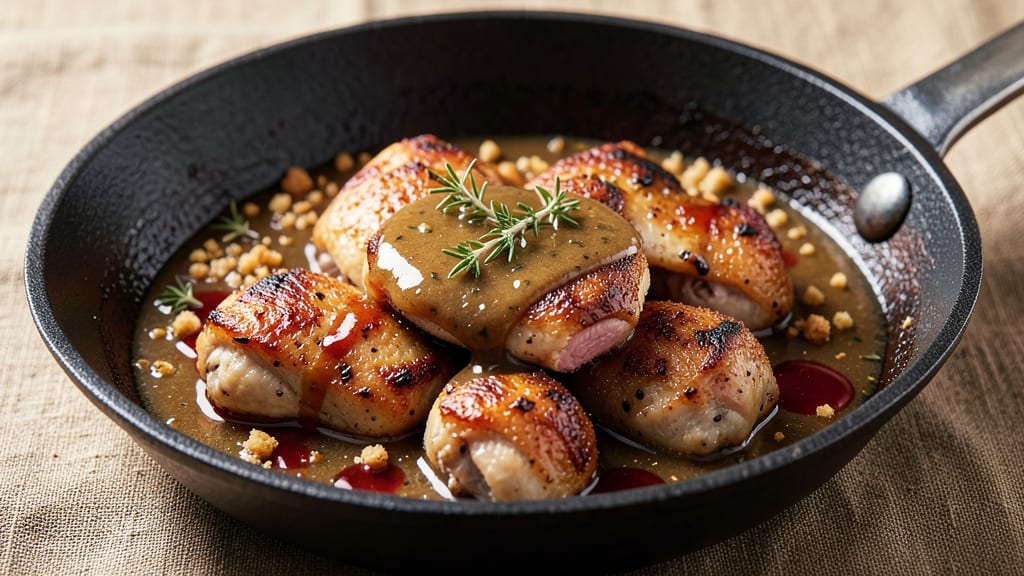
The secret to rich, velvety pan sauce lies in chicken gizzard gravy—a deeply flavorful liquid that transforms simple sides into restaurant-quality dishes. This recipe captures the essence of Southern comfort food, where rendered gizzard collagen creates a luxurious, unctuous texture that clings to every bite.
I’ve perfected the balance of rendering, thickening, and seasoning to deliver a sauce that’s both rustic and refined.
What makes this gravy special is the 20-minute active time combined with slow collagen extraction during cooking, resulting in a sauce that’s thicker than traditional gravies but still silky smooth.
The gizzard’s natural gelatin transforms into a velvety consistency, while a simple roux or cornstarch slurry ensures the perfect body. No fancy techniques—just precise timing and attention to flavor development.
You’ll end up with a gravy that’s deeply savory, with subtle umami notes from the gizzard and a richness that elevates mashed potatoes, biscuits, or even roasted vegetables.
Its versatility makes it a pantry staple, adaptable to Southern-style gravy with a touch of Worcestershire sauce or an Asian-inspired version with ginger and soy. The result is a sauce that feels indulgent yet approachable.
Pair this gravy with buttery biscuits, fluffy dumplings, or roasted chicken for a complete meal experience. The key is patience during the rendering process—it’s worth the effort for a sauce that transforms ordinary dishes into something extraordinary. Let’s get started with the recipe that will redefine your gravy game.
Ingredients for chicken gizzard gravy
A few humble ingredients transform into velvety Southern richness. Nothing fancy, just deep flavor.
| Ingredient | Amount | Notes |
|---|---|---|
| Chicken Gizzards 🍗 | 1 lb | Fresh, cleaned, trimmed of fat |
| Unsalted Butter 🧈 | ½ cup | Full-fat for richness |
| All-Purpose Flour 🌾 | ¼ cup | For roux base |
| Chicken Broth 🍲 | 1 ½ cups | Homemade or quality store-bought |
| Apple Cider Vinegar 🍎 | 1 tbsp | Brightens flavor profile |
| Worcestershire Sauce 🍶 | 1 tbsp | Classic umami depth |
| Fresh Thyme Leaves 🌿 | ¼ cup | Or 1 tsp dried thyme |
| Garlic Cloves 🧄 | 3 cloves | Minced for aromatic base |
| Salt 🧂 | 1 tsp | Diamond Crystal preferred |
| Black Peppercorns 🌶️ | ½ tsp | Freshly cracked |
The gizzards are the star—fresh from the butcher makes all the difference. Look for plump, firm gizzards with minimal fat. Costco or local poultry farms often carry them, or check the freezer section at Whole Foods if you're in a pinch. The collagen in gizzards renders beautifully when cooked low and slow, creating that signature velvety texture. If you can't find gizzards, chicken livers work in a pinch (same cooking method), but gizzards give that unmatched richness. Don't trim the fat completely—it adds flavor during rendering.
No fresh thyme? Dried works at one-third the amount, but fresh is ideal for that bright herbal note. Worcestershire sauce can be swapped for soy sauce or fish sauce if you're avoiding anchovies, though the depth won't be identical. The apple cider vinegar might seem odd, but it cuts through the richness beautifully—lemon juice works too. For a quicker roux, use cornstarch slurry instead of flour (mix 1 tbsp cornstarch with 2 tbsp cold water), but the flour gives a more authentic Southern texture. The garlic can be roasted for a sweeter note if you're feeling fancy—just toss whole cloves in the oven at 400°F for 10 minutes before mincing.
This gravy reheats beautifully—just warm gently on low heat, stirring occasionally. It thickens as it cools, so add a splash of broth if it gets too stiff. Store in the fridge for 5 days or freeze for 3 months in airtight containers. I like to portion it into small jars for easy use—perfect for quick weeknight dinners. The flavor actually improves after a day or two, as the collagen fully develops. For extra richness, stir in a pat of butter at the end—trust me on this one.
Why You'll Love This Recipe
- I’ll be real: This takes 30 minutes max, but it feels like a special occasion. Toss it over mashed potatoes, dumplings, or even toasted bread. My picky eater actually asks for seconds—proof it works for everyone.
- One-Pan Magic: The beauty? You’re using just one skillet—no extra pots, no cleanup chaos. That golden roux with butter and flour? It’s the secret weapon that turns tough gizzards into something silky. Trust me, I’ve done the dishes after both methods.
- Umami Bomb: That combo of Worcestershire sauce and apple cider vinegar? It’s like a flavor hug. The garlic and thyme infuse the gravy while the seared gizzards add depth—no artificial seasonings needed. My family goes back for seconds every time.
- Budget Winner: A pound of gizzards costs less than a single chicken breast, yet this gravy feels like a restaurant dish. The butter and broth stretch far, and leftovers? Perfect for freezing—just reheat and serve. My grocery bill thanks me.
Step-by-step instructions for chicken gizzard gravy
Here's how to transform tough gizzards into velvety, restaurant-quality gravy that'll elevate any meal.
Sear the Gizzards for Maximum Flavor
Pat the 1 lb chicken gizzards completely dry with paper towels—this ensures a proper sear. In a large skillet, melt 0.25 cup of the 0.5 cup unsalted butter over medium-high heat until it foams. Add the gizzards in a single layer and cook undisturbed for 4-5 minutes until deeply golden brown on one side. Flip carefully and sear the other side for another 4-5 minutes until both sides are richly browned.
Here's the thing—those browned bits are pure flavor gold. Don't rush this step. You want the exterior to develop a deep crust while keeping the interior just firm. The gizzards should release easily from the pan when ready. Transfer them to a plate and tent loosely with foil to keep warm while you build the gravy.
Build the Roux Base
Reduce the heat to medium and add the remaining 0.25 cup unsalted butter to the same skillet. Once melted, whisk in the 0.25 cup all-purpose flour immediately to form a smooth paste. Cook this roux for 2-3 minutes, stirring constantly with a wooden spoon, until it turns a rich golden color—this is your flavor foundation.
Watch the roux carefully—it should bubble gently without browning. If it darkens too quickly, you've gone too hot. The goal is a nutty, golden base that'll thicken your gravy beautifully. Once it reaches this stage, you're ready to deglaze with the aromatic elements.
Deglaze and Develop the Sauce
Add the 3 minced garlic cloves and 0.25 cup fresh thyme leaves to the skillet, stirring constantly for 30 seconds until fragrant. Immediately pour in the 1 tbsp apple cider vinegar and 1 tbsp Worcestershire sauce, scraping up all those browned bits from the bottom of the pan with a wooden spoon. This deglazing step captures all that concentrated flavor.
Let the mixture simmer for 2 minutes until the vinegar smell dissipates completely. Then gradually whisk in the 1.5 cups chicken broth, 1 tsp salt, and 0.5 tsp freshly cracked black peppercorns. Bring to a gentle simmer and let it cook uncovered for 5-7 minutes, stirring occasionally, until the gravy thickens to your desired consistency—it should coat the back of a spoon but still be silky smooth.
Finish and Serve
Return the seared gizzards to the skillet along with any accumulated juices. Spoon the gravy over them and let everything simmer together for 3-4 minutes, allowing the gizzards to absorb the rich sauce. The gizzards should be tender enough to pierce easily with a fork, with the gravy clinging beautifully to each piece.
For serving, you can either keep the gizzards in the gravy or plate them separately with the gravy spooned over the top. The finished gravy should be velvety with just a hint of thickness, carrying all those deep umami flavors from the seared gizzards, aromatic thyme, and classic Worcestershire sauce. Serve immediately while warm—this gravy doesn't wait.
Pro Tips For Making Chicken Gizzard Gravy
- Wait for the Butter: That first sear with 0.25 cup unsalted butter needs to foam and bubble fully before adding gizzards—no rushing. I used to toss them in too soon, and the pan would steam instead of brown. Let it get hot enough to sizzle when the gizzards hit the pan, or you’ll end up with soggy, flavorless meat instead of that crisp crust.
- Whisk the Roux Like Your Life Depends on It: The moment you mix in the 0.25 cup flour, stop stirring and let it settle for 10 seconds—then whisk like you’re trying to win a race. Lumps in the roux mean lumps in the gravy, and nobody wants that. Keep it moving constantly until it’s smooth and golden, or you’ll regret it when the sauce turns gluey.
- Scrape Every Last Bit: After deglazing with 1 tbsp apple cider vinegar, grab that wooden spoon and attack the pan like it owes you money. Those browned bits stuck to the bottom are where the magic lives—don’t let a single one escape. Skimp here, and your gravy will taste like it’s missing a soul.
- Taste Before You Trust: Right after adding the 1.5 cups chicken broth, take a sip of the raw gravy—yes, really. It’ll taste sour, salty, and unfinished, but that’s the point. Adjust the 1 tsp salt now if needed, because once the sauce thickens, you can’t fix it. Trust me, I’ve learned this the hard way with batches that ended up either bland or inedible.
Wine and beer pairings for these flavors
Southern Comfort Wines
For a true Southern pairing, reach for a bold red like Sweet Tea from Texas—its spiced notes complement the gravy’s umami depth beautifully. Alternatively, a smoky Zinfandel from California bridges the gap between the gravy’s richness and the dish’s rustic roots.
The fruit-forward acidity cuts through the sauce’s velvety texture, balancing every bite. 🍷
Craft Beer Contrasts
A crisp American IPA like Founders Kentucky Breakfast Stout provides refreshing bitterness that cleanses your palate between savory gravy spoonfuls. For something lighter, try a wheat beer such as Fat Tire—its citrusy notes harmonize with the apple cider vinegar in the gravy.
Both beers enhance the dish’s depth without overpowering it.
Asian-Inspired Pairings
If you’re adapting this gravy with ginger and soy (as mentioned in the intro), pair it with a dry Japanese sake like Gekkeikan Junmai Daiginjo. The sake’s delicate sweetness and crisp finish highlight the gravy’s savory complexity.
For beer lovers, a Japanese-style rice beer such as Sapporo offers a subtle maltiness that pairs surprisingly well. 🍶
Unexpected Sweet Wine
For a bold twist, try a Port wine like Graham’s 10-Year-Old alongside your gravy. The wine’s caramel and dried fruit notes mirror the gravy’s depth, creating an unexpected but delicious contrast. Serve it chilled slightly to balance the richness—it’s a conversation starter for sure!
Local Craft Pairings
Check your local breweries for small-batch bourbon barrel-aged sours—these often feature notes of vanilla and caramel that echo the gravy’s buttery richness. A local craft IPA with tropical fruit undertones can also work, especially if you’ve added a touch of honey or brown sugar to the gravy.
Always ask the bartender for recommendations based on your region’s flavors! 🍺
Nutrition facts
Frequently asked questions
Why does chicken gizzard gravy need such a long sear?
The 4-5 minute sear on each side develops a deep crust that releases maximum flavor when broken down. This process creates the rich, umami base that makes the gravy so velvety. Skipping this step leaves the sauce thin and bland—trust the process for that restaurant-quality depth!
Can I use dried thyme instead of fresh?
Yes! Just use one-third the amount—so 1 teaspoon dried thyme instead of 0.25 cup fresh leaves. Dried thyme loses some brightness but still adds aromatic depth. The flavor won't be identical, but it works perfectly in a pinch.
What if my gravy is too thick after simmering?
Simply whisk in 1-2 tablespoons of hot chicken broth until you reach your desired consistency. The gravy will continue thickening as it cools, so aim for slightly thinner than you prefer while hot. This happens because the collagen fully renders during cooking.
How do I prevent the roux from burning?
Keep the heat on medium and stir constantly with a wooden spoon. If it darkens too quickly, reduce the heat slightly. The goal is a golden, nutty roux—not browned. A gentle simmer prevents browning while developing the perfect thickener.
Can I make this gravy ahead of time?
Store in an airtight container in the fridge for 5 days or freeze for 3 months. The flavor actually improves as the collagen fully develops. Reheat gently on low heat, stirring occasionally to restore its silky texture.