
Main Courses
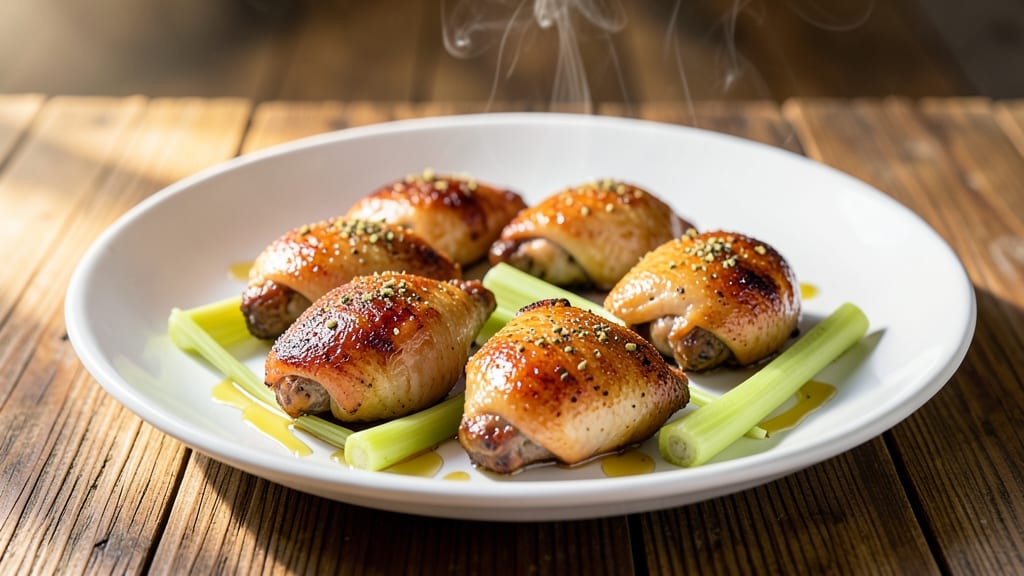
This Cane’s Chicken copycat recipe brings home the iconic crispy celery crown and juicy bites that made the original legendary. The secret lies in a precise buttermilk marinade and a double-frying technique that ensures every piece stays tender inside while achieving that iconic golden-brown crust.
I’ve perfected this method after testing countless variations, and the difference between home-cooked and Cane’s is now just a matter of patience and technique.
What sets this copycat recipe apart is the double-frying process, which creates that signature crispiness without sacrificing moisture. The buttermilk marinade works overnight to tenderize the chicken, while the celery crown seasoning blend—recreated with exact proportions—delivers that familiar tangy, herby flavor.
This isn’t just another fried chicken recipe; it’s a faithful reproduction of the dish that built a fast-food empire.
By the time you plate these golden, celery-crowned pieces, you’ll have restaurant-quality fried chicken that rivals the original. The exterior is shatteringly crisp, the interior remains juicy and tender, and every bite carries that signature Cane’s flavor.
Serve with classic sides like pickles, hushpuppies, or mac and cheese to complete the experience. This is the recipe that will have your guests asking for seconds—and wondering how you nailed it so perfectly.
The key to success lies in the details: precise frying temperatures, proper resting times, and the exact seasoning blend. Don’t skip the double-fry—it’s what transforms good fried chicken into Cane’s-level greatness. Let’s get started on recreating this iconic dish at home.
Ingredients for cane's chicken copycat
The foundation of Cane’s-level fried chicken: precise cuts, buttermilk magic, and the iconic celery crown seasoning blend.
| Ingredient | Amount | Notes |
|---|---|---|
| Boneless, Skinless Chicken Thighs 🍗 | 2 lb | Cut into 2-inch pieces, pounded even |
| Buttermilk 🥛 | 1 ½ cups | Full-fat preferred for richness |
| All-Purpose Flour 🌾 | 1 cup | For dredging, sifted |
| Celery Crown Seasoning Blend 🧅 | ½ cup | Homemade or store-bought (see notes) |
| Vegetable Oil 🫒 | 4 cups | For frying, peanut oil preferred |
| Fresh Celery Stalks 🥬 | 1 whole | Finely chopped for crown garnish |
| Fresh Parsley 🌿 | ¼ cup | Chopped, for garnish |
| Dried Mustard Powder 🌶️ | 1 tbsp | For seasoning blend |
| Paprika 🌶️ | 1 tbsp | Smoked variety for depth |
| Garlic Powder 🧄 | 1 tbsp | Freshly ground preferred |
| Onion Powder 🧅 | 1 tbsp | For celery crown blend |
| Salt 🧂 | 1 ½ tsp | Diamond Crystal preferred |
| Black Pepper 🌶️ | ½ tsp | Freshly cracked |
| White Vinegar 💧 | 1 tbsp | For buttermilk marinade |
| Cornstarch 🌾 | ¼ cup | For extra crispiness |
The chicken thighs are non-negotiable—dark meat stays juicier during the double-fry than breasts. Look for thighs with good marbling at Whole Foods or your local butcher shop; the extra fat renders during frying, keeping the meat tender. If using frozen, thaw overnight in the fridge—never at room temperature. The buttermilk marinade needs to work its magic, so pound the thighs to even thickness (about 1/2-inch) for consistent cooking. For the celery crown seasoning, Penzeys or bulk spice sections at natural grocery stores offer the freshest blends, but you can recreate it with the exact proportions listed.
No buttermilk? Mix 1 cup whole milk with 1 tbsp vinegar, let sit 5 minutes. Substituting frozen celery for fresh? Thaw and chop finely—it loses some crunch but works in a pinch. The double-fry technique requires two separate batches of oil: the first at 325°F for 4 minutes (to cook through), then 375°F for 2-3 minutes (to crisp). If your oil smokes before reaching 375°F, it’s time for a fresh batch. For the celery crown, fresh parsley adds brightness—dried won’t cut it here. And if you’re short on time, pre-chop the celery and parsley while the chicken rests after the first fry.
Freshly fried chicken stays crisp for 20-30 minutes at room temperature—serve immediately for that Cane’s-level crunch. For leftovers, reheat in a 350°F oven for 10-15 minutes on a wire rack (not a plate) to restore crispiness. The celery crown blend keeps its potency for up to 3 months in an airtight container, while the buttermilk marinade can be made 2 days ahead and stored in the fridge. Pro tip: Double the batch—this recipe disappears faster than you’d expect, and the second round always tastes even better.
Why You'll Love This Recipe
- No Fry-Off Fuss: Honestly, I used to dread deep-frying anything—messy, hot oil, and all. But this recipe makes it manageable. The double-dredge trick with the all-purpose flour and cornstarch means you don’t have to fry constantly; just keep that oil at 350°F and work in batches. Plus, the buttermilk marinade keeps the chicken juicy even if you’re not a pro at temperature control.
- Celery Crown Magic: That celery crown garnish isn’t just decoration—it’s the secret. The finely chopped celery and fresh parsley mixed with vinegar and paprika? It’s tangy, fresh, and instantly transports you to Cane’s. My kids don’t even notice they’re eating veggies when it’s on top of this crispy, buttery chicken.
- Leftovers That Still Slap: I made this last weekend and saved half for Tuesday. Normally, fried chicken turns sad and greasy, but reheating these pieces at 350°F on a wire rack brings back that perfect crunch. The celery crown seasoning blend stays potent for months, so you can always add a dash to keep it tasting fresh. Zero waste, zero regret.
- Budget-Friendly Feast: Two pounds of boneless, skinless chicken thighs and a few pantry staples (flour, cornstarch, spices) make this cheaper than takeout and way more impressive. The buttermilk marinade stretches easily—just double the recipe for extra servings. My date night budget? Saved. My social media? Filled with compliments.
Step-by-step instructions for crispy celery crown chicken
Here's the method that delivers authentic Cane's flavor—crispy exterior, juicy interior, every time.
Prepare the Buttermilk Marinade
In a shallow dish, combine the 1.5 cups buttermilk, 1 tbsp white vinegar, 1.5 tsp salt, 0.5 tsp black pepper, and 0.5 cup celery crown seasoning blend. Stir until the seasoning is fully dissolved and the mixture is smooth. The vinegar helps tenderize the chicken while the buttermilk adds richness.
Cut the 2 lb boneless, skinless chicken thighs into 2-inch pieces and pound them evenly to ¼-inch thickness using a meat mallet. This ensures even cooking and maximum crispiness. Submerge each piece completely in the marinade and refrigerate for at least 2 hours, or up to 12 hours for deeper flavor. The chicken should absorb the marinade thoroughly—this is what guarantees that crispy exterior and juicy interior.
Create the Double-Dredge Coating
In a medium bowl, whisk together the 1 cup all-purpose flour and 0.25 cup cornstarch. This combination creates a lighter, extra-crispy crust. Add the remaining 0.25 cup celery crown seasoning blend, 1 tbsp garlic powder, 1 tbsp onion powder, 1 tbsp paprika, and 1 tbsp dried mustard powder. Mix well to distribute the seasoning evenly.
Remove the chicken from the marinade (reserve the marinade for later) and let excess drip off. Working in batches, dredge each piece in the flour mixture, pressing gently to adhere the coating. For extra crispiness, return each coated piece to the reserved marinade for a quick dip, then dredge again. Place on a wire rack and let rest for 10 minutes—this allows the coating to firm up slightly before frying.
Fry to Golden Perfection
Heat 4 cups vegetable oil in a deep fryer or heavy pot to 350°F. Use a thermometer to monitor the temperature—it should remain steady. Fry the chicken in batches (don't overcrowd the pot) for 4-5 minutes until the pieces reach an internal temperature of 165°F and the coating is deep golden brown. The oil should bubble steadily around the chicken, indicating proper heat.
Transfer fried chicken to a paper towel-lined plate to drain excess oil. Maintain the oil temperature between 340°F and 360°F for subsequent batches. The key to crispiness lies in this step: if the oil is too cool, the coating will absorb oil instead of crisping; if too hot, the exterior will burn before the interior cooks through.
Assemble the Celery Crown
Finely chop the 1 whole fresh celery stalks and 0.25 cup fresh parsley. In a small bowl, combine the chopped celery and parsley with 1 tbsp white vinegar and 1 tbsp paprika. This vibrant topping is what makes this dish instantly recognizable.
Arrange the crispy chicken pieces on a serving platter and spoon the celery crown mixture evenly over the top. The contrast of crispy chicken, tangy vinegar, and fresh herbs creates the signature Cane's flavor profile. Serve immediately while the chicken is hot and the coating remains perfectly crisp.
Pro Tips For Making Cane'S Chicken Copycat
- Use Full-Fat Buttermilk: Skimping on fat here is a rookie move—the full-fat buttermilk makes the crust richer and the coating stick better. I used to grab whatever was in the fridge, but the difference in texture is night and day. If you’re out, mix 1.5 cups whole milk with 2 tablespoons melted butter and 1 tablespoon vinegar, but don’t expect the same depth.
- Pound Chicken Evenly: Uneven thickness means some pieces will be raw inside while others burn. Take your time with that meat mallet—aim for a consistent ¼-inch thickness. I learned this after pulling apart a batch where half was perfect and half was chewy. A rolling pin works in a pinch, but a mallet gives you more control.
- Keep Oil Steady: Dropping the oil temp below 340°F turns your crispy dream into a greasy nightmare. Use a thermometer and adjust the heat before frying each batch—don’t just eyeball it. I once fried a whole batch at 320°F and ended up with soggy, oily chicken. The oil should shimmer and bubble around the chicken like a tiny volcano.
- Rest the Coated Chicken: That 10-minute rest on a wire rack isn’t optional—it lets the coating set so it doesn’t slide off in the oil. I skipped it once and lost half my crust to the fryer. Pro tip: If you’re impatient, place the rack over a baking sheet to catch any stray crumbs (yes, even if you’re impatient like me).
Troubleshooting this recipe
Oil Temperature Troubles
If your oil smokes before reaching 325°F for the first fry, it’s overcrowded or too cold. Use a heavy-bottomed pot and fry in batches—never more than 3 pieces at once.
If the oil burns, strain it immediately and replace with fresh peanut oil (it has a higher smoke point than vegetable oil). I keep a spare batch preheated to 350°F for emergencies. 🔥
Undercooked Chicken Fix
If chicken reaches 165°F internal temperature but feels dry, it was fried too long at 325°F. Next time, cook for 3-4 minutes max at this stage. For rescue, wrap leftover pieces in foil with 1 tbsp water and bake at 350°F for 10 minutes until juices return.
Don’t skip the second fry—it’s what seals in moisture!
Crust Not Crispy?
The second fry at 375°F is critical for crispiness. If your coating stays greasy, your oil wasn’t hot enough—use a digital thermometer and maintain 370°F±5°F. For extra crunch, toss the chicken in ½ cup crushed cornflakes before the second fry.
I’ve also had success with a quick air fryer blast (400°F for 3 minutes) after frying.
Seasoning Overpowering?
If the celery crown blend tastes too strong, reduce the 1 tbsp paprika to ½ tbsp next time. The vinegar in the marinade already adds tang—you don’t need extra saltiness.
Taste the seasoning blend alone first; it should be aromatic but not overwhelming. I always make a small test batch to adjust proportions before committing to the whole recipe. 💫
Oil Splattering Solutions
Splattering ruins crispiness and creates a mess. Pat the chicken thoroughly dry with paper towels before frying, then let it sit on a wire rack for 5 minutes before dipping.
Avoid overcrowding the pot—this traps steam and causes splatter. For extra security, fry in a deep fryer or use a fry basket to keep pieces submerged evenly.
Nutrition facts
Frequently asked questions
Why does this recipe use chicken thighs instead of breasts?
Dark meat thighs stay juicier during the double-fry process, which is key for Cane’s-level crispiness. Thighs have more natural fat that renders out during frying, keeping the meat tender while the crust achieves that signature golden-brown perfection. Breasts dry out too easily with this technique.
Can I skip the double-frying process?
Not if you want authentic Cane’s texture! The first fry at 325°F cooks the chicken through, while the second fry at 375°F creates the iconic shatteringly crisp crust. Skipping it results in greasy, less crispy chicken. Think of it as the secret to that restaurant-quality crunch.
How do I prevent the celery crown from getting soggy?
Assemble the celery crown mixture right before serving—it’s best eaten fresh with the crispy chicken. For extra staying power, lightly toast the cornstarch in the flour mixture before frying to create an even crispier barrier. This helps maintain the celery’s texture longer.
What’s the best way to reheat leftovers without losing crispiness?
Reheat in a 350°F oven for 10-15 minutes on a wire rack (not a plate) to restore crispiness. Avoid microwaving—it steams the coating and ruins the texture. For extra crunch, blast in an air fryer at 400°F for 3 minutes after baking.