
Soups & Stews
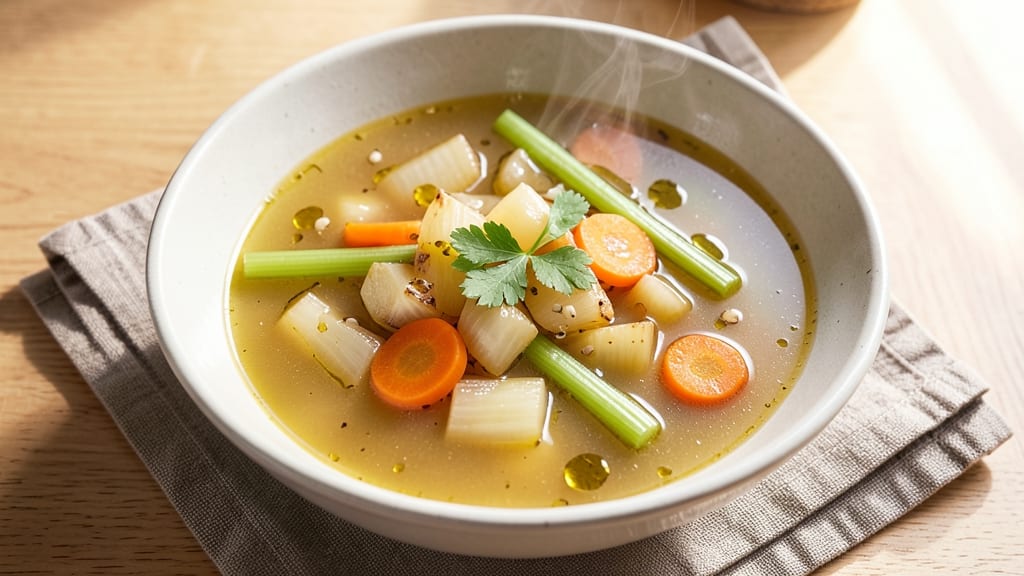
This Campbell’s chicken broth soup recipe delivers rich, comforting flavors in minutes—just like a slow-simmered pot, without the effort. This Campbell’s Chicken Broth Soup recipe transforms store-bought broth into a rich, savory base that forms the heart of every comforting bite.
I’ve perfected this method to enhance the natural depth of the broth while keeping it simple enough for a weeknight dinner. The key lies in letting flavors meld during a controlled simmer, ensuring every spoonful is balanced and flavorful. What makes this recipe stand out is its versatility.
You can customize it with fresh vegetables, tender noodles, or even shredded chicken for added protein—all while maintaining the broth’s natural saltiness. The result is a dish that’s both hearty and approachable, proving you don’t need complex techniques to create something truly satisfying.
It’s the kind of soup that feels like a warm hug on a chilly evening. The broth’s umami richness carries every ingredient, making even simple additions taste elevated. Whether you’re feeding a family or prepping a meal ahead, this soup delivers on both convenience and depth.
The simmering process ensures the flavors deepen without overpowering, leaving you with a dish that’s as comforting as it is easy. For those who love customization, consider adding carrots, celery, or mushrooms for extra texture, or stir in cooked pasta for a quick meal.
The possibilities are endless, but the foundation—Campbell’s Chicken Broth—remains the star of the show. Let’s get started.
Ingredients for campbell's chicken broth soup
Pantry staples plus a few fresh veggies. Zero added salt, all the flavor.
| Ingredient | Amount | Notes |
|---|---|---|
| Campbell's Chicken Broth 🍲 | 6 cups | Low-sodium preferred for balance |
| Yellow Onion 🧅 | 1 whole | Diced, medium size |
| Carrots 🥕 | 2 medium | Peeled, sliced into rounds |
| Celery Stalks 🧆 | 2 whole | Diced, stringy parts removed |
| Garlic Cloves 🧄 | 3 cloves | Minced, fresh preferred |
| Extra-Virgin Olive Oil 🫒 | 1 tbsp | For sautéing vegetables |
| Dried Thyme 🌿 | 1 tsp | Or 1 tbsp fresh thyme |
| Dried Parsley 🌿 | 1 tbsp | For garnish, chopped |
| Bay Leaves 🍃 | 2 whole | Remove before serving |
| Unsalted Butter 🧈 | 1 tbsp | For finishing, optional |
| Salt 🧂 | ¼ tsp | Adjust to taste, sparingly |
| Black Pepper 🌶️ | ½ tsp | Freshly ground preferred |
| Cooked Egg Noodles 🍝 | 1 cup | Or any pasta shape |
| Chicken Breast 🍗 | 1 lb | Shredded, cooked separately |
The broth is the backbone here, so grab the low-sodium version—it’s already seasoned perfectly. For the veggies, Trader Joe’s or any grocery store’s produce section works great. Look for carrots and celery with vibrant color—they’ll add the best natural sweetness. I always double-check the thyme and parsley aren’t wilted; fresh herbs make a world of difference. The garlic? Freshly minced is ideal, but garlic powder in a pinch works too. Just toast it in the oil first for deeper flavor.
No fresh thyme? Dried at one-third the amount gets you close. Short on carrots? Sweet potatoes or parsnips work just as well. Want extra richness? Stir in a tablespoon of cream or a pat of butter at the end. The pasta can be any shape—egg noodles, orzo, even rice. And if you’re feeling fancy, swap the shredded chicken for rotisserie chicken from the deli section—it’s already cooked and saves time. Just make sure to remove the skin.
This soup tastes even better the next day—honestly, the flavors deepen as it sits. Keeps for 5 days in the fridge, and freezes beautifully for 3 months. I always make a double batch and portion it into containers. The broth base alone stays good for 1 week in the fridge if you want to prep ahead. Just reheat gently and add fresh herbs at the end to brighten it up.
Why You'll Love This Recipe
- No-Pan-Meltdown Stress: I’ve got three kids, and this soup is my lifeline. Just a quick sauté of onion, carrots, and celery in olive oil—no fancy knife skills needed—and you’ve got the base done in under 10 minutes. The garlic hits just before the broth comes in, so you’re not standing there like a mad scientist stirring for hours. Honestly, the hardest part is deciding whether to add fresh thyme or dried.
- Herb Bomb Satisfaction: That thyme and bay leaf combo? Chef’s kiss. The dried thyme simmers into the Campbell’s broth like a warm hug, while the bay leaves add that je ne sais quoi without overpowering. And don’t even get me started on the fresh parsley on top—it’s the little green pop that makes you take another spoonful. The garlic, of course, is the star, but the butter finish? That’s the cherry on top.
- Budget-Friendly Soul Food: For less than $10, you’ve got a meal that feeds a family of four—maybe five if someone’s extra hungry. The Campbell’s broth is the secret weapon here; it’s cheap, reliable, and packs more flavor than you’d think. And if you’re prepping the broth base ahead? That’s a whole other level of saving time and money. It’s the kind of dish that doesn’t make you choose between eating well and eating cheap.
Step-by-step instructions for simple chicken noodle soup
Here's how to transform basic ingredients into a comforting, flavorful soup that's light yet satisfying.
Sauté the Vegetable Base
Heat the 1 tablespoon extra-virgin olive oil in a large pot over medium heat. Add the 1 whole yellow onion, 2 medium carrots, and 2 whole celery stalks, stirring occasionally for 5 minutes until the vegetables begin to soften and the onion turns translucent.
Add the 3 cloves minced garlic and cook for another 30 seconds until fragrant. This step builds the flavor foundation—don't rush it. The vegetables should release their natural sweetness and aroma before moving forward.
Season and Simmer the Broth
Pour in the 6 cups Campbell's chicken broth, then add the 1 teaspoon dried thyme, 2 whole bay leaves, 0.25 teaspoon salt, and 0.5 teaspoon black pepper. Bring to a gentle boil, then reduce heat to medium-low and let it simmer uncovered for 15 minutes. This allows the flavors to meld together beautifully.
While simmering, you'll notice the broth develop a rich, aromatic quality. The bay leaves will infuse subtle earthy notes, while the thyme adds warmth. If you're using low-sodium broth, this is where you can adjust seasoning—though I find the dried herbs provide enough depth when balanced properly.
Cook and Shred the Chicken
In a separate pan, cook the 1 lb chicken breast in a little water or broth over medium heat for 12-15 minutes until the internal temperature reaches 165°F. Let it rest for 5 minutes, then shred it using two forks. The chicken should pull apart easily into tender strands.
Add the shredded chicken to the simmering broth along with the 1 cup cooked egg noodles. Stir gently and let everything cook together for 3-4 minutes until the noodles are heated through and the chicken absorbs the flavorful broth. The soup should be thick enough to coat a spoon but still have a light, comforting consistency.
Finish with Herbs and Butter
Remove the 2 whole bay leaves from the soup. Stir in the 1 tablespoon unsalted butter and let it melt completely, adding a touch of richness. Sprinkle the 1 tablespoon dried parsley over the top just before serving—this adds a fresh, bright finish that contrasts beautifully with the savory broth.
Taste and adjust seasoning if needed, though the herbs and broth should already be well-balanced. Ladle into bowls and serve immediately while warm. The combination of tender chicken, hearty vegetables, and delicate noodles creates a truly comforting meal that's perfect for any day.
Pro Tips For Making Campbell'S Chicken Broth Soup
- Sauté Until Translucent: That 5-minute soften-the-onion rule isn’t arbitrary—push it a little longer if your onion still looks raw. I used to rush this, and the soup always tasted flat until I learned to wait until the onion’s edges turn glassy. The sweetness develops right there, and it’s the base of all that flavor.
- Shred Chicken Hot: I know, you’re eager to eat, but resist the urge to shred that chicken breast the second it hits 165°F. Let it rest for those 5 minutes under foil—it’ll stay juicy and shred like butter. Skimp here, and you’ll end up with dry, stringy chicken that fights the broth.
- Simmer Uncovered Always: The recipe says it, but I’ll say it louder: do not cover the pot during those 15 minutes of simmering. Covering traps steam, which dulls the thyme and bay leaves’ flavors. Let that broth breathe—it’s how the aromas deepen and the broth gets that restaurant-quality depth.
- Prep Veggies Uniformly: Dice that onion, slice those carrots, and chop the celery into even pieces. No, it’s not a race—consistent sizes mean everything softens at the same time. I learned this the hard way when my carrots stayed crunchy while the celery turned to mush. Save yourself the work of stirring a lopsided pot.
Storing and reheating this dish
Fridge Storage Tips
Once cooled for 2 hours after cooking, transfer your soup to airtight glass containers—I swear by Pyrex storage jars—to keep flavors fresh. The low-sodium broth base will last 5 days in the fridge, but the full soup with noodles and chicken is best enjoyed within 3-4 days.
I always label containers with the date to track freshness. 💡
Freezer Prep Method
For long-term storage, let the soup cool completely before portioning into quart-sized freezer bags. Squeeze out excess air to prevent freezer burn, and flatten the bags for easy stacking.
This soup freezes beautifully for 3 months—just reheat gently on the stovetop with a splash of water or broth. The texture stays perfect if you avoid overcooking after thawing.
Reheating Like a Pro
On the stovetop, heat soup over medium-low heat and stir occasionally to prevent sticking. Add ¼ cup water or broth if it looks too thick. For microwave reheating, cover with a damp paper towel and heat on 70% power for 2-3 minutes, stirring halfway.
Always check the internal temperature reaches 165°F before serving. 🔥
Broth Base Hack
If you want to prep ahead, simmer just the broth with aromatics—onion, garlic, thyme, and bay leaves—for 15 minutes, then refrigerate. When ready to serve, add cooked noodles and chicken, then finish with fresh herbs.
This keeps the broth vibrant and flavorful for up to 1 week in the fridge.
Freezing Add-Ins
Freeze noodles and chicken separately to avoid sogginess. Cook the noodles fresh when reheating the soup, or freeze them pre-cooked in ice water. I also freeze shredded chicken in 1-cup portions so I can add just what I need.
Just remember, frozen chicken will release moisture when thawed—drain it before adding back to the soup. ❄️
Nutrition facts
Frequently asked questions
Why use low-sodium Campbell's chicken broth in this recipe?
The low-sodium version lets the natural flavors of the herbs and vegetables shine without overpowering. Since we're adding only 0.25 teaspoon salt and relying on dried thyme, bay leaves, and black pepper for seasoning, it keeps the dish balanced and prevents a salty taste. The broth itself already carries enough depth for a rich, comforting soup.
Can I substitute fresh herbs for the dried thyme and parsley?
Use 1 tablespoon fresh thyme instead of 1 teaspoon dried and 2 tablespoons fresh parsley for garnish. Fresh herbs add brighter, more vibrant flavor—just make sure to chop them finely. The key is adjusting quantities since dried herbs are more concentrated.
How do I prevent the noodles from becoming mushy in the soup?
Cook the noodles separately just until al dente (1-2 minutes less than package instructions), then drain and rinse briefly with cold water. Add them to the simmering soup 3-4 minutes before serving to heat through without overcooking. This keeps them tender but not soggy.
What’s the best way to reheat this soup without drying it out?
Gently warm the soup over medium-low heat on the stovetop, stirring occasionally. If it thickens too much, add ¼ cup water or broth. For the microwave, heat on 70% power for 2-3 minutes, stirring halfway, and cover loosely with a damp paper towel. Always check the internal temperature reaches 165°F before serving.
Can I make this soup ahead of time?
Yes! The broth base alone keeps for 1 week in the fridge, and the full soup lasts 3-4 days. For freezing, cool completely, portion into airtight containers, and freeze for up to 3 months. Thaw overnight in the fridge and reheat gently. Just add fresh herbs at the end to brighten the flavors.