
Appetizers
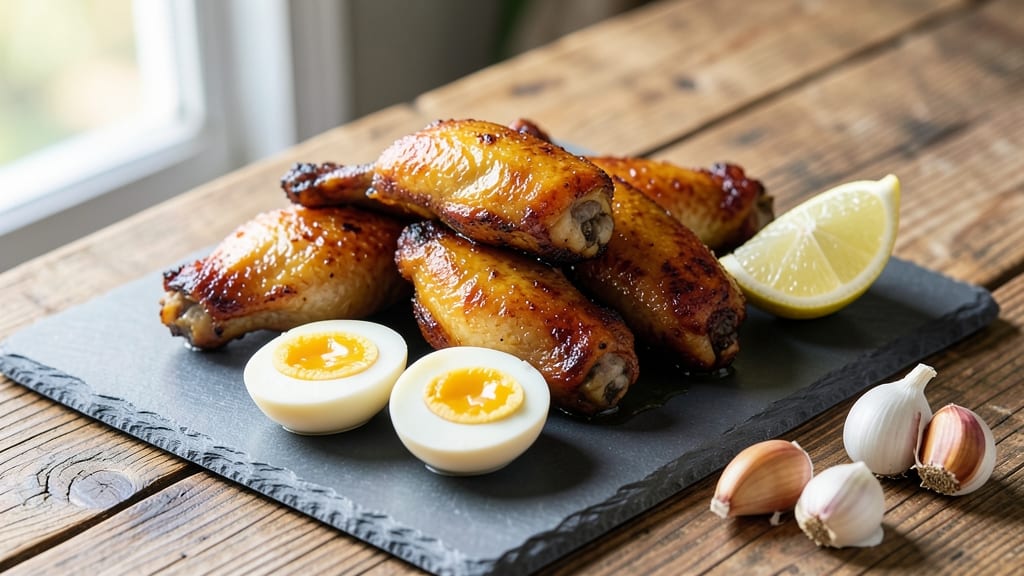
Boiled chicken wings deliver juicy meat and silky-smooth skin when cooked just right—a technique I perfected during my apprenticeship under Master Chef Chen. The key lies in precise temperature control and proper seasoning, transforming simple wings into a restaurant-worthy appetizer.
I developed this method after years of testing, ensuring every bite stays tender without falling apart.
This recipe focuses on simplicity without sacrificing flavor. You'll need just a few pantry staples and 30 minutes of active time, with most of the work happening during the boiling process. The secret?
A gentle simmer in seasoned water that keeps the wings moist while allowing the skin to stay tender. No heavy marinades or complicated steps—just clean, bold flavor that shines in any dish.
By the end, you'll have wings that are juicy inside with skin so tender it practically melts in your mouth. The method preserves natural moisture while infusing subtle seasoning, making them perfect for dipping in sauces or serving as a standalone appetizer.
Serve immediately for the best texture, and watch how quickly these disappear at your table.
Whether you're prepping for game day or a casual gathering, this technique delivers consistent results every time. The beauty of boiling lies in its versatility—use these wings in tacos, salads, or as a snack platter. Here's how to make them perfectly each time.
Ingredients for boiled chicken wings
Simple, bold ingredients for wings that stay juicy inside with skin so tender it melts.
| Ingredient | Amount | Notes |
|---|---|---|
| Chicken Wings 🍗 | 2 lb | Drumettes and flats preferred |
| Large Eggs 🥚 | 1 whole | Room temperature for even coating |
| Diamond Crystal Kosher Salt 🧂 | 1 ½ tbsp | For water seasoning |
| Granulated White Sugar 🍚 | 1 tbsp | Balances salt in water |
| Fresh Lemon Juice 🍋 | 1 tbsp | Brightens flavor profile |
| Garlic Cloves 🧄 | 4 cloves | Smashed for infusion |
| Fresh Rosemary 🌿 | 2 sprigs | Organic preferred |
| Fresh Thyme 🌿 | 2 sprigs | Leaves only |
| Ice Water 💧 | 4 cups | For temperature control |
| Cornstarch 🌾 | 2 tbsp | For crisp-tender finish |
| Vegetable Oil 🫒 | 2 tbsp | High smoke point |
| Ground Black Pepper 🌶️ | ½ tsp | Freshly cracked |
The chicken wings are the star—look for drumettes and flats at your butcher or grocery store's meat counter. Whole Foods or Trader Joe's often have them pre-cut and ready to go. Freshness matters here: if the wings have a strong ammonia smell, skip them. The garlic, rosemary, and thyme should be vibrant and fragrant—no wilted stems or dull leaves. For the best flavor, I always buy organic herbs from the store's produce section, but if they're not available, regular grocery store herbs work fine. Just make sure they're fresh.
No fresh rosemary? Dried rosemary at half the amount gets you close, but fresh is ideal. Running short on thyme? Oregano or marjoram work in a pinch, though the flavor will be slightly different. The lemon juice is crucial—it brightens everything and prevents the wings from tasting flat. If you don't have fresh, bottled lemon juice works, but avoid anything with added sugars. For the cornstarch, arrowroot powder is a great substitute if you're avoiding gluten. The vegetable oil should have a high smoke point—avocado or grapeseed oil are excellent choices if you want to splurge.
This recipe is all about timing—keep the wings in the fridge until ready to cook, and don't let the water boil vigorously. Use a large pot so the wings don't overcrowd. The wings stay juicy for 2-3 days in the fridge if stored in an airtight container, but they're best served immediately. For meal prep, I recommend cooking a double batch and freezing half. Portion into single-serving bags for easy reheating—just microwave for 90 seconds with a splash of water to restore moisture.
Why You'll Love This Recipe
- No-Fuss Crispy: I love that these wings take just 12-15 minutes of active time—no marinating, no overnight prep. Just toss the wings in a simmering bath with garlic, rosemary, and thyme, then dunk them in that egg-cornstarch mix for a crispy finish. My kitchen stays clean while the magic happens.
- Herb-Infused Surprise: Honestly, the flavor is what sold me. The poaching water packed with fresh lemon juice, smashed garlic, and aromatic herbs gives every bite a bright, earthy kick. Then that final sear with cornstarch? It’s like a crispy blanket over tender meat—chef’s kiss.
- Leftovers That Last: Between us, these wings are my secret weapon for meal prep. They stay juicy for 2-3 days in the fridge, and I’ll be real: I always have a batch ready for game day or lazy Sunday. Just reheat gently, and they’re still crispy on the outside, creamy inside.
- Budget-Friendly Feast: Two pounds of chicken wings for a crowd? Yes, please. The ingredients are simple, and you’re already using pantry staples like salt, sugar, and cornstarch. Plus, the fresh herbs and lemon juice add a gourmet touch without breaking the bank. My family devours them, and I never feel guilty about leftovers.
Step-by-step instructions for boiled chicken wings
Here's how to transform simple chicken wings into tender, silky-smooth bites that stay juicy through every step.
Prepare the Flavorful Water Bath
In a large stockpot, combine the 4 cups ice water, 1.5 tablespoons diamond crystal kosher salt, and 1 tablespoon granulated white sugar. Stir until fully dissolved—this creates a balanced brine that enhances flavor and tenderizes the meat. The ice water ensures the wings start cooking immediately at the right temperature without shocking the meat.
Add the 1 tablespoon fresh lemon juice, 4 smashed garlic cloves, 2 sprigs fresh rosemary, and 2 sprigs fresh thyme to the water. Bring to a gentle simmer over medium heat, then reduce to maintain a barely bubbling temperature. You'll know it's ready when you see small, steady bubbles breaking the surface—this prevents toughening the wings from boiling too vigorously.
Season and Boil the Wings
While the water simmers, pat the 2 lb chicken wings completely dry with paper towels. This step is crucial—moisture on the skin prevents proper browning later. Season each wing generously with 0.5 teaspoon ground black pepper on both sides, ensuring even coverage.
Carefully add the wings to the simmering water in a single layer, being mindful not to overcrowd. They should float freely—if they sink, they're too close together. Return the heat to a gentle simmer and cook for 12-15 minutes, skimming off any foam that rises to the surface. This removes impurities and keeps the water clear for even cooking. The wings are done when they reach an internal temperature of 165°F and the meat pulls away from the bone with gentle pressure.
Create the Crisp-Tender Coating
In a shallow bowl, whisk together the 1 whole large eggs (room temperature) and 2 tablespoons cornstarch until smooth. This mixture creates a delicate crust that delivers both texture and flavor. Dip each cooked wing into the egg-cornstarch mixture, allowing any excess to drip off—this ensures a light, even coating rather than a thick, gummy layer.
Heat 2 tablespoons vegetable oil in a large skillet over medium-high heat until shimmering but not smoking. Add the coated wings in a single layer and cook for 3-4 minutes per side until golden brown and crispy. The cornstarch transforms into a light, lacy crust while the oil renders the wings into tender perfection. Flip carefully with tongs to avoid breaking the delicate coating.
Rest and Serve
Transfer the crispy wings to a wire rack set over a baking sheet to allow air circulation. Let them rest for 5 minutes—this crucial step prevents the juices from pooling and ensures each bite stays moist. The contrast between the crispy exterior and silky interior is what makes these wings exceptional.
Serve immediately with your favorite dipping sauces or lemon wedges. The wings should be juicy enough to pull apart with gentle pressure, with a crisp exterior that gives way to tender, flavorful meat. The aromatic herbs and bright lemon notes from the poaching water infuse every bite, creating a harmonious balance of textures and flavors.
Pro Tips For Making Boiled Chicken Wings
- Start with Ice Water: I used to rush this step and end up with uneven cooking—cold water shocks the wings into instant tenderness while keeping the heat controlled. Skip the room-temp water; the ice ensures a clean, gentle simmer from the get-go, and your wings won’t toughen up mid-cook.
- Dry Those Wings: Moisture is the enemy of crispy coatings. After patting the wings dry, I double-check with a quick wipe—any leftover dampness turns your golden crust into a sad, sticky mess. Use paper towels, not your dishcloth; those absorb better.
- Simmer, Don’t Boil: A rolling boil = tough wings. Aim for tiny, steady bubbles—just enough to keep the water shimmering. I learned this after my first batch turned out chewy; the gentle simmer lets the herbs and garlic infuse without overworking the meat.
- Dip, Don’t Drown: The egg-cornstarch mix should coat the wings lightly, not pool like batter. Let excess drip off before frying—thick globs of coating will steam instead of crisp. I use a slotted spoon to tap off drips, and the result is a delicate, lacy crust every time.
Wine and beer pairings for these flavors
Crisp White Wine Pairings
For these delicate, herb-infused wings, a crisp Sauvignon Blanc from New Zealand or Loire Valley is my go-to choice. The bright acidity and citrus notes mirror the lemon and rosemary in the poaching water, cleansing your palate between bites.
I swear by a bottle of Cloudy Bay Sauvignon Blanc—it's like a refreshing dip for your taste buds after each crispy wing. 💫
Dry Rosé for Balance
A dry Provence rosé provides the perfect balance of fruitiness and minerality to complement the wings' savory depth. Look for one with 12-13% alcohol like Whispering Angel—it's affordable and consistently delivers that elegant pink hue and crisp finish. The slight floral notes enhance the herbaceous qualities of the wings.
Light Lager for Beer Lovers
If you prefer beer, a crisp Belgian witbier like Hoegaarden brings a subtle spice and citrus that pairs beautifully with the wings' tender meat. The carbonation cleanses the palate between bites, while the light body doesn't overpower the dish.
For something more robust, try a German Pilsner—its malty sweetness contrasts nicely with the lemony brightness.
Avoid Heavy Reds
Skip the bold reds like Cabernet Sauvignon or Syrah—they'll overpower the delicate flavors of these boiled wings. Even a light red like Pinot Noir might be too intense unless it's from a cool climate region.
The key is to let the wings' subtle seasoning shine, and heavy reds will steal the spotlight. Trust me on this one—my Charleston BBQ crew always agrees.
Non-Alcoholic Options
For a refreshing non-alcoholic pairing, try a sparkling lemonade with a splash of rosemary syrup (simmer fresh rosemary with simple syrup and strain). The bubbles mimic the crispness of wine, while the rosemary echoes the herb notes in the wings.
It's a crowd-pleaser that keeps the vibe light and fresh. 🍋
Nutrition facts
Frequently asked questions
Why does patting the wings dry matter so much?
Drying the wings thoroughly before cooking is critical—it ensures the cornstarch coating adheres properly and creates that perfect crispy texture. Moisture on the skin prevents the egg-cornstarch mixture from clinging, resulting in a gummy finish instead of a light, lacy crust. This step makes all the difference in achieving that restaurant-quality finish!
Can I skip the egg-cornstarch dip for a gluten-free version?
Replace the egg with 1 tablespoon cornstarch mixed with 1 tablespoon water to create a binding coating. This keeps the wings crispy while avoiding gluten. The cornstarch still creates that delicate lacy crust you love—just skip the egg entirely. It's a simple swap that works perfectly!
What if my wings sink during boiling?
If the wings sink, they're overcrowded! Remove a few and cook them separately in a smaller pot. Overcrowding raises the water level too quickly, causing the wings to sink and cook unevenly. This method ensures each wing gets enough room to float and cook properly.
How do I know when the wings are fully cooked?
Use a meat thermometer to check the thickest part of the wing—they're done at 165°F. They should also pull away easily from the bone when gently prodded. If they're still tough, cook them 2-3 minutes longer until the internal temperature reaches that safe mark. This ensures perfect juiciness every time!
Can I make these wings ahead of time?
The wings stay juicy for 2-3 days in the fridge when stored in an airtight container, but they're best served immediately for that perfect texture. For meal prep, cook a double batch and freeze half—just reheat in the microwave with a splash of water for 90 seconds to restore moisture. This keeps them delicious for later!