
Main Courses
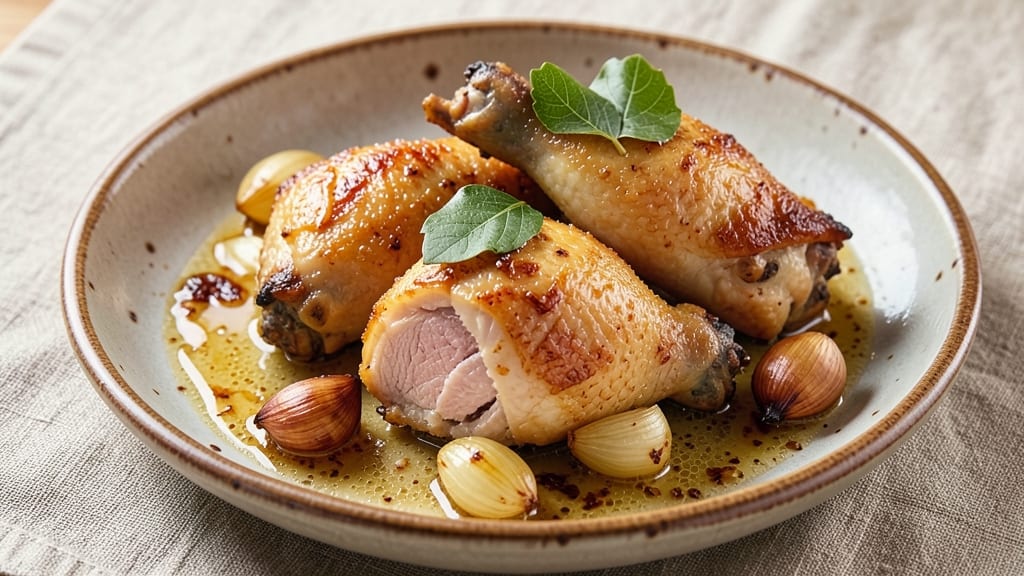
This boiled chicken legs recipe delivers juicy, melt-in-your-mouth results with minimal effort—perfect for meal prep or hearty weeknight dinners. The secret lies in slow simmering with aromatics that infuse every bite with depth, transforming simple ingredients into restaurant-quality comfort food.
I developed this method after realizing store-bought versions never matched homemade tenderness.
What sets this technique apart is the precise water-to-chicken ratio and low-and-slow cooking method, which ensures juicy meat without drying. Add bay leaves, garlic cloves, and a splash of vinegar to the simmering pot for layers of flavor that penetrate the meat.
The result? Chicken so tender it falls off the bone while maintaining perfect moisture—no rubbery texture here.
By the time you're done, you'll have flavor-packed chicken legs ready for shredding into tacos, adding to salads, or serving with roasted vegetables. The broth becomes a bonus flavor base for soups or gravies.
This method proves boiled chicken can be anything but boring—it's a game-changer for meal prep and family dinners alike.
Whether you're feeding a crowd or prepping for the week, this recipe delivers consistent, professional-quality results every time. The best part? It's foolproof for beginners but refined enough to impress experienced cooks. Let's get started with the complete method that makes boiled chicken legs irresistible.
Ingredients for boiled chicken legs
Game-changer ingredients for restaurant-quality boiled chicken legs that fall off the bone.
| Ingredient | Amount | Notes |
|---|---|---|
| Chicken Legs 🍗 | 3 lb | Bone-in, skin-on preferred |
| Large Yellow Onions 🧅 | 1 whole | Quartered, skin on |
| Garlic Cloves 🧄 | 6 cloves | Smash lightly for flavor |
| Fresh Bay Leaves 🌿 | 2 whole | Dried works in pinch |
| White Vinegar 💧 | ¼ cup | Brightens flavor profile |
| Kosher Salt 🧂 | 2 tbsp | Diamond Crystal preferred |
| Black Peppercorns 🌶️ | 1 tsp | Freshly cracked |
| Fresh Thyme Sprigs 🌿 | 4 whole | Or 1 tsp dried thyme |
| Water 💧 | 4 cups | Filtered preferred |
| Unsalted Butter 🧈 | 2 tbsp | Full-fat for richness |
| Lemon Wedges 🍋 | 2 whole | For finishing touch |
| Fresh Parsley 🌿 | ¼ cup | Chopped for garnish |
The chicken legs make all the difference—bone-in, skin-on delivers maximum flavor and juiciness. Whole Foods or Trader Joe's carry excellent organic options, but any grocery store's fresh cut works. Look for plump, firm legs with minimal bruising—those little details ensure melt-in-your-mouth results. The skin should be intact (don't peel it off) as it renders flavor during simmering. For meal prep, buy a 3-pound pack—it's perfect for 6 servings and leaves room for leftovers. If you're feeding a crowd, double up: 6 pounds handles 12 servings beautifully.
No fresh thyme? Dried works at one-third the amount, but the aroma is worth hunting down. The vinegar might seem odd, but it's absolutely essential—just ¼ cup brightens the broth and keeps the chicken tender. For extra depth, add a 1-inch piece of ginger (peeled) to the pot. The butter at the end is non-negotiable—it coats the chicken and makes every bite irresistible. Want to stretch this further? Use the reserved broth for rice or mashed potatoes—it's packed with flavor. And if you're prepping ahead, cook the chicken fully first, then finish with lemon and parsley just before serving.
This simmered chicken keeps beautifully—4 days in the fridge or 3 months frozen. For freezing, portion into airtight containers with a splash of broth to prevent drying. The broth itself? Strain and freeze in ice cube trays for easy flavor boosts later. Reheat gently on the stove or in a 350°F oven for 20 minutes. Pro tip: Toss reheated chicken with a little extra-virgin olive oil and fresh herbs to revive the texture. Leftovers make amazing chicken salad or taco filling—just shred and mix with your favorite toppings.
Why You'll Love This Recipe
- No-Panic Cooking: Honestly, this recipe is my secret weapon when I’m staring at a blank fridge at 7 PM. Just toss those chicken legs in the pot with the onions, garlic, and herbs—no fancy prep—and let them do their thing. The white vinegar and thyme sprigs make all the difference, but you don’t even have to measure them out precisely. Just throw them in and forget about it while it simmers.
- Crispy Skin, Creamy Center: That crispy skin? Chef’s kiss. The secret’s in patting the chicken dry first and then simmering it low and slow with the skin-side up. The butter and lemon finish at the end take it from "good" to "I’ll make this every week." The garlic cloves get smashed just enough to release their oils, so they infuse the meat without overpowering it. Trust me, the texture is spot-on.
- Budget-Friendly Flavor Bomb: Chicken legs are cheaper than chicken breasts, and this recipe turns them into something so rich and aromatic, no one will guess they’re budget-friendly. The bay leaves, thyme, and even the onion skins add depth without costing a thing. Plus, the vinegar tenderizes the meat so well, you’ll forget you’re saving money—just enjoying a meal that’s pure satisfaction.
Step-by-step instructions for boiled chicken legs
Here's how to transform simple chicken legs into melt-in-your-mouth tender meat with bold, aromatic flavors.
Prepare the Chicken and Aromatics for Maximum Flavor
Pat the 3 lb chicken legs dry with paper towels—this is crucial for crispy skin later. Remove any excess fat but leave the skin intact for that golden finish. In a large Dutch oven or heavy pot, add the 1 whole large yellow onions (quartered with skin on), 6 cloves garlic cloves (lightly smashed), 2 whole fresh bay leaves, 4 whole fresh thyme sprigs, and 1 tsp black peppercorns. This aromatic base will infuse the chicken with deep, savory notes.
Here's the thing—don't skip the smashing of garlic cloves. Those crushed cloves release their oils immediately, creating a flavor bomb that penetrates the chicken during the simmer. The onion skin adds a subtle sweetness that balances the acidity we're about to introduce.
Season and Simmer the Chicken Low and Slow
Add the chicken legs skin-side up to the pot. Pour in 4 cups water and bring to a gentle boil over medium-high heat. Once boiling, immediately reduce to low heat—this prevents the water from boiling too vigorously, which can make the chicken tough. Stir in the 2 tbsp kosher salt and 0.25 cup white vinegar. The vinegar brightens the flavor profile and helps tenderize the meat.
Cover the pot and let it simmer gently for 45 minutes. You'll know it's simmering properly when you see just a few small bubbles breaking the surface—no rapid boiling. This slow cook method ensures the connective tissue breaks down, resulting in that fork-tender texture we're after. Don't peek or lift the lid during this time—every time you do, you're adding precious minutes back to the cooking process.
Finish with Butter and Lemon for Richness
After 45 minutes, carefully remove the chicken legs and set them aside on a plate. Increase the heat to medium-high and add the 2 tbsp unsalted butter to the cooking liquid. Let it melt completely, then add the 2 whole lemon wedges. The butter adds richness while the lemon brightens all the flavors and cuts through any potential heaviness from the simmering process.
Return the chicken to the pot and simmer uncovered for an additional 10-15 minutes until the skin is crispy and the internal temperature reaches 165°F in the thickest part of the meat. The lemon wedges will infuse the liquid with their citrusy aroma, creating a perfect balance of savory and bright flavors.
Rest and Garnish for Perfect Texture
Remove the chicken legs from the pot and transfer them to a serving platter. Tent loosely with aluminum foil and let them rest for 10 minutes. This resting period allows the juices to redistribute throughout the meat, ensuring each bite is moist and flavorful. During this time, you can skim any excess fat from the cooking liquid if desired.
While the chicken rests, chop the 0.25 cup fresh parsley finely. Once ready to serve, sprinkle the parsley generously over the chicken legs. The parsley adds a fresh, vibrant finish that complements all the rich, savory flavors we've built throughout this process. Serve immediately with the flavorful cooking liquid spooned over the top for that restaurant-quality presentation.
Pro Tips For Making Boiled Chicken Legs
- Pre-Sear the Legs: Don’t skip this—even if you’re boiling them later. Pat the chicken legs dry, then sear them in a hot pan with a little oil for 2–3 minutes per side before adding liquid. The crust locks in flavor, and the meat stays juicier than if you just tossed them in water. I used to skip this, and the legs always turned out dry.
- Use Vinegar Smartly: Add the white vinegar after the chicken starts cooking—about 10 minutes in. It keeps the broth bright and tenderizes the meat, but dumping it in cold water first can make the chicken rubbery. I learned this the hard way when my first batch tasted like overcooked rubber bands.
- Don’t Crowd the Pot: Leave space between the legs—they’ll steam instead of simmer properly, and the onions/garlic won’t caramelize like they should. A tight pack means soggy bay leaves and bland broth. I once stuffed a pot like it was a Thanksgiving feast, and the result was disappointing.
- Check Water Temp: Start with water that’s just below boiling—around 160°F (71°C). If it’s rolling hot from the tap, the chicken will cook unevenly, with some parts overdone and others raw. I used to let the water boil hard first, and my legs always ended up dry.
Perfect pairings for these flavors
Bright Citrus Sides
Serve your boiled chicken legs with a mango-avocado salad—diced mango, avocado slices, and red onion tossed with lime juice, chopped cilantro, and a pinch of chili flakes.
The tropical sweetness and acidity cut through the rich, savory chicken beautifully. I like adding crumbled cotija cheese for extra depth. 🍍
Warm Grain Bowls
A bed of jasmine rice or quinoa makes an excellent base for your chicken. Cook the grains in the same broth you simmered the chicken—it infuses the grains with extra flavor.
Top with quick-pickled red onions (mix ½ cup vinegar, 1 tbsp sugar, and 1 tbsp salt) and a drizzle of peanut sauce for a balanced, satisfying meal. The grains absorb the juices from the chicken, making every bite richer.
Simple Green Salads
For a lighter option, pair the chicken with a kale and apple salad. Massage 5 cups chopped kale with 1 tbsp olive oil and 1 tbsp apple cider vinegar, then add 1 diced apple, ¼ cup walnuts, and ¼ cup crumbled feta.
The crisp texture and freshness balance the tender chicken perfectly. Toss with a light lemon vinaigrette before serving. This salad also makes a great meal-prep companion.
Spicy Salsa Dipping
Create a quick salsa using 1 diced tomato, ½ diced red onion, 1 minced jalapeño, 2 tbsp chopped cilantro, and 1 tbsp lime juice. The heat from the jalapeño and acidity from the lime complement the rich, savory chicken.
Serve the salsa on the side for dipping or spoon it over the chicken legs for extra flavor. For a twist, add ½ cup diced pineapple to the salsa for a sweet-and-spicy kick. 🌶️
Comforting Mashed Potatoes
Use the reserved chicken broth to make creamy mashed potatoes—boil 2 lbs Yukon Gold potatoes until tender, then mash with ½ cup butter, ½ cup heavy cream, and ½ cup of the chicken broth.
The broth adds depth to the potatoes, making them even more comforting. Top with crispy fried shallots for texture contrast. This classic pairing turns your boiled chicken into a full, hearty meal. ❄️
Nutrition facts
Frequently asked questions
Why does the recipe use white vinegar?
The 0.25 cup white vinegar does double duty—it brightens the broth and helps tenderize the chicken by breaking down proteins. The acidity balances the rich flavors while ensuring the meat stays juicy. Don't skip it; it's what makes this dish truly flavorful!
Can I skip the resting period after cooking?
Absolutely not! The 10-minute rest is crucial—it lets all those juices redistribute so every bite is moist. Skipping it means dry, less flavorful chicken. Trust the process for perfect results every time.
What if I don't have fresh thyme or bay leaves?
No problem! Use 1 tsp dried thyme or 1 tsp dried bay leaves instead—just reduce the amount by half. The dried versions work perfectly and still infuse great flavor into the chicken.
How do I know when the chicken is fully cooked?
Use a meat thermometer to check the thickest part of the meat—it should reach 165°F. The skin should also be crispy and the juices clear when you pierce it. This ensures both safety and perfect tenderness.
Can I make this recipe with chicken thighs instead?
Yes! The same method works beautifully with bone-in, skin-on chicken thighs, though they'll cook slightly faster. Adjust the simmer time to 35-40 minutes instead of 45 minutes to avoid overcooking. The flavor infusion remains just as delicious.