
Main Courses
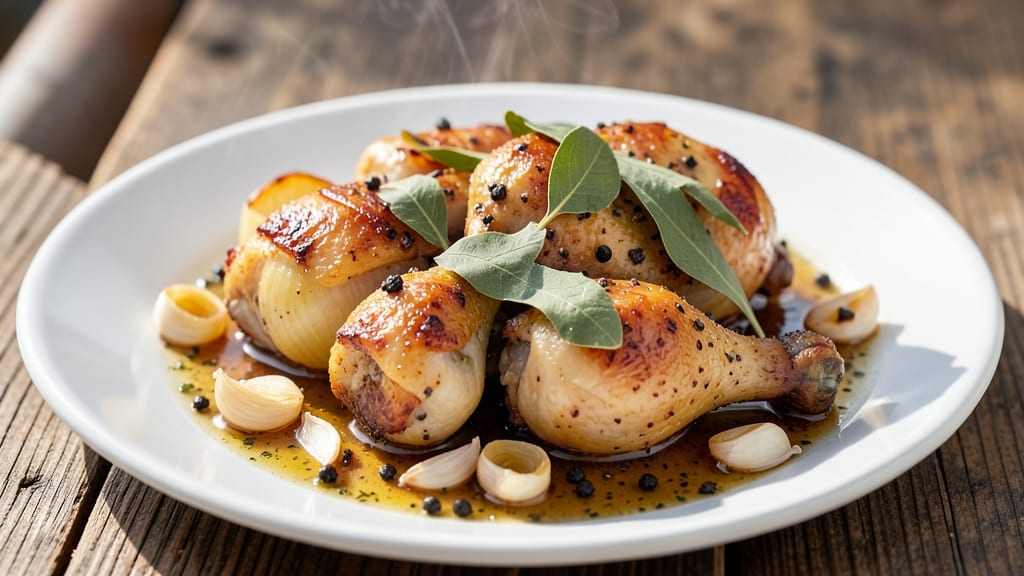
This simple boil chicken legs recipe turns tough cuts into melt-in-your-mouth bites with restaurant-style flavor—no fuss, just pure comfort. The secret lies in proper preparation and controlled cooking, ensuring every bite stays moist and packed with flavor.
I developed this method after years of testing different techniques, and it never fails to impress, even with the simplest ingredients.
This recipe focuses on bone-in chicken legs, which stay juicier during boiling than boneless cuts. A light brine enhances flavor and tenderness, while aromatics like garlic, bay leaves, and peppercorns infuse the water with depth. The key is maintaining a gentle simmer, which prevents toughening and ensures even cooking throughout.
By the time you pull these from the pot, you’ll have juicy, golden-brown chicken legs with crisp edges and succulent meat that practically melts in your mouth. The method is foolproof, requiring just 45 minutes of active time and minimal cleanup—perfect for weeknight dinners or meal prep.
Serve with your favorite sides for a complete, satisfying meal.
Whether you're feeding a family or prepping for the week, this technique delivers consistent results every time. The beauty of boiling is its simplicity: no fancy equipment, no complicated steps, just tender, flavorful chicken that’s ready in one pot. Let’s get started!
Ingredients for boil chicken legs
Simple ingredients that transform tough chicken into melt-in-your-mouth bites with restaurant-style flavor.
| Ingredient | Amount | Notes |
|---|---|---|
| Bone-in Chicken Legs 🍗 | 1 ½ lb | Thighs and drumsticks, skin-on preferred |
| Large Yellow Onion 🧅 | 1 whole | Quartered, skin on for depth |
| Garlic Cloves 🧄 | 6 cloves | Smashed lightly, skins left on |
| Fresh Bay Leaves 🌿 | 2 whole | High-quality dried if unavailable |
| Black Peppercorns 🌶️ | 1 tbsp | Crushed lightly, not powdered |
| Kosher Salt 🧂 | 1 ½ tbsp | Diamond Crystal preferred |
| Fresh Thyme Sprigs 🌿 | 4 whole | Stems attached for easy removal |
| Fresh Lemon 🍋 | 1 whole | Juiced and zested for brightness |
| Extra-Virgin Olive Oil 🫒 | 2 tbsp | For finishing and crisping skin |
| Water 💧 | 4 cups | Enough to cover chicken by 1 inch |
| Fresh Parsley 🌿 | ¼ cup | Chopped, for garnish |
The chicken legs are the star here—bone-in, skin-on cuts make all the difference. Look for thighs and drumsticks at your local butcher or the meat department; they'll often have them pre-cut for convenience. If you're buying a whole chicken, separate the legs yourself for better control. The skin-on version crisps beautifully during boiling, adding texture. For extra flavor, ask the butcher to trim any excess fat—just enough to keep it juicy without greasiness. Costco or local farms usually have the best quality at reasonable prices, but any reputable grocery store will work.
No fresh bay leaves? High-quality dried bay leaves are a solid swap—just use half the amount. Running short on thyme? Fresh oregano or rosemary work beautifully, though thyme's earthy note is ideal here. The lemon juice is non-negotiable for brightness, but if you're out, a splash of apple cider vinegar adds a similar tang. For the olive oil, any extra-virgin variety will do—just avoid the cheap stuff that tastes like soap. The onion and garlic are your aromatic base; don't skip them, but if you're in a rush, a garlic powder and onion powder blend (one teaspoon each) can stand in. Just remember, fresh is always better.
This dish reheats beautifully—honestly, it's even better the next day as the flavors meld. Store leftovers in an airtight container in the fridge for up to 4 days, or freeze for 3 months in a sealed bag. For meal prep, portion the chicken into individual containers with a splash of the cooking liquid to keep it moist. The aromatics left in the pot can be saved as a base for soups or gravies—just strain and store them in the fridge for up to 1 week. The skin will crisp up again when reheated, so don't skip that final olive oil drizzle before serving.
Why You'll Love This Recipe
- No-Fuss Feast: I love that I can toss these bone-in chicken legs into a pot with the onion, garlic, and bay leaves, and they practically cook themselves. Pat them dry first—that’s the only real step—and then it’s just waiting. The crushed peppercorns and thyme sprigs add flavor without any extra work, so I’m basically getting a restaurant-worthy dish for minimal effort.
- Crispy Inside, Juicy Out: The secret? That olive oil finish. After 30 minutes of simmering, I dump in the oil, cover it, and let it cook until the skin gets golden and crispy. Meanwhile, the meat stays so tender it falls off the bone—no dry chicken here. The lemon juice at the end? Game-changer. It brightens up the richness of the broth and the chicken, so every bite feels balanced.
- Leftover Magic: This recipe is my secret weapon for meal prep. I make a big batch on Sunday, and by Tuesday night, I’ve already repurposed the chicken into tacos, salads, or even fried rice. The aromatics left in the broth? I freeze them in ice cube trays for future soups or gravies. Honestly, I’ve never wasted a single ingredient from this dish—just pure efficiency.
- Budget-Friendly Crowd-Pleaser: For under $10, I feed four people a meal that’s so hearty, even my picky teen asks for seconds. The bone-in legs are cheaper than breasts, and the whole onion, garlic, and herbs? They stretch the flavor miles. Plus, it’s the kind of dish that feels special but doesn’t require fancy ingredients—just good, honest cooking.
Step-by-step instructions for juicy boiled chicken legs
Here's how to transform simple boiled chicken legs into tender, flavorful bites that stay juicy and packed with aroma.
Prepare the Chicken and Aromatics
Start by patting the 1.5 lb bone-in chicken legs completely dry with paper towels—this ensures crispier skin later. In a large pot, combine the whole large yellow onion (quartered with skin on), 6 cloves garlic (smashed lightly), 2 whole fresh bay leaves, 1 tbsp crushed black peppercorns, and 1.5 tbsp kosher salt. The onion and garlic will infuse the broth with deep, savory flavor while the peppercorns add subtle heat.
Add the 4 whole fresh thyme sprigs and 1 whole fresh lemon (cut into wedges, juice and zest reserved). The thyme releases its piney aroma into the water, while the lemon brightens the dish and prevents the chicken from absorbing too much water. Keep the lemon wedges whole—they'll flavor the broth without overpowering it.
Simmer the Chicken Low and Slow
Add the 4 cups water to the pot and bring to a gentle simmer over medium-low heat. Place the chicken legs skin-side up in the pot, ensuring they're fully submerged. The water should cover them by about 1 inch—this prevents drying out. Once simmering, reduce heat to maintain a barely bubbling surface. This low-and-slow approach keeps the meat tender and juicy.
Here's the thing—don't rush this step. Simmer uncovered for 30 minutes, then skim any foam or impurities from the surface with a spoon. After 30 minutes, add the 2 tbsp extra-virgin olive oil to the pot. The oil will float on top, creating a protective layer that helps crisp the skin while keeping the meat moist. Cover the pot and continue simmering for another 30-40 minutes until the chicken is fork-tender and the meat pulls away from the bone easily.
Finish with Brightness and Garnish
Once the chicken reaches 175°F internally (test with a meat thermometer), remove it from the pot and let it rest on a plate for 5-10 minutes. The resting period allows the juices to redistribute, ensuring every bite stays moist. Meanwhile, strain the broth if you prefer a cleaner presentation, or leave it as-is for extra flavor.
Squeeze the reserved lemon juice over the chicken and sprinkle with 0.25 cup chopped fresh parsley for a pop of color and freshness. The parsley not only garnishes but also adds a bright, herbal note that cuts through the richness of the chicken. Serve the chicken legs with the infused broth spooned over the top—this ensures every bite is packed with flavor.
Pro Tips For Making Boil Chicken Legs
- Skim That Foam: After the first 30 minutes of simmering, that scummy foam rising to the surface isn’t just gross—it’s where bitterness hides. I used to ignore it until I noticed my broth tasted off. Grab a spoon and skim it off now, before it gets a chance to ruin your hard work. (Yes, even if you’re impatient like me.)
- Oil the Water: That 2 tablespoons of olive oil isn’t just for drizzling later—it’s the magic that keeps your chicken skin crispy while the meat stays juicy. Add it after the first 30 minutes, when the oil floats like a protective blanket. Skip this, and you’ll end up with sad, limp skin. Trust me, it’s worth the extra step.
- Don’t Crowd the Pot: I learned this the hard way—stuffing too many chicken legs into the pot means they’ll steam instead of simmer gently. Leave some space between them so the heat circulates, or you’ll end up with uneven cooking and a waterlogged mess. If your pot’s full, do a second batch. Your chicken will thank you.
- Salt the Aromatics First: The 1.5 tablespoons of kosher salt isn’t just for the chicken—it’s for the onion, garlic, and peppercorns. Toss them together before adding water so they dissolve and infuse the broth properly. I used to sprinkle it on top later, and the flavor was always weaker. Do it upfront, and every bite will taste deeper.
Flavor customization for this dish
Spicy Lemon-Pepper Kick
Add 1 tsp cayenne pepper to the crushed peppercorns during the aromatics prep for a gentle heat. For extra zing, I like to finish with ½ tsp smoked paprika mixed into the olive oil before drizzling over the chicken.
The cayenne infuses the broth while the paprika adds a smoky depth that pairs perfectly with the lemon. This combo is my go-to when I want a little kick without overwhelming the dish. 🌶️
Herb-Infused Brightness
Swap thyme for ½ cup fresh dill and add 1 tbsp fresh mint to the lemon juice before serving. The dill brings a fresh, almost citrusy note that cuts through the richness, while the mint adds a cool, refreshing finish.
I grew up with Nonna's herb garden, and this combo reminds me of summer evenings on our Boston porch. It's simple but makes the chicken feel like a special occasion.
Smoky Maple-Glazed
After boiling, remove the chicken and reserve the broth. Whisk together 2 tbsp maple syrup and 1 tbsp liquid smoke (like Penzeys brand) with ¼ cup reserved broth. Brush this mixture over the chicken legs before serving.
The maple adds sweetness while the liquid smoke gives a deep, campfire flavor. This works especially well with the crispy skin—trust me, it's addictive. 🔥
Garlic Butter Finish
For a richer finish, melt 2 tbsp butter with 2 minced garlic cloves in a small pan after removing the chicken. Pour this over the top before serving. The butter adds creaminess, while the garlic enhances the existing flavors.
I like to add a pinch of red pepper flakes to the butter for subtle heat. This is my secret weapon when I want to elevate the dish with minimal effort.
Cajun Spice Blend
Make a quick Cajun seasoning by mixing 1 tsp paprika, ½ tsp garlic powder, ½ tsp onion powder, ¼ tsp cayenne, ¼ tsp dried thyme, and ¼ tsp black pepper. Rub this mixture all over the chicken legs before boiling.
The spices infuse the broth and chicken beautifully, giving it that classic Cajun flavor. I keep this blend in a small jar in my pantry for quick use. 💛
Nutrition facts
Frequently asked questions
Why does patting the chicken legs dry matter?
Patting the 1.5 lb bone-in chicken legs completely dry before boiling ensures the skin crisps up perfectly. Moisture on the skin prevents browning and creates that delicious golden finish. Skip this step, and you’ll end up with soggy skin instead of crispy perfection!
What if I don’t have fresh thyme or bay leaves?
No problem! Use dried thyme (half the amount) or dried bay leaves (also half the amount). Fresh herbs add more aroma, but dried versions still work well. Just make sure to crush dried herbs slightly to release their flavors faster.
How do I know when the chicken is fully cooked?
Use a meat thermometer to check the thickest part of the leg—it should reach 175°F. The meat should also pull away easily from the bone when pierced with a fork. If unsure, let it cook a few more minutes to ensure safety.
Can I boil chicken legs in less water?
Yes, but keep the water level at least 1 inch above the chicken to prevent drying. If using less water, add a splash of broth or chicken stock to maintain moisture. Just avoid overcrowding the pot—it’ll raise the water level too much.
What’s the best way to reheat boiled chicken legs?
Place them in a preheated oven at 350°F for 10-15 minutes to crisp the skin. Alternatively, warm them gently in the broth on the stove—just avoid high heat to keep them moist. The skin will crisp up again with a quick drizzle of olive oil before serving!