
Main Courses
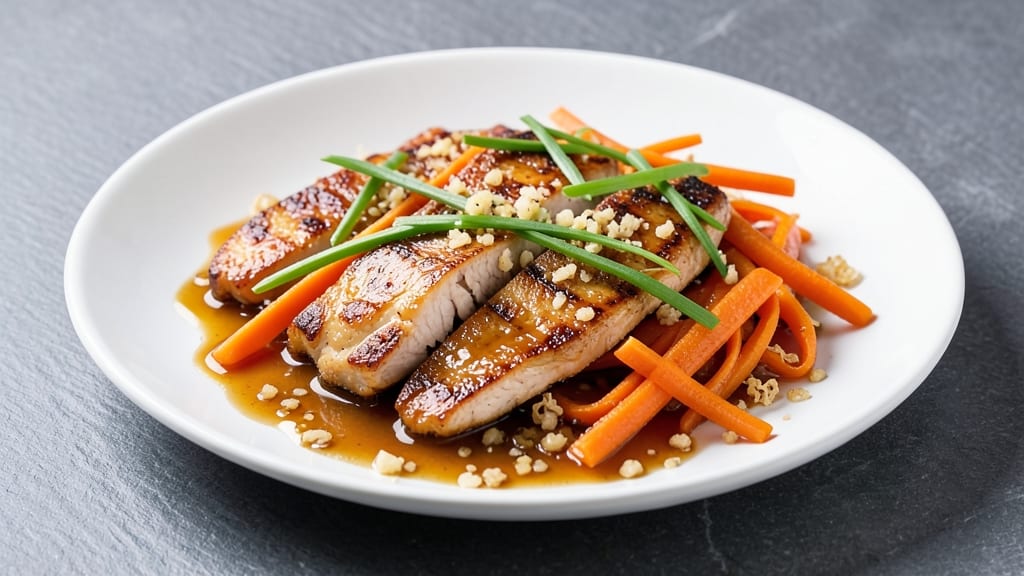
Betty Crocker’s chicken stir fry recipe delivers that perfect balance of wok-tossed crunch and savory depth—the kind that transforms a weeknight into a restaurant-quality meal. 💛 After years of perfecting stir-fry techniques, I’ve adapted this classic method to create a dish that’s both foolproof and restaurant-worthy, using simple ingredients and a high-heat wok technique that locks in flavor.
The secret lies in the marinade—a blend of soy sauce, ginger, and garlic—that tenderizes the chicken while building layers of flavor. High heat and quick cooking ensure the chicken stays juicy, while the vegetables achieve that signature crisp-tender texture.
This recipe scales effortlessly, whether you're feeding a family or meal prepping for the week.
By the time you plate it, you’ll have golden-brown chicken pieces, vibrant vegetables, and a glossy sauce that coats every bite. The aroma alone will have everyone at the table asking for seconds. Serve it over steamed rice or noodles to soak up every last bit of that savory sauce.
This stir fry is versatile enough for weeknights but impressive enough for dinner guests. The technique is straightforward, but the results are anything but basic—crispy edges, tender meat, and a sauce that’s perfectly balanced. Let’s get cooking!
Ingredients for betty crocker chicken stir fry
Restaurant-quality stir-fry starts with these carefully balanced ingredients—crisp vegetables, tender chicken, and aromatic seasonings.
| Ingredient | Amount | Notes |
|---|---|---|
| Boneless Skinless Chicken Breast 🍗 | 1 ½ lb | Cut into 1-inch strips |
| Extra-Virgin Olive Oil 🫒 | 2 tbsp | High smoke point preferred |
| Low-Sodium Soy Sauce 🥄 | ½ cup | For balanced flavor |
| Fresh Ginger 🌿 | 1 tbsp | Finely grated, fresh preferred |
| Garlic Cloves 🧄 | 4 cloves | Minced, fresh preferred |
| Carrots 🥕 | 1 ½ lb | Julienned, uniform size |
| Red Bell Pepper 🌶️ | 1 whole | Thinly sliced, seeds removed |
| Snow Peas 🌱 | 1 cup | Trimmed, whole pods |
| Sesame Oil 🫒 | 1 tbsp | Toasted, for aroma |
| Brown Sugar 🍯 | 1 tbsp | Light or dark variety |
| Cornstarch 🌾 | 1 tbsp | For crispy coating |
| Diamond Crystal Kosher Salt 🧂 | 1 tsp | For seasoning |
| Black Peppercorns 🌶️ | ½ tsp | Freshly ground |
| Long-Grain White Rice 🍚 | 1 ½ cups | Uncooked, for serving |
| Sesame Seeds 🌻 | 1 tbsp | Toasted, for garnish |
The chicken breast is your foundation—look for uniform thickness (about 1-inch strips) to ensure even cooking. Trader Joe's and Costco carry pre-cut chicken breast strips, but if you're cutting yourself, use a sharp knife and slice against the grain. The low-sodium soy sauce is crucial here; brands like Kikkoman or San-J deliver consistent quality. Fresh ginger and garlic should have vibrant color and no signs of drying—Asian markets often carry the freshest options. For the carrots, uniform julienne cuts (about 1/8-inch thick) ensure they cook at the same rate as the chicken.
No fresh ginger? Ground ginger at half the amount works in a pinch, but the flavor won't be as bright. Running short on snow peas? Substitute edamame or snap peas—just trim the ends. The sesame oil is for aroma only; don't use it for cooking. If you're avoiding gluten, swap the soy sauce for coconut aminos. For extra crispiness, toss the chicken in 1 tbsp cornstarch before cooking. The red bell pepper can be swapped for green or yellow, but red adds natural sweetness that pairs perfectly with the stir-fry's savory profile.
This dish reheats beautifully—store leftovers in an airtight container for up to 4 days in the fridge. For meal prep, portion the stir-fry into glass containers with a layer of parchment paper between servings to maintain crispness. The rice can be prepped ahead and reheated separately. Freeze portions for up to 3 months by spreading the stir-fry on a tray to cool, then transferring to a freezer bag. Garnish with toasted sesame seeds just before serving to preserve their crunch.
Why You'll Love This Recipe
- No Chopping Chaos: I’ve made stir-fries where I spent 20 minutes prepping veggies only to realize I forgot to trim the snow peas. Not here. The recipe calls for uniform julienne carrots and thinly sliced bell pepper—easy cuts that take less than 10 minutes total. Even my kids could handle it (and they’ve tried).
- Umami Bomb: That 15-minute marinade in low-sodium soy sauce and brown sugar? Game-changer. The chicken gets that perfect balance of savory and slightly sweet, then the fresh ginger and garlic hit like a punch—no blandness allowed. Trust me, the cornstarch coating makes the chicken crispy on the outside, tender inside. Chefs kiss.
- Leftover Legend: This stir-fry is one of those rare dishes that tastes even better the next day. I’ve reheated portions for lunch three times this week, and honestly, the sauce gets richer. Freeze it in portions too—just spread it on a tray first so it doesn’t clump. My secret weapon for busy mornings.
- Family-Friendly Flex: Kids love the bright colors and crisp veggies, while adults adore the depth from the sesame oil and toasted seeds. Serve it over rice for dinner, pack it in lunches, or even toss it into wraps for a quick lunch. One pan, one bowl, zero fuss—just satisfaction.
Step-by-step instructions for wok-tossed chicken stir fry
Master this technique for perfect wok hei—smoky, aromatic flavor through rapid cooking and high heat.
🍳 Step 1: Prepare the Chicken and Marinate
Cut the 1.5 lb boneless skinless chicken breast into 1-inch strips—uniform size ensures even cooking. In a bowl, combine the chicken with 0.5 cup low-sodium soy sauce, 1 tbsp brown sugar, and 1 tsp diamond crystal kosher salt. Let it marinate for at least 15 minutes (up to 30 minutes for deeper flavor). This step infuses the chicken with umami and caramelizes the surface for a better sear.
While marinating, finely grate the 1 tbsp fresh ginger and mince the 4 cloves garlic cloves. Keep them separate—they’ll be added later for maximum freshness. The ginger’s heat and garlic’s pungency will develop during cooking, so don’t rush this prep. I like to press the garlic with the flat side of my knife to release its oils before mincing.
👨🍳 Step 2: Prep Vegetables and Create the Coating
Julienne the 1.5 lb carrots into ¼-inch matchsticks—uniform size ensures they cook simultaneously. Thinly slice the 1 whole red bell pepper (seeds removed) and trim the 1 cup snow peas. Keep them separate until ready to toss. The julienne cut maximizes surface area for quick cooking, preventing mushy vegetables.
In a small bowl, whisk together 1 tbsp cornstarch and 0.5 tsp freshly ground black peppercorns. This will create a crispy, velvety coating on the chicken. The cornstarch also helps thicken the stir-fry sauce later, so don’t skip this step. If the mixture looks lumpy, sift it lightly for a smoother texture.
🔥 Step 3: Cook the Chicken to Golden Perfection
Heat a wok or large skillet over high heat until it’s screaming hot—you should see a faint shimmer. Add 2 tbsp extra-virgin olive oil and swirl to coat the surface. Add the marinated chicken in a single layer, pressing down gently with a spatula to ensure even contact. Cook undisturbed for 2-3 minutes until the bottoms are golden brown.
Here’s the key: flip the chicken and toss vigorously for 1-2 minutes until fully cooked through (165°F internal temperature). Remove the chicken and set aside. If the pan isn’t hot enough, the chicken will steam instead of sear—this is the moment that matters. The high heat creates that signature wok hei flavor.
🍳 Step 4: Stir-Fry Vegetables and Build the Sauce
Add 1 tbsp sesame oil to the same wok and swirl to coat. Toss in the julienned carrots, sliced bell pepper, and snow peas. Stir-fry for 2-3 minutes until the vegetables are tender-crisp—bright green peas and crisp-tender carrots are your goal. Overcooking turns them mushy, so watch closely.
Return the chicken to the wok. Add the grated ginger and minced garlic, stirring for 30 seconds until fragrant. Pour in the remaining 0.5 cup low-sodium soy sauce and toss everything together for 1-2 minutes until the sauce coats the ingredients evenly. The vegetables should still have bite—this is a stir-fry, not a stew.
🥘 Step 5: Finish and Serve Over Rice
Remove the stir-fry from heat and drizzle with 1 tbsp toasted sesame oil for aroma. Garnish with 1 tbsp toasted sesame seeds just before serving. The sesame oil adds nutty depth, while the seeds provide texture contrast. Serve immediately over 1.5 cups cooked long-grain white rice—the rice should be fluffy and slightly warm to complement the bold flavors.
Real talk: the sauce will thicken as it cools, so don’t over-sauce it now. If needed, add a splash of hot water to loosen it to your desired consistency. The stir-fry should be vibrant, aromatic, and packed with contrasting textures—crisp vegetables, tender chicken, and a glossy, savory sauce.
Pro Tips For Making Betty Crocker Chicken Stir Fry
- CRANK THE HEAT: That wok needs to be so hot it’s practically smoking—if you’re not getting a faint shimmer, wait longer. I used to rush this and ended up with steamed chicken instead of seared, golden perfection. The high heat is what gives you that wok hei flavor, so don’t skimp.
- GARLIC PREP MATTERS: Press those 4 cloves of garlic with the flat side of your knife before mincing—it releases the oils and makes them sizzle like crazy in the wok. I learned this the hard way after my stir-fry tasted bland because the garlic just sat there instead of caramelizing.
- DON’T OVERCROWD THE PAN: When you add the chicken, spread it out in a single layer and let it sear undisturbed for 2-3 minutes. I’ve seen people try to toss it immediately, and the result? Pale, unevenly cooked strips. Patience here guarantees crispy, flavorful chicken every time.
- TOAST THOSE SEEDS: Dry-toast the 1 tbsp sesame seeds in a small pan for 30 seconds until fragrant before using them as garnish. Freshly toasted seeds add a nutty crunch that store-bought ones can’t match—it’s a tiny effort for a big flavor upgrade.
Regional styles of this dish
Southern-Style Spicy Kick
If you’re craving a little heat, I’ve adapted this stir-fry with a Southern twist—just like my grandma used to make.
Swap out half of the low-sodium soy sauce for 1 tbsp of hot sauce (I love Crystal for its tangy kick) and add ½ tsp of cayenne pepper to the marinade. The result? A dish with enough spice to wake up your taste buds while keeping that classic stir-fry crunch.
Serve with a side of cooling cucumber salad to balance it out—trust me, it’s a crowd-pleaser. 🌶️
Texas BBQ-Inspired Smoky Twist
For a smoky, BBQ-inspired version, I’ll take you back to my days in Atlanta. After cooking the chicken, toss in 1 tbsp of smoked paprika and ½ tsp of liquid smoke with the soy sauce.
The smokiness pairs perfectly with the ginger and garlic, giving the dish that slow-cooked, campfire vibe. I also add ¼ cup of chopped red onions at the end for a little sweetness—it’s like a stir-fry with a side of BBQ magic. 🔥
Carolina Gold Rice Bowl
Down in South Carolina, we love our rice bowls—so I’ve got a regional twist for you. Cook the 1.5 cups long-grain white rice as usual, but stir in ½ cup of cooked shrimp and ¼ cup of pickled red onions before serving.
Top the stir-fry with a fried egg for extra richness—this Carolina-style version is all about bold flavors and textures. It’s the kind of dish that’ll have everyone asking for seconds. 🍳
Asian-Inspired Sesame Crunch
If you’re feeling adventurous, I’ll take you to Charleston’s Asian fusion scene. Add 1 tbsp of toasted sesame seeds to the cornstarch mixture before coating the chicken, and finish with a drizzle of 1 tbsp of chili garlic sauce (like Lee Kum Kee) before serving.
The sesame crunch and spicy kick make this stir-fry feel like a restaurant special. Serve it over rice noodles instead of white rice for an extra-light touch—it’s a Southern-Asian mashup that’s pure delight. 💛
Quick Meal-Prep Version
When I’m short on time, I prep this stir-fry ahead and keep it ready for busy weeknights. Cook the chicken and vegetables separately, then store them in airtight containers in the fridge for up to 3 days.
When ready to serve, just toss everything together with the soy sauce and sesame oil. This method saves time without sacrificing flavor—perfect for those nights when you’re exhausted but still want a home-cooked meal. ⏰
Nutrition facts
Frequently asked questions
Can I use chicken thighs instead of breast?
Chicken thighs add richness and stay juicy even when cooked longer. For best results, cut them into 1-inch strips and reduce the marinade time to 10 minutes—they cook faster than breast. The cornstarch coating will still help create that crispy texture you love. Just watch the internal temperature to reach 165°F for safety.
What if my wok isn't hot enough?
If your wok doesn't get screaming hot, your chicken will steam instead of sear. To fix this, preheat it off the stove by adding a splash of oil and swirling until it shimmers. Then turn the heat to high and let it heat for an extra 2 minutes before adding the chicken. A well-heated wok is key for that perfect wok hei flavor.
How do I keep the vegetables crisp?
Uniform cuts are everything! Julienne carrots into ¼-inch matchsticks and slice bell peppers thinly—this maximizes surface area for quick cooking. Stir-fry them for only 2-3 minutes until tender-crisp, not soft. Remove them from the wok just before adding the chicken to prevent overcooking. The key is speed and high heat!
Can I make this dish ahead of time?
Yes! Cook the chicken and vegetables separately, then store them in an airtight container in the fridge for up to 3 days. When ready to serve, toss everything together with the soy sauce and sesame oil. This method saves time while keeping flavors vibrant. Just add the sesame seeds fresh before serving.
What's the best way to reheat leftovers?
Use a skillet or wok over medium-high heat to gently reheat the stir-fry, adding a splash of water if needed. Avoid microwaving—it makes the vegetables soggy. For extra crispiness, toss the chicken in the cornstarch mixture again before reheating. Serve immediately over fresh rice.