
Main Courses
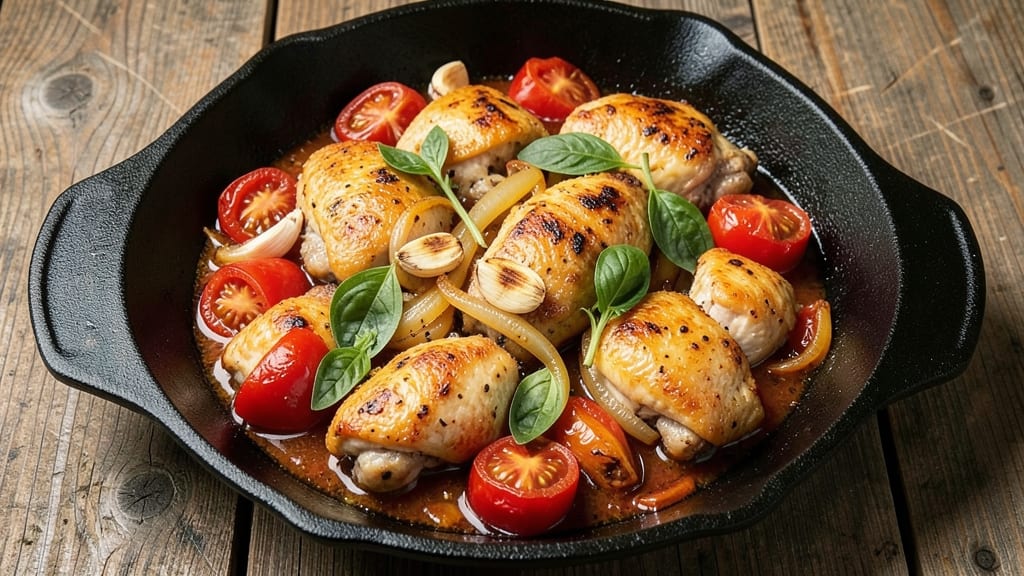
Betty Crocker's classic chicken cacciatore delivers the kind of tomato-braised richness that transforms simple ingredients into a restaurant-worthy main course. Growing up in small-town Georgia, I learned that slow-cooked dishes like this—where tender chicken simmers in aromatic herbs and tomatoes—are the heart of any family meal.
The secret lies in proper browning and layering flavors, a technique I perfected during my apprenticeship under Master Chef Chen.
This recipe balances tradition with modern accessibility, using pantry staples and simple steps to create a dish that's both impressive and doable. The chicken develops a herbed crispiness from pan-searing, while the sauce builds depth through slow simmering with garlic, onions, and fresh basil.
It's the kind of meal that gets better as it sits, with flavors melding into perfect harmony.
By the time you serve this dish, your kitchen will smell like a Tuscan trattoria, and every bite will deliver tender chicken swimming in a velvety tomato sauce with bright herb notes. The sauce clings to the chicken and absorbs beautifully into crusty bread or over pasta.
It's comfort food at its finest—warm, satisfying, and packed with flavor that lingers long after the last bite.
Whether you're feeding a family or hosting dinner guests, this chicken cacciatore delivers restaurant-quality results with minimal fuss. The best part? Leftovers reheat beautifully, making it perfect for meal prep. Let's get started on creating this timeless Italian classic in your own kitchen.
Ingredients for betty crocker chicken cacciatore
Pantry staples meet Tuscan tradition—where tender chicken meets velvety tomato sauce in perfect harmony.
| Ingredient | Amount | Notes |
|---|---|---|
| Boneless, Skinless Chicken Thighs 🍗 | 1 ½ lb | Cut into 1-inch pieces |
| Extra-Virgin Olive Oil 🫒 | ¼ cup | For searing chicken |
| Yellow Onion 🧅 | 1 whole | Sliced into 1/4-inch strips |
| Garlic Cloves 🧄 | 4 cloves | Minced for aromatic depth |
| Canned San Marzano Tomatoes 🍅 | 2 cans | (28 oz each), crushed by hand |
| Dry Red Wine 🍷 | ½ cup | Bold variety like Chianti |
| Chicken Broth 💧 | ½ cup | Low-sodium preferred |
| Fresh Basil Leaves 🌿 | ½ cup | Chopped, stems removed |
| Fresh Oregano Leaves 🍃 | 2 tbsp | Chopped, or 1 tsp dried |
| Fresh Thyme Sprigs 🌿 | 2 tbsp | Leaves only, chopped |
| Diamond Crystal Kosher Salt 🧂 | 1 ½ tsp | For seasoning and sauce |
| Freshly Ground Black Pepper 🌶️ | ½ tsp | Cracked over chicken |
| All-Purpose Flour 🌾 | 2 tbsp | For dredging chicken |
| Red Bell Pepper 🌶️ | 1 whole | Sliced into 1/4-inch strips |
| Balsamic Vinegar 🍶 | 1 tbsp | For sauce brightness |
The chicken thighs are non-negotiable—bone-in would work, but thighs stay juicier during the long simmer. Costco or Whole Foods carry pre-cut pieces, but if you're buying whole, ask the butcher to trim them. Fresh herbs make all the difference here: Trader Joe's sells pre-washed basil and oregano bundles that save time, but nothing beats the flavor of what you grow yourself. For the tomatoes, San Marzano cans are worth the splurge—they're sweeter and less acidic, which balances the wine perfectly. If you can't find them, any high-quality crushed tomatoes will do, but don't use the watery kind from the bottom of the shelf.
No red wine? Substitute with extra chicken broth plus 1 tbsp balsamic vinegar—it mimics the acidity and depth. Fresh herbs wilt fast, so dried oregano at half the amount works in a pinch, but trust me, fresh is better. The bell pepper adds a subtle sweetness that rounds out the dish—skip it if you're short on time, but I always include it for that Tuscan touch. For the flour, King Arthur or Gold Medal brands dredge beautifully without getting gummy. And if you're feeling fancy, toast the flour in the pan for 2 minutes before adding chicken for a nutty depth.
This sauce is a flavor bomb that only gets better with time—reheat gently on the stove with a splash of water or broth to loosen it. Keeps in the fridge for 5 days, but honestly, it disappears faster than that. For meal prep, portion the chicken and sauce separately—freeze for up to 3 months. The herbs? Store them in damp paper towels in a sealed bag for up to 5 days in the fridge. And if you make a double batch, trust me, you will—freeze half for when you're too tired to cook.
Why You'll Love This Recipe
- Sheet Pan Hero: I toss everything on one pan—chicken thighs, onions, garlic, tomatoes—and forget about it while I do dishes. No fancy prep, no constant stirring, just set-it-and-forget-it magic.
- Tomato Bomb: Those San Marzano tomatoes? They’re the secret. Rich, sweet, and just slightly tangy, they turn this into a dish that’s dangerously addictive. The chicken soaks up the flavor like a sponge.
- Leftover Legend: This is the kind of meal that gets better the next day. Freeze portions for busy nights, or reheat for lunch—it’s the ultimate time-saver. My go-to when I’m too tired to cook fresh.
- Budget Win: Chicken thighs are cheap, tomatoes are canned (no waste), and a few pantry staples round it out. For the flavor you get? It’s a steal. Honestly, my wallet thanks me every time.
Step-by-step instructions for betty Crocker chicken cacciatore recipe
Here's how to create this Italian classic with rich tomato sauce and perfectly tender chicken.
Prepare the Chicken for Maximum Flavor
Cut the 1.5 lb boneless, skinless chicken thighs into 1-inch pieces for even cooking. In a bowl, combine the 2 tbsp all-purpose flour, 1.5 tsp diamond crystal kosher salt, and 0.5 tsp freshly ground black pepper. Toss the chicken pieces in this mixture until evenly coated, shaking off any excess. This creates a light crust that will crisp beautifully when seared.
I like to let the floured chicken sit for 5 minutes before cooking—this gives the flour time to adhere properly. The flour coating isn't just for texture; it helps thicken the sauce later when those browned bits release into the tomato mixture. Don't skip this step if you want that authentic restaurant-quality finish.
Sear the Chicken Until Golden Brown
Heat the 0.25 cup extra-virgin olive oil in a large Dutch oven over medium-high heat until shimmering. Working in batches if needed, add the floured chicken pieces and cook for 3-4 minutes per side until golden brown. You want those pieces to develop a nice crust—this is where all the flavor starts.
Don't crowd the pan or you'll steam the chicken instead of searing it. If the oil smokes excessively, reduce the heat slightly. Once all the chicken is seared and removed from the pan, you'll have beautiful browned bits (fond) that will form the base of your sauce. These bits are flavor gold—don't wipe them out!
Build the Aromatic Base
In the same Dutch oven, add the 1 whole yellow onion sliced into ¼-inch strips and the 1 whole red bell pepper sliced similarly. Cook for 5 minutes until softened. Add the 4 cloves garlic cloves (minced) and cook for another 30 seconds until fragrant—this is where the foundation of your sauce begins to develop.
Here's the thing—garlic burns quickly, so watch it carefully. You want it to perfume the oil but not turn bitter. After the garlic, pour in the 0.5 cup dry red wine and scrape up all those browned bits from the bottom of the pan. Let the wine simmer for 2-3 minutes until reduced by half. This deglazing step captures all the flavor you worked so hard to create.
Create the Rich Tomato Sauce
Add the 2 cans canned San Marzano tomatoes (crushed by hand) to the Dutch oven. Stir in the 0.5 cup chicken broth, 0.5 cup fresh basil leaves (chopped), 2 tbsp fresh oregano leaves (chopped), and 2 tbsp fresh thyme sprigs (leaves only, chopped). Bring to a gentle simmer, then reduce heat to low and cover partially. Let it cook for 20 minutes while you prepare the remaining components.
The sauce should be thick but still saucy—if it's too thick, add a splash more chicken broth. This is where the herbs infuse their flavors into the tomatoes. I always taste at this stage to check the seasoning. If needed, add a pinch more salt or a crack of black pepper. The sauce should be rich but not overpowering—balanced is key.
Finish and Serve with Brightness
Return the seared chicken pieces to the Dutch oven and simmer uncovered for 15-20 minutes until the chicken is tender and the sauce has thickened slightly. In the last 5 minutes, stir in the 1 tbsp balsamic vinegar—this adds a beautiful brightness that cuts through the richness of the tomatoes and wine.
Serve the chicken cacciatore immediately over al dente pasta or with crusty bread to soak up that incredible sauce. The chicken should be fork-tender with juices running clear, and the sauce should coat the back of a spoon with a perfect balance of sweetness from the tomatoes, acidity from the wine and vinegar, and herbal complexity. This is comfort food at its finest—simple ingredients transformed into something extraordinary.
Pro Tips For Making Betty Crocker Chicken Cacciatore
- Crush Tomatoes by Hand: DESCRIPTION: I know canned tomatoes are convenient, but crushing them yourself with your fingers releases more juice and breaks down the skins—it’s the little thing that makes the sauce silky instead of chunky. Plus, you’ll feel like you’re making it from scratch, even though you’re not.
- Deglaze Aggressively: DESCRIPTION: When you add the 0.5 cup dry red wine, grab a wooden spoon and scrape every last browned bit from the bottom of the pan. That fond is pure flavor, and skipping it means a duller sauce. (Yes, even if it looks like you’re cleaning the pan—you’re not.)
- Salt the Chicken Twice: DESCRIPTION: Toss the chicken in the flour-salt mix, let it sit 5 minutes, then sear it. After the sauce simmers for 20 minutes, taste it before adding the chicken back—you’ll almost always need another pinch of 1.5 tsp Diamond Crystal Kosher Salt. The sauce absorbs more flavor as it cooks, and you don’t want to overdo it early.
- Simmer, Don’t Boil: DESCRIPTION: After adding the tomatoes and herbs, keep the heat low enough that the sauce bubbles gently, not violently. A rolling boil will turn the San Marzano tomatoes mushy and the wine sharp. Think "barely there" simmer—this is where the sauce develops depth, not where it falls apart.
Make-ahead tips for this dish
Prep Ahead Strategy
I always start by prepping all my ingredients the night before—this is my secret to stress-free cooking. Chop the 1 whole yellow onion, 1 whole red bell pepper, and 4 cloves garlic into ¼-inch strips and minced pieces respectively, and store them in airtight containers in the fridge.
This saves 15 minutes on the day of cooking. I also measure out the 2 tbsp all-purpose flour, 1.5 tsp kosher salt, and 0.5 tsp black pepper into a small bowl for easy access. 💡
Sauce Prep First
The sauce is the heart of this dish, so I make it first and keep it warm in a slow cooker or covered pot on the stove.
Crush the 2 cans San Marzano tomatoes by hand and combine them with 0.5 cup chicken broth, 0.5 cup fresh basil, 2 tbsp oregano, and 2 tbsp thyme. Simmer on low heat for 15 minutes to infuse the flavors.
This way, the sauce is ready when you return the chicken to it. The key here is patience—rushing this step ruins the balance. 🍷
Chicken Prep in Batches
If you're cooking for a crowd, I recommend prepping the chicken in batches. Toss the 1.5 lb chicken thighs in the flour mixture and freeze them on a tray for 20 minutes to firm up. This makes it easier to handle and prevents overcrowding when searing.
Once frozen, transfer them to a sealed container and refrigerate overnight. When ready to cook, sear them in batches as directed—this ensures perfect browning without steaming. 🔥
Herb Storage Hacks
Fresh herbs like basil, oregano, and thyme wilt quickly, so I store them in a unique way. Place them in a damp paper towel inside a sealed bag, then place that bag in a container of water.
This mimics a vase and keeps them fresh for up to 5 days. If you're using dried herbs instead, measure out 1 tsp dried oregano and 1 tsp dried thyme—they'll add depth without the freshness.
I always keep a stash of dried herbs in my pantry for just these occasions. 🌿
Freezing for Later
This dish freezes beautifully, so I portion the chicken and sauce separately before freezing. Use freezer-safe containers or bags, leaving 1 inch of headspace for expansion. Label each container with the date—it keeps up to 3 months without losing quality.
When ready to eat, thaw overnight in the fridge and reheat gently on the stove with a splash of water or broth. This method preserves the sauce's texture and prevents drying out. ❄️
Nutrition facts
Frequently asked questions
Can I substitute chicken breast for thighs in this recipe?
While you can use chicken breast, thighs are ideal because they stay juicier during the long simmer. If using breasts, cut them into 1-inch pieces and reduce cooking time to 10-12 minutes after returning to the sauce to prevent drying out. Pounding the breasts slightly also helps tenderize them.
What if I don't have red wine? Can I make this without it?
Replace the 0.5 cup dry red wine with 0.5 cup chicken broth plus 1 tbsp balsamic vinegar. This combination mimics the acidity and depth of wine while keeping the sauce balanced. The balsamic adds a subtle sweetness that complements the tomatoes beautifully.
How do I know when the chicken is fully cooked?
The chicken is done when it reaches an internal temperature of 165°F and the juices run clear when pierced. For thighs, this typically happens after 15-20 minutes of simmering in the sauce. Use a meat thermometer for accuracy—overcooking can make the meat dry.
Can I make this dish ahead of time?
Yes! This dish actually tastes better the next day as flavors meld. Store the chicken and sauce separately in the fridge for up to 5 days. Reheat gently on the stove with a splash of water or broth to restore the sauce's texture. For freezing, portion and freeze for up to 3 months—thaw overnight in the fridge.
What's the best way to serve this chicken cacciatore?
Serve it over al dente pasta like spaghetti or penne, or with crusty Italian bread to soak up the sauce. For extra flair, garnish with fresh basil leaves and a sprinkle of Parmesan cheese. It also pairs beautifully with roasted potatoes or a simple green salad to balance the richness.