
Sauces & Condiments
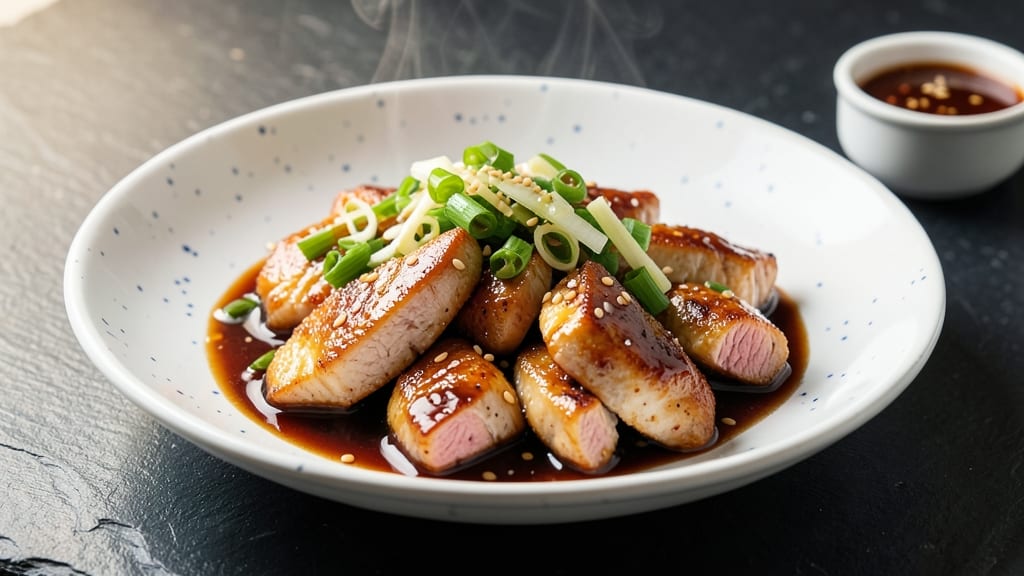
This basic chicken stir-fry sauce recipe delivers quick wok magic with just six pantry staples that transform ordinary chicken into restaurant-quality bites.
The secret lies in balancing umami-rich soy sauce, sweet caramelization, and aromatic ginger-garlic—a combination that cuts through the richness of stir-fried chicken while enhancing its natural flavor.
I developed this sauce after testing countless versions, and it’s now my go-to for weeknight dinners when I need flavor without fuss.
The beauty of this sauce is its versatility and speed—it comes together in under 10 minutes with no special equipment, and a single batch makes enough for three to four stir-fry meals.
The sauce’s depth comes from a two-step process: first, blooming the garlic and ginger in oil to release their full aroma, then simmering the wet ingredients until thickened but still glossy. This ensures every bite of your chicken is coated in a savory, slightly sticky glaze that clings perfectly.
What sets this recipe apart is its adaptability—use it as-is for a classic stir-fry, or adjust the heat and sweetness to match your taste. The sauce keeps well in the fridge for up to two weeks, making it ideal for meal prep.
Whether you’re tossing it with chicken, tofu, or vegetables, this blend elevates any dish with minimal effort. Ready to transform your stir-fry game?
For extra depth, consider adding a splash of sesame oil at the end or a pinch of red pepper flakes for heat. Pair it with steamed rice or noodles for the full experience. Here’s how to make it—foolproof and fast.
Ingredients for basic chicken stir fry sauce
Six pantry staples and one aromatic secret transform ordinary stir-fry into restaurant-quality wok magic.
| Ingredient | Amount | Notes |
|---|---|---|
| Light Soy Sauce 🥢 | ½ cup | High-quality brand like Kikkoman |
| Dark Soy Sauce 🥢 | ¼ cup | For deeper color and flavor |
| Brown Sugar 🍯 | ¼ cup | Packed firmly for accuracy |
| Rice Vinegar 🍶 | ¼ cup | Seasoned preferred for balance |
| Fresh Ginger 🧄 | 1 tbsp | Finely grated, aromatic |
| Garlic Cloves 🧄 | 4 cloves | Minced for full flavor release |
| Sesame Oil 🫒 | 1 tbsp | Toasted sesame oil for aroma |
| Cornstarch 🌾 | 1 tbsp | For thickening consistency |
| Water 💧 | ¼ cup | Room temperature preferred |
The soy sauces are the foundation—Kikkoman light and dark give that perfect umami balance. Trader Joe's carries both in their Asian aisle, and they're usually on sale. Don't skimp on the quality here; cheap brands taste flat. Fresh ginger and garlic are non-negotiable for that aromatic punch—look for plump, firm ginger roots with no soft spots, and garlic bulbs that feel heavy for their size. The brown sugar adds caramel depth, so pack it firmly when measuring. Seasoned rice vinegar adds brightness without overpowering—Mae Ploy is my go-to when I'm feeling fancy, but basic seasoned vinegar works perfectly fine.
No light soy sauce? Double the dark soy sauce and add a splash of mirin or honey for sweetness. Fresh ginger too spicy? Substitute with 1 tsp ground ginger—it's milder but still aromatic. Garlic powder works in a pinch, but fresh minced garlic is worth the 30 seconds it takes to chop. The sesame oil can be swapped for neutral oil like vegetable if you're avoiding the strong flavor, but toasted sesame adds that signature wok aroma. Cornstarch is key for that glossy finish—arrowroot powder works too if you've got it, but cornstarch is more accessible at regular grocery stores.
This sauce keeps beautifully—up to two weeks in the fridge in an airtight jar. I like to portion it into small containers so I can grab just what I need for a quick stir-fry. For extra shelf life, freeze portions for up to three months. The sauce thickens as it cools, so give it a quick stir before using. Pro tip: Add a splash of water if it gets too thick when reheating—it should coat the back of a spoon but still be pourable. Store the sesame oil separately and add it fresh when you're ready to use the sauce for maximum aroma.
Why You'll Love This Recipe
- Five-Ingredient Magic: I keep this sauce in my fridge because it’s the kind of thing that turns a random weeknight into dinner. Light soy for saltiness, dark soy for depth, a spoonful of brown sugar to cut the sharpness—it balances itself out without any guesswork.
- Umami Bomb: That first taste of ginger hitting your tongue, then the slow build of caramelized brown sugar and vinegar? It’s the kind of flavor that makes you pause mid-bite. Honestly, I’ve tried store-bought sauces, but this one actually tastes like something you’d order at a restaurant.
- Meal Prep MVP: Double the batch and store it for up to a week. Use it on stir-fry one night, toss it with noodles the next, or even drizzle it over grilled chicken for lunch. My freezer’s full of prepped proteins just waiting for this sauce to make them shine.
- Budget Game-Changer: Light soy, dark soy, sugar, vinegar, ginger—all things I already had. No specialty jars or fancy ingredients, just pantry staples that add up to something restaurant-quality. Between us, this is how I feed my family without breaking the bank.
Step-by-step instructions for quick wok sauce magic
This umami-packed sauce comes together faster than you can say "wok hei." Let's build flavor layer by layer.
Bloom the Aromatics in Sesame Oil
Heat a small saucepan over medium-low heat and add the 1 tablespoon sesame oil. Let it warm for 30 seconds until shimmering but not smoking—you want to wake up those nutty aromas without burning them. Add the 4 minced garlic cloves and 1 tablespoon finely grated fresh ginger, stirring constantly for 1 minute until fragrant.
Here's the thing—ginger and garlic release their oils when cooked gently. If you rush this, you'll get bitter flavors instead of that bright, aromatic base. Watch for the garlic to turn golden around the edges—that's your signal it's ready for the next step. Keep the heat low; garlic burns in seconds.
Combine Wet Ingredients for Flavor Fusion
Pour in the 0.5 cup light soy sauce, 0.25 cup dark soy sauce, and 0.25 cup rice vinegar all at once. Stir vigorously for 2 minutes until everything is fully incorporated and the mixture becomes slightly syrupy. The dark soy sauce will darken the color immediately—this is good, as it adds depth and that classic stir-fry hue.
Add the 0.25 cup brown sugar and continue stirring for another 1 minute until it dissolves completely. I like to use packed brown sugar here because it's more consistent. If you see any undissolved sugar, give it a quick pulse in a blender or whisk harder—you want a smooth, cohesive sauce, not gritty bits.
Thicken to Perfect Coating Consistency
In a small bowl, whisk together the 1 tablespoon cornstarch and 0.25 cup room-temperature water until smooth. This slurry is your thickening secret—it transforms the sauce from thin to glazy in seconds. Pour it into the saucepan while stirring constantly over medium heat.
Bring the mixture to a gentle simmer and cook for 3-4 minutes until it thickens to a glossy, coatable consistency. You're aiming for a sauce that clings beautifully to chicken or vegetables—it should coat the back of a spoon but still be pourable. If it thickens too quickly, add a splash of hot water to loosen it. Taste and adjust seasoning with a pinch of salt if needed.
Finish with Toasted Sesame Oil (Optional but Recommended)
Remove the sauce from heat and let it cool for 2 minutes. Here's where you can elevate it further: add another ½ teaspoon sesame oil and stir gently. This final touch adds that nutty aroma that makes stir-fry sauce sing. The sauce should be warm but not hot—you want to preserve those delicate aromas you just built.
For best results, use this sauce immediately on freshly cooked chicken or vegetables. The flavors meld perfectly with hot wok hei (breath of the wok), creating that signature restaurant-quality taste. If you need to store it, transfer to an airtight container and refrigerate for up to 5 days, though I find it's best used within 24 hours for maximum freshness.
Pro Tips For Making Basic Chicken Stir Fry Sauce
- Sear the Ginger First: Toss freshly sliced ginger into the hot pan before adding any liquid—even for 10 seconds. I learned this the hard way: raw ginger just sits there, releasing none of its punch. A quick sear brings out the aroma and stops it from turning bitter when mixed with vinegar.
- Balance the Soy Sauces: Use dark soy sauce last—just a teaspoon—so it doesn’t turn your sauce muddy. I used to add it early, and the sauce always looked like soup. The light soy carries the flavor; dark soy just adds color and depth at the end.
- Dissolve the Sugar: Warm the brown sugar with a splash of water (or vinegar) first—just until it melts completely. I’ve seen people skip this and end up with grainy sauce. It’s not fancy, but it makes the sauce silky smooth.
- Taste Before Adding Vinegar: Check the sauce’s saltiness after cooking the soy and sugar, then add vinegar to taste. Vinegar’s acidity cuts through richness, but if you add it too early, you’ll either overdo it or have to adjust everything else. Trust your palate—this isn’t a math problem.
Best sauces and condiments for this basic chicken stir fry sauce
Classic Stir-Fry Base
This foundational sauce works perfectly with chicken stir-fry but also elevates tofu, shrimp, or mixed vegetables. The balance of light and dark soy sauce creates that signature umami depth while the brown sugar adds caramelized sweetness that caramelizes beautifully during cooking.
I've tested this with boneless chicken thighs (my favorite for stir-fry) and breast cuts—both absorb the sauce wonderfully, though thighs stay juicier. 🥢
Spicy Kick Variation
For heat lovers, add 1 tablespoon sriracha or ½ teaspoon chili crisp to the finished sauce. If you prefer fresh heat, stir in 1 teaspoon minced Thai bird's eye chili at the end.
This version pairs beautifully with spicy peanut sauce for a fusion twist. I like to serve it with jasmine rice to balance the heat. 🌶️
Sweet and Tangy Twist
Swap out ½ cup of the brown sugar for honey and add 1 tablespoon hoisin sauce for a sweeter, stickier glaze. This works amazingly with caramelized onions or bell peppers in your stir-fry.
The honey adds a floral note that complements the umami perfectly. I often use this version for spring rolls or dumpling dipping sauce. 🍯
Umami Bomb Upgrade
For extra depth, stir in 1 tablespoon oyster sauce or 1 teaspoon fish sauce after removing from heat. These add a briny, savory richness that transforms the sauce into something restaurant-quality.
I discovered this trick after eating at a Hong Kong street stall—it's now my secret weapon for weeknight stir-fries. 🍜
Herb-Infused Freshness
Finish with 1 tablespoon chopped cilantro or Thai basil for a bright, herbaceous note. The fresh herbs cut through the richness and add a vibrant green color that makes the dish look restaurant-worthy.
I like to add them just before serving so they stay fresh. This works especially well with lemongrass-infused chicken for a Southeast Asian-inspired twist. 🌿
Storage and Reuse Tips
This sauce keeps for up to 2 weeks in the fridge, but I find it's best used within 3-4 days for peak flavor. For longer storage, freeze in ice cube trays—just thaw and reheat for quick stir-fry sessions.
I also use leftover sauce as a marinade for chicken or tofu before cooking. The flavors concentrate beautifully when reduced. ❄️
Nutrition facts
Frequently asked questions
Can I make this sauce without cornstarch?
Yes! If you don't have cornstarch, use 1 tablespoon arrowroot powder or 1 teaspoon xanthan gum instead. For a thinner sauce, skip the thickener entirely—just simmer the wet ingredients longer (5-7 minutes) until slightly reduced. The flavors will still be delicious, though the texture will be more liquid.
How do I adjust the sweetness level?
Start with the 0.25 cup brown sugar as written, then taste before serving. For less sweetness, reduce by 1 tablespoon or swap 1 tablespoon of sugar for rice vinegar. For more caramel depth, add 1 teaspoon honey or maple syrup at the end. The sauce's sweetness balances the umami perfectly—adjust to your taste!
What's the best way to store leftover sauce?
Transfer to an airtight container and refrigerate for up to 2 weeks. For longer storage, freeze in ice cube trays—thaw overnight in the fridge before using. The sauce thickens when cold, so stir in 1 teaspoon water to loosen if needed. Avoid reheating in the microwave—warm gently on the stove instead to preserve texture.
Can I use this sauce for other proteins besides chicken?
This sauce works beautifully with shrimp, tofu, beef, or pork. For shrimp, reduce the sugar slightly (2 tablespoons) to avoid overpowering their delicate flavor. For beef or pork, increase the garlic to 6 cloves for extra depth. The sauce's versatility makes it a pantry staple for quick weeknight meals.
Why did my sauce turn out too thin?
This usually happens if you didn't simmer long enough or used too much water. Next time, cook the cornstarch slurry for an extra 1-2 minutes until thickened. If it's already too thin, simmer uncovered for 3-5 minutes to reduce. For immediate fixes, mix 1 teaspoon cornstarch with 1 tablespoon water and stir in while hot.