
Main Courses
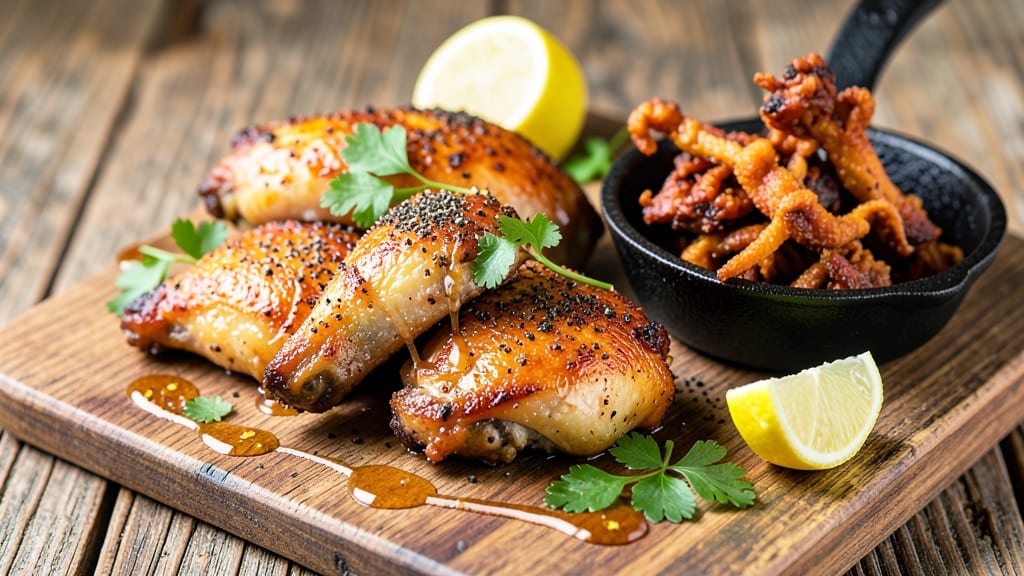
The Barefoot Contessa fried chicken recipe delivers crispy, golden perfection with a secret parmesan crunch that sets it apart from classic recipes. The magic begins with a buttermilk marinade that tenderizes while the double-dredging technique creates that legendary texture—crispy outside, juicy inside, with a salty-savory kick from grated parmesan.
This isn't just fried chicken; it's a restaurant-worthy dish you can master at home with patience and precise technique.
The key to success lies in two critical steps: maintaining 325°F oil temperature and letting the chicken rest for 10 minutes after frying. Too hot, and the coating burns before the chicken cooks through; too cool, and you'll end up with greasy, soggy results.
The buttermilk marinade works its magic overnight, breaking down the protein while infusing flavor, while the parmesan in the breading adds that signature crunch that makes this recipe unforgettable.
What you'll end up with is golden-brown fried chicken with a crispy parmesan crust that shatters at every bite, revealing tender, juicy meat underneath. The aroma alone will have everyone gathering at your table, and the taste—rich, savory, with just the right amount of saltiness—will have them asking for seconds.
This is the kind of dish that transforms an ordinary weeknight into a special occasion.
Serve with classic sides like mashed potatoes, coleslaw, or buttermilk biscuits for the full Barefoot Contessa experience. The secret to presentation? Let the chicken rest on a wire rack to maintain crispiness, then transfer to a serving platter lined with paper towels to catch any excess oil.
Here's how to make it perfectly every time.
Ingredients for barefoot contessa fried chicken
Fourteen ingredients transform ordinary chicken into restaurant-quality fried perfection.
| Ingredient | Amount | Notes |
|---|---|---|
| Chicken Thighs 🍗 | 1 ½ lb | Bone-in, skin-on, cut into even pieces |
| Buttermilk 🥛 | 1 ½ cups | Full-fat for optimal tenderness |
| All-Purpose Flour 🌾 | 1 ½ cups | White or whole wheat blend |
| Parmesan Cheese 🧀 | ½ cup | Freshly grated, finely ground |
| Cornstarch 🌾 | ½ cup | For ultra-crispy coating |
| Ground Black Pepper 🌶️ | 1 tbsp | Freshly cracked for intensity |
| Kosher Salt 🧂 | 1 ½ tbsp | Diamond Crystal preferred |
| Garlic Powder 🧄 | 1 tbsp | Freshly toasted preferred |
| Onion Powder 🧅 | 1 tbsp | For subtle depth |
| Vegetable Oil 🫒 | 4 cups | High smoke point required |
| Large Eggs 🥚 | 2 whole | Room temperature for even coating |
| Paprika 🌶️ | 1 tbsp | Smoked variety for color |
| Dried Thyme 🌿 | 1 tsp | Or 1 tbsp fresh thyme leaves |
The chicken thighs are non-negotiable—bone-in, skin-on pieces create the most flavorful, juicy results. Look for thighs with good marbling at specialty butchers or the meat section of Whole Foods for optimal quality. The buttermilk should be full-fat for maximum tenderness, and if you can't find it, substitute with whole milk thinned with a splash of vinegar. For the parmesan, grate it yourself from a wedge—pre-grated contains anti-caking agents that prevent proper melting. The cornstarch is crucial for that signature crunch; don't substitute with flour alone.
No buttermilk? Whole milk plus 1 tbsp vinegar or lemon juice works perfectly. Running short on parmesan? Pecorino Romano at half the amount delivers similar intensity. The smoked paprika adds visual appeal, but if you prefer a sweeter touch, regular paprika works fine. For the oil, vegetable or peanut oil with a high smoke point is ideal—avoid olive oil which burns too easily. The double-dredging technique requires precise measurements: the first flour mixture should be 1 cup flour plus 1 tbsp each of paprika, garlic powder, onion powder, salt, and pepper; the second coating adds the cornstarch and parmesan.
Chicken pieces should marinate in the buttermilk mixture for at least 4 hours, preferably overnight, in the refrigerator. The freshly grated parmesan keeps best in an airtight container in the freezer for up to 3 months. For optimal crispiness, maintain oil temperature between 325°F and 350°F using a deep-fry thermometer. Once fried, transfer chicken to a wire rack to drain excess oil and maintain crispiness for at least 10 minutes before serving—this resting period is non-negotiable for perfect texture.
Why You'll Love This Recipe
- No-Fuss Marination: The buttermilk soak does all the work while you sip your coffee. Just toss the thighs in overnight—no fancy prep, no measuring, and the result? Juicy, tender magic with zero effort.
- Parmesan Crunch Surprise: That sprinkle of grated Parmesan in the flour mix isn’t just flavor—it’s a crispy, salty crunch that makes every bite feel like a little celebration. (Yes, even on a Tuesday night.)
- Weeknight Crowd-Feeder: Double the batch and freeze half—this recipe feeds six but costs less than takeout. Reheat in the oven, and it’s like you just made it fresh. My go-to for game days, potlucks, or lazy Sundays.
- Leftovers That Lie: The second day? Even better. The cornstarch coating keeps it crispy, and the thighs stay juicy—no sad, dry bites here. Honestly, I’ve been known to pack it for lunch the next day. (Don’t tell my kids.)
Step-by-step instructions for crispy parmesan fried chicken
Master the technique behind that legendary crunch and tender interior with these precise instructions.
Prepare the Buttermilk Marinade
In a shallow dish, combine the 1.5 cups buttermilk, 1.5 tablespoons kosher salt, 1 tablespoon garlic powder, 1 tablespoon onion powder, 1 tablespoon paprika, and 1 teaspoon dried thyme. Stir until the salt and spices dissolve completely—this ensures even flavor distribution throughout the marinade.
Place the 1.5 lb chicken thighs in a resealable plastic bag and pour the buttermilk mixture over them, submerging completely. Seal the bag and refrigerate for at least 4 hours or overnight. The acidity in the buttermilk tenderizes the meat while the spices penetrate deeply. You'll know it's working when the chicken absorbs the marinade and the bag feels noticeably heavier.
Create the Parmesan Crunch Coating
In a large bowl, whisk together the 1.5 cups all-purpose flour, 0.5 cup cornstarch, 1 tablespoon ground black pepper, and 1 tablespoon garlic powder. The cornstarch is crucial here—it creates that signature crispy texture that sets this recipe apart from traditional fried chicken. Add the 0.5 cup freshly grated parmesan cheese and mix until evenly distributed throughout the flour mixture.
In a separate shallow dish, beat the 2 whole large eggs until frothy but not fully incorporated. The eggs will help bind the coating to the chicken while adding richness. I like to use room-temperature eggs—they coat more evenly and create a smoother batter.
Set Up for Deep Frying
Fill a deep fryer or heavy pot with 4 cups vegetable oil and heat to 350°F. Use a deep-fry thermometer to monitor the temperature precisely—this is where most home cooks go wrong. The oil should be hot enough to maintain 350°F consistently throughout frying. If you don't have a thermometer, test with a small piece of bread—it should sizzle and turn golden in about 30 seconds.
Set up your station with three bowls: one for the buttermilk-marinated chicken, one for the beaten eggs, and one for the parmesan flour mixture. Have paper towels ready for draining and a wire rack or plate for resting the fried chicken. The key to crispy results is working quickly once the chicken leaves the marinade.
Fry to Golden Perfection
Remove the chicken from the buttermilk marinade, allowing any excess to drip off, and dredge each piece in the egg mixture, letting the excess drip back into the bowl. Then immediately coat thoroughly in the parmesan flour mixture, pressing gently to adhere the coating. The double-dredging creates that extra-crispy outer layer we're after.
Carefully lower the coated chicken into the 350°F oil in batches to avoid overcrowding—this ensures even cooking and maintains oil temperature. Fry for 12-15 minutes, turning occasionally, until the chicken reaches an internal temperature of 165°F and the coating is a deep golden brown. The coating should be crispy enough to crackle when you press it gently with tongs. If any pieces brown too quickly, reduce the heat slightly to prevent burning.
Rest and Serve
Transfer the fried chicken to a wire rack set over a baking sheet to drain excess oil. Let it rest for 5-10 minutes before serving. This resting period allows the coating to set properly and prevents the chicken from becoming soggy. The internal temperature will rise about 5°F during this time, ensuring it's perfectly cooked through.
Serve immediately with your favorite dipping sauces or sides. The chicken should be golden brown with a crackly parmesan crust that gives way to juicy, tender meat underneath. The buttermilk marinade has worked its magic, keeping the chicken moist despite the crispy exterior. Each bite should deliver that perfect balance of crunch and tenderness that makes this recipe legendary.
Pro Tips For Making Barefoot Contessa Fried Chicken
- USE BONE-IN THIGHS: The Barefoot Contessa recipe calls for thighs—don’t skimp on the bone. Bone-in stays juicier longer, and the marrow adds depth of flavor. If you’re using boneless, pat them extra dry first, or the crust will turn soggy before it browns.
- MARINATE THIGHS IN COLD BUTTERMILK: Dump the buttermilk in a sealed bag with thighs, then refrigerate for at least 4 hours (overnight is better). Cold buttermilk tenderizes better than room-temp, and it keeps the meat from over-absorbing liquid. Pro move: Add a splash of hot sauce or lemon juice to the buttermilk—it wakes up the crust.
- DOUBLE-DIP WITH CORNSTARCH MIX: The Barefoot Contessa trick is dredging thighs in flour-Parmesan mix twice—first dip, shake off excess, then back in. The second dip locks in that crispy, cheesy crust. Skip the second dip, and you’ll get a thinner, less flavorful coating. (Yes, it’s messy, but it’s worth it.)
- FRIES IN BATCHES, NOT CROWD: Fry in a single layer over medium-high heat (350–365°F), not a sizzling inferno. Overcrowding drops the oil temp, making the crust greasy instead of crisp. Work in batches—even if it takes longer—so the oil stays hot enough to brown, not steam. (And for the love of all things crispy, use a thermometer.)
Dietary considerations for this dish
Gluten-Free Adaptation
For a gluten-free version, replace the all-purpose flour and cornstarch with a 1:1 gluten-free flour blend like Bob's Red Mill or King Arthur. Use ½ cup gluten-free flour plus ½ cup cornstarch (or a dedicated gluten-free cornstarch blend) to maintain crispiness.
The buttermilk marinade and parmesan coating remain the same, but ensure your flour blend contains xanthan gum for proper binding. 🌾
Dairy-Free Options
Skip the parmesan cheese and use nutritional yeast (2 tbsp) for a cheesy flavor without dairy. For the coating, substitute ½ cup gluten-free flour and ½ cup cornstarch (if gluten-free) or ½ cup almond flour for a nutty twist.
The buttermilk marinade can be made dairy-free by using unsweetened almond milk with 1 tbsp vinegar per cup. Taste as you go—nutritional yeast adds a distinct umami kick!
Lower-Carb Versions
Swap the flour for almond flour (1 cup) mixed with ¼ cup cornstarch to cut carbs. The buttermilk marinade stays the same, but reduce the cornstarch to ¼ cup to avoid excessive dryness.
For extra crispiness, add 1 tbsp psyllium husk powder to the coating—it mimics gluten's binding properties while keeping the texture intact. This version still delivers that signature crunch but with fewer carbs per serving.
Spicy Heat Adjustments
Add 1 tbsp cayenne pepper or 1-2 tbsp hot sauce to the buttermilk marinade for a fiery kick. For extra heat in the coating, mix in 1 tbsp smoked paprika plus ½ tsp cayenne.
Serve with sriracha mayo or chipotle ranch for dipping. If you love heat, try 2 tbsp Penzeys hot sauce in the marinade—trust me, it’s a game-changer! 🌶️
Allergen-Friendly Swaps
For egg-free fried chicken, replace the eggs with ¼ cup aquafaba (chickpea brine) or a flax egg (1 tbsp ground flaxseed + 3 tbsp water). If avoiding dairy, use vegan parmesan (store-bought or homemade with cashews and nutritional yeast).
For nut-free adaptations, stick to gluten-free flour blends without almond flour. Always check labels—some gluten-free flours contain trace nuts!
Kid-Friendly Tweaks
Reduce the black pepper to ½ tbsp and omit the smoked paprika for a milder flavor. Use whole milk buttermilk (or dairy-free alternative) and add 1 tsp honey to the marinade for a touch of sweetness.
Kids love the crispy coating, and this version keeps the magic without overwhelming flavors. Serve with honey mustard or ranch dressing for dipping—always a crowd-pleaser! 👶
Nutrition facts
Frequently asked questions
Why does Barefoot Contessa's recipe use parmesan in the coating?
The freshly grated parmesan creates that signature crispy, salty-savory crunch that sets this apart from classic fried chicken. It adds depth of flavor while the cornstarch creates the perfect crackly texture. The secret is grating it yourself—pre-grated contains anti-caking agents that prevent proper melting and crisping.
Can I use chicken breasts instead of thighs?
While possible, thighs are ideal because they stay juicier during frying. If using breasts, pound them to ½-inch thickness and reduce frying time to 8-10 minutes. The buttermilk marinade works best with thighs, but for breasts, marinate for only 2-4 hours max to prevent over-tenderizing.
What's the best way to maintain crispy coating?
Transfer fried chicken to a wire rack (not a plate) to drain excess oil, then rest for 5-10 minutes before serving. This prevents sogginess. Keep fried pieces in a 200°F oven on a rack for up to 20 minutes if serving family-style. Never stack them—they'll steam and lose crispiness.
How do I fix burnt coating but undercooked chicken?
Lower the oil temperature to 325°F and fry in 2-minute intervals until internal temp reaches 165°F. For burnt coating, try the "double-fry" method: fry at 350°F for 3 minutes, then reduce to 325°F until done. This prevents burning while ensuring doneness.
What's the best dipping sauce pairing?
The original Barefoot Contessa pairing is honey mustard (mix ½ cup mayo, 2 tbsp honey, 1 tbsp Dijon). For heat lovers, try spicy ranch (ranch + hot sauce). The salty-savory crust pairs perfectly with sweet or tangy sauces that cut through the richness.