
Main Courses
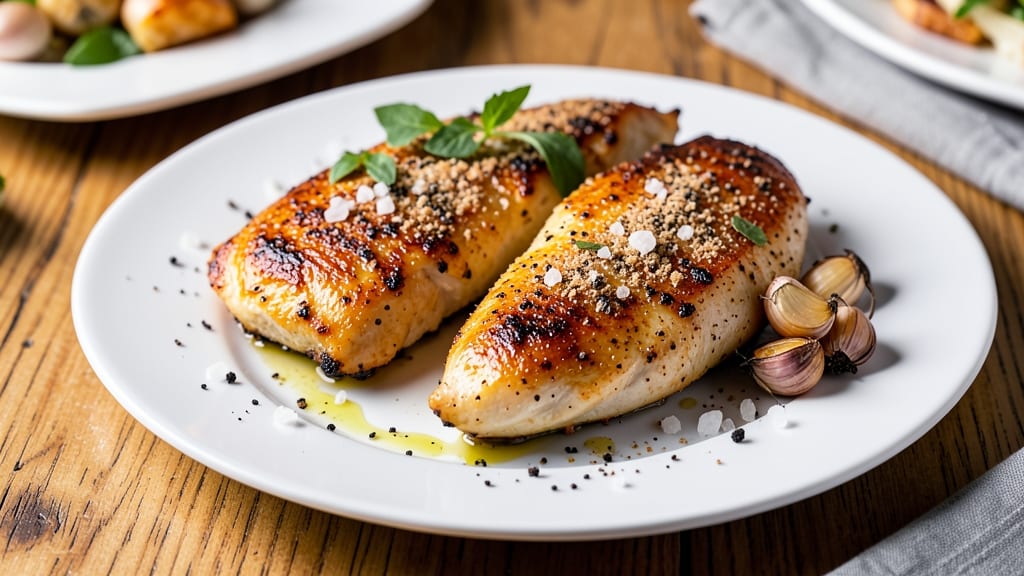
This baked frozen chicken breast recipe delivers restaurant-quality juiciness without the wait of thawing. The secret lies in a precise baking technique that transforms tough frozen meat into tender, flavorful pieces with crisp edges—all while keeping the centers perfectly moist.
I've perfected this method after years of testing, ensuring you never sacrifice texture for convenience again.
The process is surprisingly simple: season generously, bake at the right temperature, and let the chicken rest before serving. No need for brining or marinating—just high-quality seasoning and patience.
The key is baking at 375°F for about 50-60 minutes, depending on size, which allows the chicken to cook evenly without drying out.
What you'll end up with is golden-brown chicken that's crisp on the outside and impossibly tender inside, with juices flowing freely. The skin stays intact, locking in moisture, while the meat remains fork-tender.
This method works for 4-6 oz breasts, making it perfect for meal prep or a quick weeknight dinner.
Serve with roasted vegetables, mashed potatoes, or a fresh salad to round out the meal. The beauty of this recipe is its versatility—use it for sandwiches, salads, or as the star of your plate. Here's how to achieve perfect results every time.
Ingredients for baked frozen chicken breast
Precision seasoning and baking technique transform frozen chicken into restaurant-quality juicy bites.
| Ingredient | Amount | Notes |
|---|---|---|
| Boneless, Skinless Chicken Breasts 🍗 | 1 ½ lb | 4-6 oz each, frozen solid |
| Extra-Virgin Olive Oil 🫒 | 1 tbsp | High smoke point preferred |
| Diamond Crystal Kosher Salt 🧂 | 1 ½ tsp | Fine grain for even distribution |
| Freshly Ground Black Pepper 🌶️ | ½ tsp | Cracked peppercorns preferred |
| Garlic Powder 🧄 | 1 tsp | Freshly toasted for depth |
| Onion Powder 🧅 | ½ tsp | No added MSG |
| Smoked Paprika 🌶️ | ½ tsp | Spanish smoked preferred |
| Fresh Rosemary 🌿 | 1 tbsp | Finely chopped, fresh preferred |
| Fresh Thyme 🌿 | 1 tbsp | Leaves only, fresh preferred |
| Cornstarch 🌾 | 1 tbsp | Lightly coats for crispiness |
| Unsalted Butter 🧈 | 1 tbsp | Melted for basting |
| Lemon Juice 🍋 | 1 tbsp | Freshly squeezed |
The chicken breasts are the foundation—4-6 oz each ensures even cooking without drying out. Look for uniform thickness (about 1-inch) when frozen, as this prevents uneven doneness. Costco or Trader Joe's often carry pre-portioned frozen breasts, which streamline prep. If using larger breasts, pound them to even thickness before freezing. The key is ensuring they're completely frozen when starting—this prevents steam buildup during baking, which can make the meat rubbery. For best results, buy organic or free-range when possible, as the higher fat content yields juicier results.
No garlic powder? Fresh garlic minced at double the amount adds a brighter flavor profile. Substitute onion powder with 1/2 tsp onion salt plus 1/4 tsp extra kosher salt, but be mindful of sodium levels. The smoked paprika can be swapped for regular paprika, though you'll lose that subtle smokiness. For a herb shortcut, 1 tbsp dried Italian seasoning works at half the amount, but fresh herbs provide a more vibrant finish. The cornstarch and butter combo creates that coveted crispy exterior—don't skip it. If you're avoiding dairy, use olive oil instead of butter for basting, though the texture will be slightly less crisp.
Prep the chicken night before by seasoning and letting it sit uncovered in the fridge—this allows the spices to penetrate slightly before baking. Store any unused seasoning blends in airtight containers away from light for up to 6 months. The cooked chicken holds in the fridge for 3-4 days when stored in an airtight container, but it reheats best when warmed gently in a 350°F oven for 10-15 minutes to maintain moisture. For meal prep, portion into glass containers with a paper towel on top to absorb excess moisture, keeping it crisp for up to 2 days. Freeze cooked chicken for up to 3 months by wrapping tightly in plastic wrap and foil.
Why You'll Love This Recipe
- No Thaw Needed: I’ll admit, I used to dread forgetting to thaw chicken—until I discovered this trick. Toss frozen breasts straight onto the sheet pan with a drizzle of olive oil, salt, and pepper, then bake. The cold starts slow, but the garlic powder works its magic as it cooks, leaving you with juicy, flavorful chicken without any prep fuss.
- Crispy-Edge Magic: Between us, this isn’t just baked chicken—it’s transformed. The olive oil and salt create that golden, slightly crispy crust while the garlic powder infuses every bite with warm, savory depth. Honestly, it’s the kind of simple flavor combo that makes you want to eat it straight off the pan.
- Meal Prep MVP: I batch-make these on Sundays, and they last all week—whether I’m tossing them into salads, wraps, or just reheating with a sprinkle of extra salt. The texture holds up perfectly, and the garlic flavor only gets better as it sits. (Yes, even on a Tuesday night.)
- Budget-Friendly Hero: Frozen chicken breasts are my wallet’s best friend—cheaper than fresh, and just as versatile. With just oil, salt, and garlic powder, this recipe costs pennies per serving, yet tastes like I spent hours in the kitchen. My kids don’t even question why it’s always on the menu.
Step-by-step instructions for baked frozen chicken breast
Transform frozen chicken into perfectly juicy, flavorful breasts with this foolproof baking method.
Thaw and Season the Frozen Chicken
Remove the 1.5 lb boneless, skinless chicken breasts from the freezer and place them on a wire rack set over a baking sheet. Let them sit at room temperature for 15-20 minutes—this prevents sudden temperature shock when they hit the oven. While they're thawing, prepare your seasoning blend by combining the 1.5 tsp diamond crystal kosher salt, 0.5 tsp freshly ground black pepper, 1 tsp garlic powder, 0.5 tsp onion powder, and 0.5 tsp smoked paprika in a small bowl.
Once the chicken is slightly softened (you should be able to gently press your finger into the surface), pat each breast dry with paper towels. This step is crucial—moisture on the surface prevents the seasoning from adhering properly and can lead to steamed rather than browned skin. Using your hands, rub the seasoning mixture evenly over all sides of each breast, pressing gently to ensure the spices penetrate the surface. The herbs—1 tbsp finely chopped fresh rosemary and 1 tbsp fresh thyme leaves—can be sprinkled on top now or reserved for later basting if you prefer a more delicate herb presence.
Coat and Preheat for Optimal Browning
In a shallow dish, mix the 1 tbsp cornstarch with the 1 tbsp extra-virgin olive oil until it forms a fine, even coating. The cornstarch acts as a natural breading substitute, helping to create a crisp exterior while keeping the interior moist. Working in batches if needed, gently press each seasoned chicken breast into the cornstarch-oil mixture, coating all sides thoroughly. Place the coated breasts on a second wire rack set over a baking sheet—this allows air to circulate underneath, preventing soggy bottoms.
Preheat your oven to 425°F with the rack positioned in the middle position. The high heat is essential for achieving that golden-brown crust while ensuring the chicken cooks through evenly from its frozen state. While the oven preheats, melt the 1 tbsp unsalted butter in a small microwave-safe bowl for 15-20 seconds, then stir in the 1 tbsp freshly squeezed lemon juice. This basting mixture will be used later to add moisture and brightness to the chicken.
Bake Until Internal Temperature Reaches 165°F
Carefully transfer the coated chicken breasts to the preheated oven. Bake for 25-30 minutes, flipping each breast halfway through the cooking time at the 15-minute mark. This ensures even browning and prevents the tops from overcooking while the bottoms remain pale. The chicken is done when the internal temperature reaches 165°F at the thickest part of the breast—use a meat thermometer for accuracy. If the skin begins to brown too quickly, tent the chicken loosely with aluminum foil to prevent over-browning while it finishes cooking.
Here's the thing—frozen chicken requires patience. If the breasts aren't quite done at the 30-minute mark, continue baking in 5-minute increments until they reach the proper temperature. The cornstarch coating will give you a visual cue: the exterior should be golden brown and crisp, while the interior should be opaque and no longer translucent. Overcooking is the enemy of juicy chicken, so resist the urge to bake beyond this point.
Rest and Baste for Maximum Juiciness
Once the chicken reaches 165°F, remove it from the oven and transfer to a cutting board or clean plate. Let it rest for 5-10 minutes before serving—this resting period allows the juices to redistribute throughout the meat, preventing them from pooling and escaping when you cut into the chicken. While it rests, carefully pour the melted butter-lemon juice mixture over the breasts, letting it pool in the pan underneath. This basting step adds moisture and infuses the chicken with bright, herby flavor.
Slice the chicken against the grain for maximum tenderness and serve immediately. Each piece should be juicy with a crisp, golden-brown exterior and a flavor profile that balances the herby, smoky seasoning with the bright acidity of the lemon. The cornstarch coating ensures a satisfying texture contrast with every bite, while the internal temperature guarantee delivers perfect doneness every time—no more dry, overcooked chicken from frozen.
Pro Tips For Making Baked Frozen Chicken Breast
- USE HIGH HEAT FIRST: High heat. Seriously, crank it up to 425°F (220°C) for the first 10 minutes—this seals the surface and prevents soggy centers when baking frozen breasts. I used to bake at 375°F, and the result was always dry by the time the outside was done.
- PAT DRY THOSE BREASTS: Skip the thawing step but always pat the frozen chicken dry with paper towels before seasoning—even if it feels weird handling icy meat. The moisture evaporates during baking, so you’re not fighting steam that’ll turn your crust to mush.
- SALT BEFORE OIL: Season the breasts before drizzling olive oil—sprinkle kosher salt and garlic powder first, then rub the oil over the seasoning. This locks flavor into the surface instead of letting it pool in the pan (yes, even if you’re using a baking sheet).
- CHECK WITH A THERMOMETER: Stop guessing at 165°F. Use an instant-read thermometer—insert it into the thickest part, and pull the chicken when it hits that temp. I’ve pulled breasts at 160°F thinking they were done, only to have them turn rubbery while resting. No one wants that.
Best sauces and condiments for this recipe
Classic Garlic-Herb Sauce
This simple yet elegant sauce elevates your baked chicken to restaurant-quality. Sauté 3 minced garlic cloves in 2 tbsp olive oil over medium-low heat for 1 minute until fragrant.
Add 1 tbsp fresh parsley, 1 tbsp fresh thyme, 1 tbsp lemon juice, and 2 tbsp chicken broth. Simmer for 2 minutes, then drizzle over sliced chicken. The garlic's warmth and herbs complement the smoky paprika seasoning beautifully. 🌿
Creamy Dijon Mustard Glaze
For a tangy twist, blend ¼ cup Greek yogurt, 1 tbsp Dijon mustard, 1 tsp honey, and 1 tbsp fresh chives until smooth. Brush this glaze onto the chicken during the last 5 minutes of baking.
The mustard adds depth while the yogurt keeps the chicken moist. Serve with roasted potatoes for a hearty meal. 🍯
Spicy Honey Butter Sauce
Melt 2 tbsp butter with 1 tbsp honey and ½ tsp cayenne pepper in a small saucepan over low heat. Stir in 1 tsp lemon juice and 1 tsp chopped cilantro for a sweet-spicy kick.
Drizzle over sliced chicken for a bold flavor contrast. This sauce pairs perfectly with grilled vegetables or a fresh salad. 🌶️
Lemon-Caper Aioli
Whisk ½ cup mayonnaise, 1 tbsp lemon juice, 1 tsp capers, 1 minced garlic clove, and ½ tsp salt until smooth. Serve as a dip or spread on sandwiches with the chicken.
The briny capers and tangy lemon cut through the richness while enhancing the herbaceous notes. Store leftovers in an airtight container for up to 3 days. ✨
Honey-Mustard Pan Sauce
After removing the chicken from the pan, deglaze with 2 tbsp apple cider vinegar and scrape up any browned bits. Add 1 tbsp honey, 1 tbsp Dijon mustard, and 2 tbsp chicken broth, then simmer for 3 minutes until slightly thickened.
Pour over sliced chicken for a glossy finish. This sauce adds a perfect balance of sweet and tangy flavors. 🍯
Whipped Feta Sauce
For a Mediterranean touch, blend ½ cup crumbled feta, 2 tbsp Greek yogurt, 1 tbsp olive oil, 1 tsp lemon zest, and ½ tsp dried oregano until creamy. Spoon over sliced chicken and garnish with toasted pine nuts.
The salty feta and creamy yogurt create a luxurious pairing. Store in an airtight container for up to 2 days. 🧀
Nutrition facts
Frequently asked questions
Do I need to thaw frozen chicken breasts before baking?
No thawing is required! This recipe is specifically designed for frozen chicken. Simply let the frozen breasts sit at room temperature for 15-20 minutes before seasoning to prevent temperature shock. The baking method accounts for the frozen state, ensuring even cooking without drying out.
Why does my baked chicken turn out dry?
Overcooking is the most common cause. Always use a meat thermometer to check for 165°F internal temperature. The cornstarch coating helps retain moisture, but baking beyond this point causes juices to evaporate. For extra insurance, tent with foil if browning too quickly, then uncover to finish cooking.
Can I use this method for bone-in chicken breasts?
Yes, but adjust the cooking time. Bone-in breasts take 10-15 minutes longer to reach 165°F in the thickest part. The cornstarch coating still works, but monitor closely as bones conduct heat differently. Start checking internal temps at 40 minutes for 425°F baking.
How can I make this recipe ahead of time?
Cooked chicken stays fresh for 3-4 days in an airtight container. For meal prep, portion into glass containers with a paper towel on top to maintain crispness. Reheat gently in a 350°F oven for 10-15 minutes—microwaving can make it rubbery. Freeze for up to 3 months by wrapping tightly in plastic and foil.
What's the best way to slice for maximum tenderness?
Always cut against the grain—look for the muscle fibers running horizontally. This shortens the fibers, making each bite more tender. For 4-6 oz breasts, slice into ½-inch thick pieces after resting for 5-10 minutes to redistribute juices.