
Main Courses
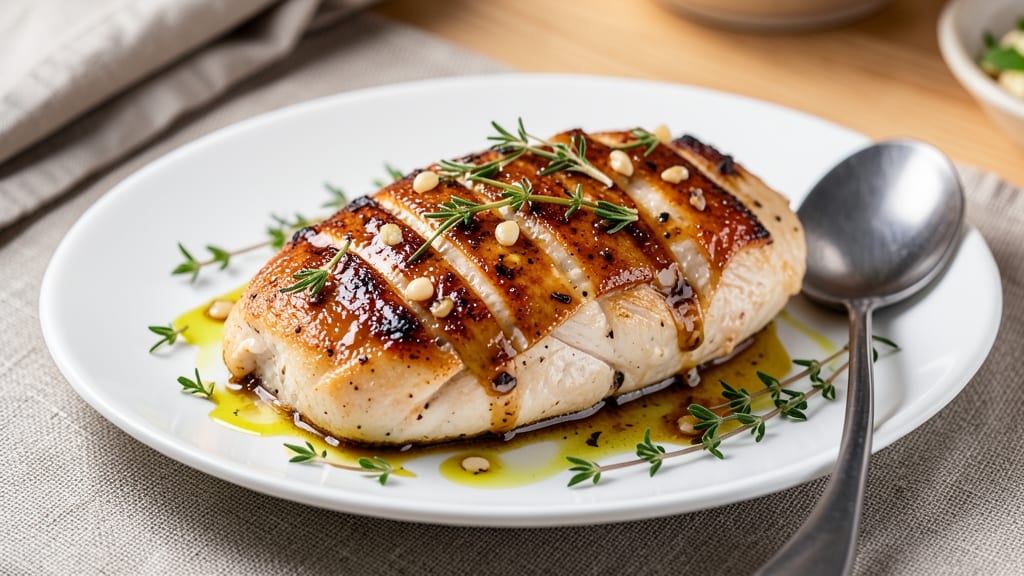
This baked Dijon chicken breast recipe delivers a perfect balance of crispy, tangy crust and impossibly juicy centers—no dryness in sight.
The secret lies in marinating the chicken overnight in a blend of Dijon mustard, garlic, and herbs, which infuses every bite with deep, complex flavor while keeping the meat tender. I’ve perfected this method after countless experiments, ensuring the crust stays golden and caramelized without sacrificing moisture inside.
The beauty of this recipe is its versatility—whether you’re serving it as a weeknight dinner or a showstopper for guests, the Dijon-infused crust elevates simple chicken into something restaurant-worthy.
The marinade does double duty by tenderizing the meat and creating a flavorful glaze when baked, so every slice is packed with that signature tangy, savory punch. Plus, it’s a foolproof method that works even with boneless breasts, which can be tricky to cook perfectly.
What you’ll end up with is chicken that’s crispy on the outside—thanks to a light breading of panko and parmesan—and so juicy it practically melts in your mouth. The Dijon adds a subtle depth that pairs beautifully with roasted vegetables, mashed potatoes, or even a fresh salad.
This isn’t just another chicken recipe; it’s a game-changer for anyone tired of bland, dry breast meat.
Ready in just 30 minutes (plus marinating time), this dish is perfect for meal prep or a last-minute dinner. The key is patience—letting the Dijon work its magic overnight makes all the difference. Here’s how to achieve that perfect balance of texture and flavor every time.
Ingredients for baked dijon chicken breast
Game-changing ingredients for restaurant-style Dijon chicken that’s crispy outside, juicy inside.
| Ingredient | Amount | Notes |
|---|---|---|
| Boneless, Skinless Chicken Breast 🍗 | 1 ½ lb | Pounded to even thickness |
| Dijon Mustard 🍯 | ¼ cup | High-quality, smooth variety |
| Garlic Cloves 🧄 | 6 cloves | Minced for marinade |
| Extra-Virgin Olive Oil 🫒 | ¼ cup | For richness and moisture |
| Fresh Rosemary 🌿 | ½ tsp | Finely chopped, stems removed |
| Fresh Thyme Leaves 🌿 | ½ tsp | Finely chopped |
| Panko Breadcrumbs 🍞 | ½ cup | Light and crispy |
| Parmesan Cheese 🧀 | ¼ cup | Freshly grated, fine |
| Diamond Crystal Kosher Salt 🧂 | 1 ½ tsp | For seasoning |
| Ground Black Pepper 🌶️ | ½ tsp | Freshly ground |
| All-Purpose Flour 🌾 | ¼ cup | For dredging |
| Large Eggs 🥚 | 1 whole | Beaten for egg wash |
| Butter 🧈 | 2 tbsp | Melted, for basting |
The Dijon mustard is non-negotiable here—Maille or Amora are my go-tos, but any high-quality brand works. Fresh herbs make all the difference, so grab rosemary and thyme from the grocery store’s fresh section (the ones in jars are fine, but fresh is better). The chicken breasts need to be evenly pounded—use a meat mallet or rolling pin to get them to about ½-inch thickness. This ensures even cooking and that perfect crispy crust. If you’re short on time, room-temperature chicken (taken out of the fridge 30 minutes before marinating) cooks more evenly.
No Dijon? Whole-grain mustard thinned with a splash of apple cider vinegar works in a pinch. Fresh herbs missing? Dried rosemary and thyme at one-third the amount get you close, but the flavor won’t be as bright. For the breading, Panko is a must—it stays crispy where regular breadcrumbs turn soggy. If you’re out of Parmesan, Pecorino Romano adds a sharper kick. The egg wash is crucial—beat the egg until frothy for a smoother, more even coating. And trust me on the melted butter basting—it keeps the crust golden and adds richness that dry-spraying can’t match.
Marinate the chicken overnight in the fridge for maximum flavor infusion. The marinade keeps for up to 5 days in an airtight container. Once breaded, the chicken stays crispy for about 20 minutes on the counter, so serve it immediately or reheat in a 350°F oven for 5-7 minutes. Leftovers? Portion into meal-prep containers—they reheat beautifully, though the crust might lose some crunch. For extra crispiness, broil for 1-2 minutes at the end, watching closely to avoid burning.
Why You'll Love This Recipe
- No-Fuss Prep: I swear by this recipe because it’s that easy—just rub the chicken with Dijon, olive oil, and minced garlic, then let the oven do the work. No brining, no basting, no stress.
- Tangy Crisp Magic: That Dijon mustard isn’t just flavor—it creates a golden crust while keeping the inside juicy. Add fresh rosemary, and you’ve got a dish that tastes like it simmered for hours (but didn’t).
- Lunchbox Hero: Between us, this chicken stays fresh in the fridge for days, making it my go-to for work lunches. Pack it with a sprinkle of salt, and it’s still delicious cold—no sad soggy sandwiches here.
- Budget Win: Chicken breasts are cheap, and this recipe stretches them perfectly. I’ve fed four people for under $15, and they’ll ask for seconds before the plate’s even empty. (Yes, even on a Tuesday night.)
Step-by-step instructions for baked Dijon chicken breast
Transform simple chicken breasts into restaurant-worthy bites with this tangy, crispy crust.
Pound and Marinate the Chicken
Place the 1.5 lb boneless, skinless chicken breast between two sheets of plastic wrap. Using a meat mallet, pound it to an even ½-inch thickness—this ensures even cooking and prevents dryness. The goal is to create uniform pieces that'll cook through perfectly.
In a small bowl, whisk together the 0.25 cup Dijon mustard, 0.25 cup extra-virgin olive oil, 6 minced garlic cloves, 0.5 tsp fresh rosemary, 0.5 tsp fresh thyme leaves, 1.5 tsp kosher salt, and 0.5 tsp black pepper. Rub this marinade generously over both sides of the pounded chicken. Let it sit at room temperature for 15-20 minutes—this allows the flavors to penetrate deeply and the chicken to come to temperature for even baking.
Create the Mustard Crust Mixture
In a shallow dish, beat the 1 whole large egg until just combined. In another dish, mix together the 0.5 cup panko breadcrumbs, 0.25 cup freshly grated Parmesan cheese, and an additional 0.5 tsp kosher salt. This combination creates a crispy, flavorful crust that'll hold up beautifully during baking.
Dredge each chicken breast first in the 0.25 cup all-purpose flour (shake off any excess), then dip into the beaten egg, and finally press into the breadcrumb mixture, coating evenly on both sides. The flour creates a barrier that prevents the egg from soaking into the breadcrumbs too quickly, ensuring maximum crispiness. Place the coated breasts on a wire rack set over a baking sheet—this allows air to circulate underneath for even browning.
Bake to Golden Perfection
Preheat your oven to 400°F. Bake the chicken for 20-25 minutes until the internal temperature reaches 165°F and the crust is deep golden brown. Here's the thing—don't open the oven door during baking. Every time you peek, you're letting heat escape and extending cook time, which can lead to dry chicken.
About halfway through baking (after 10-12 minutes), remove the chicken from the oven and brush or spoon 2 tbsp melted butter over the top. Return to the oven to finish baking. This basting step adds richness and helps create that beautiful caramelized crust. The butter should sizzle slightly when it hits the hot chicken—a sure sign you're on the right track.
Rest and Serve
Transfer the baked chicken to a cutting board and let it rest for 5-10 minutes before slicing. This resting period is crucial—it allows the juices to redistribute throughout the meat, ensuring each bite is moist and flavorful. If you slice too soon, all those delicious juices will pool on your plate instead of staying in the chicken.
Slice the chicken against the grain into ½-inch thick pieces. The crust should be crispy and golden, with a tangy Dijon kick that complements the juicy, tender centers. Serve immediately with a fresh herb salad or roasted vegetables to highlight the chicken's rich flavors. The contrast of temperatures and textures makes this dish truly special.
Pro Tips For Making Baked Dijon Chicken Breast
- Pound the Chicken Flat: I learned this the hard way—thin, even breasts cook faster and don’t dry out. Use a meat mallet or rolling pin to tap them to about ½-inch thickness, then score the surface lightly with a knife before seasoning. This helps the Dijon mustard cling better and ensures crisp edges.
- Use Whole Garlic Cloves: Peeling and mincing garlic takes time, but here’s the shortcut: smash whole cloves with the flat side of your knife, then press them into the chicken’s surface before baking. The skins soften and infuse flavor without the mess, and you’ll still get that deep, caramelized garlic taste.
- Bake at 400°F, Then Lower: Start hot to render moisture and set the crust, but after 10 minutes, drop the heat to 350°F. I used to bake it all at 375°F, and the mustard would burn before the chicken cooked through. The two-stage approach guarantees a golden crust without overcooking the center.
- Add a Splash of Olive Oil: The Dijon mustard is rich, but the chicken needs fat to brown properly. Brush the breasts with about 1 tablespoon of extra-virgin olive oil before baking—it creates a better seal, prevents sticking, and helps the rosemary crisp up instead of wilting into the pan. (Yes, even if you’re impatient like me.)
Wine and beer pairings for these flavors
White Wine Pairings
The tangy, mustard-forward flavors of this Dijon chicken call for a crisp white wine that won’t overpower but instead enhances the dish. I always reach for a dry Sauvignon Blanc from New Zealand—think Cloudy Bay or Kim Crawford.
The wine’s bright acidity and citrus notes cut through the richness of the crust while complementing the herbaceous rosemary and thyme. Serve it slightly chilled (45-50°F) to let the wine’s freshness shine alongside the chicken’s caramelized exterior. 🍷
Light Red Wine Options
For those who prefer red, a Pinot Noir from Oregon’s Willamette Valley—like Domaine Serene or La Crema—works beautifully. These wines offer delicate red fruit flavors and silky tannins that won’t clash with the Dijon’s tang.
Opt for a wine with about 12-13% alcohol to avoid overwhelming the dish. The subtle earthiness in these Pinots also pairs wonderfully with the rosemary in the marinade. 🍇
Beer Pairings
A Belgian witbier like Hoegaarden or Stella Artois brings a refreshing contrast with its coriander and citrus notes. The effervescence cleanses the palate between bites of the rich, crusty chicken.
For a hoppier option, try a German Helles lager—like Weihenstephaner Original—which balances the dish’s savory depth with its malty sweetness. Serve the beer well-chilled (40-45°F) to highlight its crispness. 🍺
Non-Alcoholic Options
Don’t overlook sparkling water with a splash of lemon juice and a pinch of sea salt—it’s a fantastic palate cleanser. For something more substantial, a ginger beer like Feather’s adds a spicy kick that mirrors the Dijon’s tang.
If you prefer a non-carbonated option, try unsweetened green tea chilled—its grassy notes complement the herbaceous flavors in the chicken. 💧
Wine Service Tips
Pour white wine into chilled glasses (I use 12-14 oz> stemware) and let it breathe for 5-10 minutes before serving to open up its aromas. For reds, decant if the bottle is young to soften tannins.
Always serve wine at the right temperature—overly warm white wine loses its crispness, while cold reds taste flat. A wine bucket** with ice and water keeps whites perfectly chilled without diluting them. ✨
Nutrition facts
Frequently asked questions
Why does the recipe call for pounding the chicken breasts?
Pounding the chicken to ½-inch thickness ensures even cooking and prevents dryness in the center. Thicker breasts often cook unevenly, leaving some parts overcooked while others stay underdone. The pounding also helps the marinade penetrate more deeply, giving you maximum Dijon flavor throughout.
Can I use whole-grain mustard instead of Dijon?
Yes, but with a modification! Mix ¼ cup whole-grain mustard with 1 tablespoon apple cider vinegar to thin it out. The texture will be slightly different, but you'll still get that tangy flavor. For best results, strain any large seeds to avoid a gritty crust.
How do I keep the crust from getting soggy?
Three key tricks: Pat the chicken dry before dredging, use a wire rack (not a baking sheet) for airflow, and avoid overcrowding. The flour dredge acts as a moisture barrier, and the panko stays crispy when air circulates underneath. If you must refrigerate before baking, do it for no longer than 1 hour.
What's the best way to reheat leftovers?
Reheat in a 350°F oven for 5-7 minutes to restore crispiness. Microwaving makes the crust rubbery. For extra crunch, broil for 1-2 minutes at the end, watching closely. Leftovers keep well for 3 days in the fridge or 2 months in the freezer (wrap tightly in foil).
Can I make this recipe with chicken thighs instead?
Increase baking time to 30-35 minutes and check for 165°F internal temperature. The thighs' higher fat content means they'll stay juicy longer. Reduce the marinating time to 2-3 hours (they don't need as long) and consider adding ½ teaspoon smoked paprika to the crust mixture for extra depth.