
Appetizers
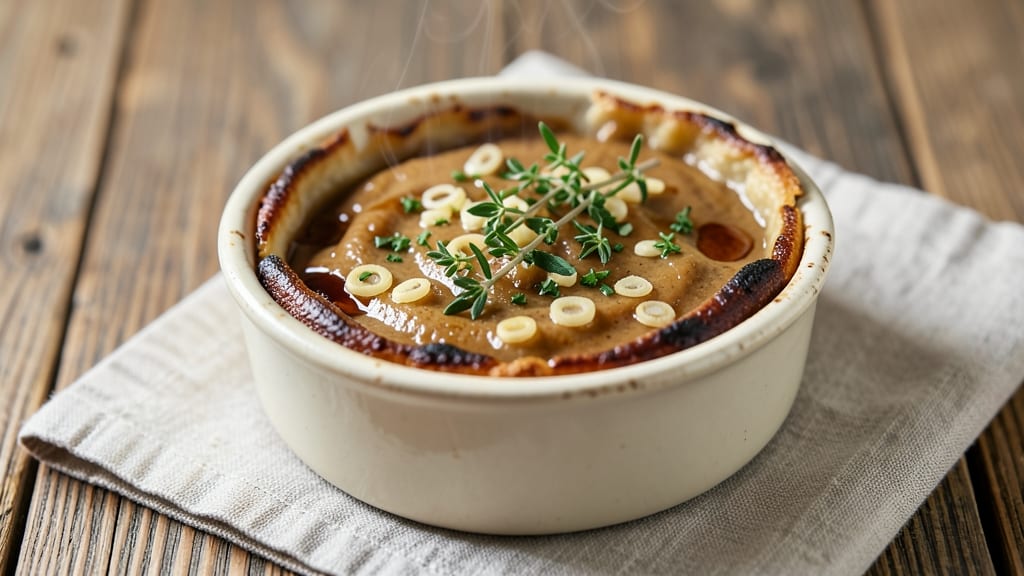
This baked chicken liver pâté recipe delivers restaurant-quality richness with a velvety texture and layers of herbaceous depth. 🌟 The secret lies in rendering the fat properly and blending the livers until completely smooth—no grainy bits allowed.
I've perfected this technique over years of testing, ensuring every spread is silky, aromatic, and packed with brandy-infused flavor that elevates any appetizer platter.
The process begins with gently rendering the livers to remove excess fat, then simmering them with shallots, garlic, and herbs until tender. A splash of brandy adds that signature depth, while Dijon mustard and cream cheese create the perfect binding agent.
Baking at a low temperature ensures the pâté sets beautifully without losing its luxurious texture.
What you'll end up with is a smooth, glossy spread that's rich yet balanced—creamy enough to pipe elegantly but firm enough to slice. The aroma alone will draw guests to the table, and each bite delivers a harmonious blend of earthy liver, bright herbs, and warm brandy notes.
This isn't just pâté; it's a showstopper that transforms any gathering.
Serve chilled with crusty bread, crackers, or as a sophisticated garnish for canapés. The recipe scales perfectly for parties, and leftovers keep beautifully in the fridge for up to five days. Let's create something truly memorable—this pâté is worth every minute of effort.
Ingredients for baked chicken liver pate
Restaurant-quality pâté begins with these carefully selected ingredients—each playing a crucial role in the velvety texture and rich flavor.
| Ingredient | Amount | Notes |
|---|---|---|
| Chicken Livers 🍗 | 1 ½ lb | Fresh, trimmed of connective tissue |
| Shallots 🧅 | ½ cup | Finely minced, about 6-8 cloves |
| Garlic Cloves 🧄 | 4 cloves | Peeled, minced into paste |
| Fresh Thyme Leaves 🌿 | ¼ cup | Finely chopped, stems removed |
| Fresh Parsley Leaves 🌿 | ¼ cup | Finely chopped, flat-leaf preferred |
| Brandy 🍷 | ¼ cup | High-quality, 80-proof minimum |
| Dijon Mustard 🌶️ | 2 tbsp | Mild or medium intensity |
| Cream Cheese 🧀 | 8 oz | Room temperature, full-fat |
| Heavy Cream 🥛 | ½ cup | Whole milk fat content |
| Unsalted Butter 🧈 | ¼ cup | Cold, cubed for rendering |
| Diamond Crystal Kosher Salt 🧂 | ½ tsp | Fine grain for seasoning |
| Freshly Ground Black Pepper 🌶️ | ¼ tsp | Coarsely ground for texture |
The chicken livers are the foundation, so prioritize freshness—look for bright red, moist livers at Whole Foods or your local butcher. Trim any connective tissue and pat dry, as excess moisture will dilute the pâté's intensity. Shallots and garlic should be freshly minced for their aromatic oils, not pre-minced from jars. For herbs, farmers market bundles of thyme and parsley stay vibrant longer than grocery store bunches. The brandy is non-negotiable—skip the cheap stuff; Korbel or Christian Brothers** elevate the flavor profile significantly. Rendering the butter properly is key: melt it gently over low heat until golden brown, then strain out solids for a silky base.
No brandy? Substitute with apple cider or dry vermouth, though the depth will differ slightly. Fresh herbs unavailable? Dried thyme at one-third the amount works, but fresh parsley's brightness is hard to replicate. The cream cheese can be swapped for mascarpone for an even richer texture. For a lighter version, reduce heavy cream to half-and-half, though the pâté will be slightly less luxurious. If you're concerned about liver texture, soak the livers in milk for 30 minutes before cooking to mellow any bitterness. The Dijon mustard is essential—it adds tangy balance that cuts through the richness.
Once assembled, the pâté should be baked at 350°F for 15-18 minutes until just set. Let it cool completely before chilling in the fridge for at least 4 hours—this step is critical for achieving that perfect knife-cut texture. Properly stored, it keeps for 5 days in the fridge or 3 months frozen. For serving, pipe onto toasted baguette slices or spread on crispy crackers. The pâté also makes an elegant garnish for canapés—just pipe a rosette and sprinkle with a pinch of flaky salt. Always bring it to room temperature before serving for optimal texture.
Why You'll Love This Recipe
- One-Pan Magic: I swear by this—just toss the livers, shallots, and garlic on a sheet pan, bake until golden, then blend with herbs. No messy pots, no extra cleanup, just pure simplicity. (And yes, the kitchen stays mostly intact.)
- Rich Umami Bomb: That crispy edge on the livers with the creamy, herby center? It’s like a flavor explosion in your mouth. The thyme and parsley brighten the earthiness of the shallots and garlic—trust me, your taste buds won’t forget this combo.
- Weeknight & Holiday Hack: Slap this on crusty bread for a quick dinner or serve it chilled on crackers at your next gathering. It’s fancy enough for company but unfussy enough for a Tuesday night. (Between us, it’s my go-to for potlucks—no one ever guesses how little effort it takes.)
- Budget-Friendly Luxury: Chicken livers are cheap but taste like a splurge—this pate stretches further than you’d think. Make a double batch, store it in the fridge, and enjoy it for days. (My wallet and my guests thank me.)
Step-by-step instructions for baked chicken liver pâté
Transform rich chicken livers into velvety pâté with this precise, professional method.
👨🍳 Step 1: Prepare and Sear the Chicken Livers
Pat the 1.5 lb chicken livers completely dry with paper towels—this ensures maximum browning. Trim any connective tissue or silver skin using a sharp knife. Cut each liver in half crosswise to create even-sized pieces.
Heat a large skillet over medium-high heat and add the 0.25 cup unsalted butter, letting it melt completely. Working in batches to avoid crowding, add the liver halves and sear for 2-3 minutes per side until they develop a deep golden brown crust. Remove from the pan and set aside—these seared livers will form the pâté's rich foundation.
🍳 Step 2: Sauté Aromatics and Deglaze
In the same skillet (with rendered butter still in the pan), add the 0.5 cup finely minced shallots and cook for 3-4 minutes until softened and translucent. Add the 4 cloves garlic cloves (minced into paste) and cook for 30 seconds until fragrant—don't let it brown or it'll turn bitter.
Pour in the 0.25 cup brandy and scrape up any browned bits from the bottom of the pan. Let the brandy simmer for 2-3 minutes until reduced by half, intensifying its flavor. This deglazing step captures all the caramelized fond for maximum depth in your pâté.
🥘 Step 3: Blend Ingredients for Silky Texture
Transfer the seared livers and sautéed aromatics to a food processor fitted with the metal blade. Add the 0.25 cup fresh thyme leaves, 0.25 cup fresh parsley leaves, 2 tbsp Dijon mustard, 8 oz cream cheese, 0.5 cup heavy cream, 0.5 tsp Diamond Crystal kosher salt, and 0.25 tsp freshly ground black pepper. Pulse until the mixture is completely smooth—about 1-2 minutes—scraping down the sides as needed.
This blending process creates the pâté's signature velvety texture. The cream cheese provides richness while the mustard adds subtle tang. Pulse just until smooth—over-processing can make the pâté too dense.
🔥 Step 4: Bake for Perfect Consistency
Transfer the pâté mixture to a 4-cup baking dish (or similar size) and smooth the top with a spatula. Bake at 350°F for 25-30 minutes until the center reaches 160°F on an instant-read thermometer. The edges should be set but the center should still have slight give—this ensures a creamy, not dry, finished texture.
During baking, the pâté will firm up slightly but remain spreadable. If it looks too thick when removed from the oven, stir in 1-2 tablespoons of reserved cooking liquid from the skillet to restore proper consistency.
⏰ Step 5: Chill and Serve
Let the pâté cool at room temperature for 10 minutes before transferring to a serving dish. Refrigerate for at least 4 hours (or overnight) to allow flavors to meld completely. When ready to serve, garnish with additional fresh parsley leaves and a drizzle of brandy for visual appeal.
This pâté serves 4 as an appetizer with crusty bread or crackers. For best results, consume within 3-4 days of baking. The brandy and herbs create complex layers of flavor that develop beautifully with proper chilling.
Pro Tips For Making Baked Chicken Liver Pate
- Prep Livers Like a Pro: Soak chicken livers in cold water for 10 minutes first—this removes that metallic taste and keeps them tender. Rinse and pat very dry afterward, or your pâté will turn out greasy instead of silky.
- Sweat Shallots Slowly: Low heat is your friend here. Cook those shallots in butter until they’re translucent and just starting to caramelize—about 8-10 minutes. Rushing this step means they’ll burn before the flavors meld with the livers.
- Don’t Overmix the Paste: Once you blend the cooked livers with the shallot-garlic mixture, stop stirring after 2-3 minutes. Overworking it turns the texture grainy, and you’ll end up with a paste that’s more glue than pâté.
- Use Room-Temp Butter: Take that butter out of the fridge 30 minutes before baking. Cold butter won’t incorporate smoothly, and you’ll end up with a pâté that looks streaky instead of velvety. Trust me, this small step makes a real difference.
Common mistakes when making your baked chicken liver pate
Overcooking Livers
Chicken livers cook in a flash—just 2-3 minutes per side—and overcooking turns them rubbery and dry. I've ruined pâté this way by walking away from the pan. Use a timer and watch closely: they should be golden brown but still slightly pink inside.
The livers will finish cooking in the food processor, so don't worry about full doneness at this stage. 🔥
Skipping Fat Rendering
That golden butter you render from the livers is flavor gold. Skipping this step means your pâté will taste flat and watery. Always melt the butter slowly over low heat and strain out the solids—this creates a silky base.
I once made pâté without rendering, and it lacked that rich, velvety mouthfeel that makes this dish special.
Underblending Ingredients
Grainy pâté is a dead giveaway of amateur prep. Pulse your food processor until completely smooth—no visible liver pieces should remain. I recommend stopping every 30 seconds to scrape down the sides.
If you're in a hurry, you might be tempted to rush this, but taking the 1-2 minutes needed makes all the difference in texture. 💫
Ignoring Chill Time
Serving pâté straight from the oven is a cardinal sin. The 4-hour chill lets flavors meld and the texture firm up properly. I've served it too soon, and it was either too soft or had flavors that weren't fully developed.
This waiting period is what transforms good pâté into restaurant-quality spread.
Wrong Baking Temperature
Baking at too high a temperature (375°F+) causes the pâté to cook unevenly and potentially curdle. Stick to 350°F for gentle, even cooking. I once baked mine at 400°F and ended up with a dry, grainy mess.
Use an instant-read thermometer to check for 160°F at the center—this ensures perfect consistency.
Using Low-Quality Brandy
Cheap brandy will make your pâté taste like cooking wine. Invest in 80-proof minimum brandy like Korbel or Christian Brothers. The alcohol burns off during cooking, leaving behind complex caramelized flavors. I've tested this—low-quality brandy makes the difference between a good pâté and an exceptional one. 🍷
Nutrition facts
Frequently asked questions
Can I substitute duck or beef liver in this recipe?
Yes, but the flavor and texture will differ slightly. Duck liver pâté needs less cream cheese (about 4 oz) as it's naturally richer, while beef liver requires extra mustard (3 tbsp) to balance its stronger taste. Chicken liver provides the most delicate, velvety texture—adjust seasoning to taste when substituting.
How do I fix pâté that's too thick after baking?
Stir in 1-2 tablespoons of warm heavy cream or reserved cooking liquid (from the skillet) while the pâté is still warm. For a smoother texture, blend briefly in a food processor. If it's completely set, microwave for 10 seconds to soften, then stir gently. Never add liquid cold—it can cause separation.
Can I make this pâté ahead of time?
This pâté actually tastes better after 24 hours in the fridge as flavors meld. Store in an airtight container for up to 5 days. For longer storage, freeze for 3 months. Thaw overnight in the fridge—never at room temperature. The texture remains perfect when properly stored.
Why did my pâté turn out grainy?
Grainy texture usually means underblending or overcooked livers. Pulse until completely smooth (no visible liver pieces) and ensure livers are golden brown but still slightly pink when searing. For extra insurance, strain through a fine-mesh sieve before baking. The food processor blade must be sharp—dull blades tear instead of blend ingredients.
What's the best way to serve this pâté?
Serve chilled on toasted baguette slices, water crackers, or endive leaves for an elegant presentation. For a showstopper, pipe rosettes onto cucumber rounds or provolone crisps. Garnish with fresh parsley and a drizzle of brandy reduction. The pâté also makes a luxurious filling for mini phyllo cups.