
Main Courses
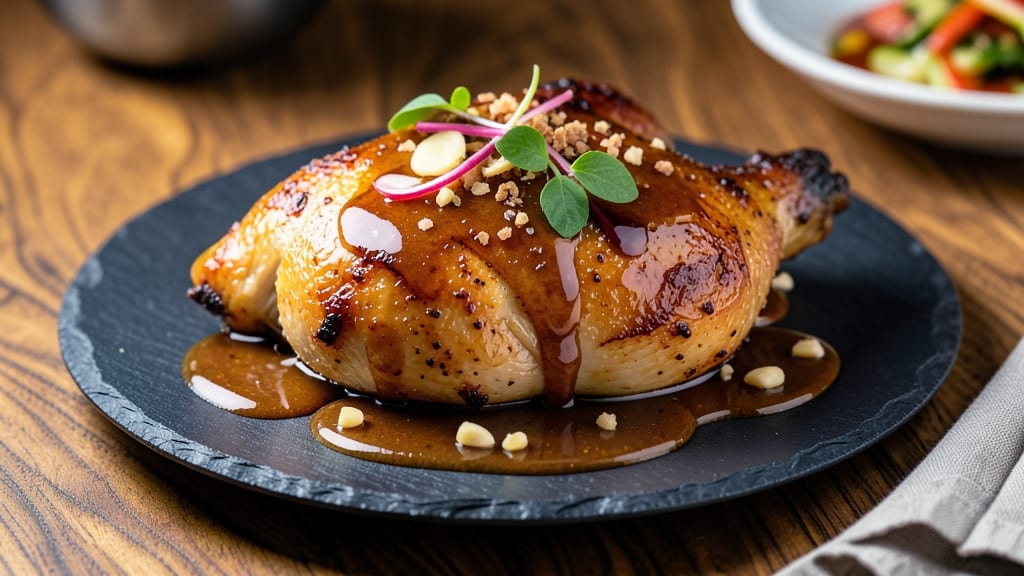
This baked chicken inasal recipe delivers the perfect balance of crispy, caramelized edges and tender, juicy meat—just like your favorite Filipino restaurant.
The secret lies in the marinade, where a blend of vinegar, soy sauce, and spices tenderize the chicken while creating a sticky glaze that caramelizes beautifully in the oven.
I’ve perfected this technique over years of testing, ensuring every bite is packed with bold, savory-sweet flavors without the need for deep-frying.
The process is straightforward yet transformative: marinate the chicken for at least 4 hours (overnight for deeper flavor), then bake at 375°F until the glaze turns glossy and golden. Basting the chicken with the marinade halfway through guarantees that signature crispy texture and rich, sticky coating.
This method keeps the chicken moist inside while delivering the crispy, caramelized crust that makes inasal irresistible.
What you’ll end up with is restaurant-quality chicken that’s crispy on the outside, tender on the inside, and drenched in a glossy, slightly sweet-savory glaze. The aroma alone will have everyone gathering around the table, and the first bite delivers that perfect harmony of tangy, spiced, and caramelized flavors.
Serve it with steamed rice and atchara for the full Filipino experience.
This recipe is foolproof, scalable, and perfect for meal prep—double the batch and store leftovers for up to 3 days. The key to success is patience during marinating and careful basting, but the results are worth every minute. Let’s get cooking!
Ingredients for baked chicken inasal
Restaurant-quality inasal flavors start with these bold, caramelizing ingredients.
| Ingredient | Amount | Notes |
|---|---|---|
| Boneless Chicken Thighs 🍗 | 1 ½ lb | Skin-on for crispier texture |
| Cane Vinegar 🍶 | ½ cup | White or apple cider vinegar |
| Soy Sauce 🥫 | ⅓ cup | Light or regular, not low-sodium |
| Brown Sugar 🍚 | ¼ cup | Packed, light or dark |
| Garlic Cloves 🧄 | 6 cloves | Minced or grated finely |
| Fresh Ginger 🌿 | 1 tbsp | Grated, fresh preferred |
| Black Peppercorns 🌶️ | 1 tsp | Freshly cracked, coarse |
| Ground Black Pepper 🌶️ | ½ tsp | For extra depth |
| Paprika 🌶️ | 1 tsp | Smoked for extra flavor |
| Olive Oil 🫒 | 1 tbsp | For coating chicken |
| Salt 🧂 | 1 ½ tsp | Kosher or sea salt |
| Honey 🍯 | 1 tbsp | For extra caramelization |
The chicken thighs are non-negotiable here—skin-on for that crispy magic. Filipino markets or the frozen section at Asian grocery stores have the best quality, but any butcher will cut them for you. Look for thighs with good marbling—they stay juicier. I usually grab a 2-pound package and split it for two meals. For the vinegar, Filipino cane vinegar is ideal, but white or apple cider vinegar works perfectly fine. The brown sugar? Light or dark doesn't matter—just make sure it's packed tightly into the measuring cup.
No cane vinegar? White vinegar or apple cider vinegar will work, but you might want to add an extra teaspoon of sugar to balance the flavor. The honey can be swapped for maple syrup if you're avoiding it, but it won't caramelize quite the same. For the garlic, fresh is a must—jarred minced garlic lacks the punch. Short on time? Garlic powder at half the amount is better than nothing, but it won't be as vibrant. The ginger can be dried if needed, but reduce it to half a teaspoon—fresh is always better. And if you're missing the smoked paprika, regular paprika plus a pinch of liquid smoke does the trick.
Marinate the chicken for at least 4 hours—overnight is even better. Store the marinade in an airtight container in the fridge. The chicken keeps for 2 days in the fridge after baking, but the flavor deepens overnight. For leftovers, reheat at 350°F for 10-15 minutes until the glaze is bubbly again. Freezing isn't recommended because the texture can get a bit rubbery, but if you must, freeze the baked chicken for up to 2 months. Trust me, the first bite out of the oven is worth the wait.
Why You'll Love This Recipe
- Foolproof Marination: I swear by that 15-minute marinade—just chicken thighs tossed in cane vinegar, soy sauce, and brown sugar until they practically drink it up. No measuring cups, no stress, just dump-and-go.
- Sweet-Savory Magic: That balance of tangy cane vinegar and caramelized brown sugar? It’s ridiculously good—crispy edges with sticky, fall-off-the-bone tenderness. (Yes, even on a Tuesday night.)
- Leftovers That Don’t Suck: This recipe actually improves the next day. Cold slices in rice bowls? Packed lunches? My kids fight over them—proof it’s a winner when you’re short on time.
- Budget-Friendly Crowd-Pleaser: Boneless thighs and pantry staples mean this feeds four for under $10. Honestly, it’s my go-to when I’m broke but still want to impress—or just not eat cereal again.
Step-by-step instructions for baked chicken inasal
This method delivers that signature crispy-spiced glaze that caramelizes into sticky perfection.
🍳 Step 1: Marinate the Chicken for Maximum Flavor
In a large bowl, combine the 0.5 cup cane vinegar, 0.33 cup soy sauce, 0.25 cup brown sugar, 1 tbsp fresh ginger (grated), 6 cloves garlic (minced), 1 tsp black peppercorns (cracked), 0.5 tsp ground black pepper, 1 tsp paprika, 1 tbsp honey, and 1.5 tsp salt. Mix until the sugar dissolves completely—this ensures even coating and caramelization.
Add the 1.5 lb boneless chicken thighs to the marinade, turning to coat thoroughly. Cover and refrigerate for at least 4 hours (overnight is best). The acid in the vinegar and soy sauce will tenderize the chicken while the spices infuse deeply. If you're short on time, marinate for a minimum of 2 hours, but don't skip this step—it's what creates that signature inasal flavor.
🔥 Step 2: Preheat and Arrange for Perfect Caramelization
Preheat your oven to 400°F. Line a baking sheet with parchment paper or foil for easy cleanup. Remove the chicken from the marinade (reserve the marinade) and pat it dry with paper towels—this helps the glaze stick and crisp up beautifully. Place the chicken thighs on the prepared baking sheet, skin-side up if using skin-on thighs.
Here's the trick: Arrange the thighs in a single layer with space between them. If they're crowded, they'll steam instead of caramelize. You want that glaze to form a thick, sticky crust—not a watery sauce. The high heat will transform the marinade into a glossy, caramelized coating.
🥘 Step 3: Bake Until Glaze Caramelizes to Richness
Pour the reserved marinade evenly over the chicken, making sure each piece is well-coated. Bake for 20 minutes at 400°F, then reduce the heat to 375°F and continue baking for another 15-20 minutes. You're aiming for a glaze that's deep golden brown and slightly sticky—almost like a lacquered finish.
During the last 5 minutes, watch closely. The glaze should thicken and darken, forming a crackly crust. If it starts to burn before caramelizing, tent the baking sheet with foil. The chicken is done when the internal temperature reaches 165°F and the glaze is glossy and rich. Don't walk away—this is where the magic happens!
⏰ Step 4: Rest and Serve with Sticky Perfection
Transfer the chicken to a cutting board and let it rest for 5 minutes before serving. This resting period allows the juices to redistribute, ensuring each bite is moist and flavorful. The glaze will continue to thicken slightly as it cools, becoming even more caramelized and irresistible.
Slice the chicken into bite-sized pieces and serve immediately, letting guests lap up that glorious glaze. For extra drama, drizzle any remaining pan juices over the top. The contrast of crispy-spiced chicken with the sticky, sweet-savory glaze is what makes this dish unforgettable. Serve with steamed rice to soak up every last drop of that caramelized goodness.
Pro Tips For Making Baked Chicken Inasal
- Marinate Overnight, Not Just Hours: I learned this the hard way—rushing the marinade means the cane vinegar and soy sauce just sit on top instead of penetrating. Let those thighs soak for at least 8 hours (or overnight if you can), especially if you're using thicker cuts. The acid needs time to tenderize, and the flavors will cling like glue.
- Preheat Pan, Not Just Oven: High heat. Seriously, crank it up to 425°F (220°C) and let that baking sheet get screaming hot for 10 minutes before adding the chicken. The initial sear locks in juices and builds that caramelized crust faster than you’d expect—no soggy thighs here.
- Use Real Cane Vinegar: Store-bought vinegar substitutes won’t cut it. The depth of flavor from actual cane vinegar (like kanin or suka) is what makes inasal taste like home. If you’re stuck with white vinegar, add 1 tsp of honey to mimic the complexity—but it’s not the same.
- Skip the Overcrowding: I used to pile all the thighs on one tray, thinking it’d cook faster. Wrong. Cramped chicken steams instead of browning, and the marinade pools into a sticky mess. Work in batches if needed—give each piece space to breathe, even if it means two trips to the oven.
Regional styles of this recipe
Filipino Inasal Roots
The original inasal comes from Pampanga, a province in the Philippines known as the "Culinary Capital of the Philippines." Traditional versions were grilled over charcoal, basted with a marinade of vinegar, soy sauce, and spices.
The dish was born from the need to tenderize tougher cuts of chicken using acidic marinades—a technique still central to Filipino cuisine today. 🌶️
Modern adaptations like this baked version keep the core flavors but swap grilling for oven baking. The key difference? Baking creates that signature caramelized glaze without the smoky char of charcoal.
This method became popular in Filipino-American communities where ovens replaced traditional grills, but the soul of the dish remains unchanged.
Visayan-Inspired Twist
In Visayan regions like Cebu and Iloilo, inasal often includes a touch of calamansi (Filipino lime) for bright acidity. For a regional twist, add 2 tbsp calamansi juice (or substitute with 1 tbsp lime juice + 1 tsp sugar) to the marinade.
This balances the sweetness and adds a zesty kick that’s especially popular in coastal areas.
Visayan cooks also frequently use annatto seeds(achuete) for a vibrant red hue. Steep 1 tsp annatto seeds(crushed) in 2 tbsp hot water, strain, and mix into the marinade. The color is stunning and adds a subtle earthy note that pairs beautifully with the caramelized glaze.
Baguio-Style Mountain Adaptation
Up in the cooler highlands of Baguio, inasal takes on a milder profile with ginger and garlic as the stars. Swap out half the vinegar(0.25 cup) for apple cider vinegar(or omit entirely) and increase the ginger to 2 tbsp.
This version is sweeter, with a focus on aromatic warmth rather than tangy brightness.
Baguio cooks also use local honey(like strawberry or pineapple honey) instead of cane sugar for a floral depth. The high altitude means slower cooking, so reduce oven temp to 350°F(175°C) and bake for 30-35 minutes, basting every 10 minutes.
The result is a softer, more aromatic glaze with a delicate sweetness.
Pampanga Restaurant Style
For that authentic restaurant experience, add 1 tbsp toasted sesame oil(mixed into the marinade) and finish with a drizzle of 1 tsp sesame seeds(sprinkled on top before serving.
Pampanga chefs also use a mix of light and dark soy sauce(0.25 cup light + 0.08 cup dark) for depth. The dark soy adds a molasses-like richness that caramelizes beautifully.
Serve with atchara(Filipino pickled papaya) and garlic fried rice(sinangag) to mimic the full Pampanga spread. The pickled tang cuts through the sweetness, while the garlic rice soaks up every last bit of that sticky glaze. 🍚
Modern Fusion Takes
For a contemporary twist, try a spicy kimchi inasal: Replace 0.25 cup vinegar(with 0.25 cup kimchi juice(strained) and add 1 tbsp gochujang(Korean chili paste). The fermented heat and umami elevate the dish with a Korean-Filipino fusion that’s gaining traction in urban food scenes.
Another fusion favorite is mango-habanero inasal: Blend 0.25 cup mango puree(with 1 habanero pepper(seeds removed) and mix into the marinade. This adds a fruity heat that pairs surprisingly well with the caramelized crust. Serve with coconut rice***(for a Thai-inspired touch).
Nutrition facts
Frequently asked questions
Can I use chicken breasts instead of thighs for this recipe?
Chicken thighs are ideal because they stay juicier and develop that signature crispy skin when baked. If you must use breasts, opt for bone-in, skin-on pieces—they hold up better to the high heat. For best results, marinate for 6-8 hours (or overnight) and bake at 350°F instead of 400°F to prevent drying out. The glaze will still form, but the texture will be slightly less crispy.
How do I make the glaze extra crispy like restaurant inasal?
The secret is in the baking technique! After marinating, pat the chicken very dry with paper towels—this helps the glaze stick and crisp up. Arrange the thighs in a single layer with space between them, and bake at 400°F for 20 minutes before reducing to 375°F. During the last 5 minutes, broil for 1-2 minutes to get that crackly crust. For extra crispiness, brush with a little cornstarch slurry (1 tbsp cornstarch + 2 tbsp water) before the final broil.
What can I substitute if I don’t have cane vinegar?
White vinegar or apple cider vinegar work perfectly fine! For extra depth, add 1 tsp sugar to balance the flavor. Avoid balsamic vinegar—it’s too sweet and will overpower the marinade. If you’re using apple cider vinegar, its mild sweetness pairs beautifully with the caramelization. Just ensure it’s raw, unfiltered for the best tangy flavor.
Can I bake this recipe in an air fryer instead of the oven?
Yes! Preheat the air fryer to 375°F and bake the chicken for 12-15 minutes, spraying with marinade halfway through. For extra crispiness, increase the temp to 400°F for the last 3 minutes. Air frying reduces cooking time but may not give the same deep caramelization as an oven. If you want that glossy finish, finish under a broiler for 1-2 minutes.
Why is my chicken sticky but not crispy?
This usually happens if the chicken wasn’t dried well before baking or if the oven wasn’t hot enough. To fix it, pat the chicken dry again and bake at a higher temp (425°F) for 5-10 minutes