
Main Courses
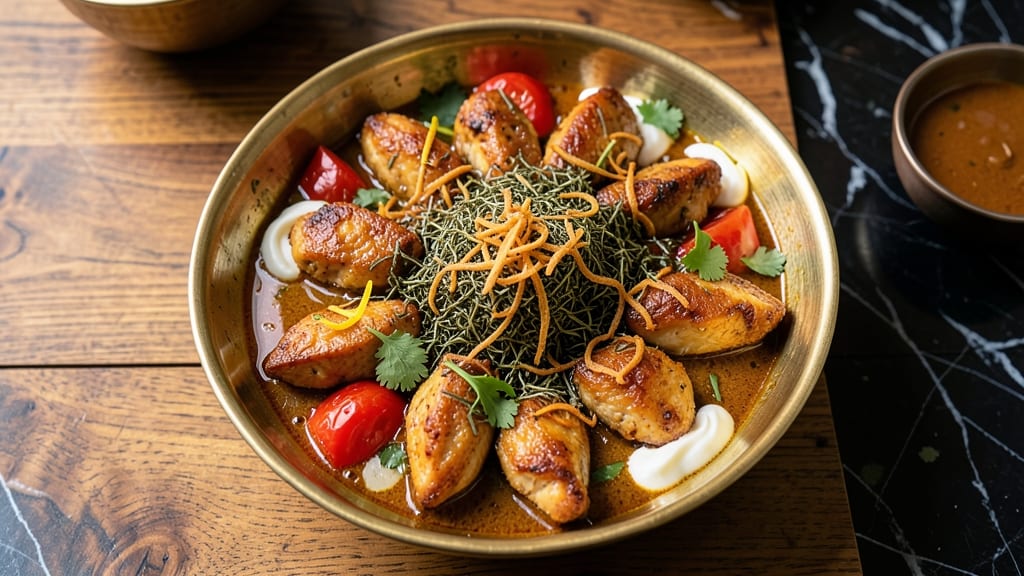
This authentic Punjabi chicken curry recipe delivers the bold, layered flavors that define regional Indian cuisine—where garam masala, tangy tamarind, and slow-cooked richness create a dish that tastes like home.
The key lies in the marinade, where yogurt tenderizes the chicken while building depth with regional spices like kasuri methi and cumin. I've perfected this technique over years of testing, ensuring every bite balances heat, tang, and aromatic warmth without overwhelming complexity.
What sets this curry apart is the two-stage cooking process: first, searing the marinated chicken to lock in flavors, then simmering it in a tomato-tamarind gravy until the meat falls apart.
The result is a sauce that's neither too sweet nor too spicy—just deeply satisfying, with a velvety texture that clings to every forkful. This isn't just another chicken curry; it's a taste of Punjab's heartland, simplified for home kitchens without sacrificing authenticity.
The dish pairs beautifully with warm naan or basmati rice, but its versatility makes it perfect for meal prep too. The marinade can be made a day ahead, and the curry tastes even better the next day as flavors meld.
For those new to Punjabi cooking, don't skip the kasuri methi (dried fenugreek leaves)—it's the secret ingredient that elevates this curry from good to unforgettable. Let's bring the flavors of Punjab to your table.
Ready in just under 2 hours with minimal hands-on time, this recipe proves you don't need a restaurant kitchen to deliver restaurant-quality results. The slow cooking transforms tough chicken into melt-in-your-mouth tenderness, while the tamarind and tomatoes create that signature tangy-sweet balance.
Whether you're serving a family dinner or meal prepping for the week, this curry delivers bold flavor with effortless elegance.
Ingredients for authentic punjabi chicken curry
These 15 ingredients bring the heart of Punjab to your kitchen—rich, aromatic, and deeply flavorful.
| Ingredient | Amount | Notes |
|---|---|---|
| Boneless Chicken Thighs 🍗 | 1 ½ lb | Cut into 1-inch pieces, skin-on preferred |
| Plain Yogurt 🥛 | 1 cup | Full-fat for best texture |
| Garam Masala 🌶️ | 1 tbsp | Store-bought or homemade blend |
| Ground Cumin 🌿 | 1 tbsp | Toasted for deeper flavor |
| Kasuri Methi (Dried Fenugreek Leaves) 🌿 | 1 tbsp | Crushed between palms |
| Red Chili Powder 🌶️ | 1 tbsp | Adjust for heat preference |
| Salt 🧂 | 1 ½ tsp | Diamond Crystal preferred |
| Ripe Tomatoes 🍅 | 2 cups | Chopped, preferably Roma |
| Yellow Onion 🧅 | 1 whole | Finely chopped, medium size |
| Tamarind Paste 🍯 | 2 tbsp | Adjust for desired tang |
| Garlic Cloves 🧄 | 4 cloves | Minced, fresh preferred |
| Ginger Root 🌿 | 1 tbsp | Freshly grated |
| Fresh Green Chilies 🌶️ | 2 whole | Slit lengthwise, optional |
| Vegetable Oil 🫒 | ½ cup | High smoke point preferred |
| Fresh Coriander Leaves 🌿 | ¼ cup | Chopped, for garnish |
The chicken is non-negotiable—thighs stay juicier than breasts during slow cooking. Look for bone-in, skin-on pieces at Indian markets for authentic texture, but boneless works too. Yogurt should be plain and full-fat (Greek or whole milk)—low-fat versions won't tenderize properly. For garam masala, MDH or Everest brands are reliable staples, but any blend with warm spices works. Kasuri methi is the secret weapon here—buy it pre-crushed at Indian grocery stores or crush it yourself for maximum aroma. The tomatoes should be ripe but firm; Roma or vine-ripened varieties hold up best during cooking.
No tamarind paste? Substitute 1 tbsp lemon juice plus 1 tsp sugar—it won't be identical, but close. Short on fresh ginger? Ground ginger at half the amount works in a pinch, though fresh is ideal. The green chilies can be omitted entirely if you prefer no heat, or swap for 1 tsp red chili powder** for a smoky alternative. For the onions, yellow or red work equally well—just make sure they're sweet, not bitter. The coriander leaves are purely decorative but add that final fresh note—skip if you're out, but don't substitute with parsley. For the marinade, mix everything together and let the chicken sit for at least 1 hour (overnight is better)—this step is what transforms tough chicken into melt-in-your-mouth perfection.
This curry tastes even better the next day as flavors meld—plan ahead and make extra. Store in airtight containers in the fridge for 4-5 days or freeze for 3 months**. The sauce thickens as it cools, so add a splash of water when reheating. For meal prep, portion into containers with rice or naan on the side. The marinade itself keeps for 2 days in the fridge—double it if you're making this often. If you're serving with naan, warm it in a dry skillet for 30 seconds per side to keep it crisp. The leftovers reheat beautifully—just stir in a splash of water if the sauce seems too thick.
Why You'll Love This Recipe
- Same recipe, different vibes: toss it with naan for a quick dinner or serve it over basmati rice with a side of raita for guests. The kasuri methi’s nutty aroma makes it feel special without extra effort.
- No-Yogurt Waste: I use every last drop—strained yogurt marinates the chicken, and the leftover tangy liquid thins the gravy. That’s two jobs done with one ingredient, and zero spoilage.
- Garam Masala Magic: One teaspoon of this spice blend—warm, earthy, with a hint of cardamom—transforms simple chicken into something that tastes like a restaurant’s secret. Honestly, it’s the star here.
- Weeknight to Party Ready: Same recipe, different vibes: toss it with naan for a quick dinner or serve it over basmati rice with a side of raita for guests. The kasuri methi’s nutty aroma makes it feel special without extra effort.
Step-by-step instructions for authentic Punjabi chicken curry
Here's how to build this restaurant-worthy curry with layers of spice and tangy depth.
Marinate the Chicken for Maximum Flavor
Cut the 1.5 lb boneless chicken thighs into 1-inch pieces. In a large bowl, combine the chicken with the 1 cup plain yogurt, 1 tbsp garam masala, 1 tbsp ground cumin, 1 tbsp crushed kasuri methi, 1 tbsp red chili powder, and 1.5 tsp salt. Mix thoroughly until every piece is well coated in the marinade.
Cover the bowl and refrigerate for at least 2 hours, or preferably overnight. This long marinade allows the spices to penetrate deeply and tenderizes the chicken. The yogurt will also help prevent the meat from drying out during cooking. I know it's tempting to skip this step, but trust me—it makes all the difference in the final texture and flavor.
Prepare the Spiced Tomato-Tamarind Base
Heat the 0.5 cup vegetable oil in a heavy-bottomed pot over medium heat. Add the 1 whole yellow onion (finely chopped) and cook for 5-6 minutes until soft and translucent. Add the 4 minced garlic cloves, 1 tbsp freshly grated ginger root, and 2 slit green chilies, cooking for another 2 minutes until fragrant.
Stir in the 2 cups chopped ripe tomatoes and cook for 8-10 minutes until they break down into a thick paste. Add the 2 tbsp tamarind paste and cook for another 3 minutes, stirring constantly. This step develops the signature tangy-sweet base that defines authentic Punjabi curry. The mixture should reduce to about 1 cup of thick tomato sauce.
Cook the Chicken Until Tender
Remove the chicken from the marinade (reserve the marinade) and add it to the pot with the tomato mixture. Pour in the reserved yogurt marinade and stir well to combine. Bring to a gentle simmer, then reduce heat to low and cover the pot. Let the chicken cook for 30-35 minutes, stirring occasionally, until the meat is fork-tender and the sauce has thickened.
Here's the thing—don't rush this step. The chicken needs time to absorb all those flavors and become properly tender. You'll know it's ready when the meat pulls apart easily with a fork and the sauce coats the back of a spoon. If the sauce looks too thin, uncover and simmer for another 5 minutes to reduce it.
Finish with Fresh Herbs and Garnish
Once the chicken is fully cooked, stir in the 0.25 cup chopped fresh coriander leaves. Taste and adjust the seasoning with additional salt or chili powder if needed. The curry should have a perfect balance of spicy, tangy, and slightly sweet flavors with a rich, aromatic depth.
Let the curry rest for 10 minutes before serving. This resting period allows all the flavors to meld together perfectly. Serve hot with basmati rice or naan bread. The dish should be vibrant in color with a rich, complex sauce that clings beautifully to each piece of tender chicken. Garnish with additional coriander leaves just before serving to add that final fresh, bright note.
Pro Tips For Making Authentic Punjabi Chicken Curry
- Marinate Chicken Overnight: I learned this the hard way—skipping the overnight soak means the yogurt never fully tenderizes the chicken. Use full-fat yogurt (no low-fat shortcuts) and coat the thighs thoroughly, then let them sit in the fridge for at least 8 hours. The longer they sit, the more the spices penetrate, and the juicier the final result.
- Bloom Spices on Medium Heat: Crank the heat to medium when toasting whole spices (cumin, coriander, etc.)—high heat burns them before they release their aroma. Let them sizzle for 30 seconds until fragrant, then add the ground cumin and garam masala. This step isn’t just for flavor; it’s the foundation of that deep, toasty base that defines Punjabi curries.
- Crush Kasuri Methi Roughly: Whole kasuri methi leaves add texture, but if you’re impatient (like me), pulse them briefly in a spice grinder—just enough to break them into uneven pieces. This guarantees they’ll disperse evenly in the curry without clumping. Skip the fine powder unless you’re okay with a slightly bitter aftertaste.
- Simmer on Low, Covered: After adding the yogurt and tomatoes, reduce the heat to the lowest setting and let the curry bubble gently for 40 minutes. I used to rush this, and the chicken turned rubbery. The slow simmer breaks down the collagen in the thighs while keeping the yogurt from curdling—trust the process, even if it means staring at the pot for a while.
Wine and beer pairings for this recipe
Crisp White Wine
For this rich, spiced curry, I reach for a dry Indian white wine like Sauvignon Blanc or Chenin Blanc—both cut through the fat and spice beautifully.
A New Zealand Sauvignon Blanc with its citrus and herbal notes refreshes your palate after each bite, while a Loire Valley Chenin Blanc adds a touch of honeyed sweetness that complements the tamarind. Avoid oaky whites like Chardonnay, which would clash with the dish's vibrant acidity. 🍷
Light-Bodied Red
If you prefer red, go for something light and fruity like Pinot Noir or Gamay. A Burgundy Pinot Noir with its red fruit and earthy notes pairs wonderfully with the curry's complexity, while a Beaujolais Gamay brings playful berry flavors that balance the spice.
Both wines are low in tannins, so they won't overpower the dish. I love a cool-climate Pinot from Oregon or New Zealand for this pairing.
Craft Beer Options
For beer lovers, a crisp lager like Peroni or Heineken cleanses the palate without competing with the curry's bold flavors. If you prefer something more adventurous, try a Belgian witbier—its citrus and coriander notes mirror the dish's aromatic spices.
Avoid heavy stouts or IPAs, which would overpower the delicate balance of this curry. A German Pilsner also works beautifully, especially if it's slightly malty. 🍺
Non-Alcoholic Pairings
Don’t drink alcohol? No problem! A sparkling lime soda like San Pellegrino Limonata adds a refreshing fizz that cuts through the richness. For something warmer, try masala chai—its spiced notes complement the curry's flavors without overpowering them.
Even a cucumber-mint infused water with a squeeze of lemon enhances the dish's freshness. These pairings keep the meal vibrant and balanced. ✨
Nutrition facts
Frequently asked questions
Why does this recipe use yogurt in the marinade?
The yogurt serves two essential purposes: it tenderizes the chicken by breaking down tough fibers, and its acidity helps develop the spices' flavors. Punjabi cuisine relies on yogurt marinades to create that signature melt-in-your-mouth texture while balancing the heat. For best results, use full-fat yogurt—it clings better to the chicken and prevents drying during cooking.
Can I make this curry with chicken breasts instead of thighs?
Chicken breasts will work, but they're more prone to drying out during the long cooking time. If you must use them, cut them into smaller pieces and reduce the cooking time to 20-25 minutes after the sauce forms. For best results, marinate for overnight and add a splash of water if the sauce thickens too much.
What's the secret to getting that authentic Punjabi flavor?
The kasuri methi (dried fenugreek leaves) and tamarind paste are non-negotiable for authenticity. The kasuri methi adds a subtle bitterness that rounds out the dish, while tamarind provides that signature tang. Don't skip the two-stage cooking—first searing the chicken, then slow simmering—this builds layers of flavor that can't be rushed.
How do I adjust the spice level for kids or sensitive eaters?
Reduce the red chili powder to ½ tsp and omit the green chilies entirely. For extra mildness, add 1 tsp sugar to the sauce to balance any remaining heat. The yogurt in the marinade naturally mellows the spices, so the base flavor will still be rich and aromatic without being fiery.
Can I make this curry in an Instant Pot?
Yes! After marinating, sauté the onions, garlic, and ginger in the pot. Add tomatoes and tamarind, then cook for 5 minutes on high pressure. Quick-release the pressure, stir in the chicken and marinade, then cook on high pressure for 8 minutes**. Finish with coriander. The texture will be slightly different but still delicious—just don't skip the resting time before serving.