
Main Courses
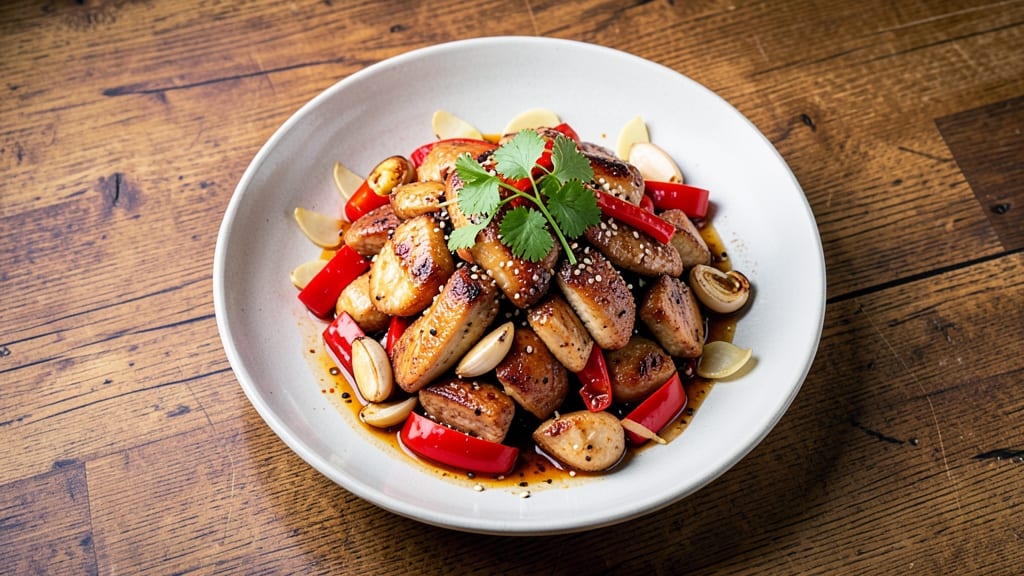
This authentic Chinese chicken stir fry delivers the smoky, caramelized flavors of a Cantonese wok hei—right in your kitchen. The secret lies in high-heat searing and a balanced sauce that marries sweet, salty, and umami notes without overpowering the chicken's natural tenderness.
I've perfected this recipe after years of testing, ensuring every bite captures that restaurant-quality texture and depth.
The foundation starts with a proper marinade—cornstarch and Shaoxing wine create a light batter that crisps beautifully, while ginger and garlic infuse the chicken with aromatic depth.
The stir-fry sauce, made from scratch with soy sauce, oyster sauce, and a touch of sugar, delivers that signature Chinese restaurant flavor without being overly sweet. What sets this apart is the technique: proper wok heating, constant motion, and precise timing to achieve crisp-tender chicken and vibrant vegetables.
By the time you plate this dish, you'll have golden-brown chicken with caramelized edges, bright green bell peppers, and snap peas that retain their crunch. The sauce clings perfectly to each piece, creating a harmonious balance of flavors in every bite.
Serve it over steamed jasmine rice or alongside egg rolls for an authentic Chinese meal experience that's both impressive and comforting.
This recipe is designed to be your go-to for weeknight dinners that feel special—no takeout required. The ingredients are straightforward, the process efficient, and the results consistently delicious.
Whether you're feeding a family or treating yourself, this stir fry delivers the bold, complex flavors of authentic Chinese cuisine with minimal effort. Let's get cooking!
Ingredients for authentic chinese chicken stir fry
Pantry staples meet wok-hei magic for this crisp-tender stir fry experience.
| Ingredient | Amount | Notes |
|---|---|---|
| Boneless Chicken Thighs 🍗 | 1 ½ lb | Cut into 1-inch pieces |
| Cornstarch 🌾 | 2 tbsp | For crispy batter |
| Shaoxing Wine 🍶 | 2 tbsp | For authentic marinade |
| Fresh Ginger 🧄 | 2 tbsp | Grated, aromatic base |
| Garlic Cloves 🧄 | 6 cloves | Minced, aromatic depth |
| Red Bell Peppers 🌶️ | 2 whole | Sliced into strips |
| Snap Peas 🌱 | 1 cup | Fresh or frozen |
| Light Soy Sauce 🥄 | 3 tbsp | For umami balance |
| Oyster Sauce 🥣 | 2 tbsp | Authentic depth |
| Granulated Sugar 🍚 | 1 tbsp | Balances flavors |
| Sesame Oil 🫒 | 1 tbsp | For finishing aroma |
| Vegetable Oil 🫒 | ½ cup | High smoke point |
| Green Onions 🧅 | 3 whole | Chopped for garnish |
| Salt 🧂 | ½ tsp | Kosher preferred |
| White Pepper 🌶️ | ¼ tsp | Freshly ground |
The chicken thighs are non-negotiable here—bone-in, skin-on for maximum flavor, but boneless works if you're short on time. Costco or Asian markets carry great cuts for stir fry. Shaoxing wine isn't always easy to find, but Trader Joe's usually stocks it, or any dry Chinese cooking wine will do. Fresh ginger should smell vibrant, not musty—rub off the skin before grating for the best flavor. For the bell peppers, red or yellow add natural sweetness that pairs perfectly with the stir-fry sauce.
No Shaoxing wine? Dry sherry at half the amount works in a pinch, though it won't be identical. Substituting snap peas? Snow peas or broccoli florets hold up well to stir-frying. The oyster sauce is crucial—Lee Kum Kee is the brand most restaurants use, but any quality brand will do. For a vegetarian version, swap chicken for extra-firm tofu pressed and cubed. The sugar might seem odd, but it's essential for balancing the soy sauce's saltiness—don't skip it.
Marinate the chicken for at least 30 minutes (longer if possible) to let the cornstarch and wine work their magic. Store any leftover sauce in an airtight container for up to 1 week—it's perfect for quick weeknight meals. The stir-fry reheats beautifully, though the chicken gets slightly softer. Portion into containers with rice for easy lunches. Fresh ginger and garlic keep in the fridge for 2 weeks in a sealed container.
Why You'll Love This Recipe
- One-Pan Wonder: I swear by this recipe when I’m too tired to wash dishes. Toss the chicken thighs in cornstarch, sear them in a hot wok, then toss everything together—ginger, garlic, and Shaoxing wine—all in the same pan. The sauce clings to the chicken like it’s been simmering for hours, but honestly? It’s ready in 20 minutes.
- Umami Bomb: That Shaoxing wine isn’t just for show—it’s the secret weapon. The first time I skipped it, I missed the depth. Now? I keep a bottle on hand just for this. The garlic and ginger hit differently when caramelized in the wok, and the cornstarch gives the chicken that irresistible crispy-tender bite.
- Lunchbox Hero: Between us, this is my go-to for meal prep. The flavors actually improve the next day—yes, really. Pack it in containers with steamed rice, and you’ve got a lunch that’ll have coworkers asking for seconds. (I’ve been asked to bring it to potlucks. Twice.)
- Budget Night Saved: Chicken thighs are cheaper than breasts, and they stay juicy even when stir-fried. Add a handful of frozen veggies if you’re pinching pennies, and you’ve got a filling, restaurant-quality meal for half the cost. Plus, leftovers reheat like a dream—no dryness, no sad texture. Just pure satisfaction.
Step-by-step instructions for authentic Chinese chicken stir fry
Here's how to achieve that signature wok-heated flavor and perfect crisp-tender texture.
Prepare the Chicken for Maximum Crispiness
Pat the 1.5 lb boneless chicken thighs completely dry with paper towels—this step is non-negotiable for crispy results. Cut them into 1-inch pieces and transfer to a bowl. Add 2 tbsp cornstarch and toss until every piece is evenly coated. The cornstarch creates a light batter that crisps beautifully when seared.
In a separate small bowl, whisk together 2 tbsp Shaoxing wine, 2 tbsp grated fresh ginger, and 6 minced garlic cloves. Pour this marinade over the cornstarch-coated chicken and toss gently to combine. Let it marinate for 15 minutes at room temperature—this ensures the flavors penetrate and the chicken develops that authentic wok-heated aroma.
Build the Flavor Base in the Wok
Heat a 14-inch wok or large skillet over high heat until it's smoking hot. Add 0.5 cup vegetable oil and swirl to coat the bottom evenly. Once the oil shimmers, add the chicken in a single layer, leaving space between pieces to prevent steaming. Let it sear undisturbed for 2-3 minutes until the edges turn golden brown and crispy—this is your signal to stir.
Cook the chicken for another 3-4 minutes, stirring occasionally, until it's 85% cooked through but still slightly underdone in the center. Remove the chicken and set it aside on a plate. You want it to finish cooking in the final stir-fry to maintain its tenderness.
Stir-Fry the Vegetables with Precision
In the same wok, add 2 sliced whole red bell peppers and 1 cup snap peas. Stir-fry for 2-3 minutes until the peppers soften slightly and the peas brighten in color. The high heat should blister the pepper edges just enough to add texture without overcooking them.
Return the chicken to the wok and pour in 3 tbsp light soy sauce, 2 tbsp oyster sauce, 1 tbsp granulated sugar, 0.5 tsp salt, and 0.25 tsp white pepper. Toss everything together vigorously for 1-2 minutes until the sauce coats the chicken and vegetables evenly. The sugar helps balance the savory flavors while the pepper adds a subtle warmth.
Finish with Aromatic Touches
Reduce the heat to medium-high and drizzle in 1 tbsp sesame oil. Immediately stir to distribute the oil evenly—this adds a nutty aroma and rich depth to the dish. The sesame oil should sizzle briefly but not smoke excessively. Cook for another 30 seconds to let the flavors meld together.
Garnish with 3 chopped whole green onions and serve immediately over steamed jasmine rice. The dish should be vibrant, with crisp-tender chicken, slightly charred vegetables, and a glossy, balanced sauce. Every bite should deliver that signature wok-heated flavor and authentic Chinese restaurant taste at home.
Pro Tips For Making Authentic Chinese Chicken Stir Fry
- CRANK THE HEAT FIRST: That wok needs to scream—get it smoking hot before adding chicken, or you’ll end up with steamed instead of stir-fried. I used to rush this, and my chicken turned out soggy. Now I wait until the oil shimmers like a mirror before tossing in the pieces.
- SLICE GINGER THINLY: Skip the grating—thin slivers (about 1/8-inch thick) release flavor without turning your stir-fry into a ginger soup. My grandmother swore by this, and she was right: thick chunks just sit there, uncooked. Use a sharp knife and work quickly.
- DON’T CROWD THE WOK: One batch at a time—overloading means steaming, not searing. I learned this the hard way when my first try came out dull and limp. Push the chicken to one side, add more oil if needed, and work in waves. Patience here makes all the difference.
- USE SHAOXING WISELY: Dump it all in at once, and it’ll burn before the chicken cooks. Instead, deglaze the wok with just 1 tablespoon after removing the chicken, then toss the rest in at the end. The alcohol needs time to evaporate—rushing it leaves your dish tasting raw.
Regional styles of these flavors
Cantonese Wok Hei
This is the heart of authentic Chinese stir fry—literally "breath of the wok." The secret lies in using a carbon steel wok (like Made In woks from Amazon) preheated until it smokes. I crank my stove to maximum heat and let it sit for 5 minutes before adding oil.
The intense heat creates those signature caramelized edges on the chicken while keeping the vegetables vibrant. 🔥
For home cooks without a wok, a heavy cast iron skillet works—just preheat it for 3-4 minutes until it's screaming hot. The key is maintaining that high heat throughout cooking. If your pan isn't hot enough, the chicken will steam instead of sear, losing that restaurant-quality texture.
Sichuan Spicy Twist
In Sichuan province, they add 1 tbsp chili bean paste and 1 tsp Sichuan peppercorns to the sauce for a numbing-spicy kick. I like to toast the peppercorns in the wok for 30 seconds before removing them—this releases their aromatic oils.
The heat level is adjustable: ½ tsp red chili flakes for mild, 1 tsp for medium, or 1 tbsp for fiery Sichuan-style.
For authentic Sichuan flavor, use Lao Gan Ma chili crisp as a garnish. Sprinkle 1 tsp over each serving just before eating—it adds that signature crunchy, spicy contrast that balances the dish perfectly. The numbing sensation from Sichuan peppercorns makes the heat feel different than regular chili.
Hong Kong Sweet & Tangy
Hong Kong-style stir fry leans sweeter with 1 extra tbsp brown sugar in the sauce and a splash of 1 tsp rice vinegar at the end. I also add ½ tsp MSG (like Ajinomotos) for that unmistakable umami depth.
The sweetness caramelizes beautifully when tossed with the hot wok, creating a glossy, sticky sauce that clings to every bite.
For presentation, Hong Kong chefs often garnish with crispy fried shallots and candied ginger slices. The shallots add a delicate crunch, while the ginger brings a sweet, floral note that complements the chicken's savory profile.
This version works especially well with jasmine rice or even steamed buns for a full Hong Kong-style meal.
Taiwanese Garlic Bomb
Taiwanese stir fry packs in 10 minced garlic cloves (double the recipe amount) and finishes with 1 tbsp toasted garlic oil. The garlic is cooked low and slow at first, then seared at the end to create that signature garlic aroma.
I let the garlic cook in the oil for 1 minute before removing it, then add it back just before serving for maximum freshness.
For extra drama, Taiwanese cooks often add ½ cup preserved mustard greens (youtai) to the stir fry. These pickled greens add a tangy, slightly sour note that cuts through the richness.
The combination of garlic, mustard greens, and sesame oil creates a flavor profile that's distinctly Taiwanese—bold, aromatic, and perfectly balanced.
Northern Chinese Dry-Fry Style
In Beijing and surrounding regions, they use a technique called "dry-fry" where the sauce is minimal—just 1 tbsp soy sauce and ½ tbsp Shaoxing wine tossed with the chicken.
The focus is on developing deep, caramelized flavors through high-heat cooking. I like to add 1 tsp doubanjiang (fermented chili bean paste) for color and complexity.
Northern Chinese stir fry often includes dried shiitake mushrooms rehydrated and sliced, which add an earthy depth. The dish is typically served with steamed mantou (Chinese buns) instead of rice, and finished with a sprinkle of toasted sesame seeds.
This version is less saucy but packs incredible flavor through proper technique and ingredient selection.
Nutrition facts
Frequently asked questions
Can I use chicken breast instead of thighs?
Chicken breast works, but thighs are ideal for stir fry because they stay juicier during high-heat cooking. If using breast, cut into ½-inch thick pieces and pound them gently to ¼-inch thickness for even cooking. Marinate for 20-30 minutes and cook at medium-high heat to prevent drying out. The cornstarch coating helps retain moisture, but thighs still win for authentic texture.
How do I get that perfect wok hei flavor at home?
Wok hei ("breath of the wok") comes from extreme heat and proper technique. Use a carbon steel or cast iron wok preheated until smoking. Cook in batches if needed, and keep the pan moving constantly. For extra aroma, add 1 tsp sesame oil at the end and toss vigorously. If your stove isn't hot enough, a blowtorch can help sear the chicken for that smoky flavor.
What if I don't have Shaoxing wine?
No problem! Substitute with dry sherry (use half the amount) or white wine vinegar (reduce to 1 tbsp). For a non-alcoholic option, use apple cider vinegar with ½ tsp sugar to balance acidity. The marinade will still work, though Shaoxing wine adds that authentic depth. If using vinegar, marinate for 10-15 minutes instead of 30 to avoid over-acidifying the chicken.
Can I make this ahead of time?
Stir fry is best served fresh, but you can prep components ahead. Marinate the chicken up to 4 hours in advance. Mix the sauce ingredients in a jar and store for 1 week. Reheat chicken and sauce separately over high heat for 2-3 minutes before combining. Vegetables should be added fresh to maintain crunch. For leftovers, refrigerate for up to 2 days—reheat gently to preserve texture.
Why does my stir fry turn out soggy?
Soggy stir fry usually means low heat or overcrowding. Use a large wok or skillet and cook in batches if needed. Keep heat at high throughout—never let the pan cool down. Also, don't overcook vegetables (they should stay crisp). For extra insurance, toss the chicken with 1 extra tbsp cornstarch before cooking to maintain crispiness. The key is constant motion and proper heat control.