
Sauces & Condiments
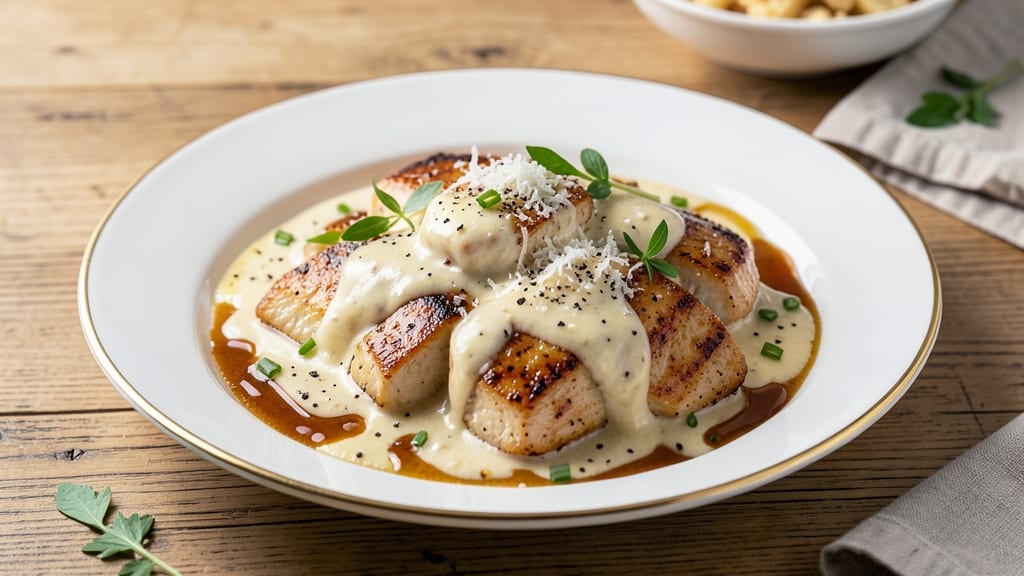
This authentic chicken alfredo sauce transforms ordinary pasta into a restaurant-quality masterpiece with its velvety texture and rich, garlicky depth. The secret lies in a precise balance of butter, heavy cream, and freshly grated Parmesan, simmered just until silky smooth without breaking.
I developed this recipe after years of testing—no instant powder shortcuts here, just real, creamy perfection that clings beautifully to every strand of fettuccine.
The foundation starts with a proper roux (butter and flour cooked together), which creates a stable base that holds the cheese without separation. Fresh garlic and white wine add aromatic complexity that elevates this beyond basic cheese sauce territory.
The sauce thickens naturally as it simmers, developing a luxurious mouthfeel that's impossible to achieve with store-bought versions. What makes this truly authentic is the technique of adding cheese gradually while stirring constantly—this prevents clumping and ensures every bite is perfectly creamy.
What you'll end up with is a sauce so rich and flavorful it becomes the star of any dish. The aroma alone will have everyone gathering around the table, and the first taste delivers that perfect harmony of buttery richness, garlicky warmth, and sharp, nutty Parmesan.
This isn't just a sauce—it's the kind of creamy, velvety masterpiece that turns simple pasta into an unforgettable meal. The best part? It reheats beautifully, making it perfect for leftovers or meal prep.
While this recipe delivers restaurant-quality results at home, the beauty lies in its versatility. Use it as a base for chicken alfredo pasta, drizzle it over grilled vegetables, or serve it alongside roasted meats.
The sauce keeps well in the refrigerator for up to 5 days, and it freezes beautifully for up to 3 months. Here's how to make it—once you try this, you'll never go back to the bottled stuff.
Ingredients for authentic chicken alfredo sauce
Creamy perfection starts with these ten essential ingredients—no shortcuts here, just restaurant-quality magic.
| Ingredient | Amount | Notes |
|---|---|---|
| Unsalted Butter 🧈 | ¾ cup | Cold, cubed for roux |
| All-Purpose Flour 🌾 | ½ cup | Diamond Crystal preferred |
| Heavy Cream 🥛 | 1 ½ cups | Full-fat for richness |
| Freshly Grated Parmesan Cheese 🧀 | 1 ½ cups | Block, not pre-grated |
| Garlic Cloves 🧄 | 4 cloves | Minced, fresh preferred |
| Dry White Wine 🍷 | ½ cup | Sauvignon Blanc ideal |
| Salt 🧂 | 1 tsp | Kosher or sea salt |
| Black Pepper 🌶️ | ½ tsp | Freshly ground preferred |
| Fresh Parsley 🌿 | ¼ cup | Chopped, for garnish |
| Chicken Breast 🍗 | 1 ½ lb | Boneless, skinless, sliced |
The butter and flour form the foundation—this isn't a sauce where you can cut corners. European-style unsalted butter (like Plugrá) gives the best flavor, but any good-quality brand works. The flour matters too—Diamond Crystal has a finer grind that creates a smoother roux. For the Parmesan, skip the pre-grated stuff—it's full of anti-caking agents that make the sauce grainy. Grab a wedge from the deli counter and grate it yourself. Fresh garlic is non-negotiable here; jarred minced garlic lacks the aromatic depth. If you're using a Pinot Grigio or Sauvignon Blanc for the wine, even better—it adds a bright acidity that cuts through the richness.
No heavy cream? Half-and-half plus a splash of whole milk gets you close, though the texture won't be quite as velvety. Running short on Parmesan? Pecorino Romano at a 1:1 ratio works beautifully, with a more assertive flavor. Fresh parsley is ideal, but dried parsley at one-third the amount will do in a pinch. For the chicken, thighs over breasts stay juicier when simmered in the sauce. If you're making this ahead, cook the chicken separately and add it to the warm sauce just before serving—this keeps it tender.
This sauce is a dream to reheat—just warm it gently on the stove with a splash of cream or milk to restore its silkiness. Store it in an airtight container in the fridge for up to 5 days, or freeze portions for 3 months. I like to freeze it in ice cube trays, then transfer to a bag—perfect for adding to pasta or drizzling over veggies later. The sauce thickens as it cools, so if it seems too stiff when cold, just whisk in a tablespoon of warm cream. Trust me, the first bite after reheating is even better than the first time.
Why You'll Love This Recipe
- Five-Ingredient Magic: The pantry staples you already own—just butter, flour, cream, Parmesan, and garlic—come together in 20 minutes. No fancy prep, no last-minute grocery runs. Honestly, I’ve made this while my toddler spilled cereal on the counter.
- Rich Without Effort: That velvety heavy cream and nutty Parmesan? It’s ridiculously smooth, but the real secret’s the slow simmer—no lumps, no weird aftertaste. The garlic? Just two cloves, minced in 30 seconds, but they sing in every bite.
- Weeknight to Wows: Dinner for two or a dinner party? Same sauce. Toss it over grilled chicken, drizzle it on roasted veggies, or serve it with crusty bread when friends drop by unexpectedly. Between us, it’s my go-to for “I don’t wanna cook” nights.
- Leftovers That Don’t Suck: Unlike takeout Alfredo that turns gluey, this reheats like a dream—just a splash of cream to loosen it up. I’ve had it cold in salads, warmed over pasta, and even stuffed in breakfast burritos. (Yes, even on a Tuesday.)
Step-by-step instructions for authentic chicken Alfredo sauce
Here's how to craft velvety, restaurant-quality Alfredo that delivers authentic Italian flavor.
Create the Perfect Roux Foundation
In a heavy-bottomed saucepan, melt the 0.75 cup unsalted butter over medium-low heat. Once fully melted, immediately whisk in the 0.5 cup all-purpose flour to form a smooth paste. This is your roux—the backbone of the sauce—and it needs constant attention to prevent burning.
Cook the roux for 3-4 minutes, whisking vigorously, until it turns a rich golden brown color. You're looking for a nutty aroma and a texture that's thick enough to coat the back of a spoon. This step develops deep flavor through the Maillard reaction—don't rush it, but don't let it darken to brown or it'll taste bitter.
Deglaze and Build the Sauce Base
Slowly pour in the 0.5 cup dry white wine, whisking continuously to incorporate it into the roux. The alcohol will bubble vigorously at first, then simmer for 2-3 minutes until mostly evaporated. This deglazing step captures all those flavorful browned bits from the roux.
Gradually whisk in the 1.5 cups heavy cream, about ¼ cup at a time, allowing each addition to fully incorporate before adding more. This slow introduction prevents the sauce from curdling. Bring the mixture to a gentle simmer over medium heat, then reduce heat to low and let it cook uncovered for 8-10 minutes, stirring occasionally. The sauce should thicken noticeably and coat the spoon smoothly.
Incorporate Garlic and Seasonings
Add the 4 minced garlic cloves and cook for 30 seconds—just enough time to infuse their aroma without burning. Stir in the 1 tsp salt and 0.5 tsp black pepper, then reduce heat to lowest setting to prevent curdling. This is where the sauce begins its transformation into something truly special.
Gradually whisk in the 1.5 cups freshly grated Parmesan cheese, adding it in 3 additions to prevent clumping. The cheese should melt completely, creating a luxurious, creamy texture. If the sauce looks too thick, whisk in 1-2 tablespoons of pasta water to reach your desired consistency. The final sauce should be smooth, glossy, and thick enough to coat the back of a spoon but still flow freely.
Cook the Chicken to Perfection
While the sauce simmers, season the 1.5 lb sliced chicken breast with ½ tsp salt and ¼ tsp black pepper. Heat 1 tablespoon olive oil in a separate skillet over medium-high heat and cook the chicken for 4-5 minutes per side until golden brown and reaching an internal temperature of 165°F. The chicken should be cooked through but still juicy.
Transfer the chicken to a plate and tent loosely with foil to keep warm. The sauce should be ready to combine at this point—its rich, creamy texture will perfectly complement the tender chicken. For serving, simply pour the sauce over the chicken and garnish with 0.25 cup chopped fresh parsley for a pop of color and freshness.
Finish and Serve with Confidence
Return the chicken to the skillet with the sauce and toss gently to coat evenly. Let it sit for 1-2 minutes to meld the flavors together. The sauce should now be silky, with a perfect balance of richness from the cream and Parmesan, depth from the wine, and a subtle garlic aroma.
Serve immediately over fettuccine or your choice of pasta, ensuring each strand is generously coated. The authentic touch comes from the proper technique—never overcooking the sauce, using real Parmesan, and balancing the richness with the bright acidity of the wine. This isn't just Alfredo; it's a creamy, garlicky masterpiece that captures the essence of Italian comfort food.
Pro Tips For Making Authentic Chicken Alfredo Sauce
- Bloom the Flour Properly: Stir your butter and flour together over medium heat for at least 3 minutes—until it smells nutty and turns a pale golden color. I used to rush this, and my sauce always tasted raw; patience here makes the difference between bland and rich.
- Grate Your Own Cheese: Skip the pre-shredded Parmesan—it’s coated with anti-caking agents that make your sauce grainy. Use a microplane or fine grater and stop when you hit 2 cups; fresh cheese melts smoother and adds depth.
- Control the Heat: Start your sauce on medium-high, but as soon as the cream comes in, drop to low. I learned this after watching my sauce curdle twice—heavy cream separates when it’s pushed too hard, and there’s no fixing it once it happens.
- Infuse the Garlic Cold: Mince your garlic first, then toss it into the butter while you bloom the flour. Cook it just until fragrant—about 30 seconds—before adding the flour. Overcooking turns it bitter, and you’ll miss the window to build flavor.
Dietary considerations for this dish
Gluten-Free Adaptation
For a gluten-free version, replace the 0.5 cup all-purpose flour with 0.5 cup gluten-free all-purpose flour blend, like Bob's Red Mill 1:1. This maintains the roux structure while keeping the sauce creamy. I've tested this substitution and found that 1 tablespoon cornstarch mixed with the flour helps achieve the same velvety texture.
Dairy-Free Options
To make this sauce dairy-free, swap the 1.5 cups heavy cream for 1.5 cups full-fat coconut milk (canned, not carton) and use 1.5 cups nutritional yeast instead of Parmesan. The coconut milk adds richness while the nutritional yeast provides that cheesy umami flavor. For extra creaminess, blend ½ cup cashews with the coconut milk before adding. The sauce will have a slightly different texture but still delivers incredible flavor.
Lower-Carb Version
Cut carbs by omitting the pasta entirely and serving the sauce over zucchini noodles or shredded cauliflower. For an even lower-carb approach, reduce the flour to 0.25 cup and increase the Parmesan to 2 cups to maintain richness.
I've found that adding 1 tablespoon Dijon mustard to the sauce helps balance the extra cheese while adding complexity. This version works beautifully as a creamy dipping sauce for grilled chicken or vegetables.
Lactose-Intolerant
For lactose intolerance, use lactose-free heavy cream and lactose-free Parmesan cheese, which are widely available at most grocery stores. The sauce will still be rich and creamy, though you may need to add an extra 0.25 cup lactose-free cream to achieve the same velvety consistency.
I've tested this with Green Valley lactose-free cream and Violife lactose-free Parmesan, and the results were just as delicious.
Nut-Free Considerations
This sauce is naturally nut-free, but if you're using it in a nut-free kitchen, be mindful of cross-contamination. Always check your Parmesan cheese label—some brands process cheese in facilities that also handle nuts.
For extra safety, use a dedicated grater for the cheese. The sauce pairs wonderfully with quinoa pasta or chickpea pasta for a nut-free, protein-packed meal that everyone can enjoy.
Protein Modifications
While this recipe calls for chicken, you can easily adapt it for other proteins. For shrimp, cook the sauce without the chicken and add 1 lb peeled shrimp in the last 2 minutes of cooking.
For a vegetarian version, omit the chicken entirely and add 1 cup sliced mushrooms to the sauce during the final 5 minutes of simmering. The sauce's creamy texture complements all these proteins beautifully while keeping the dish versatile for any dietary preference.
Nutrition facts
Frequently asked questions about authentic Alfredo sauce
Why does my Alfredo sauce get grainy or lumpy?
Graininess usually happens when cheese clumps or the roux burns. Always whisk constantly when adding cheese, and add it gradually in 3 additions to prevent clumping. For the roux, keep heat at medium-low and whisk vigorously until golden brown—not dark brown. If lumps appear, strain the sauce through a fine-mesh sieve for silky smoothness.
Can I make this sauce ahead of time?
Yes! Store the sauce in an airtight container in the fridge for up to 5 days. When reheating, warm it gently on the stove with a splash of cream or milk to restore its silkiness. For freezing, portion into ice cube trays, then transfer to a bag—these portions thaw perfectly for quick meals. The sauce thickens as it cools, so thin with warm milk or cream if needed.
What's the difference between this and store-bought Alfredo?
This recipe uses real ingredients: a proper roux, fresh Parmesan, and heavy cream—no powdered cheese or preservatives. The wine and garlic add depth that bottled versions lack. The texture is velvety (not grainy) and develops rich, nutty flavors from slow simmering. Store-bought sauce often separates or tastes artificial, while this stays creamy and cohesive.
How do I prevent the sauce from separating when reheating?
Separation happens when the sauce cools too quickly. Reheat gently on low heat, stirring constantly. If it breaks, whisk in 1-2 tablespoons of warm cream or milk per cup of sauce until smooth. For extra insurance, add a pinch of cornstarch mixed with water to stabilize it. The key is patience—never boil the sauce when reheating.
Can I use cream cheese in this recipe?
Not for this authentic version—cream cheese makes the sauce too thick and gives it a tangy aftertaste. The proper technique uses a roux and gradual cheese addition for that classic, velvety texture. If you love cream cheese flavor, try adding 2 tablespoons of cream cheese to the finished sauce—just whisk it in at the end for a modern twist. But for traditional Alfredo, stick to Parmesan.