
Main Courses
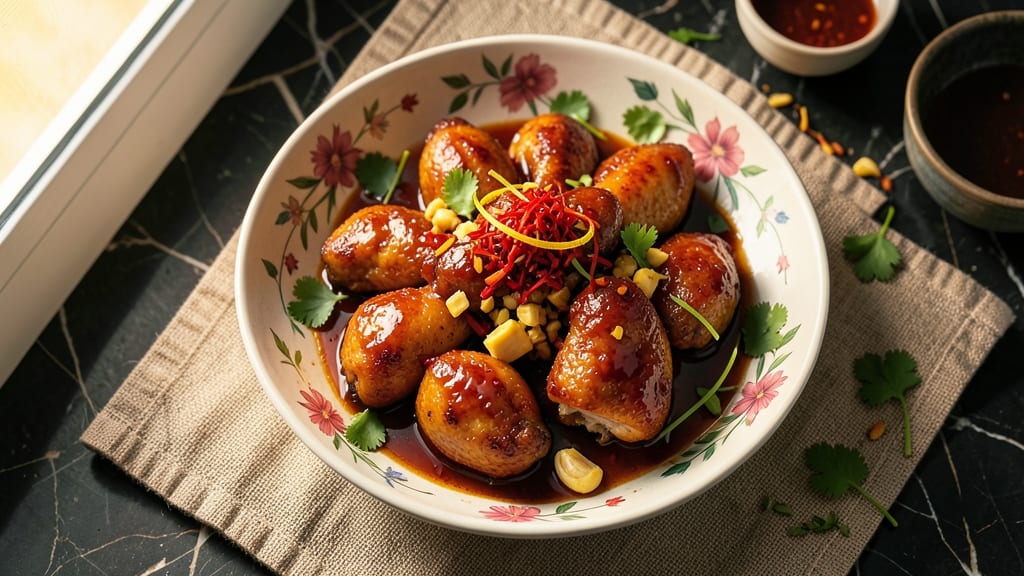
This Asian sweet and spicy chicken recipe delivers restaurant-quality results with a glossy honey-chili glaze that clings perfectly to every bite. The secret lies in balancing heat and sweetness through precise caramelization, creating a sauce that's both sticky and vibrant.
I developed this technique after years of testing—each element must come together at the right moment for that signature shine and depth.
What sets this dish apart is the two-step marinade process that tenderizes the chicken while infusing it with aromatic flavors. You'll start with a base of soy sauce, garlic, and ginger, then finish with the sweet-spicy glaze that caramelizes beautifully during cooking.
Whether you're stir-frying, grilling, or baking, the high-heat method ensures that glaze develops its signature gloss and complexity.
The result is juicy, perfectly cooked chicken with a sauce that's neither too sweet nor overly spicy—just right. The glaze caramelizes into a sticky, slightly crisp coating that adds texture while keeping the chicken tender inside.
This dish pairs beautifully with steamed jasmine rice or noodles, making it a complete meal in one.
Ready in under 45 minutes, this recipe is designed for home cooks who want restaurant-quality flavors without the fuss. The key is patience during the glaze application and cooking—rushing will prevent that perfect caramelized finish. Let's get started on creating a dish that's sure to impress!
Ingredients for asian sweet and spicy chicken
Fourteen ingredients transform into restaurant-quality Asian sweet-spicy chicken with a signature caramelized glaze.
| Ingredient | Amount | Notes |
|---|---|---|
| Boneless, Skinless Chicken Thighs 🍗 | 1 ½ lb | Cut into 1-inch pieces |
| Low-Sodium Soy Sauce 🥢 | ½ cup | Kikkoman preferred for balance |
| Honey 🍯 | ⅓ cup | Pure clover honey preferred |
| Red Chili Flakes 🌶️ | 2 tbsp | Adjust for heat preference |
| Garlic Cloves 🧄 | 6 cloves | Minced finely for infusion |
| Fresh Ginger 🌿 | 2 tbsp | Finely grated, aromatic |
| Sesame Oil 🫒 | 1 tbsp | Toasted sesame oil preferred |
| Rice Vinegar 🍶 | 2 tbsp | Seasoned rice vinegar |
| Cornstarch 🌾 | 1 tbsp | For glaze thickening |
| Vegetable Oil 🫒 | 2 tbsp | High smoke point preferred |
| Green Onions 🧅 | ¼ cup | Sliced for garnish |
| Sesame Seeds 🌱 | 1 tbsp | Toasted for crunch |
| Diamond Crystal Kosher Salt 🧂 | ½ tsp | For seasoning balance |
| Ground Black Pepper 🌶️ | ¼ tsp | Freshly ground preferred |
The chicken thighs are non-negotiable here—dark meat stays juicier during the high-heat cooking required for that signature caramelized glaze. Kikkoman soy sauce delivers the perfect umami balance without excessive sodium, though any low-sodium brand works. For the honey, look for clover variety at specialty grocers like Whole Foods or Trader Joe's—it's lighter and less overpowering than wildflower blends. Fresh ginger and garlic should be vibrant and aromatic—no woody stems or musty smells. Toast your sesame seeds in a dry pan for 30 seconds before adding to the glaze for maximum nutty flavor.
No sesame oil? Avocado oil works in a pinch, though it lacks that signature toasted aroma. Short on rice vinegar? Apple cider vinegar at half the quantity mimics the tang. The cornstarch is crucial for that glossy finish—don't skip it or the glaze will be too runny. For heat adjustments, reduce chili flakes by half if serving kids or sensitive palates. The green onions add freshness—use the entire green part (including tops) for maximum flavor. Prefer less sweetness? Reduce honey to 2 tbsp and add 1 tsp more rice vinegar to balance.
Store leftover glaze in an airtight container with a thin layer of neutral oil on top to preserve freshness. Keeps for up to 1 week in the fridge or 3 months frozen in ice cube trays. The chicken reheats beautifully—microwave 30 seconds with a splash of water to restore moisture. For meal prep, marinate the chicken overnight—the flavors develop more deeply. Double the glaze recipe if serving a crowd—it's perfect over rice or noodles.
Why You'll Love This Recipe
- One-Pan Magic: I swear by this recipe when I’m too tired to wash dishes—just toss the chicken thighs, minced garlic, and those few pantry staples (soy sauce, honey, chili flakes) into one skillet. The sticky glaze caramelizes right there, and honestly? I’ve never met a cleanup that didn’t feel like a victory.
- Sweet-Heat Balance: That honey-soy glaze with a kick of chili flakes? It’s the kind of flavor that makes you pause mid-bite. The garlic adds depth, but the real star is how the heat lingers just enough to wake up your taste buds—without overwhelming, like some spicy dishes do.
- Lunchbox Hero: Between us, this is my secret weapon for meal prep. Shred the leftovers, toss them into rice or lettuce wraps, and boom—you’ve got a lunch that’ll impress coworkers or fuel your kids’ school lunches. (Yes, even on a Tuesday night.)
- Budget-Friendly Fire: Chicken thighs are forgiving and cheap, and this recipe uses ingredients you already own. I’ll be real: I’ve made it three times this month, and the pantry never felt lighter. Plus, the leftovers reheat like a dream—no dry, sad chicken here.
Step-by-step instructions for Asian sweet and spicy chicken
Master this balance of caramelized glaze and aromatic spices for restaurant-quality results at home.
Prepare the Chicken and Glaze Base
Cut the 1.5 lb boneless, skinless chicken thighs into 1-inch pieces and pat them completely dry with paper towels. This step is crucial—any moisture will prevent the glaze from sticking properly later. In a small bowl, whisk together the 0.5 cup low-sodium soy sauce, 0.33 cup honey, 2 tbsp red chili flakes, 2 tbsp rice vinegar, and 1 tbsp toasted sesame oil. This mixture forms the foundation of our glaze, where the honey will caramelize beautifully while the soy sauce adds depth.
Place the chicken pieces in a large bowl and pour the glaze mixture over them. Add the 0.5 tsp diamond crystal kosher salt and 0.25 tsp ground black pepper, then toss everything together with your hands until every piece is thoroughly coated. Let the chicken marinate for at least 15 minutes at room temperature—this ensures the flavors penetrate deeply and the glaze adheres perfectly during cooking.
Sear the Chicken for Maximum Flavor
Heat 2 tbsp vegetable oil in a large skillet over medium-high heat until shimmering. Working in batches if needed (to avoid overcrowding), add the marinated chicken pieces to the skillet. Cook undisturbed for 3-4 minutes per side until the chicken develops a deep golden-brown crust. This searing step creates a flavorful barrier that locks in juices and provides texture contrast to the glossy glaze.
As the chicken cooks, you'll notice the glaze starting to caramelize and bubble slightly. This is exactly what we want—it signals that the sweet-spicy balance is developing. Once all pieces are golden and cooked through (internal temperature should reach 165°F), transfer them to a plate and set aside. Don't clean the skillet yet—those precious browned bits are essential for the next step.
Build the Glossy Honey-Chili Sauce
Reduce the heat to medium and return the skillet to your stovetop. Add the 6 cloves minced garlic and 2 tbsp finely grated fresh ginger, cooking for 30 seconds until fragrant. Immediately pour in the remaining glaze mixture from the bowl (about 1 cup total) and scrape up all the browned bits from the bottom of the pan with a wooden spoon. This deglazing step captures all the concentrated flavors we built during searing.
Bring the sauce to a gentle simmer and let it reduce for 3-4 minutes until it thickens slightly. In a small bowl, whisk together 1 tbsp cornstarch with 1 tablespoon water to create a slurry. Slowly pour this into the simmering sauce while stirring constantly. The sauce will thicken dramatically and become glossy—this is when you know it's ready. If it's still too thin after 1 minute, add another ½ teaspoon cornstarch mixed with water.
Finish the Chicken with Perfect Glaze
Return the seared chicken pieces to the skillet and spoon the glossy sauce over them. Toss everything together gently to coat the chicken evenly. Let it cook for 2-3 minutes until the sauce clings beautifully to each piece and the chicken absorbs all that sweet-spicy goodness. The glaze should be thick enough to coat the back of a spoon but still flow smoothly when tossed.
For the final touch, transfer the chicken to a serving platter and sprinkle with 0.25 cup sliced green onions and 1 tbsp toasted sesame seeds. The green onions add freshness that cuts through the richness, while the sesame seeds provide a delightful crunch. Serve immediately while the glaze is still glossy and the chicken is piping hot—this dish doesn't wait for seconds.
Pro Tips For Making Asian Sweet And Spicy Chicken
- CRISP THE THIGHS FIRST: Pat the chicken thighs bone-dry with paper towels before searing—this isn’t just about flavor, it’s about getting that sticky-sweet glaze to cling instead of steaming off. I used to skip this, and my sauce would just pool at the bottom like a sad, runny puddle. High heat for 4-5 minutes per side until golden, then pull them out while they’re still sizzling.
- MINCE THAT GARLIC FINE: No food processor? Use a sharp knife and smash the garlic cloves flat with the heel of your hand first—then chop. Too many big chunks means you’ll taste them instead of the balanced sweet-spicy sauce. I learned this the hard way when my first batch had a garlicky surprise in every bite.
- SIMMER THE SAUCE LOW: After adding soy sauce and honey, let the sauce reduce on medium-low for 3-4 minutes—this thickens it enough to coat the chicken without turning it into syrup. I used to blast it on high, and it’d either burn or stay watery. Patience here makes the sauce cling like it’s supposed to.
- ADD CHILI IN STAGES: Toss half the red chili flakes with the chicken right away, then reserve the rest to sprinkle at the end. This keeps the heat balanced—somewhere between "warm" and "I need a glass of milk." I was skeptical until I tried it, and now I never go back to dumping it all in at once.
Regional styles of asian sweet and spicy chicken
Thai-Inspired Sweet Heat
This version swaps soy sauce for 2 tbsp fish sauce and adds 1 tbsp palm sugar to the glaze base, creating a deeper umami-sweet balance. I love using Thai bird's eye chili (or 2 tbsp chili paste like Maesri) for intense heat.
Serve with jasmine rice and a side of cucumber salad to cool the palate. The key is balancing the fish sauce's funk with extra honey—start with ½ cup and adjust to taste. 🌶️
Japanese Teriyaki Twist
For a milder, stickier glaze, replace chili flakes with 1 tbsp grated daikon radish and add 1 tbsp mirin to the marinade. Use white miso paste (1 tsp) in the glaze for umami depth.
Japanese chefs often finish with a sprinkle of bonito flakes for a smoky aroma. Cook the chicken on a grill pan for those beautiful char marks. 🍶
Korean Gochujang Glaze
This version replaces honey with ½ cup gochujang (Korean chili paste) and adds 1 tbsp soy paste to the marinade. The gochujang brings fermented depth while keeping the sweetness. I like to finish with sesame seeds toasted in gochujang for extra flavor.
Serve with steamed short-grain rice and quick-pickled radishes. The glaze works beautifully on chicken drumsticks too—just increase cooking time to 20 minutes for crispy skin. 🌿
Vietnamese Caramelized Version
For a Vietnamese-inspired take, add 1 tbsp fish sauce and 1 tsp sugar to the marinade, then use nuoc mam (Vietnamese fish sauce) in the glaze. The secret is finishing with fresh mint leaves and cilantro on top.
Serve with rice noodles and a side of pickled carrots. This version has a lighter, brighter flavor profile that's perfect for summer meals. 🍜
Chinese Five-Spice Glaze
Add ½ tsp Chinese five-spice powder to the marinade and 1 tsp Shaoxing wine to the glaze for a fragrant twist. The five-spice adds warmth without overpowering the sweet-spicy balance. I like to finish with crushed peanuts for texture.
This version pairs beautifully with steamed bok choy and egg fried rice. The glaze works especially well with chicken breast cut into bite-sized pieces. 🥜
Nutrition facts
Frequently asked questions
Can I use chicken breast instead of thighs?
You can try, but thighs are ideal for this recipe! Chicken breast dries out more easily during searing, which can make the glaze stick less effectively. If you must use breast, cut it into smaller pieces (½-inch thick) and reduce cooking time to 2-3 minutes per side. Keep the heat at medium-high and watch closely to avoid overcooking. For extra moisture, add 1 tbsp water to the glaze mixture.
How do I adjust the heat level?
The recipe uses 2 tbsp chili flakes for moderate heat. For milder flavor, reduce to 1 tbsp or swap with 1 tsp chili powder. For extra spice, add ½ tsp cayenne pepper or 1 tbsp gochujang to the glaze. Always taste the sauce before serving—you can balance heat with more honey or rice vinegar if needed.
What's the best way to reheat leftovers?
Reheat in a skillet over medium-low heat for 3-4 minutes with 1 tbsp water to restore moisture. Avoid microwaving—it makes the glaze rubbery. For extra shine, add ½ tsp honey and 1 tsp rice vinegar while reheating. Store leftovers in an airtight container for up to 3 days.
Can I make this in an air fryer?
Yes! Preheat the air fryer to 375°F and cook the marinated chicken for 12-14 minutes, shaking halfway. For the glaze, brush it on after air frying, then return to the air fryer for 2 minutes at 350°F to set. The glaze won't be as glossy as stovetop, but it'll still be delicious. Use 1 tbsp oil to prevent sticking.
What if my glaze isn't sticky?
If the glaze is too thin, simmer it longer or add ½ tsp cornstarch mixed with water. For a thicker base, reduce the honey slightly (¼ cup) next time. The key is proper reduction—simmer until it coats the back of a spoon. If it's too thick, thin with 1 tsp water while warm. Always let the glaze cool slightly before serving to develop full flavor.